Tag Page AmericanHistory

#AmericanHistory
LataraSpeaksTruth

In 1870, Jonathan Jasper Wright made American history when he was elected to the South Carolina Supreme Court, becoming the first African American to hold a major judicial position at the state level. The moment passed without national celebration, but its significance was profound. A formerly enslaved man stepped into one of the highest legal institutions in the South during one of the most volatile periods in American history. Wright’s election came during Reconstruction, when Southern states briefly expanded political and civic participation in the aftermath of the Civil War. Born in Pennsylvania in 1840, Wright was educated and legally trained at a time when access to formal schooling was denied to most Black Americans. After relocating to South Carolina, he quickly earned respect as a legal thinker and public servant, serving first in the state senate before his elevation to the court. His role on the bench was substantive, not symbolic. Wright ruled on cases involving contracts, property disputes, and civil authority in a state struggling to redefine itself after slavery. His presence challenged long standing assumptions about who could interpret the law and whose judgment carried authority. Each decision he issued reinforced the reality that legal competence had never been confined to one race. Wright’s tenure was short. As Reconstruction collapsed and political retaliation intensified, he was removed from the bench in 1877 through impeachment proceedings widely viewed as racially motivated. The rollback of progress was swift, but the precedent remained. Jonathan Jasper Wright’s election reshaped American legal history. It proved that access to power could change, even briefly, and that once progress is recorded, it cannot be erased. #1870 #AmericanHistory #JudicialHistory #ReconstructionEra #SouthCarolinaHistory #LegalMilestones #HistoryMatters

LataraSpeaksTruth

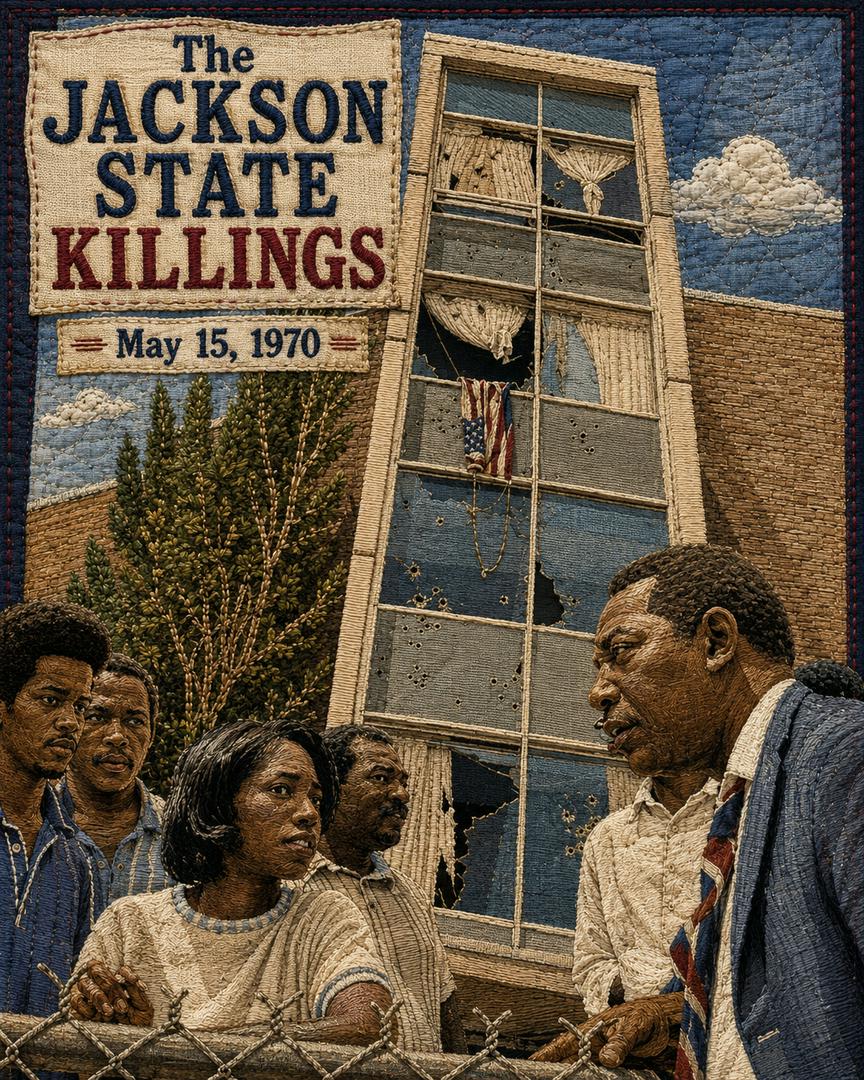
May 15, 1970… The Jackson State killings happened Less than two weeks after Kent State became a national symbol of campus tragedy, another deadly shooting unfolded at Jackson State College in Mississippi. But this one did not receive the same lasting national attention. Around midnight on May 15, 1970, law enforcement opened fire near Alexander Hall, a women’s dormitory on the campus of the historically Black college. When the gunfire stopped, two young men were dead. Phillip Lafayette Gibbs was 21 years old and a junior at Jackson State. James Earl Green was only 17, a senior at nearby Jim Hill High School. Twelve others were injured. Police claimed there had been sniper fire, but later accounts found no evidence confirming that students fired first. What is known is that officers unleashed a barrage of gunfire that struck the dormitory, shattered windows, and left bullet marks that became part of the campus memory. This story matters because Jackson State is too often treated like a footnote beside Kent State. Kent State happened on May 4, 1970. Jackson State happened on May 15, 1970. Both were campus shootings. Both involved young people. Both ended with students dead. But one became a national reference point, while the other was pushed further into the margins. Phillip Gibbs and James Green deserved more than a quiet place in history. Their names deserve to be spoken clearly. Their lives deserve to be remembered fully. And Jackson State deserves to be part of the national conversation about 1970, student protest, police violence, and whose pain gets remembered loudest. Today, the Gibbs Green Memorial Plaza at Jackson State stands as a reminder of what happened that night. Not rumor. Not exaggeration. History. Phillip Lafayette Gibbs. James Earl Green. May 15, 1970. Gone but not erased. #JacksonState #BlackHistory #AmericanHistory #OnThisDay #LataraSpeaksTruth

LataraSpeaksTruth

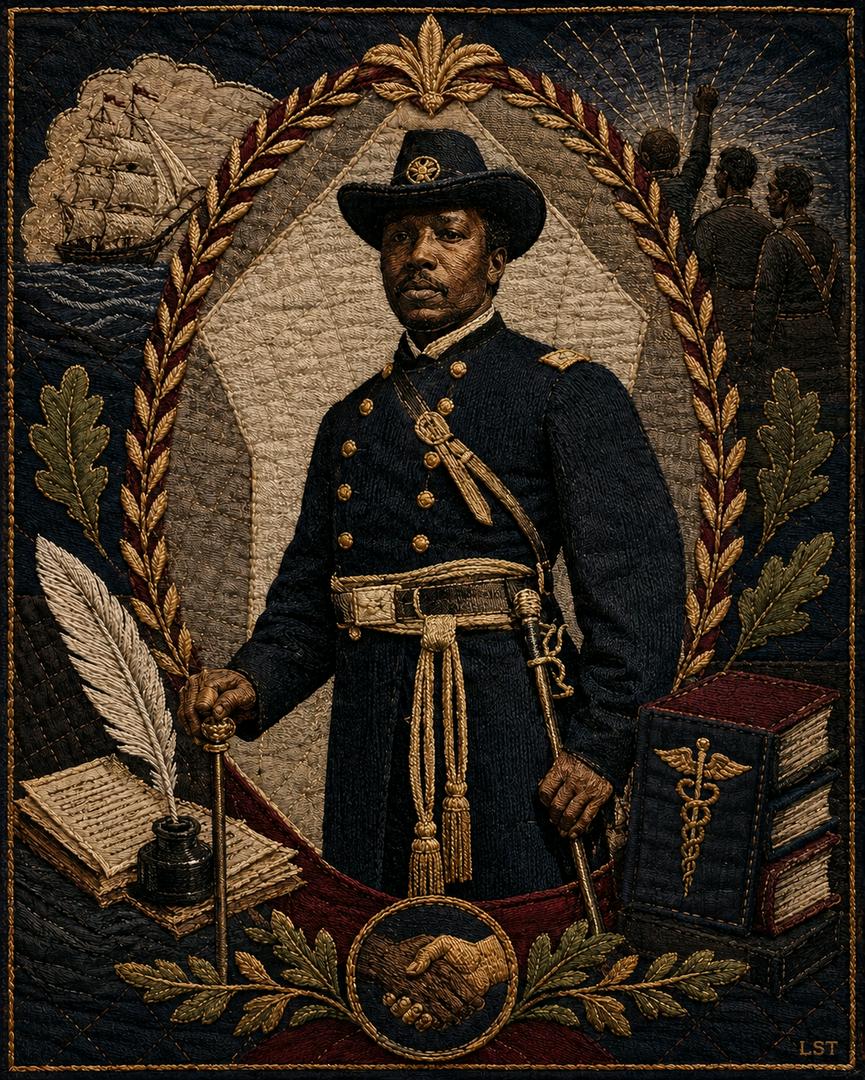
On May 6, 1812, Martin R. Delany was born in Charles Town, Virginia, now West Virginia. He would become one of the boldest Black thinkers of the 19th century: an abolitionist, physician, editor, writer, military officer, and political voice who refused to shrink himself to fit the limits America placed on him. Delany was not simply asking for permission to exist. He spoke the language of power, nationhood, self-determination, and global unity long before those ideas became common. He helped shape early Black nationalist thought and is often linked to the roots of Pan-African thinking because he looked beyond America and imagined a larger future for people of African descent. He edited newspapers, practiced medicine, wrote about the condition and future of Black people in the United States, and challenged the idea that freedom meant waiting quietly for acceptance. Delany believed Black people had the right to build, lead, organize, and determine their own destiny. During the Civil War, he made history in uniform as the first Black field officer in the United States Army, serving as a major. His life moved from resistance on the page to leadership in action. What makes Delany’s story so powerful is that he thought bigger than the world around him allowed. He understood that survival was not enough. Representation was not enough. A seat at someone else’s table was not enough. Martin R. Delany imagined freedom with structure, pride, ownership, and direction. He was not whispering for inclusion. He was calling for a future built with dignity and power. #BlackHistory #MartinRDelany #HiddenHistory #AmericanHistory #HistoryMatters

LataraSpeaksTruth

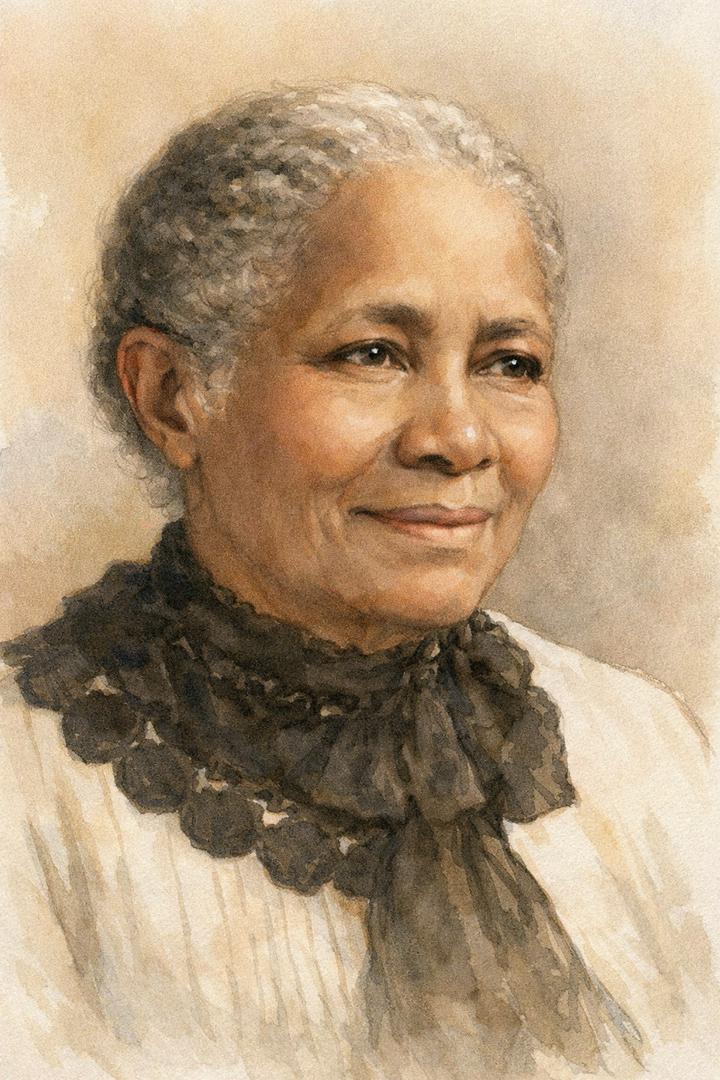
February 22, 1911…In Philadelphia, Frances Ellen Watkins Harper’s earthly voice went quiet, but her words stayed loud. She was an abolitionist, poet, public speaker, and reformer who used language like a torch in a windstorm…steady, bright, and impossible to ignore. Born free in Baltimore in 1825, she still lived under a country that tried to limit what a Black woman could learn, say, and become. She refused that script. She taught, wrote, and stepped onto stages where people expected silence from her and got truth instead. Harper understood freedom was not just a moment, it was a life. If people could not read, could not learn, could not protect their families, then “freedom” was just a fancy word with no weight behind it. So she pushed education, dignity, and real change, even when it was unpopular, unsafe, or both. Her writing carried the same spine. She wrote poems that mourned slavery without softening it, and stories that insisted Black people were fully human, fully worthy, fully meant to rise. Later, she published work that challenged the nation to face what it had done and what it still refused to fix. She also helped build community power, especially among women, when the culture tried to keep them in the background. She believed faith and conscience had to show up in public life, not just in private feelings. Moral courage, to her, was action…not vibes. So today is not just a date. It is a reminder that some people told the truth before it was trendy, and they kept telling it when it cost them. Frances Ellen Watkins Harper did not wait for permission to matter. #FrancesEllenWatkinsHarper #OnThisDay #BlackHistory #WomensHistory #Abolitionist #Poet #Author #HistoryMatters #OurHistory #PhiladelphiaHistory #AmericanHistory #Education #WomensRights #Legacy
LataraSpeaksTruth

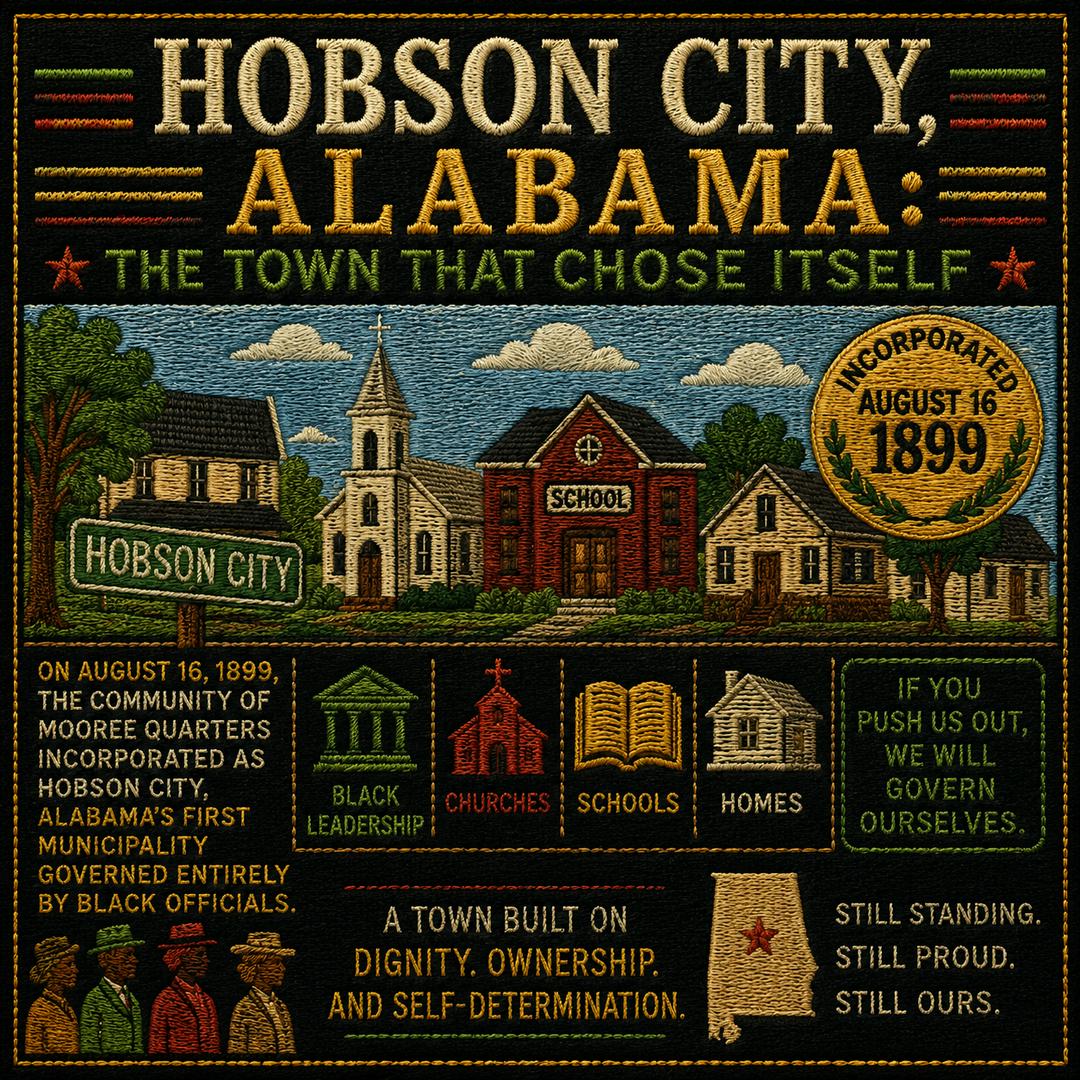
Hobson City, Alabama: The Town That Chose Itself Before it became Hobson City, the area was known as Mooree Quarters, a Black community near Oxford, Alabama. Black residents lived there, worked there, voted there, paid taxes there, and helped shape local elections. But that political power made some white leaders uncomfortable. According to the town’s history, Black voters were often a controlling factor in elections, and Mooree Quarters was eventually separated from Oxford. So the people of Mooree Quarters did something powerful. They organized. On August 16, 1899, the community incorporated as Hobson City, becoming Alabama’s first municipality governed entirely by Black officials and the second Black-governed municipality in the United States after Eatonville, Florida. At a time when Black political power was being attacked across the South, Hobson City became a statement in map form. It said: if you push us out, we will govern ourselves. The town built its own civic life, including leadership, schools, churches, homes, and community institutions. It was not just a place where Black people lived. It was a place where Black people led. That matters because history often talks about what was taken from Black communities, but Hobson City reminds us what was built in spite of it. Land was not just land. A town was not just a town. It was protection. It was dignity. It was ownership. It was a way of saying, “We belong somewhere, even when the world keeps trying to move the line.” Hobson City still exists today in Calhoun County, Alabama. And the question is simple: Why were so many of us taught about cities that excluded us, but not the towns we built when exclusion tried to erase us? #BlackHistory #HiddenHistory #HobsonCity #AlabamaHistory #BlackTowns #ForgottenHistory #AmericanHistory

LataraSpeaksTruth

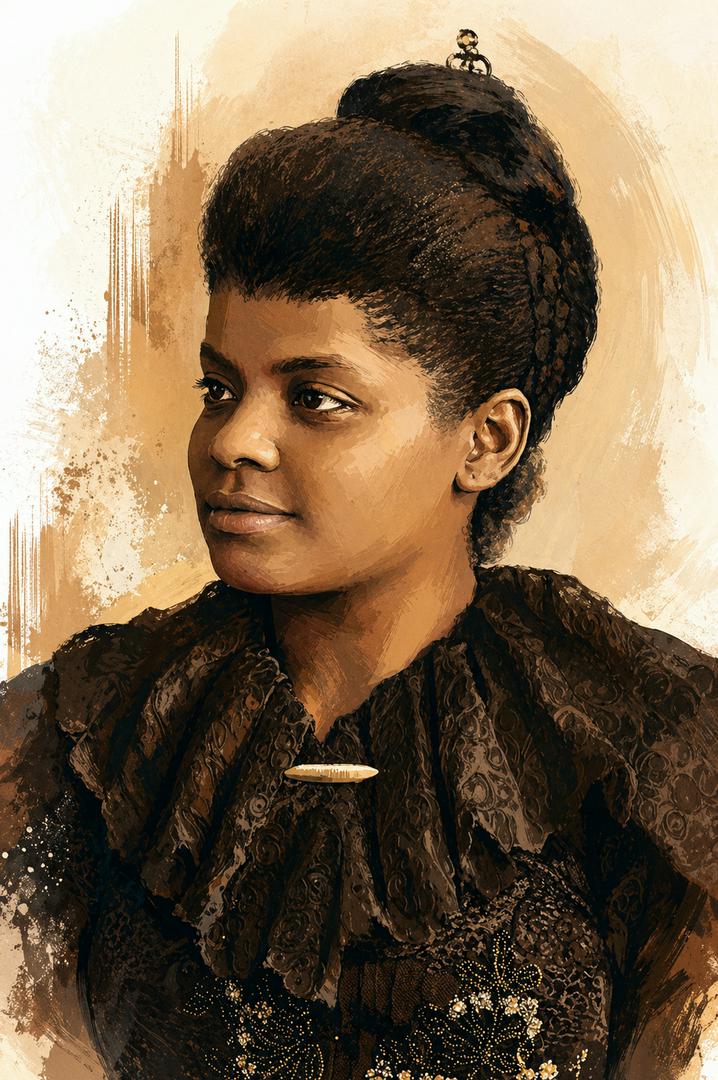
On May 4, 1884, Ida B. Wells continued a fight against railroad segregation years before her name became nationally known for anti-lynching journalism. Wells, then a young teacher in Tennessee, had already experienced discrimination on the Chesapeake, Ohio & Southwestern Railroad. After buying a first-class ticket, she was ordered out of the ladies’ car and told to sit in the smoking car instead. She refused to accept being pushed into an inferior space after paying for first-class service. That refusal was not just about a train seat. It was about dignity, equal treatment, and the right to receive what she had paid for. At a time when public transportation was being used to enforce separation and humiliation, Wells stood her ground. These incidents led Wells to take legal action. She sued the Chesapeake, Ohio & Southwestern Railroad and initially won damages in a lower court. That victory was rare, especially in a legal system that often protected discriminatory customs more than it protected Black passengers. But the victory did not last. The railroad appealed, and in 1887, the Tennessee Supreme Court reversed the lower court’s ruling. The court sided with the railroad and took away the damages Wells had been awarded. Still, the case mattered. Ida B. Wells did not wait until she had a national platform to challenge unfair treatment. She did not wait until the world called her fearless. Before her anti-lynching work made her one of the most important journalists in American history, she was already confronting discrimination in public life. Her train case showed the same courage that would later define her career: document the truth, challenge powerful systems, and refuse silence. Ida B. Wells’ legacy is not only found in what she wrote. It is also found in what she refused to accept. #IdaBWells #BlackHistory #AmericanHistory #WomenInHistory #OnThisDay

LataraSpeaksTruth

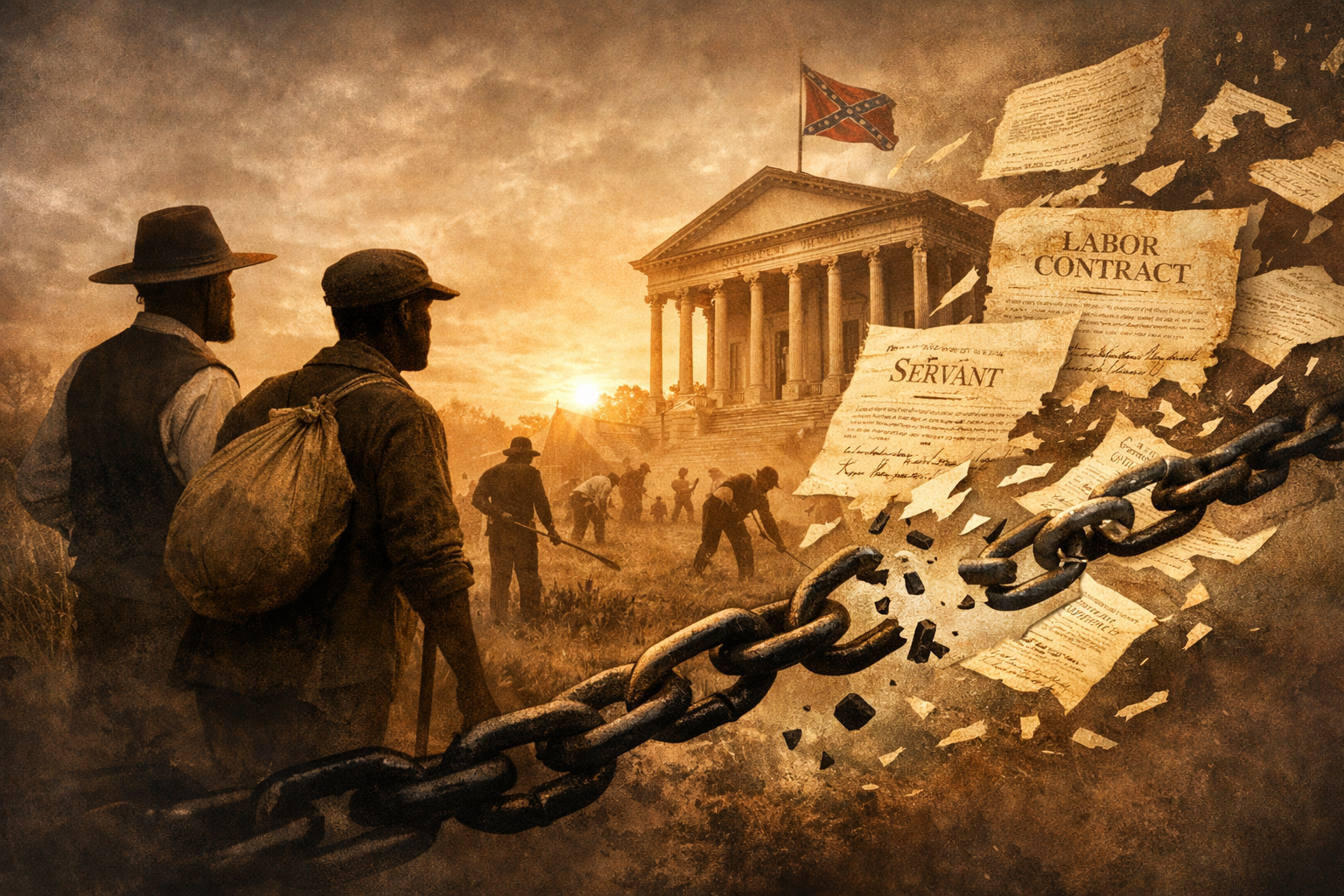
On December 19, 1865, South Carolina passed a law that replaced slavery with forced labor under a different name. Slavery had been abolished, but this law required newly freed people to sign labor contracts that locked them into exploitative conditions. Workers were labeled “servants,” while white employers were officially designated as “masters.” Those who refused to sign faced arrest, fines, or forced unpaid labor. On paper, the law existed under Reconstruction. In practice, it functioned as a mechanism to preserve control over labor and daily life after emancipation. Freedom was tolerated only if economic dependence and social hierarchy remained intact. Formerly enslaved people and community leaders immediately recognized the danger. They understood that freedom meant choice. Choice in where to work, how to live, and how to shape a future. This law stripped that choice away and pushed many back into conditions that closely resembled bondage. South Carolina was not an outlier. Across the South in 1865, similar Black Codes criminalized unemployment and so called vagrancy. Those charges were then used to funnel people into plantation labor through the criminal justice system, reinforcing control through punishment rather than chains. The impact of these laws did not end in the nineteenth century. Their influence can still be seen in labor inequality, policing disparities, and economic systems that limit access to opportunity. Remembering December 19, 1865 is not about assigning blame. It is about recognizing how systems of control evolved and why the pursuit of genuine freedom remains unresolved. #ReconstructionHistory #AmericanHistory #SouthCarolina1865 #BlackCodes #LaborHistory #Justice #HistoricalContext #Freedom

LataraSpeaksTruth

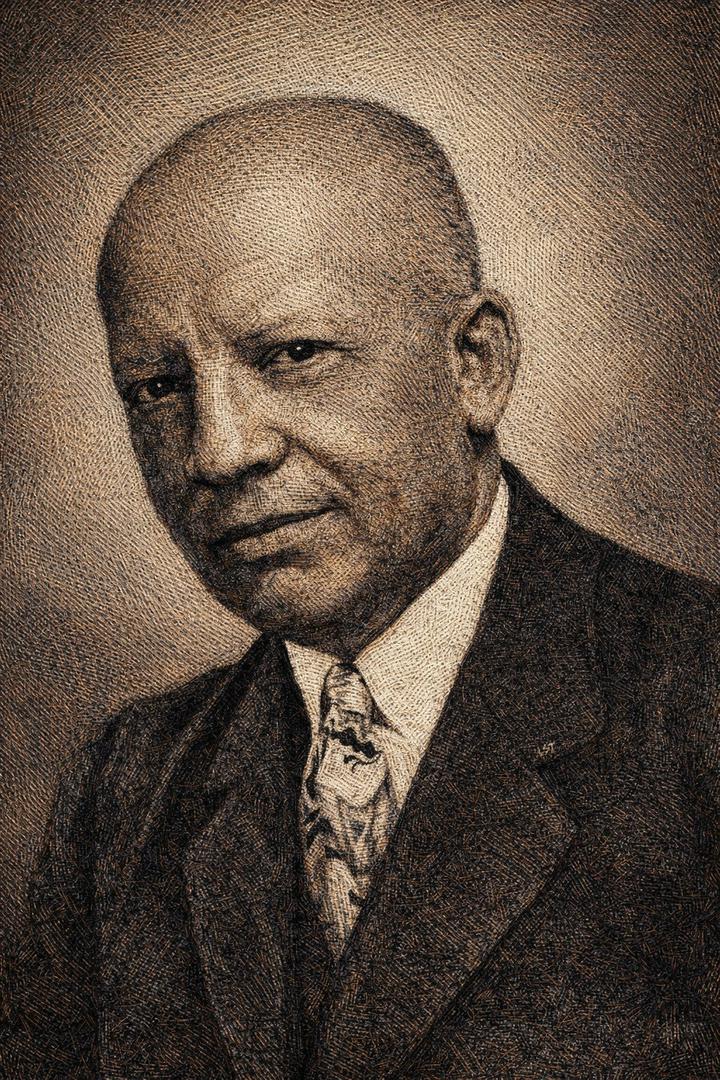
Carter Godwin Woodson was born on December 19, 1875, in New Canton, Virginia. Born to parents who had been enslaved, Woodson grew up in poverty and spent much of his early life working in coal mines to support himself and his family. Despite limited access to formal education during his childhood, he pursued learning relentlessly and completed high school in just two years once he was able to attend regularly. Woodson went on to earn degrees from Berea College and the University of Chicago before making history in 1912 as one of the first African Americans to receive a doctorate in history from Harvard University. At the time, he was also the only person whose parents had been enslaved to earn a PhD from the institution. His academic achievements, however, were only part of his lasting impact. As a historian, Woodson became increasingly concerned with how African American history was ignored, misrepresented, or entirely omitted from mainstream education. He believed that a society could not fully understand itself while excluding the experiences and contributions of an entire group of people. In response, he dedicated his career to research, writing, and institution building. In 1916, Woodson founded the Association for the Study of African American Life and History to promote scholarly research and public education. Ten years later, he established Negro History Week, choosing February to align with the birthdays of Frederick Douglass and Abraham Lincoln. This observance laid the groundwork for what later became Black History Month. Often referred to as the Father of Black History, Woodson spent his life challenging historical erasure and advocating for education rooted in truth. His work reshaped how history is studied and remembered in the United States, leaving a legacy that continues to influence classrooms, institutions, and public discourse today. #ThisDayInHistory #AmericanHistory #EducationHistory #HistoryMatters #Scholars #Legacy #December19

LataraSpeaksTruth

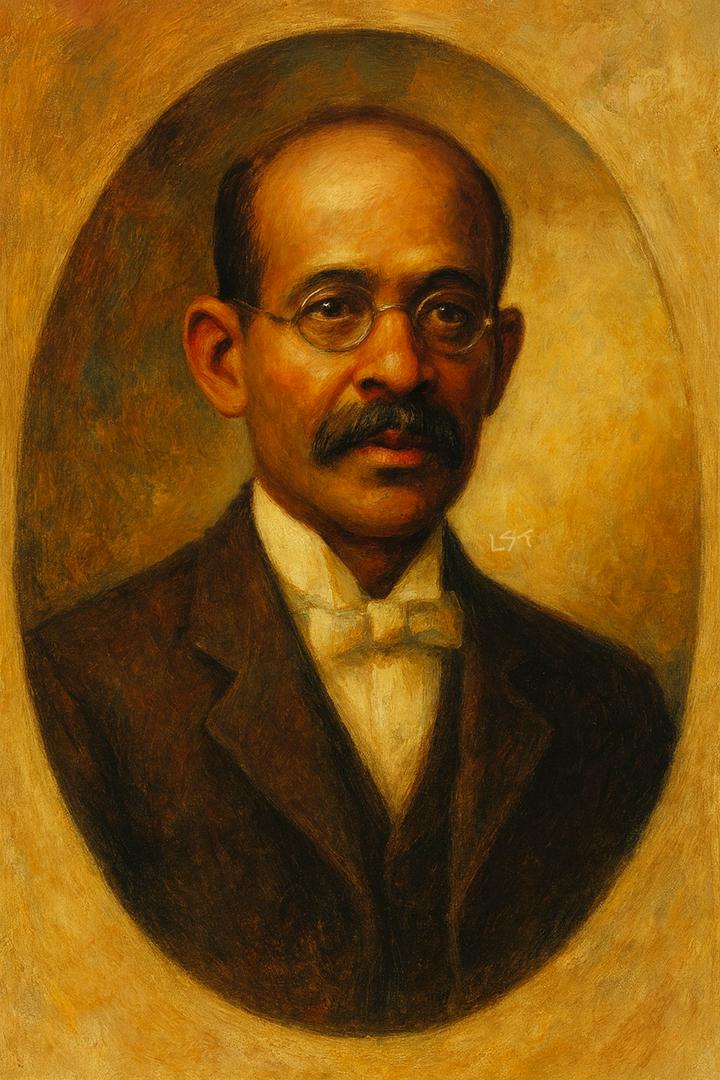
Edwin C. Berry was born in 1854 in Oberlin, Ohio and would grow into one of the most successful Black hoteliers of his era. His story is one of discipline, skill, and a refusal to be boxed in by the limits placed on Black ambition during the late nineteenth and early twentieth century. Berry trained as a barber first, a field where Black men were often able to build steady clientele and earn financial stability. That experience taught him how to read people, manage money, and understand the rhythm of business. Those skills opened the door to something bigger. He moved to Athens, Ohio where he took a bold step. He purchased and transformed a modest boarding house into what became the Hotel Berry, a respected establishment that drew travelers from across the region. At a time when segregation blocked Black travelers from many accommodations, Berry created a place known for its order, comfort, and professionalism. His hotel earned praise from both Black and white patrons which was rare for the period. People noted the elegance of the space and the discipline with which Berry ran it. His success was not just about hospitality. It showed what strong Black leadership looked like during a time when opportunities were limited and racial barriers were constant. Berry built wealth, provided jobs, and raised the standard for what Black owned businesses could achieve. His life stands as a reminder that history is filled with stories of Black excellence that shaped communities long before these contributions were fully acknowledged. Berry’s legacy still inspires people who understand how hard he had to work to build what he built. #EdwinCBerry #BlackHistory #AmericanHistory #AthensOhio #HotelBerry #LataraSpeaksTruth

Tag: AmericanHistory - Page 2 | LocalAll