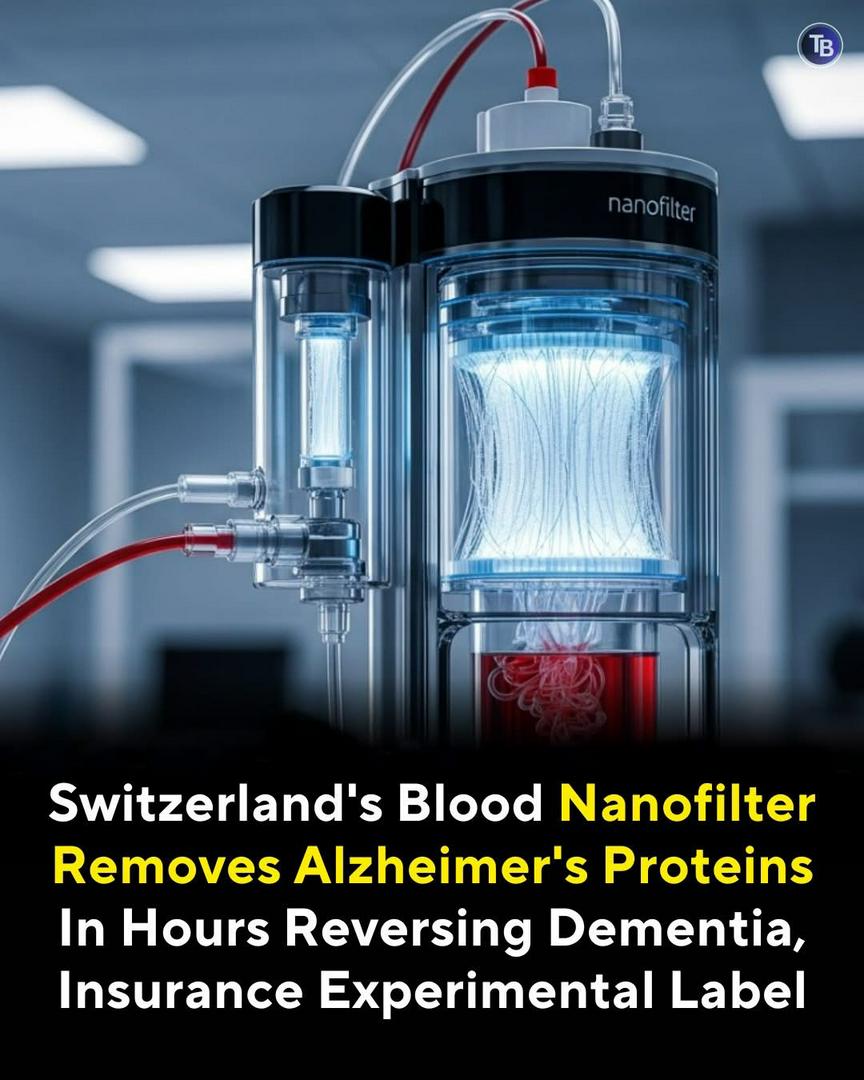
justme +FollowSwiss bioengineers have developed a groundbreaking blood filtration device that utilizes nanofilters to target and remove amyloid-beta and tau proteins, the primary toxic buildups associated with Alzheimer’s disease. In outpatient sessions lasting only four hours, this technology clears these proteins from the bloodstream, leading to normalized brain protein levels. Recent results have shown that patients with moderate dementia experienced measurable cognitive improvement within just weeks of starting the treatment. The technology operates at a molecular level, employing pores sized specifically to capture harmful proteins while allowing essential blood components to pass through undisturbed. This process functions similarly to a highly selective filter, circulating the patient's blood through a specialized cartridge before returning it to the body. By directly removing existing toxic proteins rather than merely attempting to prevent their formation, the system helps the brain reach a healthier equilibrium through the blood-brain barrier. Currently categorized under an experimental label for insurance purposes, the treatment protocol involves twice-weekly sessions for an initial eight-week period, followed by monthly maintenance. This direct extraction method represents a significant shift in neurological care, moving away from traditional pharmaceutical interventions toward mechanical molecular clearance. As the medical community monitors these Swiss trials, the potential to reverse dementia symptoms marks a pivotal moment in biotechnology. #AlzheimersResearch #MedicalInnovation #BioTech811Share
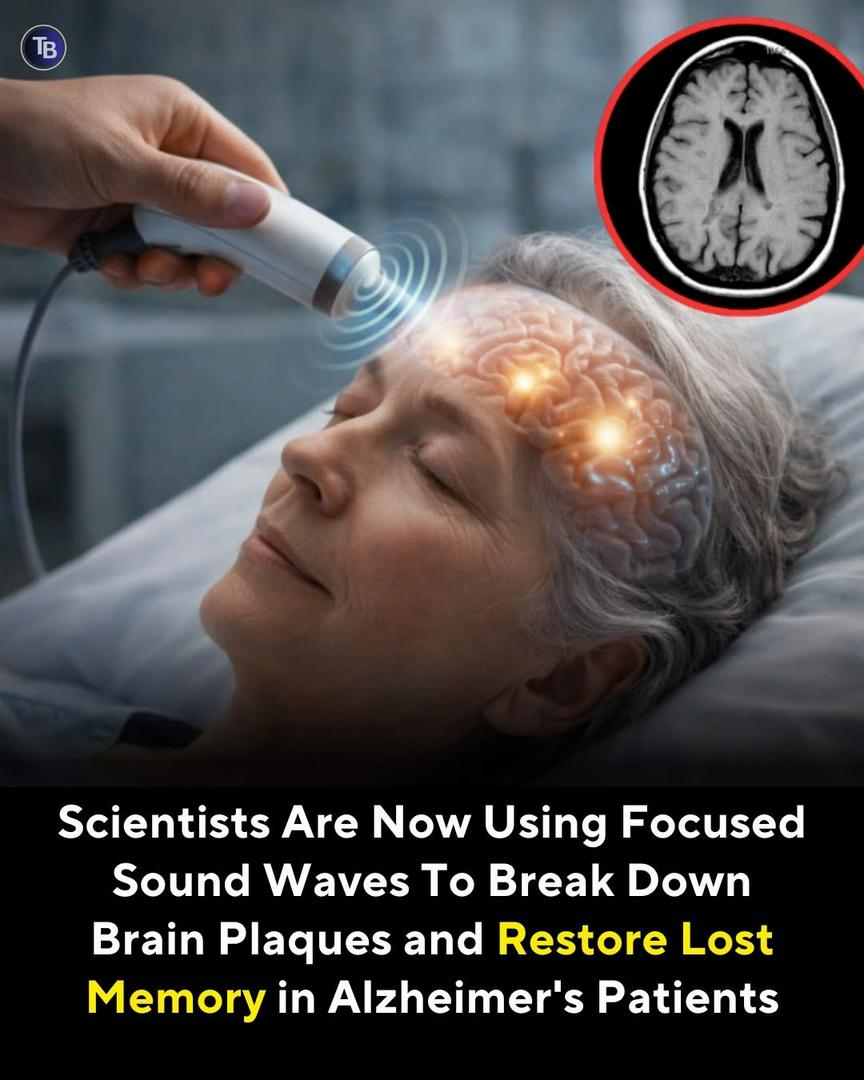
justme +FollowScientists have made a breakthrough in Alzheimer’s research by using focused sound waves—specifically low-intensity ultrasound—to break down toxic brain plaques linked to memory loss. These plaques, mainly composed of beta-amyloid proteins, disrupt communication between neurons and are a core hallmark of Alzheimer’s disease. The technique works by temporarily opening the blood-brain barrier using precisely targeted sound waves. This allows the brain’s natural immune system to clear plaque buildup more effectively, without the need for invasive surgery or high-dose drugs. Early clinical trials have shown improved memory recall and cognitive function in some patients. Unlike traditional treatments that slow symptoms, this method targets the physical cause of degeneration. Researchers emphasize that the treatment is non-invasive and can be repeated safely under controlled conditions. If results continue to scale, sound-based therapy could redefine how neurodegenerative diseases are treated—raising hope that memory loss may no longer be irreversible. #AlzheimersResearch #MedicalBreakthrough #BrainScience #UltrasoundTherapy #FutureMedicine660Share
john24+FollowScientists Find New Alzheimer’s Off SwitchMajor breakthrough alert: scientists just found an enzyme, OTULIN, that acts like a master switch for the genes behind Alzheimer’s and brain aging. When they turned it off in lab-grown neurons, the nasty tau protein (the one that messes up brains in Alzheimer’s) basically vanished—without hurting the cells! It’s not a cure yet, but this could open up a whole new way to fight brain aging and neurodegeneration. Mind = blown! #Health #BodyHealth #AlzheimersResearch260Share
justme +FollowScientists at institutions like the West Virginia University Rockefeller Neuroscience Institute and the University of Oxford are pioneering a non-invasive medical frontier: using focused ultrasound to treat Alzheimer’s disease. This groundbreaking technique uses precision sound waves to temporarily and safely open the blood-brain barrier—a protective layer of cells that usually blocks 98 percent of medications from entering the brain. By briefly loosening this barrier, researchers can deliver higher concentrations of anti-amyloid drugs directly to the regions where they are needed most to clear toxic protein buildup. The mechanism involves injecting microscopic bubbles into the bloodstream, which vibrate when hit by targeted ultrasound waves, creating a temporary "window" in the brain's defenses. Recent clinical trial results published in 2024 and 2025 have shown that this approach can accelerate the reduction of amyloid plaques by over 30 percent compared to traditional drug infusions alone. Remarkably, some studies suggest that the ultrasound pulses may even stimulate the brain's own immune cells, known as microglia, to more aggressively clear out debris and potentially improve cognitive function without additional medication. As of early 2026, the medical community is moving toward larger-scale human trials to confirm these promising results and explore the technology's potential for other neurodegenerative conditions like Parkinson’s and ALS. Because the procedure is non-invasive and the blood-brain barrier typically reseals within 24 hours, it offers a safer, highly targeted alternative to invasive brain surgeries. This innovation represents a paradigm shift in neurology, turning sound into a precise tool that could one day slow the progression of dementia and restore quality of life for millions of families. #AlzheimersResearch #Neuroscience #MedicalBreakthrough390Share
Joseph Bradley+FollowNature’s Secret Weapon vs. Alzheimer’s?Turns out, your body might already be fighting Alzheimer’s with a molecule called spermine—yep, it’s been hiding in your cells all along! Scientists are now obsessed with how natural compounds like spermine, resveratrol (from grapes!), and even basil could help protect our brains from toxic protein clumps. Forget just synthetic drugs—nature’s own chemistry is stealing the spotlight in dementia research. Could the next big Alzheimer’s breakthrough be something we already have inside us? Wild! #Health #BodyHealth #AlzheimersResearch40Share