1/1

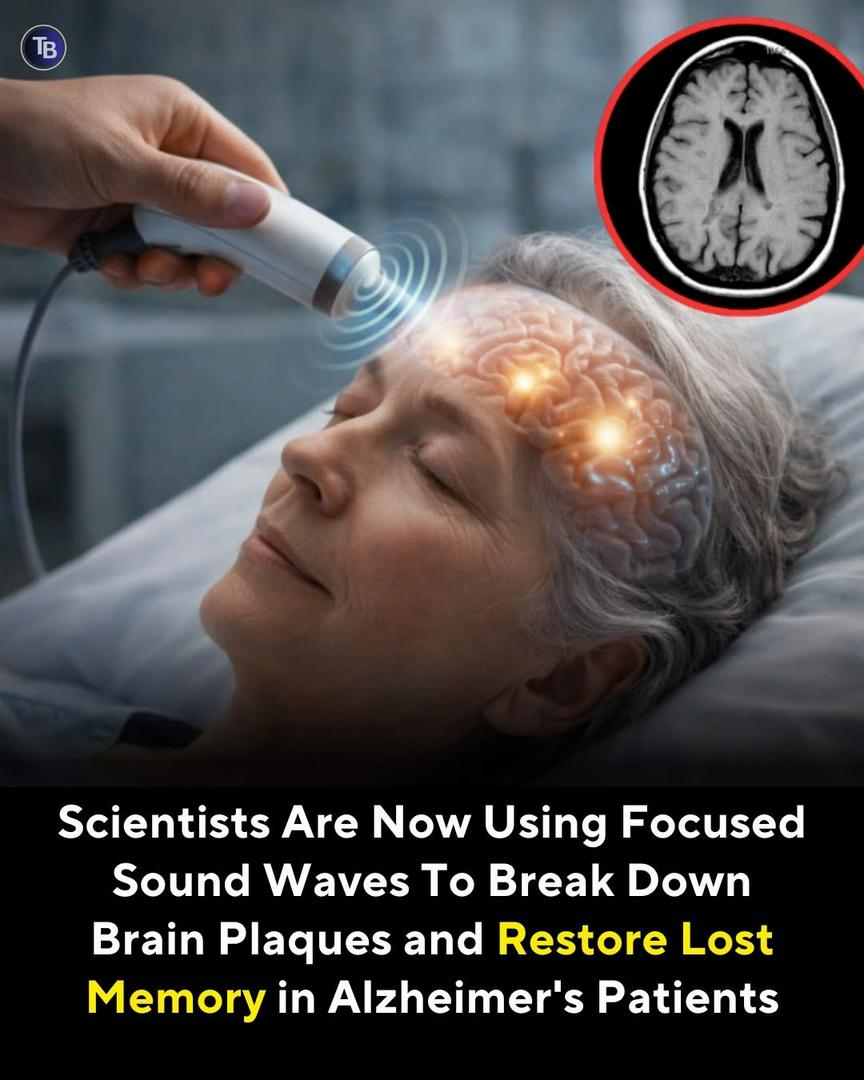
Scientists at institutions like the West Virginia University Rockefeller Neuroscience Institute and the University of Oxford are pioneering a non-invasive medical frontier: using focused ultrasound to treat Alzheimer’s disease. This groundbreaking technique uses precision sound waves to temporarily and safely open the blood-brain barrier—a protective layer of cells that usually blocks 98 percent of medications from entering the brain. By briefly loosening this barrier, researchers can deliver higher concentrations of anti-amyloid drugs directly to the regions where they are needed most to clear toxic protein buildup. The mechanism involves injecting microscopic bubbles into the bloodstream, which vibrate when hit by targeted ultrasound waves, creating a temporary "window" in the brain's defenses. Recent clinical trial results published in 2024 and 2025 have shown that this approach can accelerate the reduction of amyloid plaques by over 30 percent compared to traditional drug infusions alone. Remarkably, some studies suggest that the ultrasound pulses may even stimulate the brain's own immune cells, known as microglia, to more aggressively clear out debris and potentially improve cognitive function without additional medication. As of early 2026, the medical community is moving toward larger-scale human trials to confirm these promising results and explore the technology's potential for other neurodegenerative conditions like Parkinson’s and ALS. Because the procedure is non-invasive and the blood-brain barrier typically reseals within 24 hours, it offers a safer, highly targeted alternative to invasive brain surgeries. This innovation represents a paradigm shift in neurology, turning sound into a precise tool that could one day slow the progression of dementia and restore quality of life for millions of families. #AlzheimersResearch #Neuroscience #MedicalBreakthrough
2026-01-17
write a comment...