Tag Page AbolitionHistory

#AbolitionHistory
LataraSpeaksTruth

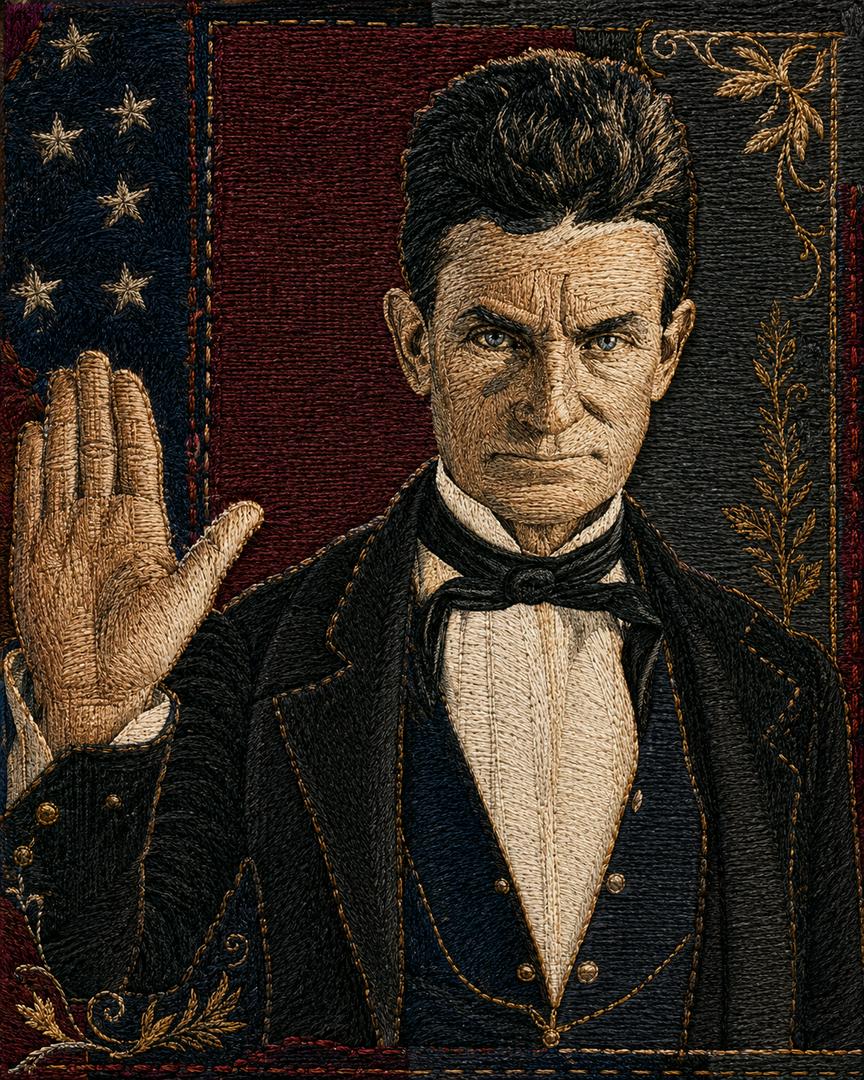
On May 9, 1800, John Brown was born. His name remains one of the most debated names in American abolition history. Brown was a white abolitionist, but his story is deeply connected to Black history because he did not view slavery as a political disagreement. He saw it as a violent system that had to be confronted. At a time when many people opposed slavery with careful speeches, petitions, and gradual arguments, Brown took a much harder position. He believed slavery was an emergency. He supported anti-slavery work, helped people escaping bondage, and became known for his willingness to fight the system directly. His most famous act came in 1859 with the raid on Harpers Ferry. Brown and his followers attempted to seize the federal armory in Virginia, hoping the weapons could help spark a larger uprising against slavery. The plan failed. Brown was captured, tried, and executed. But his death did not end the conversation. To some Americans, John Brown was dangerous and extreme. To others, especially those who understood the brutality of slavery, he was one of the few white men of his era willing to treat human bondage like the moral crisis it was. That is what makes his legacy so uncomfortable. His life forces a hard question: how far is someone willing to go when they claim to believe people should be free? John Brown did not simply oppose slavery in theory. He put his life on the line for that belief. His story is complicated, but it cannot be erased. In a country built on forced labor, profit, and human bondage, Brown became a symbol of resistance that polite society could not easily explain away. More than 160 years after his execution, his name still raises debate because he challenged America to look directly at slavery without softening the truth. #BlackHistory #JohnBrown #AbolitionHistory #OnThisDay #AmericanHistory

LataraSpeaksTruth

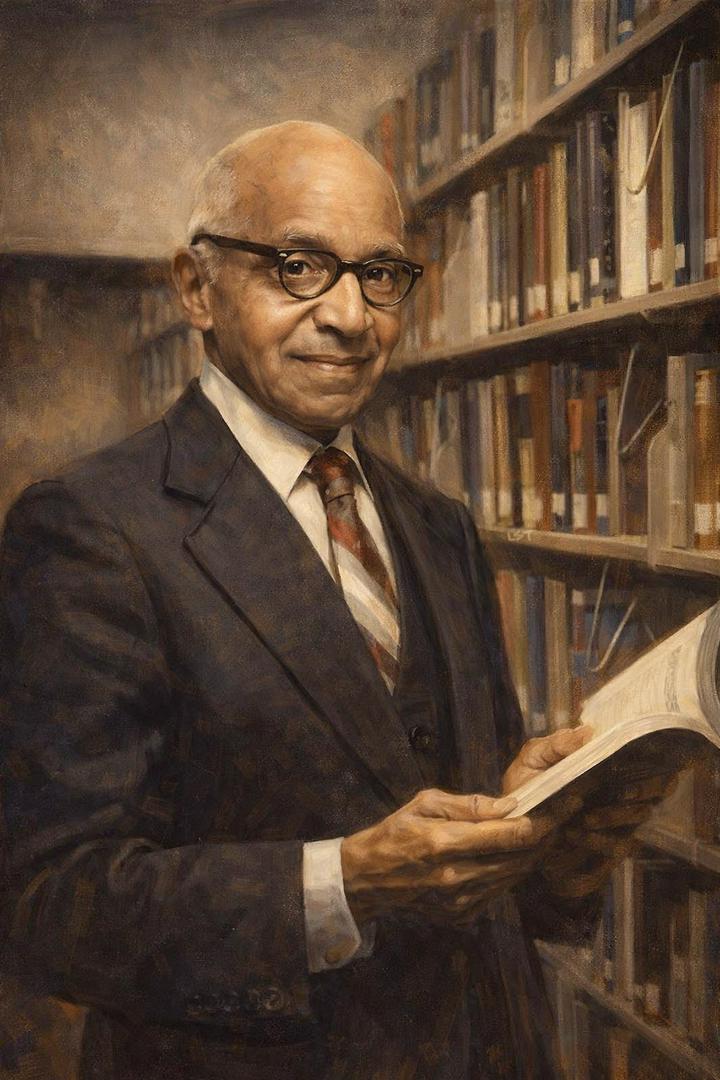
Born January 23, 1904, Benjamin A. Quarles reshaped how American history is understood by insisting on something radical for his time…evidence. At a moment when Black participation in the nation’s founding wars was minimized, distorted, or erased entirely, Quarles documented it with academic rigor that could not be dismissed. His work made clear that Black people were not passive observers of American history but active participants at every critical turning point. Quarles is best known for his groundbreaking scholarship on Black involvement in the American Revolution, the Civil War, and abolitionist movements. In The Negro in the American Revolution, he demonstrated that enslaved and free Black people fought on both sides, negotiated for freedom, served as soldiers, spies, laborers, and strategists, and understood the stakes of liberty long before it was promised to them. This was not symbolic participation…it was material, strategic, and consequential. His later work, including The Negro in the Civil War, further dismantled the false narrative that Black Americans were merely recipients of freedom rather than agents who helped force its arrival. Quarles grounded his arguments in military records, correspondence, pensions, and primary documents, placing Black lives firmly inside the official archive rather than on its margins. What made Quarles especially significant was not only what he proved, but how he proved it. He operated inside the academy with discipline and restraint, producing scholarship that met the highest standards while challenging the foundations of historical exclusion. His work became required reading not because it was provocative, but because it was undeniable. Benjamin A. Quarles did not write history to inspire sentiment. He wrote it to correct the record. And once corrected, that record could no longer pretend that freedom arrived without Black hands helping to build it. #BenjaminAQuarles #OnThisDay #AmericanHistory #AbolitionHistory

LataraSpeaksTruth

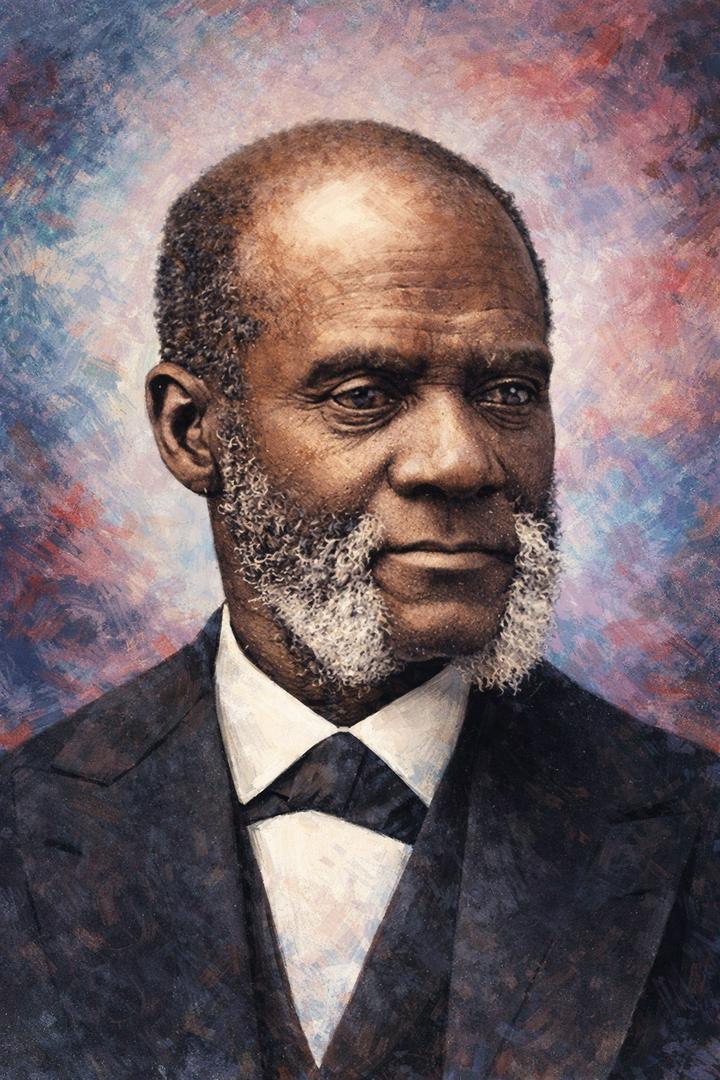
Henry Highland Garnet died in 1882, but the ideas he left behind never softened with time. Born into slavery in Maryland, Garnet escaped with his family as a child and grew into one of the most uncompromising voices of the abolitionist movement. Unlike many reformers who relied primarily on moral persuasion, Henry Highland Garnet spoke directly to those still enslaved and urged resistance to bondage, including the possibility of physical resistance when submission meant permanent captivity. His most famous address, delivered in 1843 and titled An Address to the Slaves of the United States of America, openly called on enslaved people to reject submission and reclaim their freedom themselves. At the time, this message was considered dangerous even among abolitionists. Many feared it would provoke violence or undermine gradual reform efforts, while others believed it crossed a line they were unwilling to approach. The speech was controversial enough that it was rejected by the National Negro Convention when first presented. Garnet’s position placed him at odds with more widely accepted figures of the era, yet it reflected a reality many were reluctant to confront. Enslavement was enforced through violence, and appeals to conscience alone had failed to dismantle it. Garnet did not glorify suffering or chaos. He questioned whether a system built on force could be undone without confrontation. After emancipation, Garnet continued in public service and, in 1881, was appointed United States Minister Resident and Consul General to Haiti, becoming one of the earliest African American diplomats to serve abroad. His life traced a full arc from enslavement to international representation, but it is his refusal to temper his words for comfort that keeps his legacy uneasy. Garnet forces an enduring question. When injustice is absolute, what forms of resistance are considered acceptable, and who gets to decide where that line is drawn. #HenryHighlandGarnet #AbolitionHistory

You've reached the end!
Tag: AbolitionHistory | LocalAll