1/2
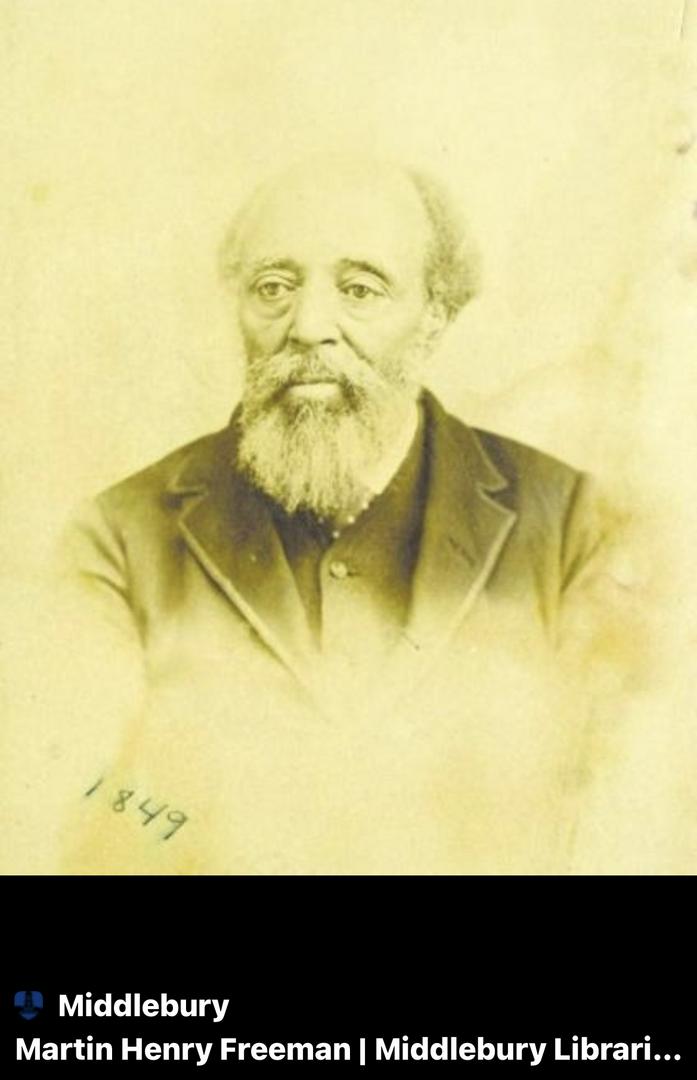
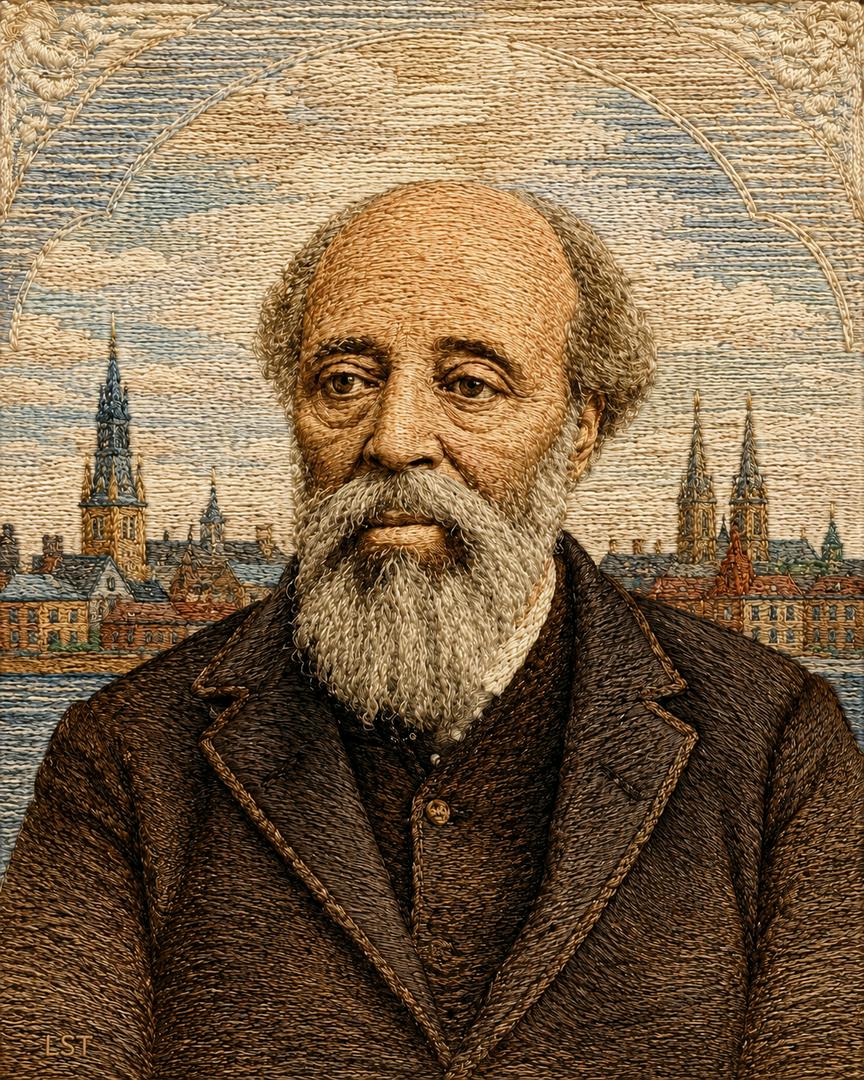
On May 11, 1826, Martin Henry Freeman was born in Rutland, Vermont. His name belongs in the history of American education, not as a footnote, but as a milestone. Freeman is remembered as the first African American college professor in U.S. history and the first African American to lead a college in the United States. At a time when slavery still existed and Black intellectual ability was constantly questioned, Freeman built a life around education, discipline, and achievement. He attended Middlebury College in Vermont and graduated in 1849. He was so accomplished that he delivered the salutatory address at commencement. After graduation, Freeman moved to Pittsburgh, Pennsylvania, where he became a professor at the Allegheny Institute, a school created to educate African American students. The institution later became Avery College. Freeman taught subjects including mathematics and science, proving through his work that Black scholarship could not be dismissed, ignored, or reduced. In 1856, Freeman became president of the school. That appointment made him one of the most important figures in the early history of Black higher education. Before many Black Americans even had legal access to basic education, Freeman was standing at the front of a college classroom and later leading an institution. His story also carries a complicated truth. Freeman lived in a country where even excellence could not protect Black people from racism. Like some other Black leaders of his era, he supported emigration to Liberia, believing it might offer greater opportunity and self-determination. In the 1860s, he moved to Liberia, where he continued teaching and later became connected to Liberia College. Martin Henry Freeman’s legacy is about more than titles. It is about Black intellectual authority during a time when society tried to deny it. He was not waiting for permission to be brilliant. He was already qualified. And history should remember that. #BlackHistory #history
Rutland, Vermont • 22 days ago
write a comment...