1/1

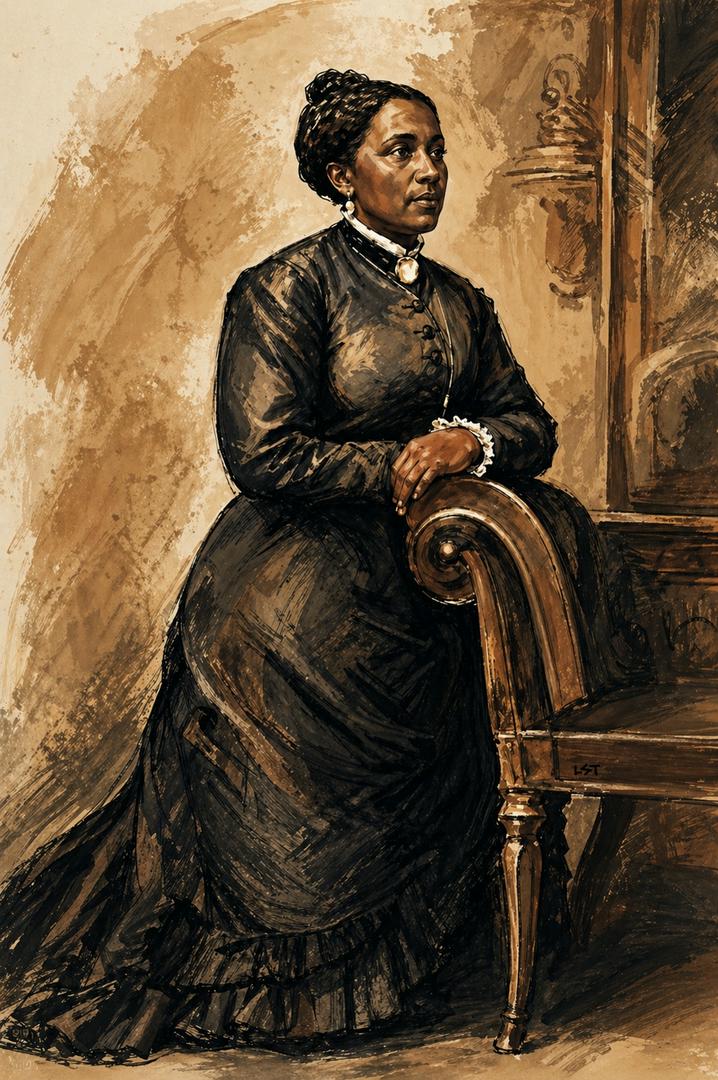
Elizabeth Jennings Graham did not wait for 1955 to challenge segregation on public transportation. She did it in New York City in 1854. Jennings was a young Black schoolteacher and church organist. On July 16, 1854, she was on her way to the First Colored Congregational Church with her friend Sarah Adams when she boarded a Third Avenue Railroad streetcar at Pearl Street and Chatham Street. The conductor ordered her to leave and wait for a car meant for Black passengers. Jennings refused. She was not breaking a public law. She had entered a streetcar as a paying passenger and expected to ride like anyone else. But the conductor tried to force her off, and a police officer later helped remove her from the car. The incident outraged New York’s Black community. Jennings’ case became bigger than one woman being thrown from a streetcar. It became a direct challenge to racial discrimination in public transportation. Jennings sued the driver, the conductor, and the Third Avenue Railroad Company. Her attorney was Chester A. Arthur, who would later become president of the United States. In 1855, the court ruled in her favor. Judge William Rockwell told the jury that Black passengers, if sober, well-behaved, and free from disease, had the same right to ride as other passengers. Jennings was awarded $250 in damages and $22.50 in costs. After the verdict, the Third Avenue Railroad Company desegregated its cars. The case did not end segregation on every New York streetcar line overnight, but it helped push the fight forward. By 1865, New York City’s public transit system was fully desegregated. Elizabeth Jennings Graham’s story matters because public transportation resistance did not begin with Rosa Parks. Parks’ stand in Montgomery was historic, but Jennings had fought a similar battle almost a century earlier. History did not start where school told us it started. Sometimes it started with a young Black teacher refusing to step off a streetcar. #AmericanHistory
New York, New York • 2026-05-01

Brandon Lopez
n x uz💕
30d
Lancaster, PA
Reply
More comments ...
write a comment...