1/1
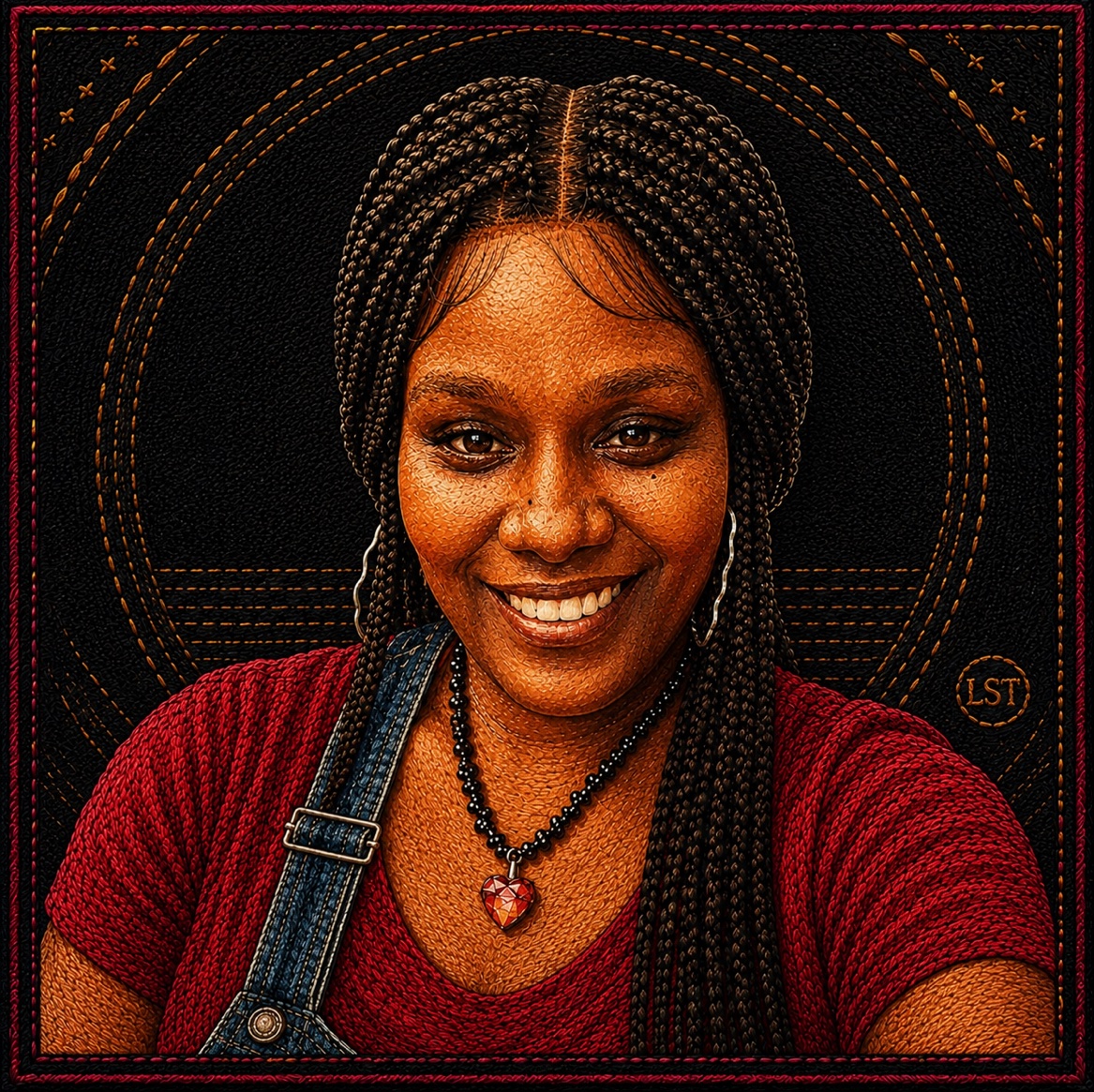
DeFord Bailey Sr. broke one of the most unlikely barriers in American music history when he became a regular performer on the Grand Ole Opry in the mid-1920s. At a time when segregation shaped nearly every public space in the country, Bailey stood alone as the first and only Black artist to perform regularly on what would become the most influential stage in country music. His presence wasn’t symbolic. It was earned. Born in 1899 in Smith County, Tennessee, Bailey was a harmonica virtuoso whose sound captured rural life with startling realism. He could imitate trains, fox hunts, birds, and everyday sounds so vividly that audiences swore they were hearing the real thing. His signature piece, “Pan American Blues,” became an early Opry favorite and helped shape the program’s identity during its formative years, long before country music was packaged as a genre. Bailey joined the Opry through WSM radio in Nashville, where listener response made him one of the show’s biggest attractions. Yet his success existed inside a contradiction. He was paid less than many white performers and was later removed amid disputes over publishing rights and business control, a reminder that talent alone did not protect artists once power entered the picture. As country music hardened into a marketable identity, its early messiness, its Black innovators, blended sounds, and inconvenient truths, was smoothed over, leaving pioneers like Bailey outside the story they helped create. After leaving the Opry, Bailey’s career slowed, and his contributions were largely erased for decades. Today, his legacy stands as proof that country music was never as narrow as history later pretended it was. DeFord Bailey didn’t just perform on the Grand Ole Opry. He helped build it. #DeFordBailey #GrandOleOpry #AmericanMusicHistory #CountryMusicOrigins #MusicPioneers #HiddenHistory #RadioHistory #NashvilleHistory
2025-12-28

William
This really is sad. Because this is your original homeland and you are described as the the first to this or that. From people who have stolen your money,land, mineral and resources. And murdered everyone for it to call there home.🤔
12-29
Philadelphia, PA
Reply

SedyRedy
💯🌞🌹👊✊👼🙏👍🫡
12-29
Milwaukee, WI
Reply
More comments ...
write a comment...