Is Modern Feminism Still Necessary?
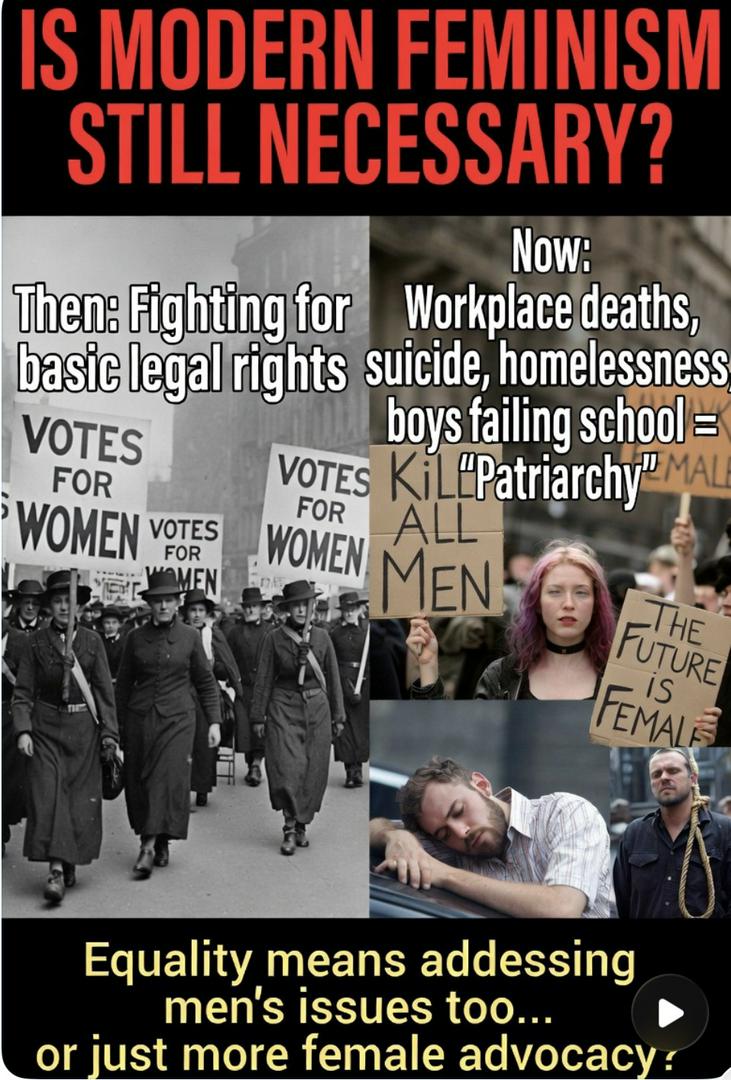
For much of the last century, feminism played an important role in expanding opportunities for women. Women fought for the right to vote, own property, pursue careers, attend college, and participate fully in society. Those achievements helped shape the modern world.
Today, however, many people are asking a different question: Has feminism already accomplished its original mission?
In most Western countries, women now have the same legal rights as men. Women attend college in large numbers, own businesses, hold public office, and can pursue virtually any career they choose. In many industries, companies actively encourage female hiring and promotion.
At the same time, serious challenges facing men often receive far less attention. Men account for most workplace deaths, most homelessness, and the vast majority of suicides. Boys are falling behind girls in many educational categories, and family court outcomes remain a concern for many fathers.
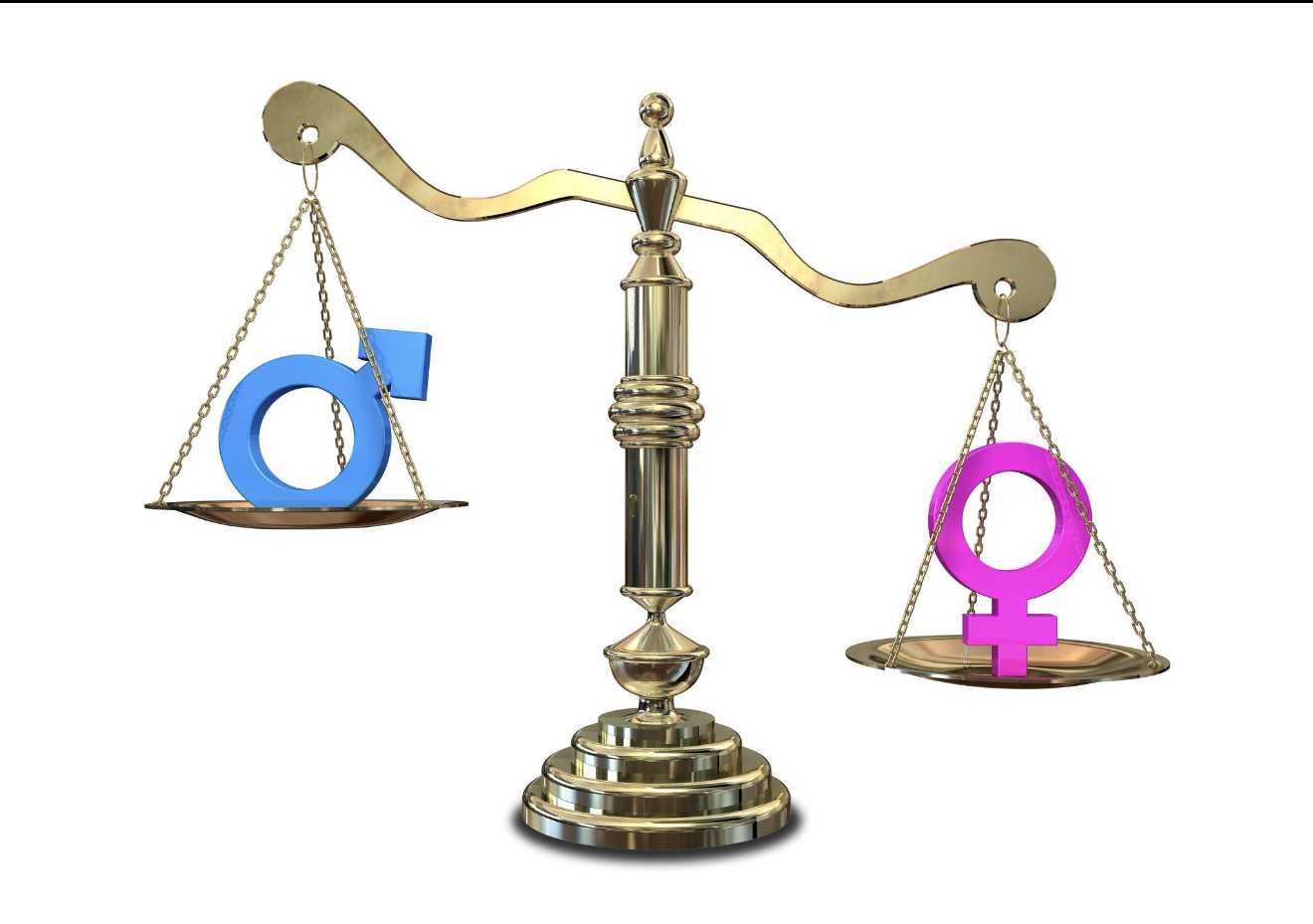
This raises an important question: If equality is the goal, why do conversations about gender focus so heavily on women’s issues while men’s struggles are often overlooked?
Critics argue that modern feminism has shifted away from equal rights and toward advocacy focused primarily on women. Supporters disagree, saying women still face unique challenges involving safety, social expectations, and representation.
The reality may be more complicated than either side admits.
A fair society should be capable of addressing problems faced by both men and women. Supporting one group should not require ignoring the other.
Whether you believe feminism remains necessary or believe it has largely achieved its goals, the discussion is worth having. Equality should mean being willing to acknowledge everyone’s challenges, not just the ones that fit a particular narrative.
What do you think? Has modern feminism become outdated, or does it still serve an important role in today’s society?