The Beacon: A Real-Life Superhero Lighting the Way Through Community Service
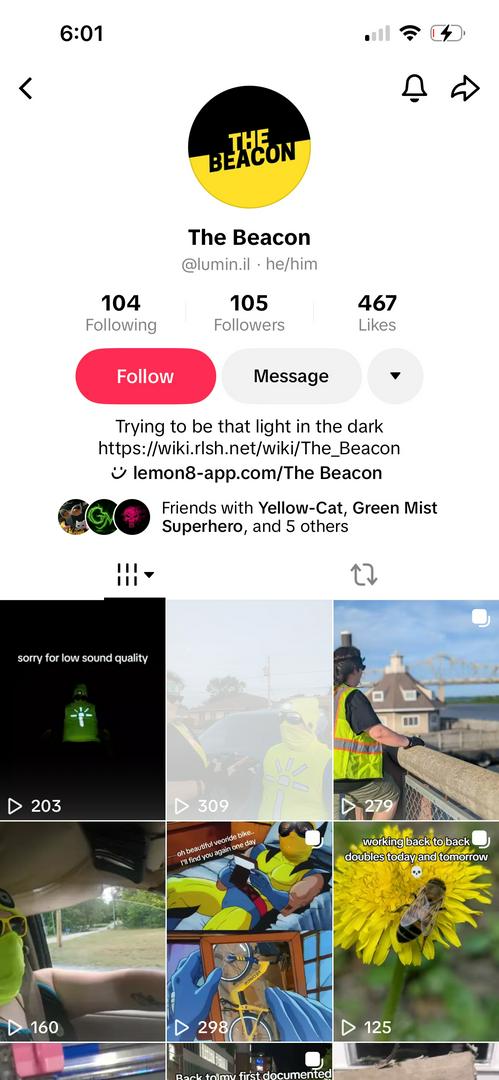
In the Real Life Superheroes (RLSH) community, where many adopt dramatic personas inspired by comic book crime-fighters, The Beacon offers a more grounded presence. Operating as @lumin.il across platforms like TikTok, he aims “to be that light in the dark,” using high-visibility gear for community watches, environmental awareness, and simple acts of kindness rather than confrontation.
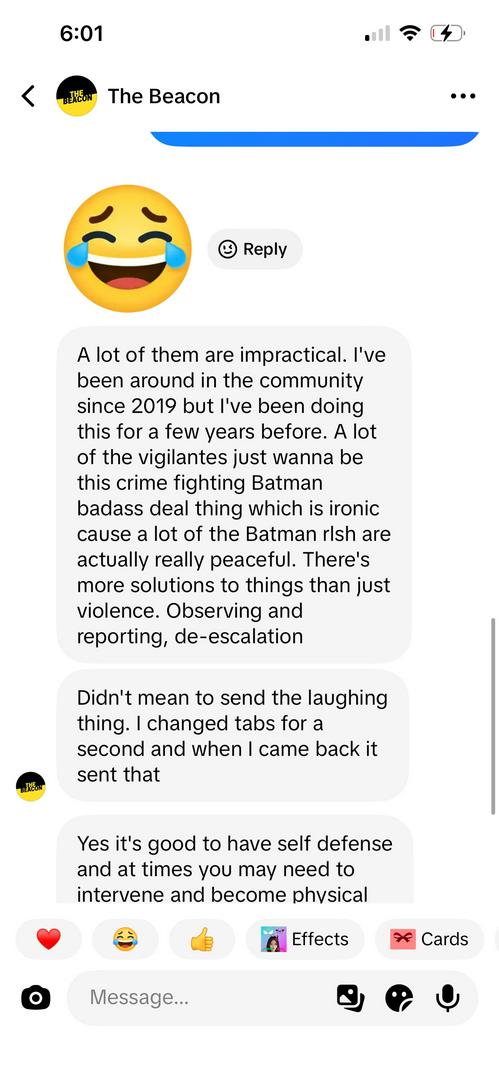
In an exclusive interview, The Beacon was straightforward about his views on the broader vigilante side of the RLSH movement. “A lot of them are impractical,” he explained, drawing from years of involvement since around 2019. He observed that many chase a “crime-fighting Batman badass” fantasy, which he finds ironic given that several Batman-inspired RLSH members are actually quite peaceful. Instead of violence or showy vigilantism, he prioritizes practical approaches: observing, reporting issues, and de-escalation. “There’s more solutions to things than just violence,” he noted.
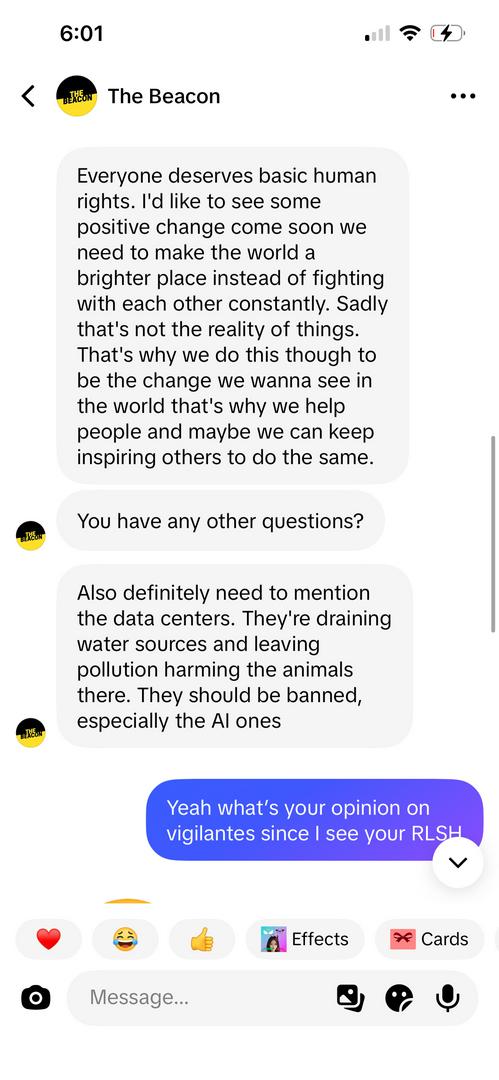
The Beacon stressed the importance of positive impact. “Everyone deserves basic human rights,” he said. “I’d like to see some positive change… we need to make the world a brighter place instead of fighting with each other constantly.” For him, being a superhero means helping people directly and inspiring others to contribute, whether through community support or highlighting environmental concerns.
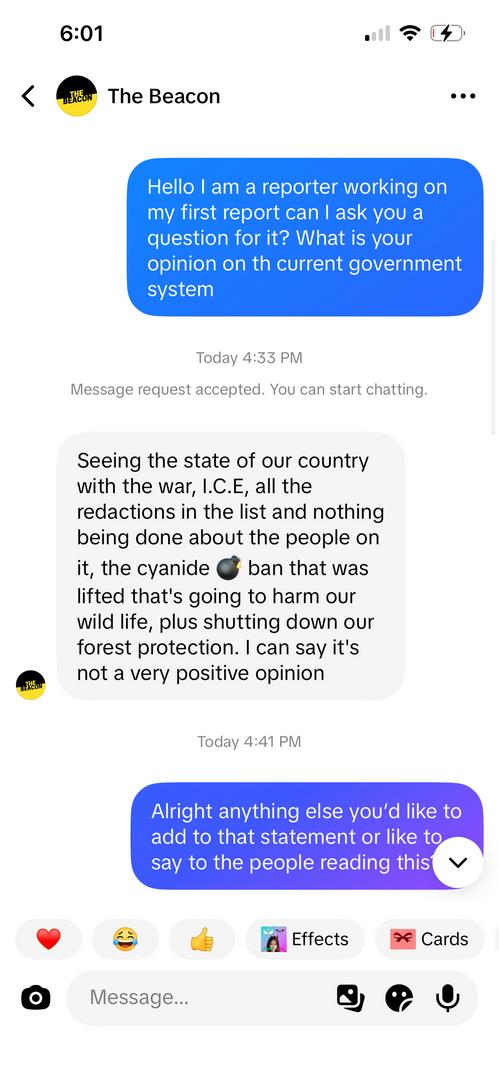
He voiced worries about issues like data centers draining water sources, causing pollution, and harming wildlife, calling for bans—especially on AI-related facilities. On the current government system, his opinion is notably critical, citing ongoing conflicts, policy rollbacks on environmental protections, and decisions that could damage ecosystems as reasons for concern.
The Beacon’s philosophy stands apart in the RLSH world: less about playing vigilante, more about steady, visible help and creating real change.