Category Page news

Andrew_Brown

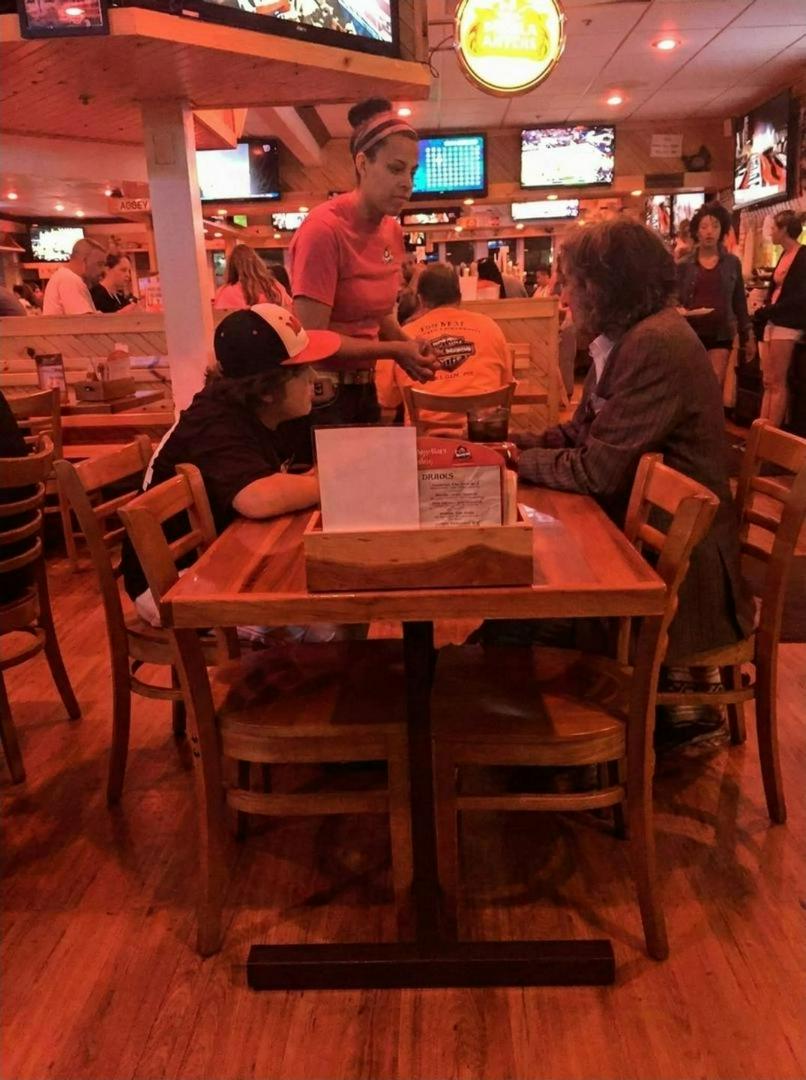
"This homeless man just walked into Roosters. sat down and ordered a Coke. The waitress asked if he wanted anything to eat and he said 'sorry I have money for only a coke and a dollar tip for you. Before the waitress could jump in and offer him food on her, a little boy from a nearby table came and sat down. He talked to the old guy, asked him how he was. Then grabbed the menu and said 'I have money. So pick something to eat and I will buy it for you. The man refused cause he didn't want to seem helpless. That's when the server jumped in and also said 'sir I will buy you anything you want as well.' They both pleaded to the man for 5 minutes before he agreed to get a small order of wings. The point? America that we know and love isn't dead. There is still positiveness and kindness in this world." Credit to the respective owner

justme

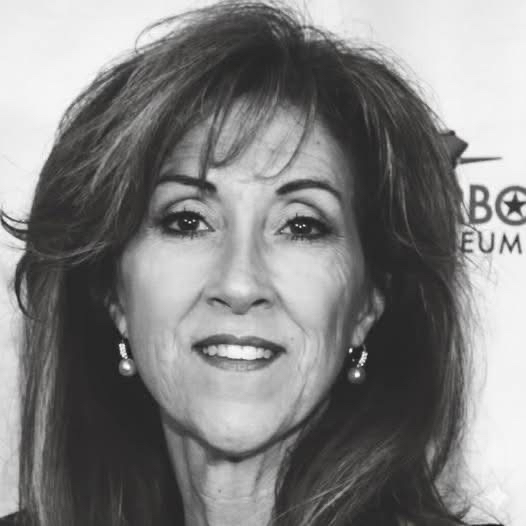
The plane was disintegrating at 32,000 feet. Her voice on the radio sounded like she was ordering lunch. . One hundred forty-nine people settled into their seats. Flight attendants served drinks. The Boeing 737 reached cruising altitude. Everything was routine. Then the left engine exploded. The blast was so violent that Captain Tammie Jo Shults thought they had hit another aircraft. Metal shrapnel tore through the fuselage like bullets. Window 14A shattered instantly. The cabin depressurized with devastating force, air screaming outward at hundreds of miles per hour. Jennifer Riordan, seated at that window, was partially sucked toward the opening. Passengers lunged for her, grabbing her legs and torso, fighting against physics itself to pull her back inside. Oxygen masks dropped. Alarms screamed. The plane rolled violently left and pitched into a dive. Smoke filled the cockpit. Below, in the cabin, passengers sent what they believed were their final messages. "I love you." "Tell the kids I'm sorry." Flight attendants shouted instructions through chaos. Many were certain the aircraft was breaking apart mid-air. The noise was deafening. Systems were failing. One engine was destroyed. Part of the fuselage was gone. And in the middle of this nightmare, Tammie Jo Shults picked up the radio. Her voice was perfectly calm. "Southwest 1380, we're single engine," she said, as casually as if reporting a minor maintenance issue. "We have part of the aircraft missing, so we're going to need to slow down a bit." Air traffic controllers asked if the plane was on fire. "No, it's not on fire," she replied evenly. "But part of it's missing. They said there's a hole, and someone went out." No panic. No fear. Just information delivered with surgical precision. Air traffic control would later say they couldn't believe what they were hearing. Her heart rate, checked by medics

Joseph Robinson

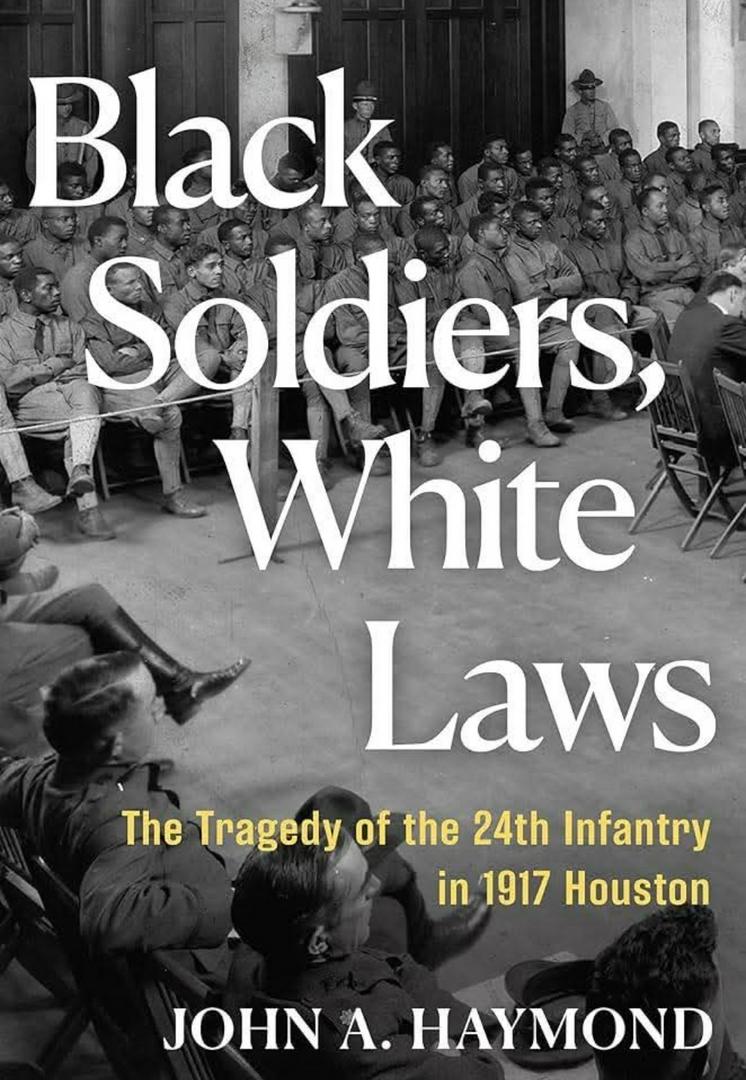
The first full and definitive narrative of one of the most shocking and largely unknown events of racial injustice in US history: the execution of nineteen Black soldiers in Texas On the sweltering, rainy night of August 23, 1917, one of the most consequential events affecting America’s long legacy of racism and injustice began in Houston, Texas. Inflamed by a rumor that a white mob was arming to attack them, and after weeks of police harassment, more than 100 African American soldiers of the 3rd Battalion, 24th Infantry Regiment, took their weapons without authorization and, led by a sergeant, marched into the largely Black San Felipe district of the city. Violent confrontations with police and civilians ensued and nineteen lives were lost. The Army moved quickly to court-martial 118 soldiers on charges of mutiny and murder, even though a majority of the soldiers involved had never fired their weapons. Inadequately defended en masse by a single officer who was not a lawyer and had no experience in capital cases, in three trials undermined by perjured testimony and clear racial bias, and confronted by an all-white tribunal committed to a rapid judgment, 110 Black soldiers were found guilty—despite the fact that no mutiny had, in fact, taken place. In the predawn darkness of December 11, thirteen of them were hanged at Fort Sam Houston in San Antonio—hastily and in secret, without any chance to appeal. News of the largest mass execution in the Army’s history outraged the country and inspired preventive legislation; and yet six more Black soldiers were executed in early 1918 and the rest were sentenced to life in prison. The Houston Incident, as it became known, has remained largely untold, a deep stain on the Army’s record and pride. Award-winning historian and Army veteran John A. Haymond has spent six years researching the events surrounding the Incident and leading the efforts that ultimately led, in November 2023, to the largest act of retroactive clemency in

PRX NEWS

16 YEAR OLD ALINA CRUZ DIES FROM CAR CRASH AFTER ARIVING LATE… 🚘 At 9:42 p.m., 16-year-old Alina Cruz left her friend’s house after a quiet movie night, still holding the half-finished bag of candy they’d been sharing. She texted her mom as she turned onto Maple Street: “I’m almost home ❤️.” It was only a three-minute walk. She never made it. Witnesses say a speeding car came down the street without slowing, the sound of tires screeching cutting through the night. By the time anyone reached the sidewalk, Alina was lying just a few houses away from her own front door. Her phone had slipped from her hand, the screen still lit up with that final message—delivered, but never answered. Her mother, Elena Cruz, had been standing in the kitchen waiting, her daughter’s favorite late-night snack already set out on the counter. “She always told me when she was close,” she said, holding back tears. “I saw the message and thought, okay, she’ll be here any second.” Minutes turned into an hour. Calls went unanswered. By the time there was a knock on the door, everything had already changed. Neighbors have since placed candles and flowers along the curb where it happened. Friends describe Alina as quiet but kind, someone who never forgot birthdays and always walked others home first, even if it made her own trip longer. Her backpack now sits untouched by the front door, her shoes still kicked off by the stairs like she had just come home—except she didn’t. Police are still searching for the driver, who left the scene. Meanwhile, a family is left staring at a message that was supposed to mean “I’m safe.” Instead, it became the last thing she ever said

Kevin_Rockmore

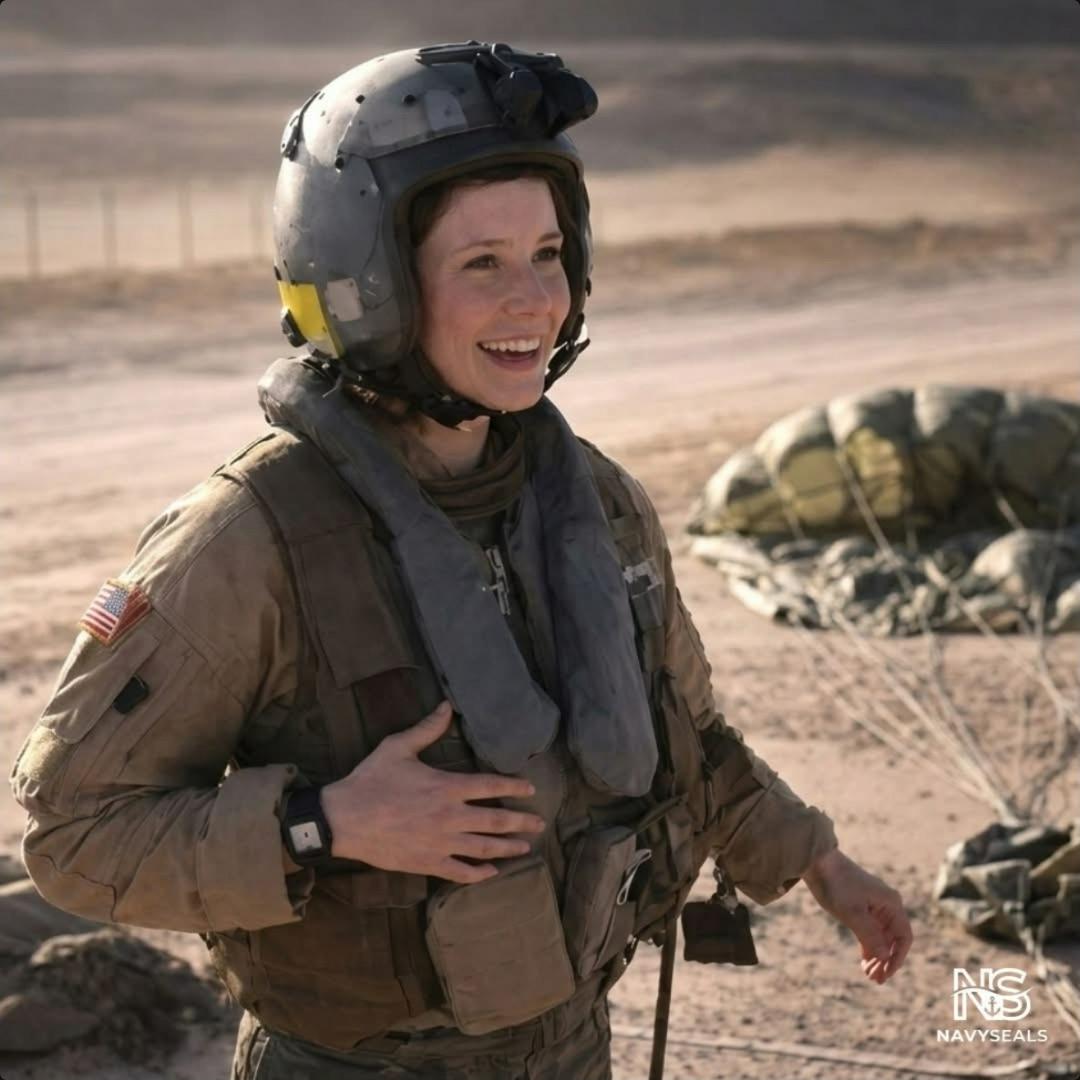
When her F-1 5E Strike Eaqle was accidentally brought down in a friendly-fire incident, a U.S. Air Force pilot eiected safely and parachuted into Kuwait. She had no way of knowing what would be waiting for her when her boots touched the ground She landed in unfamiliar terrain - in the middle of uncertainty What happened next is the part that deserves to be remembered Video taken by bystanders shows local Kuwaitis runnina toward her. Not with hostility. Not with anger. But with concern. One man can be heard urgently asking if she was okay, if she needed help. His voice carried worry - and compassion. At one point, he even thanked her for helping them In the middle of conflict and political tension, ordinary people chose humanity. At a time when entire nations, religions, and cultures are too often reduced to stereotypes, that moment offered a powerful reminder: kindness does not belong to one flag, one faith, or one people Compassion has no border Kuwait is a Muslim-majority country. The men who rushed to assist that American pilot were Muslims. But in that moment what defined them was not religion or geopolitics - it was empathy They saw someone vulnerable And they responded The headlines we see most often focus on division and violence. Yet far more common - and far less reported - are simple acts of decency. Strangers stepping forward People recognizing shared humanity even in uncertain times. A pilot descending from the sky, met not with hostility but reassurance, tells a deeper story: beneath the noise of global conflict most people simply want safety, dignity, and peace. Kindness crosses borders It transcends language It outshines politics. And sometimes, in the places we least expect it, it shines the brightest.

✅CHAUNCEY HARRIS USA

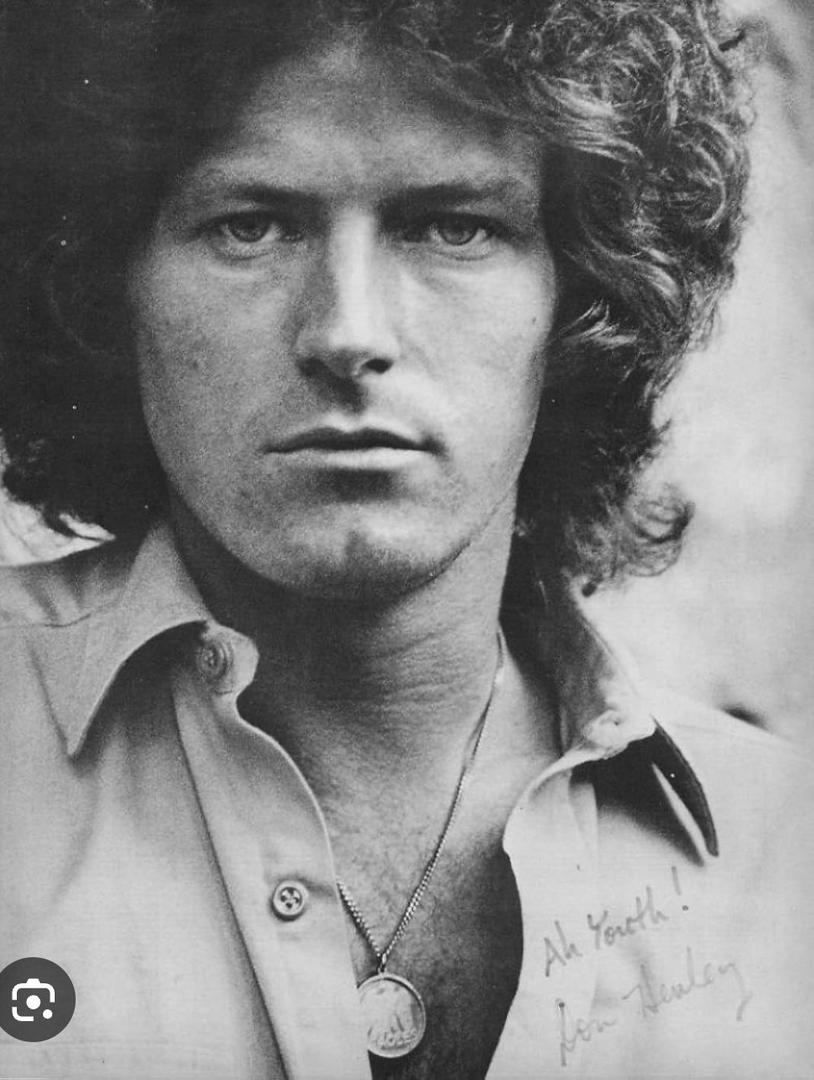
Did You Know The Eagles’ Don Henley Was Arrested After a 16-Year-Old Overdosed in His Home?

In November 1980, The Eagles co-founder and drummer Don Henley made headlines for one of rock’s most shocking scandals. Police were called to his Los Angeles home after finding a 16-year-old girl suffering from a drug overdose. Reports revealed that she was discovered naked and semi-conscious, surrounded by drug paraphernalia. Henley, who was 33 at the time, was arrested and charged with contributing to the delinquency of a minor and possession of cocaine, quaaludes, and marijuana. He later pleaded no contest, avoiding jail time through a fine and probation. The event came shortly after The Eagles disbanded, adding to the chaos surrounding his career. Despite the seriousness of the charges, Henley’s fame and influence helped him recover quickly. By the mid-1980s, he was topping charts again as a solo artist. The 1980 incident, however, remains a dark reminder of how celebrity privilege once shielded stars from accountability. #DonHenley #TheEagles #HollywoodScandal #MusicHistory #RockControversy #ChaunceyDatGuy

Did You Know The Eagles’ Don Henley Was Arrested After a 16-Year-Old Overdosed in His Home?Did You Know The Eagles’ Don Henley Was Arrested After a 16-Year-Old Overdosed in His Home?Did You Know The Eagles’ Don Henley Was Arrested After a 16-Year-Old Overdosed in His Home?Did You Know The Eagles’ Don Henley Was Arrested After a 16-Year-Old Overdosed in His Home?
Category: News - Page 7 | LocalAll