Category Page health

justme

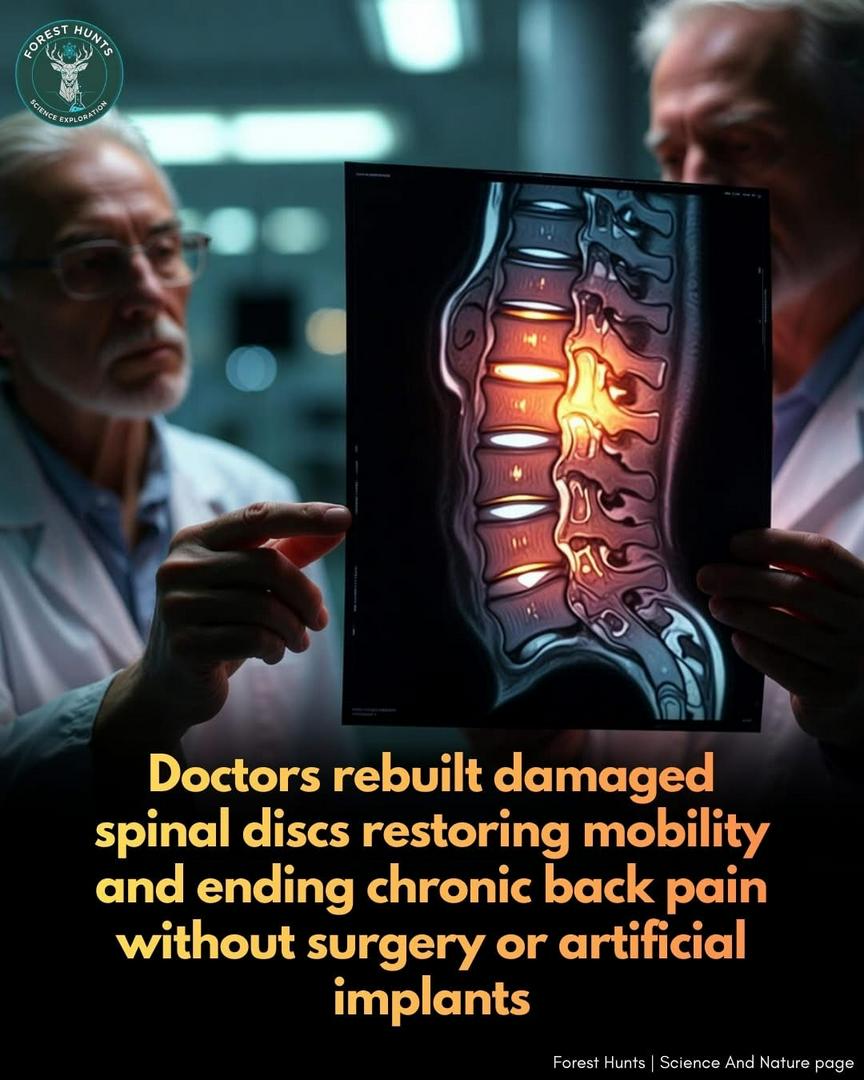
Doctors Rebuilt Damaged Spinal Discs Allowing Patients to Walk Without Surgery Back pain caused by spinal disc degeneration affects hundreds of millions worldwide. Once discs collapse or tear, surgery was often the only option, carrying risk and limited success. Doctors have now rebuilt damaged spinal discs using regenerative therapy, allowing patients to regain movement without invasive procedures. The treatment injects biologically engineered material combined with growth signals directly into damaged discs. This material mimics natural disc structure and stimulates surrounding cells to rebuild cartilage and cushioning tissue. Over months, the disc regains height, flexibility, and shock absorption. Patients reported reduced pain, restored mobility, and improved posture. Orthopedic specialists believe this could eliminate many spinal surgeries. Degenerative disc disease may become treatable at early stages. Instead of removing damaged structures, medicine may restore them. Chronic back pain could shift from lifelong burden to reversible condition. #SpineHealth #RegenerativeMedicine #MedicalInnovation #PainRelief #FutureHealthcare

Hatter Gone Mad

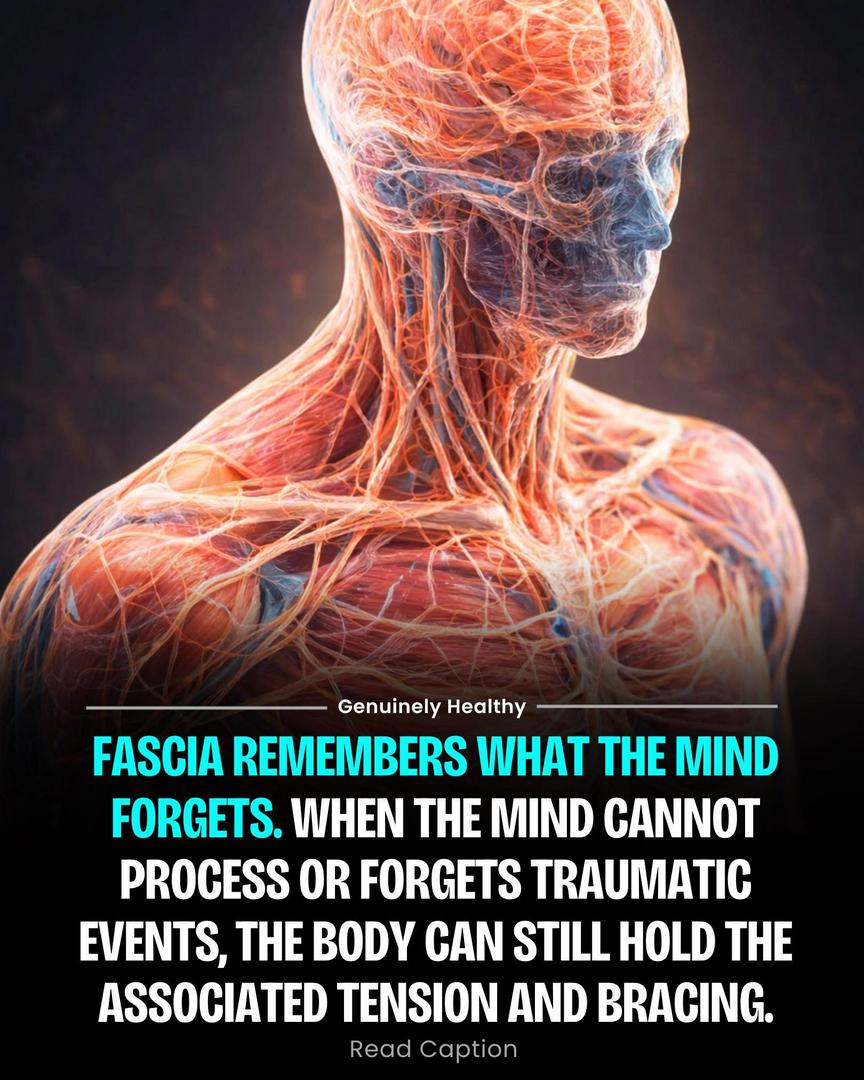
“Fascia remembers what the mind forgets,” a concept often attributed to Dr. Robert Schleip, suggests that the body’s connective tissue can store traces of physical and emotional experiences long after the conscious mind has moved on. Fascia acts as a sensory network, holding patterns of tension related to past injuries, stress, or unresolved emotions such as fear, anger, or grief. Even when we are no longer mentally aware of these experiences, the body may continue to express them through tightness, discomfort, or restricted movement. This idea highlights why body-based practices like yoga, breathwork, deep tissue massage, and myofascial release can be powerful—not only for physical relief but also for emotional release—supporting a more holistic approach to healing that involves both mind and body. #Facebookrepost

justme

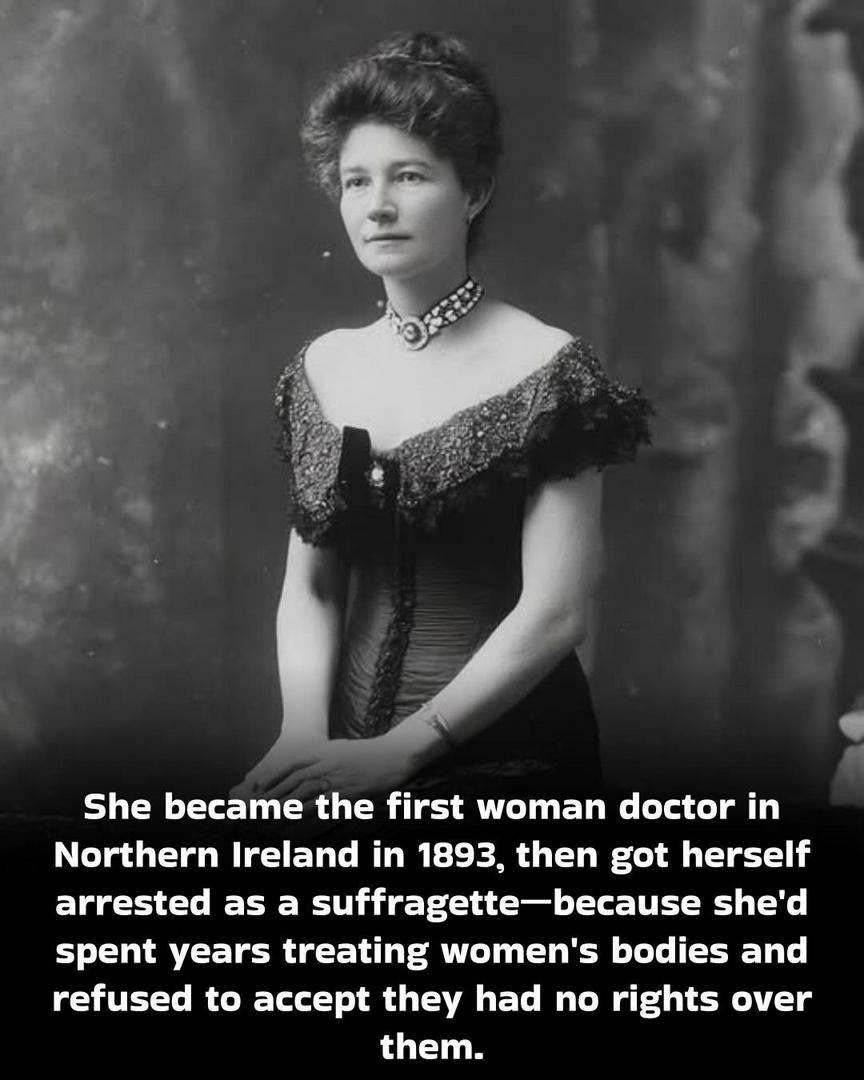
She became the first woman doctor in Northern Ireland in 1893, then got herself arrested as a suffragette—because she'd spent years treating women's bodies and refused to accept they had no rights over them. Belfast. 1889. Elizabeth Gould Bell walked into the lecture theatre at Queen's College Belfast knowing every eye would be on her. Not because she was late. Not because she was unprepared. Because she was a woman in a room built to exclude her. The medical students—all men—stared. Some whispered. Some smirked. The message was clear: you don't belong here. Elizabeth sat down, opened her notebook, and began taking notes on anatomy. She was twenty-two years old. She had no intention of leaving. Medical education in 1889 was designed to keep women out. Not explicitly—the rules had recently changed to technically allow women—but through a thousand small hostilities that made it nearly impossible to succeed. Professors who wouldn't call on female students. Clinical instructors who refused to let women examine male patients. Classmates who made studying together impossible. A culture that treated a woman's presence as inherently provocative, as if learning about the human body was inappropriate for someone who possessed one. Elizabeth endured all of it. She studied anatomy while male classmates made comments about whether women could handle "such material." She practiced surgical techniques while instructors questioned whether women had the physical strength or mental fortitude for medicine. She attended clinical rounds where doctors spoke to her male peers and ignored her completely. And she outperformed them anyway. In 1893, Elizabeth Gould Bell qualified as a physician from Queen's College Belfast. She became the first woman in Northern Ireland to earn a medical degree. She was twenty-six years old. She'd proven she could do everything they said women couldn't.

Rick And Morty

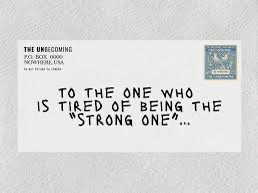
I'm tired of being the strong one. There. I said it. I'm tired of being the one everyone leans on. The one with answers. The one who holds it together while my own world is crumbling. I'm tired of being told how "strong" I am like it's a compliment when it feels like a curse. Like because I can handle it, I should. Like because I don't break in public, I must not be breaking at all. But I am breaking. In the car on the way home. In the shower where no one can hear. At 3am when my chest feels heavy and I'm wondering who I can call who won't be busy. I'm breaking and no one sees it because I've gotten too good at hiding. I became the person everyone comes to. And I love that. But somewhere along the way, I forgot how to let anyone be there for me. I forgot how to say "I'm not okay" without following it up with "but I will be." I forgot how to admit I'm tired. That I'm lonely. That I don't know how much longer I can carry this alone. If you're the strong one too? I see you. Holding everyone up while your knees buckle. Smiling when you want to scream. Saying "I'm fine" when you're anything but. You don't have to be strong all the time. You're allowed to fall apart. Allowed to need someone. Allowed to be the one who leans. Let someone hold you today. Let someone ask how you are and actually tell the truth. You've earned it. And for what it's worth? You're not alone. I'm right there with you. Strong on the outside. Tired to the bone. Real strength isn't carrying everything yourself. It's knowing when to let it go.