Category Page health

Hatter Gone Mad

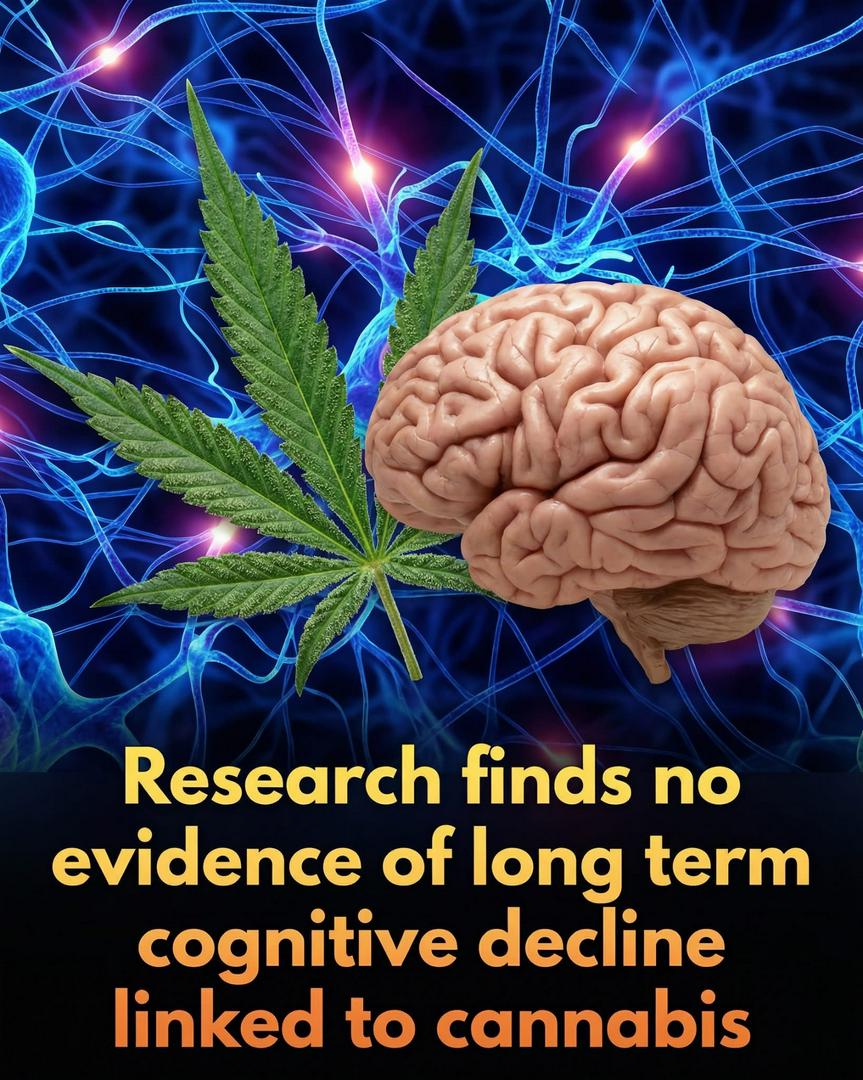
Massive 44-year study reveals that long-term cannabis use does not accelerate cognitive decline. It debunks long-held myths about the drug’s impact on brain aging. For decades, concerns over the long-term cognitive effects of cannabis have fueled public health warnings, yet a comprehensive 44-year study from Denmark is now challenging those assumptions. Researchers tracked more than 5,000 men from early adulthood into their mid-sixties, comparing intelligence scores recorded at age 20 to follow-up assessments at age 64. The results, published in the journal Brain and Behavior, found no evidence that cannabis use accelerates cognitive decline. In a surprising twist, those with a history of use actually showed a marginally smaller decrease in IQ points—approximately 1.3 points less—than their non-using counterparts, effectively questioning the notion that the drug inevitably impairs long-term mental acuity. While the findings are striking, experts note that lifestyle factors and 'cognitive reserve' may play a significant role in these outcomes. The study revealed that cannabis users in this cohort often possessed higher baseline IQs and education levels, which are known to influence cognitive resilience. Crucially, the researchers discovered that neither the frequency of use nor the age at which an individual started using the substance significantly impacted their intelligence later in life. Although the study was limited to men and relied on self-reported data, it provides some of the most robust longitudinal evidence to date that past cannabis use does not inherently doom the aging brain to a faster decline. source: Christensen, T. W., Mortensen, E. L., & Osler, M.. Cannabis use and change in intelligence from age 20 to 64: A 44-year follow-up of 5,162 Danish men. Brain and Behavior.

Rick And Morty

This is for the broken. Not the dramatic kind. The quiet kind. The ones who function. Who go to work. Who answer texts. Who smile when expected. But inside feel fractured in places no one sees. The ones who replay conversations and wonder where it shifted. Who carry regret like it’s stitched into their ribs. Who are tired — not physically, but emotionally. Broken doesn’t always look like chaos. Sometimes it looks like composure. It looks like being the strong one. The understanding one. The one who doesn’t make it about themselves. Until you’re alone. And the silence gets loud. Being broken doesn’t mean you’re weak. It usually means you felt deeply. You tried. You trusted. You gave more than you should have. You held on longer than was healthy. You believed in something that didn’t hold you back the same way. That’s not stupidity. That’s heart. And here’s the part no one says enough: broken things aren’t useless. They’re aware. They know what it costs to care. They know what it feels like to lose. And that awareness, as painful as it is, is depth. You are not behind. You are not defective. You are not too much. You are healing in real time. Healing doesn’t always look like progress. Sometimes it looks like distance. Like pulling back. Like setting boundaries. Like sitting with feelings you used to run from. To the broken — you are not beyond repair. You are in the middle of reconstruction. And reconstruction is sacred work. You are not finished.

Rick And Morty

Life doesn’t care. It doesn’t care if you’re tired, burnt out, broken, or running on fumes. It doesn’t care if you cried last night, if you skipped meals, if you begged for mercy. Life will slam doors, rob opportunities, betray trust, and break plans — and it will do it without apology. And yet somehow, everyone around you acts like it’s easy. Smiles on social media. “Everything’s fine” emails. Perfect morning routines. Perfect bodies. Perfect lives. Meanwhile, you’re staring at the ceiling, counting your mistakes, replaying every conversation you wish you could undo. Here’s the truth nobody says: pain is universal. Loss is inevitable. Chaos is default. Luck matters more than effort. Morality is optional, fairness is fiction. And if you don’t take control of your own mind, your own body, your own next step — no one will. But here’s the secret: you can operate differently. You can acknowledge the hit, log the data, and keep moving. You can reframe shame as intelligence. You can visualize the version of yourself that doesn’t negotiate with fear, doubt, or exhaustion. One small, deliberate action. One tiny move. That’s enough to start ghosting the system. So breathe. Stretch. Stand. Write one line. Speak one truth. Take a step. Not tomorrow. Not when you’re ready. Right now. Because life will never stop hitting you, but the version of you that refuses to fold? That’s the one that rises anyway. 🔥