Category Page entertainment

justme

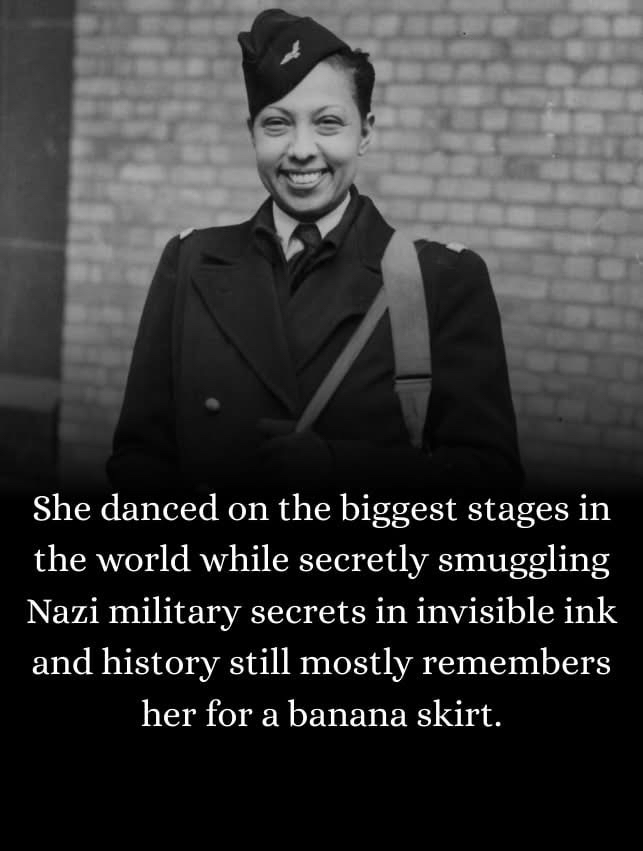
Josephine Baker arrived in Paris in 1925 as a young Black woman from the poverty-stricken streets of St. Louis, Missouri — and within a year, she was the most famous entertainer in Europe. But fame was never the point. While Paris audiences went wild for her performances, and while her pet cheetah, Chiquita, terrified the orchestra by escaping into the pit mid-show, Josephine Baker was quietly building a second life — one that most of the world wouldn't fully learn about until French intelligence documents were declassified in 2020. When the Nazis occupied France, she didn't flee. She spied. Using her status as an untouchable celebrity, Baker traveled freely across wartime Europe while customs officials and Nazi officers fawned over her, never thinking to look too closely at the sheet music she always carried. Hidden within it were secret messages written in invisible ink. On other missions, she pinned photographs of German military installations directly to her undergarments and walked them past enemy checkpoints. Her handler later wrote that she was one of the bravest operatives he had ever worked with. France agreed: after the war, General Charles de Gaulle personally named her a Chevalier of the Legion of Honour. And that was only one chapter. Back in America, she refused to perform for segregated audiences at a time when that was a radical act. She stood alongside Martin Luther King Jr. at the March on Washington in 1963 — the only woman to speak that day. When King was assassinated in 1968, Coretta Scott King asked Baker to take his place as leader of the Civil Rights Movement. Baker declined — her twelve children, she said, were too young to lose their mother. Those twelve children were her "Rainbow Tribe" — adopted from different countries and raised in different faiths in a château in rural France — a living, breathing experiment in racial harmony that she hoped the world would one day understand. She performed until she was 68 years old. She died in 1975,

justme

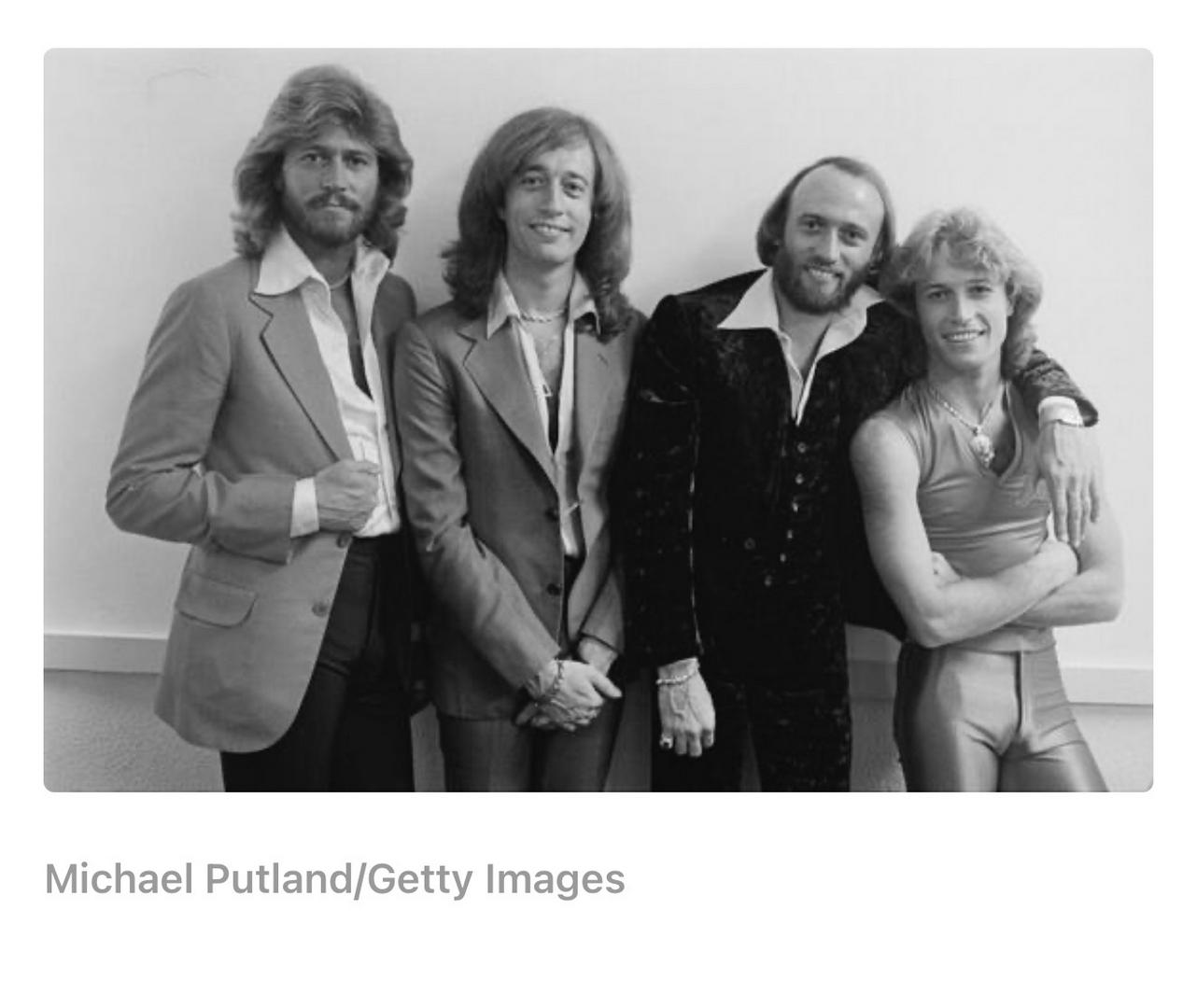
Celebrities ‘70s Pop Star Died Suddenly Days After 30th Birthday 38 Years Ago Today By Erin Crabtree, On March 10, 1988, Andy Gibb—the singer who broke out in the 1970s with hits such as “Shadow Dancing”—died just five days after he turned 30. Andy was born in England on March 5, 1958, the same year that his older brothers, Barry Gibb, Robin Gibb and Maurice Gibb, formed the Bee Gees. The trio became one of the most iconic groups in music history with songs like “You Should Be Dancing” and “Stayin’ Alive.” Amid his brothers’ popularity, Andy enjoyed a successful solo career after his global breakthrough in the late ‘70s, though his siblings contributed by writing and producing his music alongside him. Following the release of his 1977 debut album, Flowing Rivers, Andy became the first solo artist to top the Billboard Hot 100 chart with his first three singles: “I Just Want to Be Your Everything,” “(Love Is) Thicker Than Water” and the international hit “Shadow Dancing.” He kept fans satisfied with the follow-up albums Shadow Dancing in 1978 and After Dark in 1980. Andy subsequently ventured into other areas of show business, making his mark on stage in theater productions of The Pirates of Penzance in 1981 and Joseph and the Amazing Technicolor Dreamcoat in 1982 and co-hosting the TV show Solid Gold from 1981 to 1982. Despite his thriving career, Andy struggled with drug addiction at the height of his fame. “I’ve been to hell and back I suppose, literally,” he told Good Morning America in a 1982 interview. “I had a very bad nervous breakdown. … I had everything I wanted and I just blew it all up.” With encouragement from his family, Andy received treatment at the Betty Ford Center in 1985.

LataraSpeaksTruth

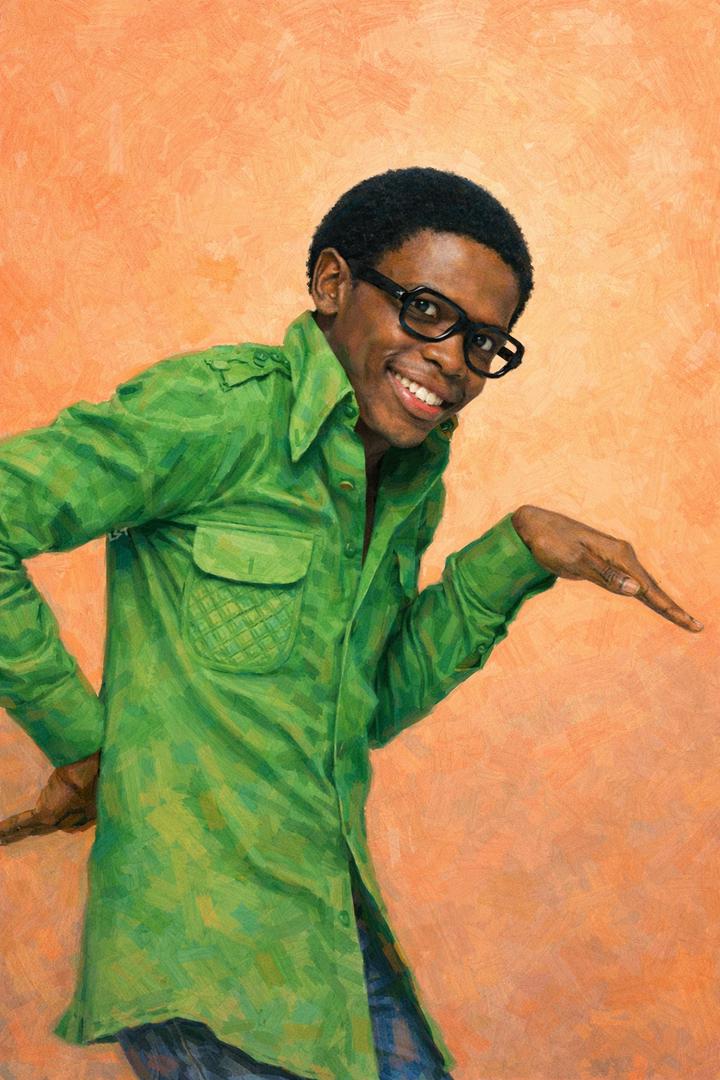
Some faces stay with you, even when the credits roll. Ernest Thomas is one of those faces. Born March 26, 1949, in Gary, Indiana, Ernest Thomas came up during a time when Black actors had to be intentional about the roles they accepted. He trained seriously as an actor, studying the craft rather than chasing quick visibility. That foundation showed up on screen. Most people know him as Raj Thomas on What’s Happening!!, which aired from 1976 to 1979. Raj wasn’t loud or flashy. He wasn’t written as a joke or a stereotype. He was thoughtful, principled, and observant…a young Black teen who wanted to write, think, and do right by the people around him. In a sitcom era built on exaggerated characters, Raj stood out by being grounded. Ernest Thomas played that role with restraint and purpose, which is why it still resonates decades later. After the show ended, Thomas didn’t disappear. He continued working steadily in television, film, and theater, often choosing character roles over chasing the spotlight. He also spent years involved in stage work and mentoring, staying connected to the craft and passing knowledge forward. Longevity, not hype, became the throughline of his career. Years later, audiences caught a familiar face when he appeared on Everybody Hates Chris. The moment landed because it wasn’t nostalgia for nostalgia’s sake. It felt earned. A reminder that staying power matters, and that some careers are built quietly, on consistency and respect for the work. Ernest Thomas’s story isn’t about chasing fame. It’s about staying solid. And sometimes, that’s the most lasting legacy of all. #ErnestThomas #RajThomas #WhatsHappening #ClassicTelevision #BlackTVHistory #70sTelevision #TVLegends #CharacterActors #EverybodyHatesChris #TelevisionHistory #CulturalHistory
Dashcamgram

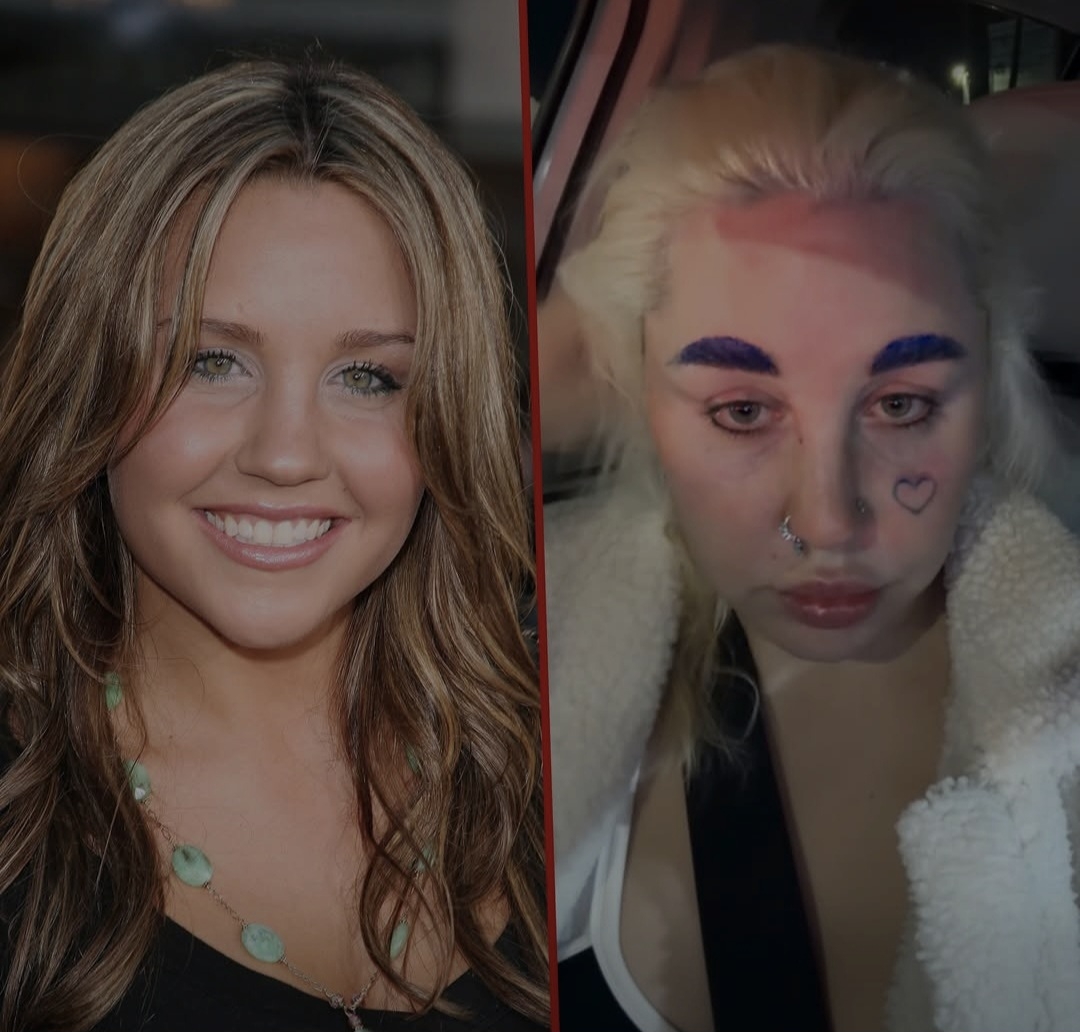
This is Amanda Bynes — but the story is bigger than just her. Teen stardom has a pattern, and it’s not pretty. It takes kids who are still forming their identity, hands them fame, money, and pressure, then expects them to carry it like adults. The applause comes early. The expectations come fast. And the support usually comes too late. Amanda didn’t “fall off.” She grew up in an industry that rewards performance, not protection. One that celebrates you at your peak and quietly disappears when you struggle. This isn’t about judging outcomes — it’s about questioning the system. Why do we keep watching this happen and acting surprised every time? Child stars don’t need endless criticism or nostalgia comparisons. They need grace, boundaries, and humanity. Because fame doesn’t raise kids. People do. And too often, no one was really there. #AmandaBynes #TeenFame #ChildStars #HollywoodTruth #FameIsntFree #MentalHealthAwareness #ProtectYoungTalent #BehindTheScenes

Hip-hop Daily News With Donnell Ballard

Ray J Wants a Smoking Section in Church as J. Cole and Kendrick Trade Shots Over Hairlines and Hip‑Hop Respect: Ray J slipped into the empty church after midnight, heart thudding like a weak bassline. The doctor’s words echoed: “2027’s done if you don’t quit.” But his pocket burned with a fresh pack. He knelt at the altar, lighter flicking. “God, if I can’t kick this,” he prayed, exhaling toward the crucifix, “just give us a smoking section back here. Real talk.”Blocks away, J. Cole’s studio pulsed with tension. Pen scratched fury: “Conscious crown to corporate lock—hairline fading, soul on auction?” Kendrick’s shadow loomed in every bar, their old respect now shrapnel. Cole hit play, the diss slicing air like a sermon gone rogue. Respect? In hip-hop’s coliseum, it was kill or be killed.Dawn broke. Ray J crushed his last cig underfoot, smirking at the haze lifting. Cole’s track leaked online, sparking Fort Worth to Compton debates. Church smoke met cypher smoke—vice, vanity, and vague redemption tangled. Two kings, one plea: grace amid the burn. Story By Donnell Ballard