Category Page entertainment

SanPuffy

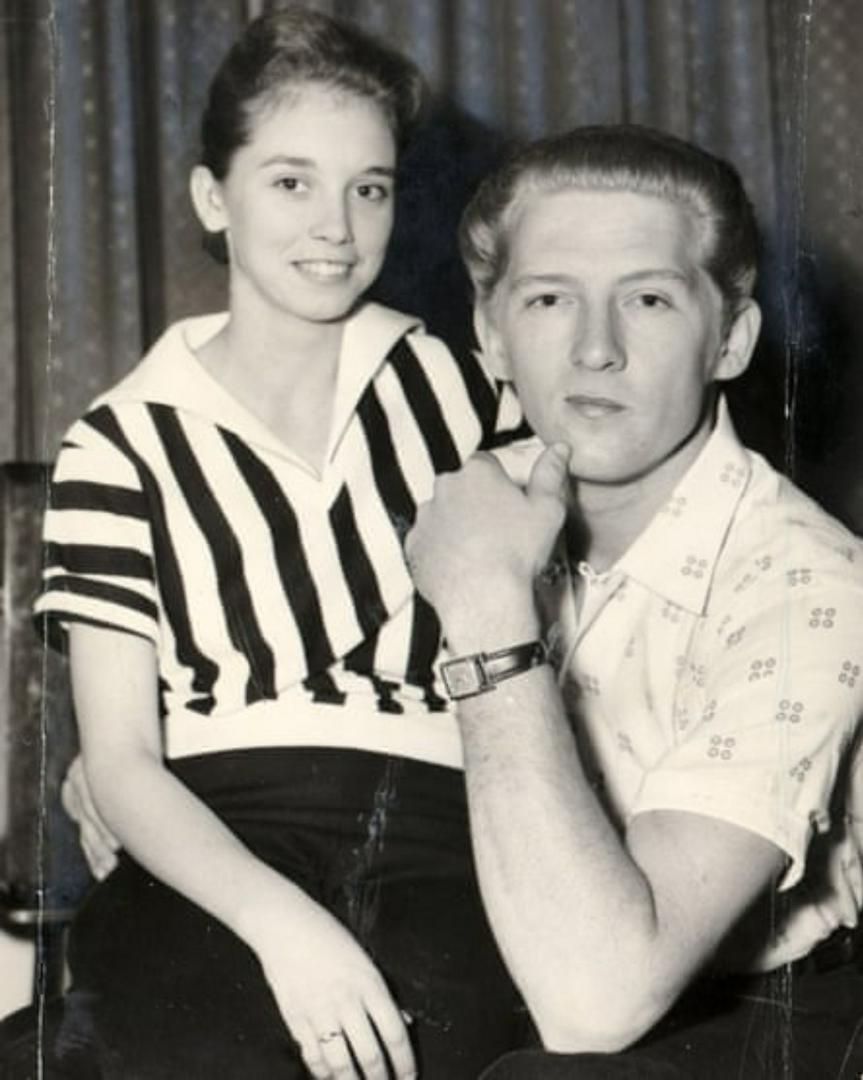
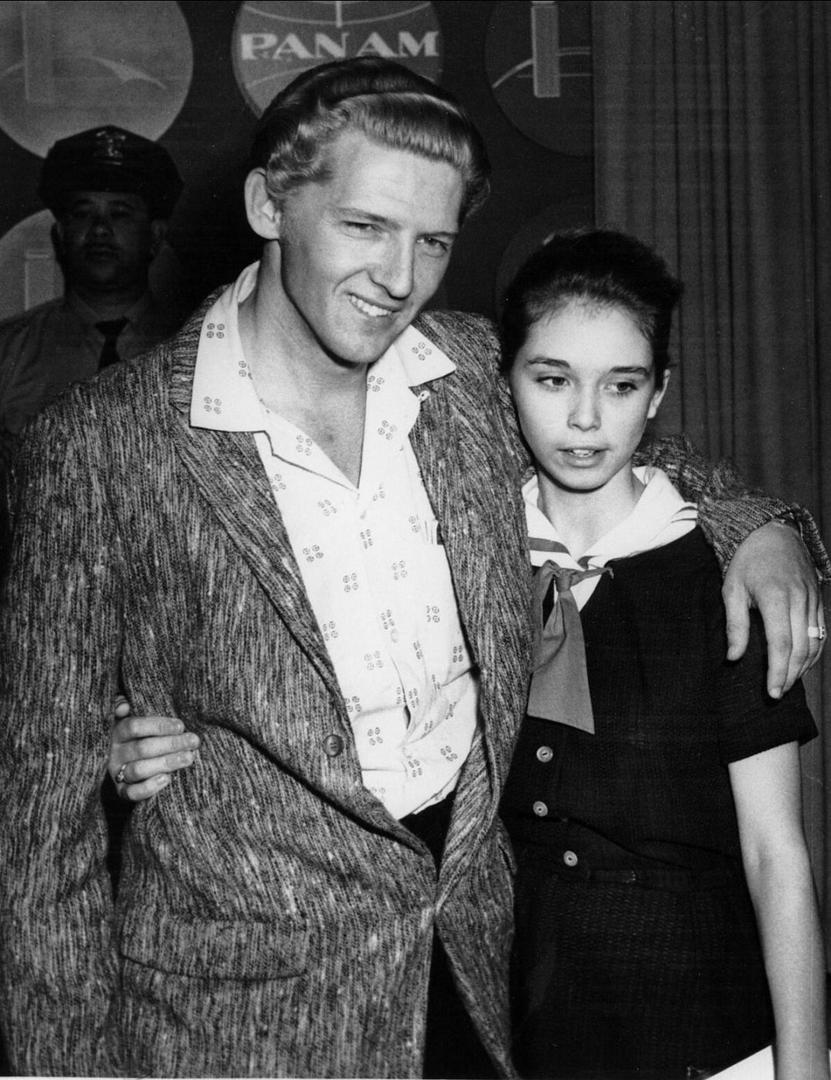
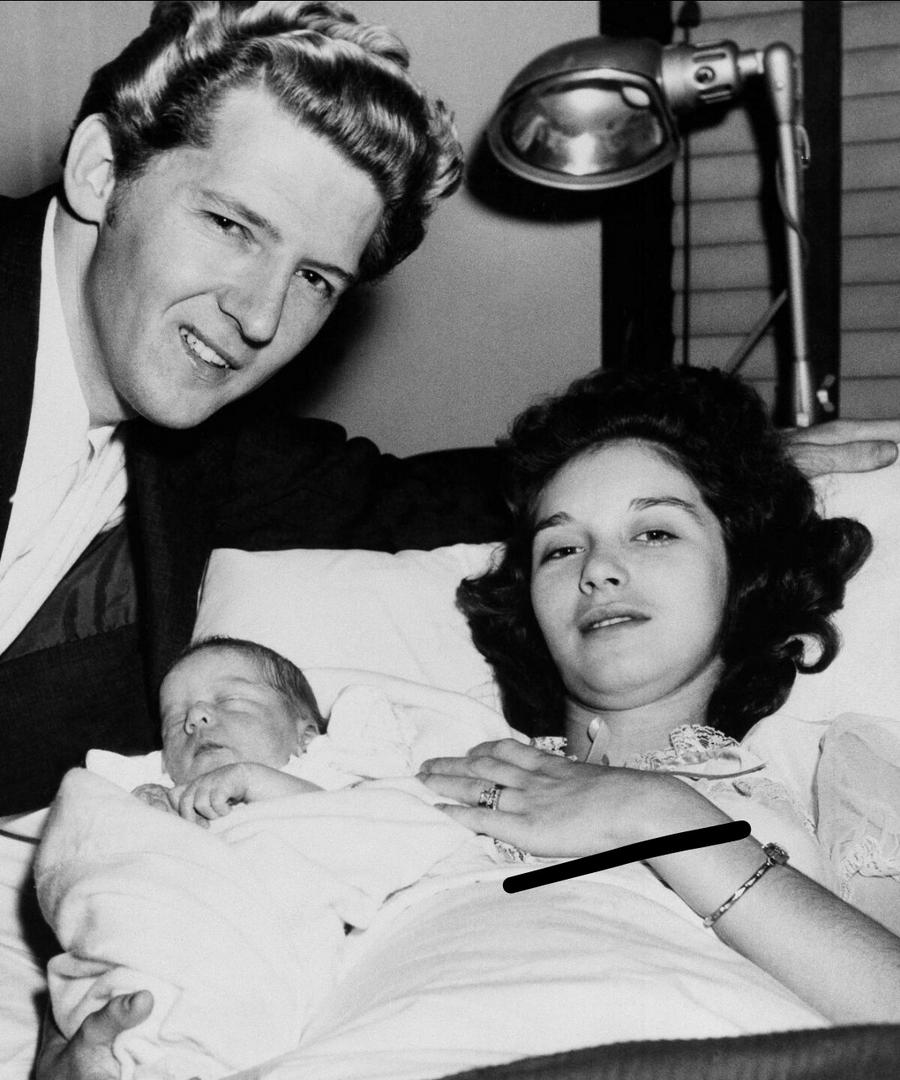
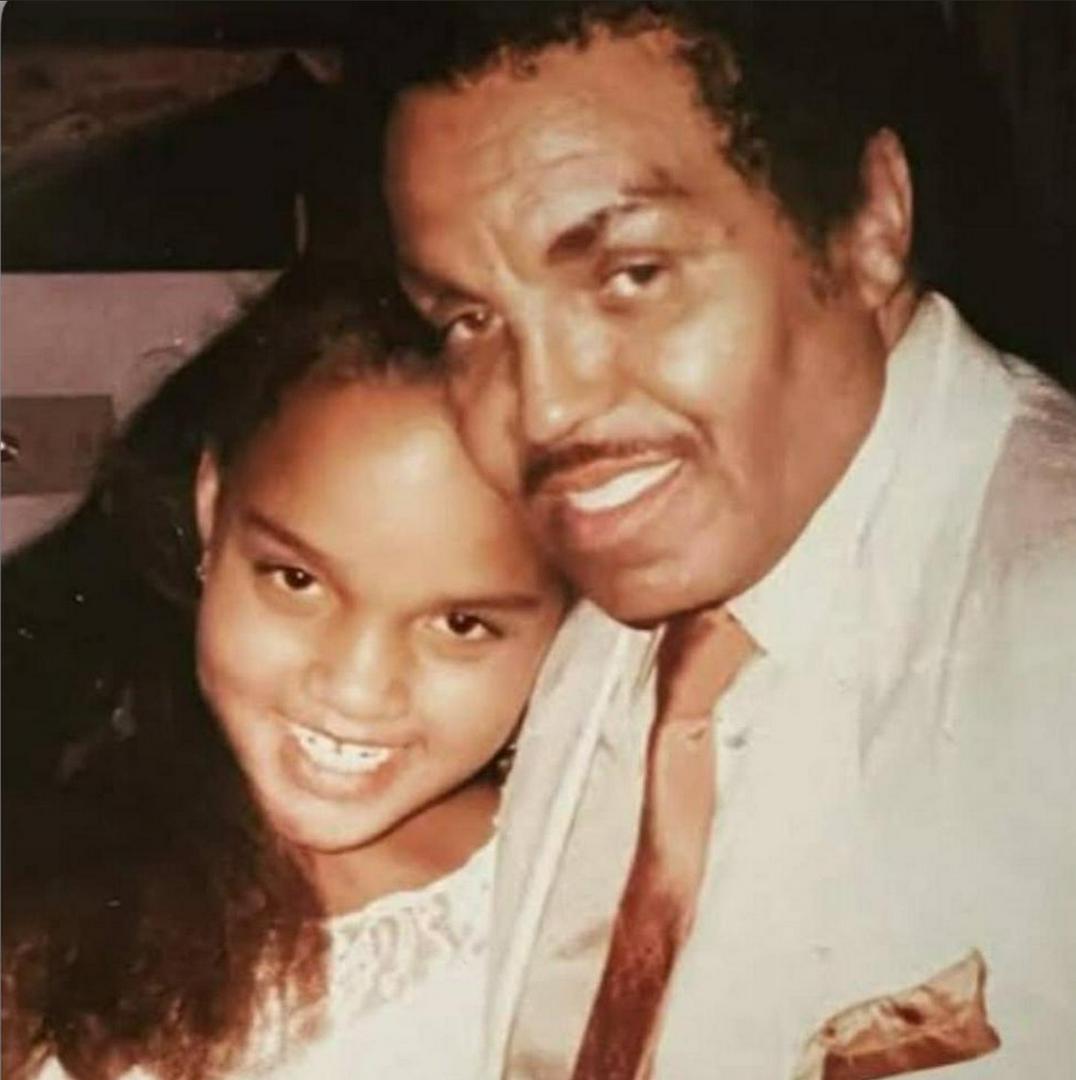
A lot of the newer generation is just now earning about Joh'Vonnie Jackson - Joe Jackson's daughter - and many are surprised her story isn't more widely known. While the Jackson family legacy is one of the most famous in the world. Joh'Vonnie has often spoken about growing up on the outside of that spotlight, navigating life without the same access, recognition, or protection tied to the Jackson name Her story has reopened conversations about family dynamics, acknowledgment and how fame can create different realities even within the same bloodline. Some people feel her experiences deserve more visibility, while others are just now realizing how complex the Jackson family history trulv is bevond what the media showed for decades. t's a reminder that behind legendary last names are real people with stories that didn't make the headlines - until now #JohVonnieJackson #JoeJackson #. lacksonFamilv #I Intold.Stories#JacksonFamily #UntoldStories #CelebrityFamilies #ViralConversation #MusicHistory

justme

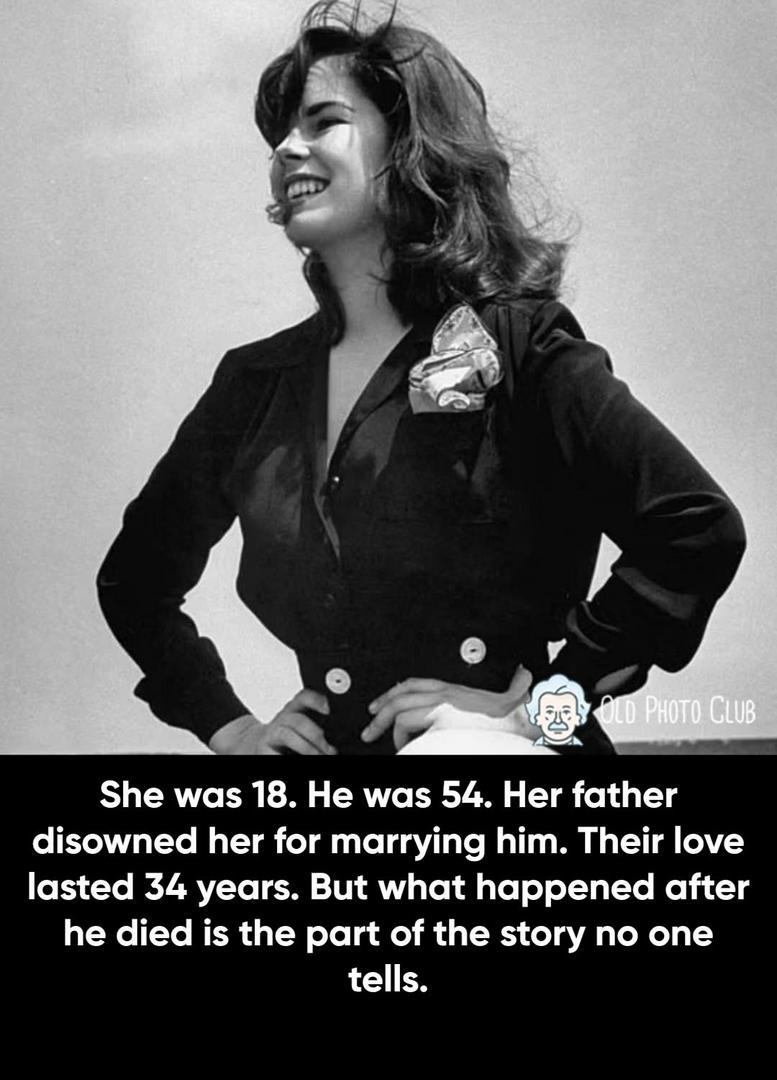
In June 1943, an eighteen-year-old girl married a man thirty-six years her senior. The world called it scandalous. Her own father called it unforgivable. She was Oona O'Neill, daughter of Eugene O'Neill, the Nobel Prize-winning playwright whose dark tragedies had defined American theater. Beautiful, intelligent, and quietly determined, Oona had been named Debutante of the Year at the Stork Club. She had briefly dated the young writer J.D. Salinger. She had her whole life ahead of her. He was Charlie Chaplin. The Little Tramp. The silent film legend who had made the world laugh and cry. At fifty-four, he had been married three times before, always to younger women. He had teenage sons. His career was fading. Scandal followed him everywhere. When they met in late 1942, Chaplin was considering Oona for a film role. The film was never made. But something else began that neither of them expected. To the watching world, it looked like every cliché. An aging star pursuing naive youth. A young woman seeking the father who had abandoned her. The age gap made headlines. The fact that Chaplin was only six months younger than Oona's own father made it even more shocking. Eugene O'Neill was furious. The playwright who had written masterpieces about family dysfunction could not forgive his own daughter for choosing love he did not approve of. He disowned her immediately and completely. He never spoke to her again. Not once. Not ever. When Eugene O'Neill died in 1953, Oona was not mentioned in his will. The father who had written so eloquently about tragedy could not bring himself to reconcile with his daughter. But Oona had made her choice. And she never looked back. Within a month of turning eighteen, she married Chaplin in a quiet civil ceremony in California. She gave up her acting aspirations entirely. Not because she lacked talent, but because she did not want that spotlight. She chose to build something private in a very public world. Against every prediction, their marriag

LataraSpeaksTruth

January 27, 1984 is one of those dates that doesn’t get enough weight, but it should. On this day, Michael Jackson was seriously injured while filming a commercial that was meant to celebrate his superstardom, not endanger his life. During a Pepsi commercial shoot, pyrotechnics misfired and ignited his hair, setting his scalp on fire in front of a live audience and crew. What should have been a routine take turned into a medical emergency in seconds. Michael suffered second and third degree burns to his scalp and was rushed to the hospital. The physical injuries were severe, but the aftermath mattered just as much. This incident marked a turning point in his health, introducing chronic pain and medical treatments that would follow him for the rest of his life. It’s often discussed in passing, but rarely examined for what it truly was…a traumatic event that happened at the height of his pressure, fame, and isolation. At the time, Michael was not just an artist. He was the face of global pop culture, carrying expectations that never paused, even after he was burned. The show went on publicly, but privately, this incident cracked something open. Pain management, stress, and relentless scrutiny became part of the story from that point forward. January 27 isn’t about spectacle. It’s about remembering that even icons bleed, burn, and suffer consequences long after the cameras stop rolling. This wasn’t a footnote. It was a moment that altered the trajectory of a life the world felt entitled to consume without limits. History isn’t just what we celebrate…it’s also what we overlook. #OnThisDay #January27 #MichaelJackson #MusicHistory #PopCultureHistory #EntertainmentHistory #UntoldMoments #BehindTheScenes #CulturalHistory #HistoryMatters

justme

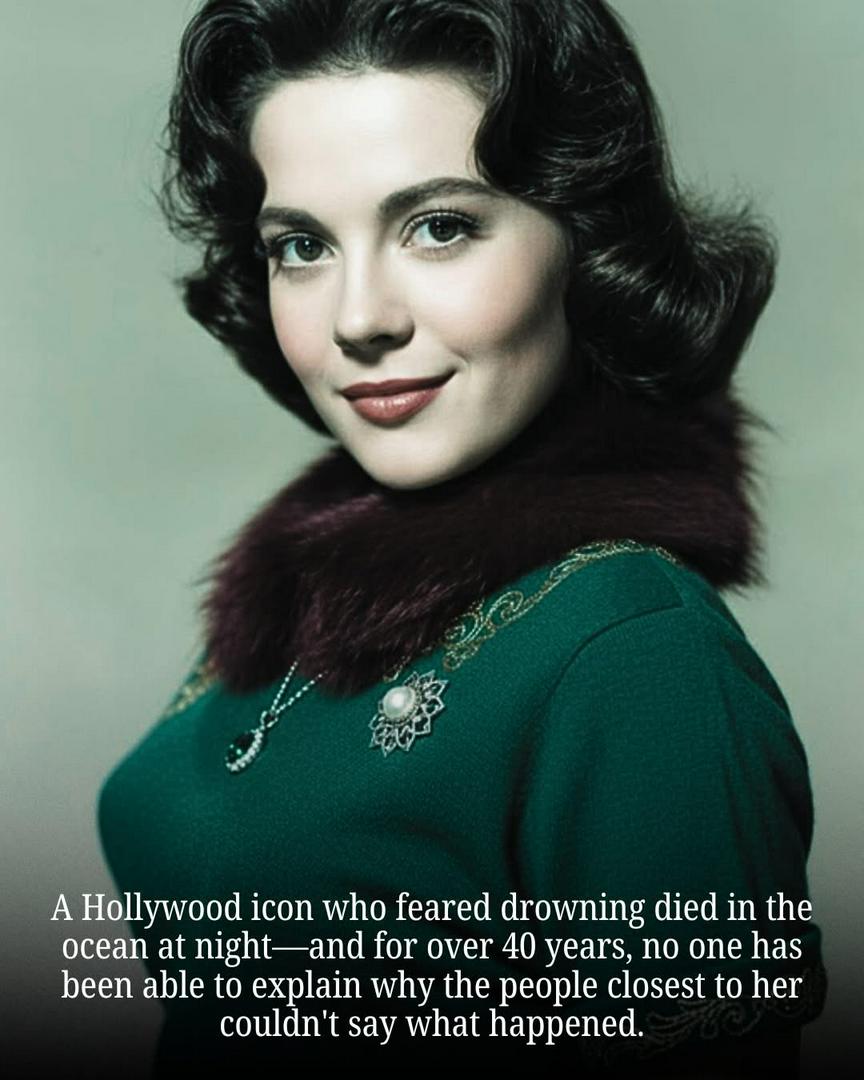
Natalie Wood vanished into the dark Pacific waters off Catalina Island on a November night in 1981, and the questions surrounding her death have outlasted the explanations. Wood wasn't a forgotten name trying to reclaim the spotlight. At 43, she was an accomplished actress with a respected career, quietly working and moving forward. That weekend, she boarded the yacht Splendour with her husband Robert Wagner, actor Christopher Walken, and the boat's captain for what should have been a brief getaway. What happened that night has never been clearly established. Alcohol was involved. Witnesses reported tension. At some point after dark, Wood ended up in the water—despite a well-documented lifelong fear of drowning and limited swimming ability. Her body was found the next morning, floating near the yacht. She was wearing a nightgown, socks, and a down jacket. Bruises were noted. The dinghy was found loose nearby. No one aboard the yacht reported hearing her fall, hearing calls for help, or realizing she was missing until it was too late. The initial ruling: accidental drowning. But the explanation never settled. Accounts from that night conflicted. Timelines didn't align. Years later, the boat's captain came forward claiming there had been arguments and suggesting that calls for help might have gone unanswered—claims that were disputed. In 2011, authorities reopened the case. The cause of death was changed to 'drowning and other undetermined factors.' Wagner was named a person of interest, but no charges were ever filed. What makes Wood's death so deeply unsettling isn't just the mystery—it's the way uncertainty became permanent. A famous woman died under unclear circumstances while powerful people survived to tell their versions of events. The entertainment industry responded with public mourning and private silence.

LataraSpeaksTruth

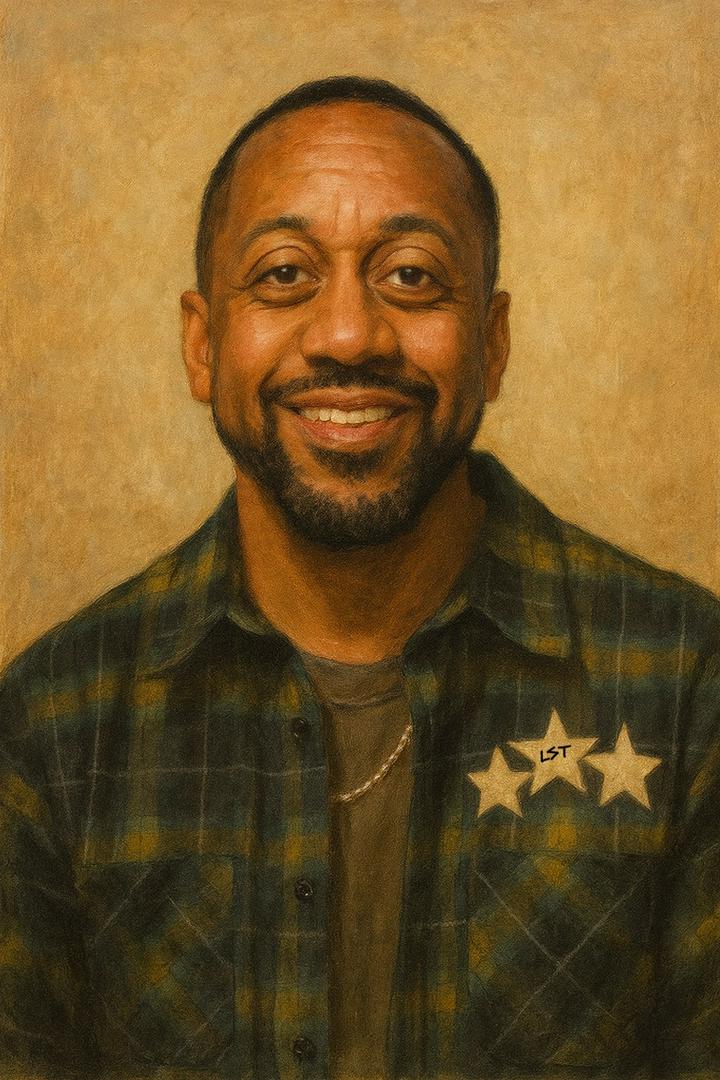
Jaleel White, Born November 27, 1976

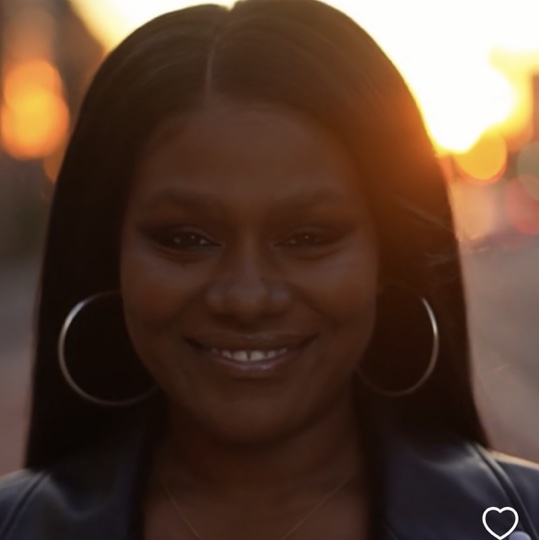
Some people come into TV history so loud, so unforgettable, so stamped into the culture that you don’t even need their government name to know exactly who they are. Jaleel White is one of those figures. Born in Pasadena in 1976, he walked into sitcom history as a kid and ended up creating one of the most iconic characters television has ever seen. Steve Urkel wasn’t supposed to be a star. He wasn’t even supposed to be a long-term character. But the moment Jaleel walked onto that Family Matters set with the suspenders, the glasses, and that unshakeable commitment to being delightfully annoying, television changed. He turned a side character into a cultural phenomenon. A whole era. A catchphrase that became part of American speech. And behind all of that was a kid who wasn’t afraid to lean into a role that took over primetime. But what people don’t talk about enough is the longevity. Jaleel grew up in front of the world, navigated fame early, and still kept working, from voice acting to guest roles to producing. He stayed grounded… stayed evolving… stayed respected. And even today, the legacy holds. We still quote him. Still laugh at the scenes. Still recognize his impact on 90s Black sitcom culture. His role wasn’t just entertainment… it was representation, visibility, and a reminder that Black nerds existed long before the world decided it was cool. Happy Birthday to a man whose character became a legend… and whose career still keeps unfolding. #JaleelWhite #OnThisDay #FamilyMatters #TVHistory #LataraSpeaksTruth

Jaleel White, Born November 27, 1976
Mishelle

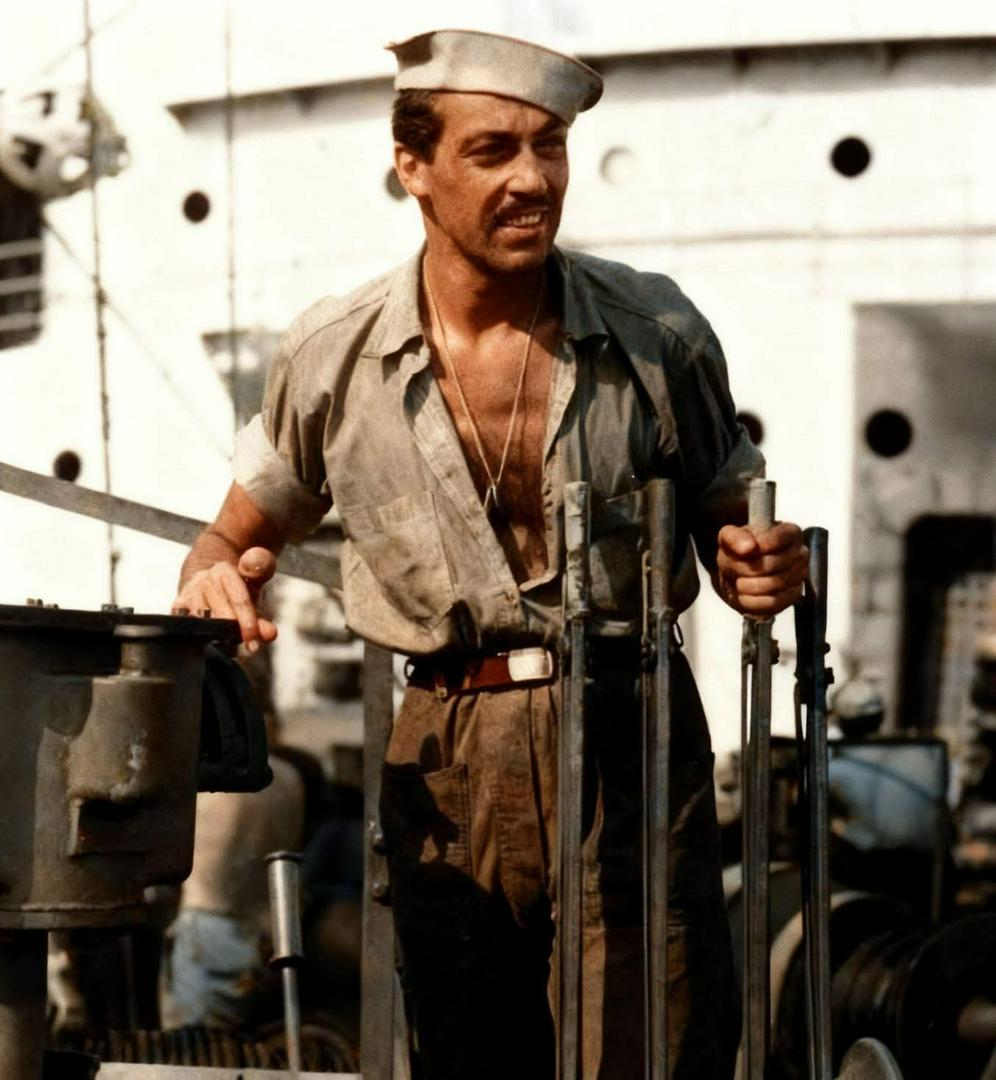
Cesar Romero, the dashing actor best known as the Joker from the 1960s Batman series, walked away from Hollywood's spotlight to serve our country during World War II. At 35, with a thriving career that included dancing with Rita Hayworth and starring alongside Clark Gable, Romero stunned everyone by enlisting in the U.S. Coast Guard in 1942. He refused any easy path: "I don't want any special treatment," he insisted, demanding a frontline spot aboard the assault transport USS Cavalier. Starting as an apprentice seaman and rising to chief boatswain’s mate, he operated winches with unmatched skill, launching landing craft into deadly invasion waves under relentless enemy fire. His commander called him the best winch operator he'd ever known, and in the heat of battle, Romero even manned the powderman role on the forward five-inch gun during the savage fights for Saipan and Tinian—engagements that left thousands dead in a nightmare of explosions and chaos. His reason for risking it all? A simple, soul-stirring declaration: "For my country." Romero endured the Pacific's brutal theater, swabbing decks at dawn, lifting spirits with shipboard shows for his weary buddies, and returning home in 1945 with invisible wounds that spoke of profound sacrifice. He was the essence of the Greatest Generation—ordinary men who became legends through unbreakable courage and love for their nation. God bless Cesar Romero and all those heroes whose quiet valor saved our world. Their stories break our hearts and fill us with pride—never let their memory fade.