Tag Page ushistory

#ushistory
1776 Patriot

Inside the Largest SWAT Hostage Rescue Operation in U.S. History The Good Guys electronic store siege in Sacramento remains one of the most significant hostage rescue missions ever carried out by a SWAT team. The incident began when four armed assailants stormed the store and seized 41 hostages. They demanded 4 million dollars, bulletproof vests, transportation, and safe passage out of the country. The captors fired inside the store, forced hostages to the windows, and repeatedly threatened to kill if their demands were not met. Tragically, three hostages were killed early in the standoff when the assailants opened fire after negotiators delayed meeting their demands, increasing pressure and fear among both hostages and officers. Negotiators worked tirelessly while SWAT teams used fiber optic probes, remote cameras, and thermal imaging to map the store’s interior. Over half of the layout offered no clear lines of sight, forcing officers to rely heavily on sound and heat signatures. When two additional hostages attempted to escape later in the siege and were shot, one fatally, command staff recognized the high risk of further casualties and authorized an immediate assault. SWAT executed a coordinated multi point breach using distraction devices that produced more than 170 decibels to disorient the captors. Officers moved swiftly through a room packed with over 30 civilians, many within feet of armed assailants. Three hostage takers were killed during the operation after firing at officers and attempting to use hostages as shields. The fourth assailant surrendered when cornered and was later sentenced to 49 consecutive life terms without the possibility of parole. In total, 40 surviving hostages were rescued, and the operation remains a key case study for its scale, precision, and the extraordinary coordination required to save lives under extreme pressure. #TrueCrime #History #America #USA #SWAT #USHistory #RescueStory

justme

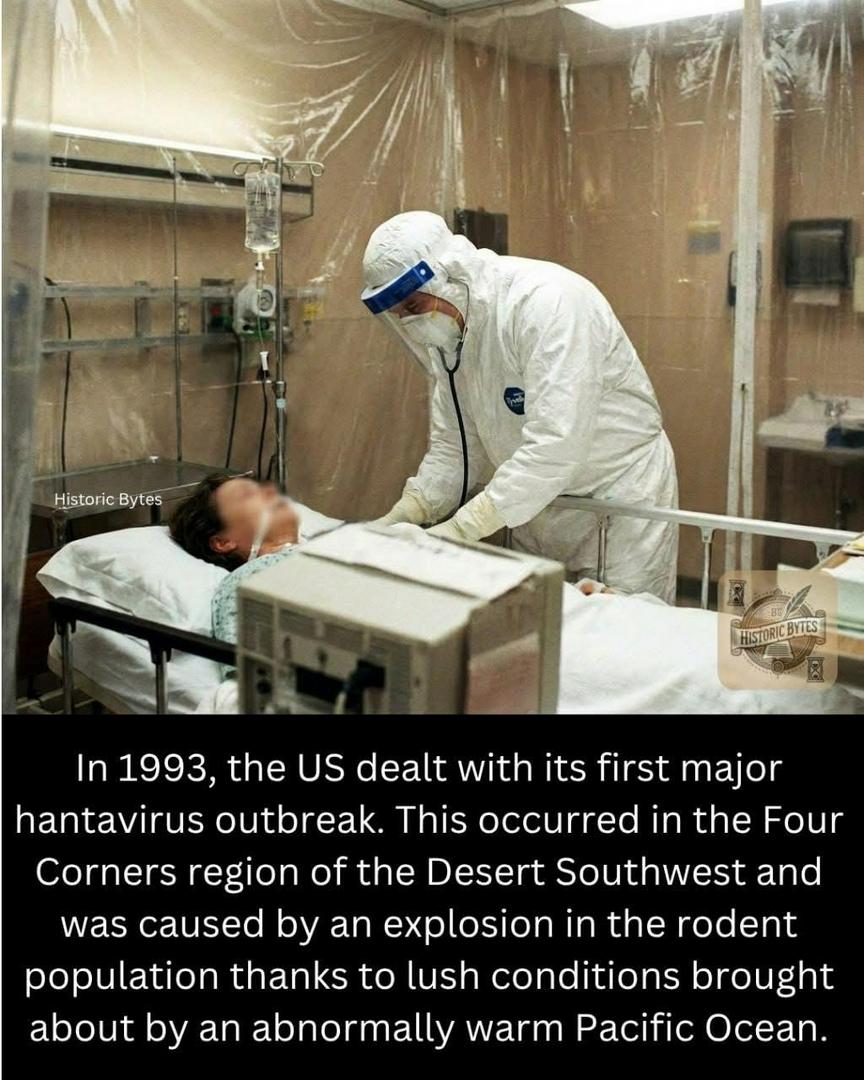
On the morning of May 14, 1993, a 19-year-old Navajo man who was a competitive marathon runner collapsed from acute respiratory failure while traveling through New Mexico. He had been healthy enough to start the trip. By the time an ambulance arrived he was dying. He was not the first case. Within weeks, a CDC task force was assembled to investigate a mysterious respiratory illness killing young, healthy people across the Four Corners region, where New Mexico, Arizona, Colorado, and Utah meet. The disease moved fast. Patients developed what appeared to be flu symptoms, then deteriorated rapidly as their lungs filled with fluid. Sixteen people died in the initial outbreak. The CDC identified a previously unknown hantavirus, later named Sin Nombre, meaning without name, carried by the western deer mouse. The question was why it had erupted so suddenly and so severely in 1993. The answer came partly from Navajo elders, who told investigators that similar outbreaks had struck the same region in 1918 and 1933, and that both preceded years of unusual rainfall and abundant piñon nuts. Biologists already studying the local deer mouse population confirmed it: the mouse population in 1993 was ten times higher than the previous spring. The 1991 to 1992 El Niño event had driven heavy snowfall and spring rains across the Southwest, producing an extraordinary crop of piñon nuts that the deer mice fed on explosively. As the mouse population surged, so did human contact with their droppings and urine, the primary transmission route of the virus. #hantavirus #epidemic #ushistory

LataraSpeaksTruth

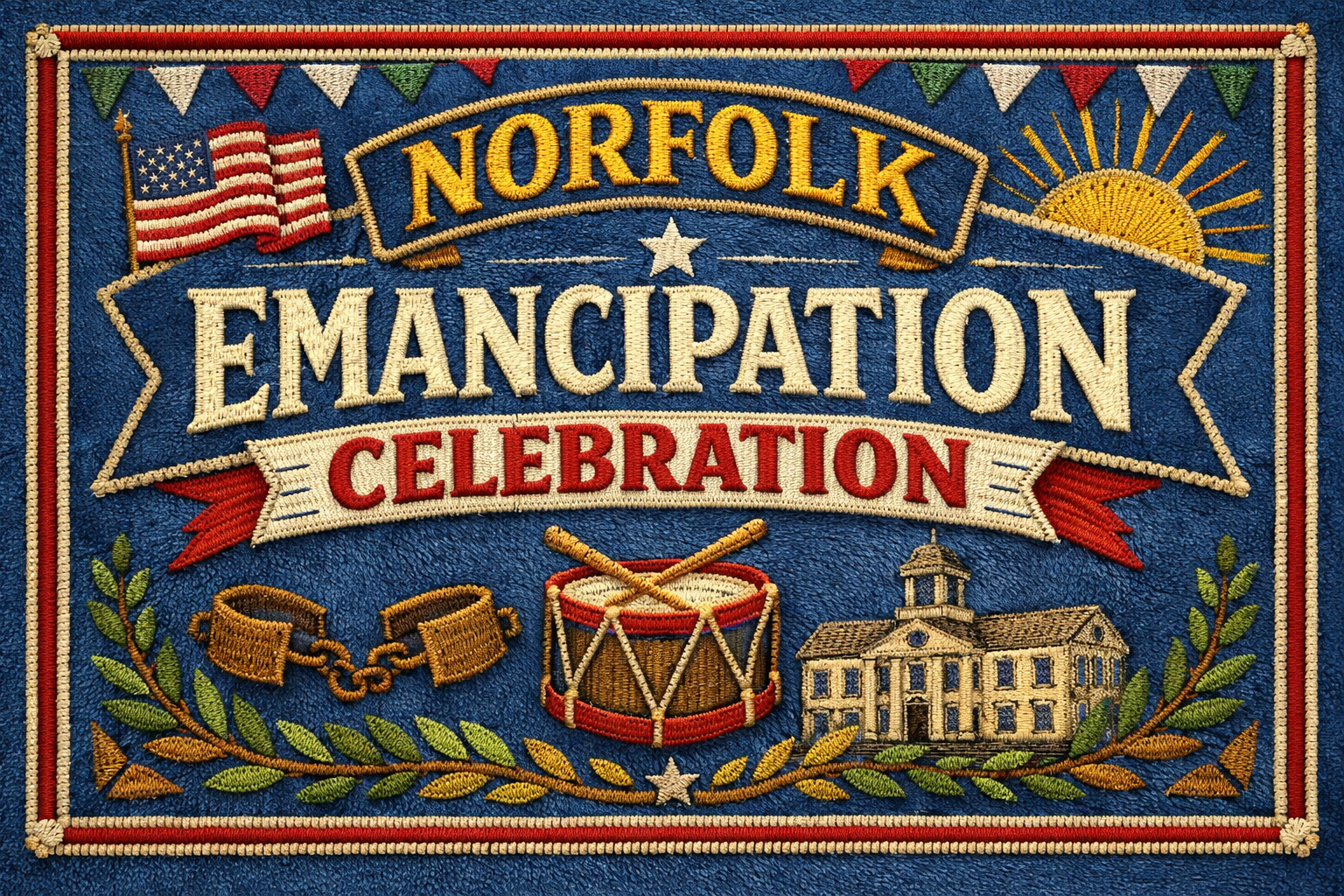
On January 4, 1863, just days after the Emancipation Proclamation took effect, Black residents of Norfolk, Virginia held one of the earliest documented public celebrations of emancipation in the United States. Norfolk had been under Union control since 1862, making it one of the few Southern cities where such a gathering was possible at the time. A contemporary newspaper dispatch dated January 4, 1863, later reproduced by Encyclopedia Virginia, described a procession of at least 4,000 Black men, women, and children moving through the city. The report noted organized marching, music, banners, and speeches, reflecting both celebration and political awareness. This was not a spontaneous gathering. It was a coordinated public declaration of freedom by people who understood the historical weight of the moment. The Emancipation Proclamation did not immediately free all enslaved people, nor did it end slavery everywhere. Its reach depended heavily on Union military presence. Norfolk’s status as an occupied city created conditions where freedom could be openly acknowledged and collectively celebrated, even while much of the Confederacy remained untouched by the proclamation’s enforcement. This January 4 procession stands as an early example of what emancipation looked like in practice rather than on paper. It shows Black communities asserting visibility, dignity, and collective memory at the very start of freedom’s uncertain road. Long before emancipation celebrations became annual traditions, Norfolk’s Black residents marked the moment themselves, in public, and on record. #January4 #BlackHistory #Emancipation #NorfolkVirginia #ReconstructionEra #CivilWarHistory #AfricanAmericanHistory #USHistory #FreedomStories
THE LATE NIGHT_PODCAST

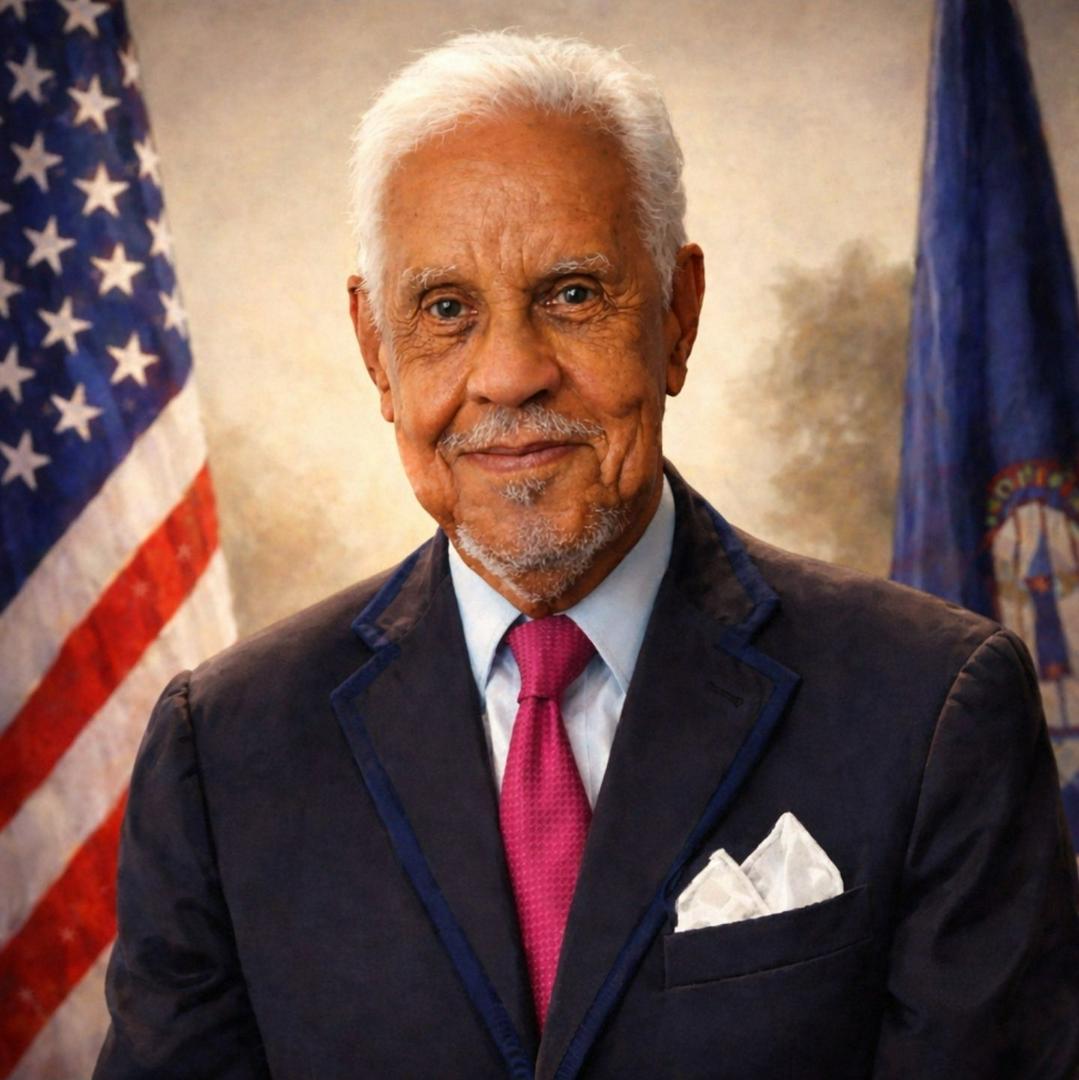
On January 13, 1990, L. Douglas Wilder was sworn in as governor of Virginia, becoming the first African American ever elected governor of anv U.S. state. That moment did not arrive wrapped in celebration alone. It arrived heavy with history, expectation, and the quiet understanding that something permanent had iust shifted Virginia was not a neutral stage. It was a former capital of the Confederacy, a state shaped by laws and customs desianed to keep power narrowly held. Wilder did not inherit that history. He confronted it directly by winning. No appointment. No workaround. Just votes, counted ano certified, placing him in an office that had never before been occupied by someone who looked like him The significance of that day stretched far bevond Richmond. Wilder's inauguration challenged a long-standing assumptionabout who could govern at the highest evels of state power. It forced institutions to reconcile with the fact that progress was no longer theoretical. It was sworn in standing at the podium, ready to lead, Being first came with scrutiny. Every decision carried svmbolic weight. Every misstep risked being treated as confirmation rather than context. Yet Wilder governed with precision and restraint focusing on fiscal responsibility, education, and public safety, refusing to perform nistory instead of making it January 13, 1990 stands as a reminder that progress does not always arrive loudly Sometimes it arrives formally constitutionally, and undeniably. A door once closed did not creak open. It swung, and it staved that way #OnThisDay #January13 #USHistory #PoliticalHistorv #VirainiaHistorv

Abraham Lincoln

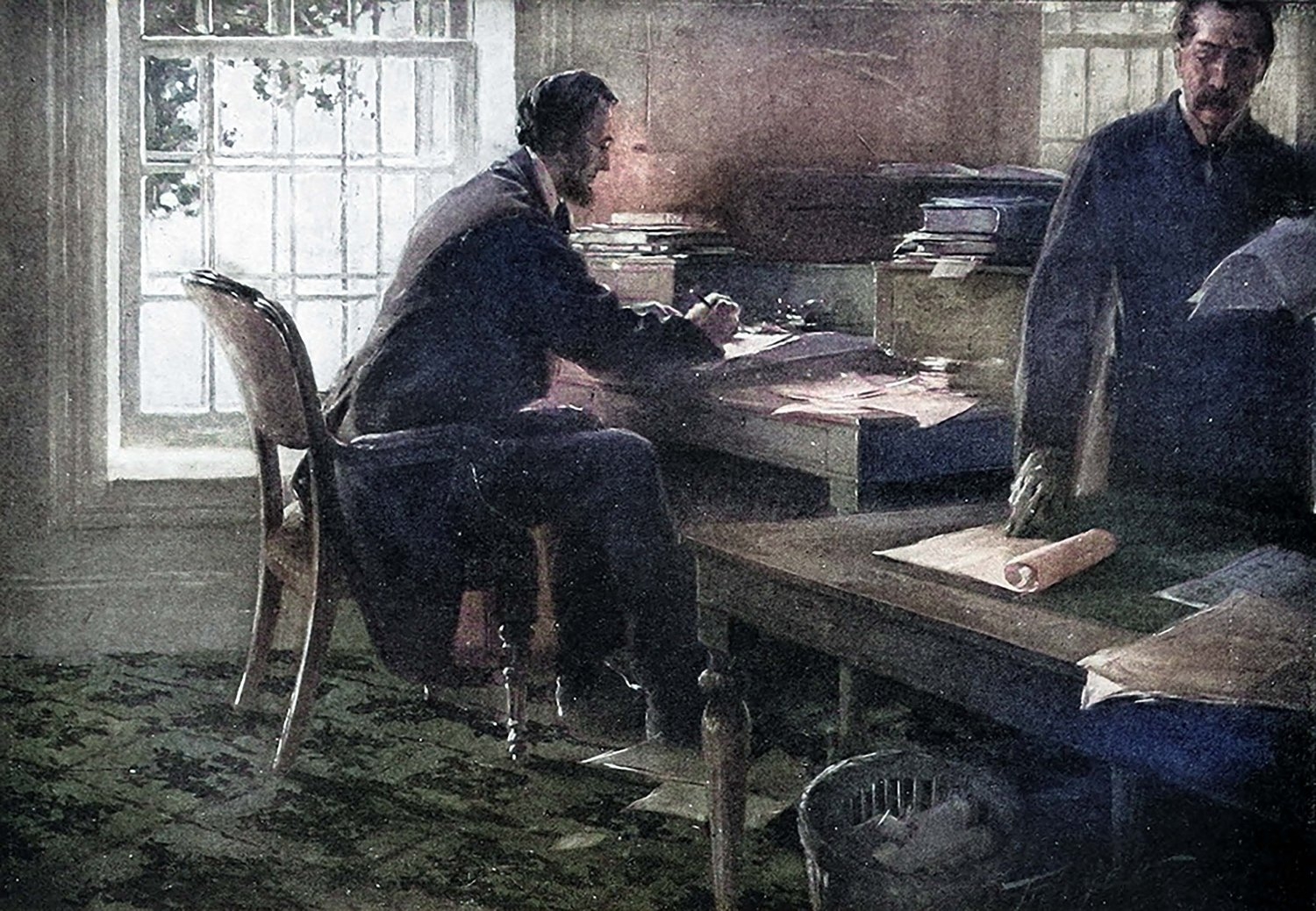
This Day in History: I Shifted the Civil War's Momentum Using the Telegraph In May of 1862, I have witnessed our nation torn by the bitterest trials of civil strife, our armies stalling in the field, and the crushing weight of executive command resting heavily upon my shoulders. Frustrated by the cautious delays of my generals, I entered the War Department telegraph office to take direct control of our forces. On May 24, I sent a rapid flurry of urgent commands across the wires, ordering our divided armies to converge in the Shenandoah Valley to trap General Stonewall Jackson. In doing so, I became the first president to use this modern technology to direct a continental war in real-time from Washington, successfully seizing the military momentum back from the Confederacy and proving that the executive could swing the tide of battle through the flash of electricity. Yet, this date brings a deeper sorrow that time cannot soften. Exactly one year earlier, on May 24, 1861, I received the devastating news that my dear young friend and former law clerk, Colonel Elmer Ellsworth, had been shot down while removing a Confederate flag in Alexandria. He was the first Union officer to fall in this terrible war. When the message arrived, I wept openly by the window, overwhelmed by the harsh reality that preserving our sacred Union would demand the blood of our finest young men. If my presidency is a tapestry woven of cold iron and raw emotion, late May is where the threads pull tightest against my aching soul. I stand caught between the unyielding click of the telegraph keys and the hot sting of tears for a boy who was like a son, managing a continent in crisis while mourning a piece of my own heart. The frantic dots and dashes typing out military maneuvers are not merely strategies for victory; they are the heavy heartbeats of a nation being violently reborn, a testament that even in our darkest hours, the painful work of restoration endures. #History #USHistory #America

Jammie

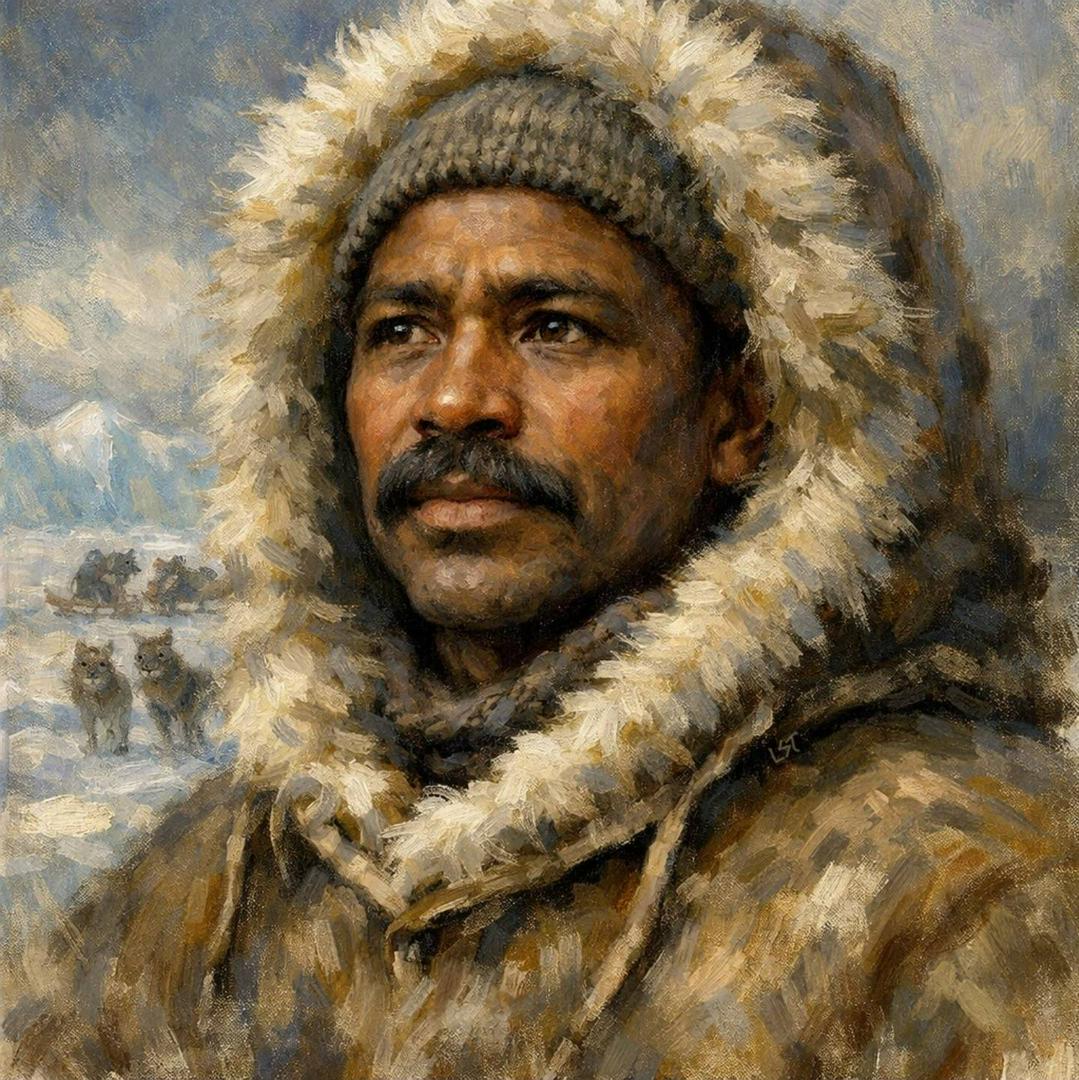
On January 28, 1944, Matthew Henson received a Special Medal of Honor from the U.S. Congress, jointly awarded with Admiral Robert E. Peary, recognizing their roles in the 1909 Arctic expedition that claimed the first successful arrival at the North Pole. The recognition came thirty-five vears after the expedition and decades after Henson's contributions had been minimized or excluded from mainstream accounts. While Peary was celebrated almost immediately, Henson was largely left out of textbooks, honors, and public memory during his lifetime. Henson was not a peripheral fiqure on the expedition. He was one of its most ndispensable members. He mastered Arctic survival techniques, learned the Inuit anguage, built and repaired sleds, handled dog teams, and navigated some of the most dangerous terrain. Peary himselfacknowledged that he depended heavily on Henson's skill and endurance to complete the journey When the team reached the North Pole in April 1909, multiple accounts indicate that Henson may have been among the first tc arrive at the site. Despite this, official credit centered almost exclusively on Peary for many years. After returning from the Arctic, Henson worked modest iobs and lived without the recognition granted to other expedition members. The 1944 Congressional meda did not erase decades of exclusion, but it marked a formal acknowledgment by the federal government that his role could no longer be ignored Matthew Henson's legacy reminds us that exploration is not defined solely by who claims victory, but by who possesses the knowledge, skill, and resilience to make success possible. His contributions endured even when recognition came far too late. #January28 #MatthewHenson #ExplorationHistory #ArcticExploration #USHistory #ScienceAndDiscovery #HiddenFigures #Legacy

Brandon_Lee

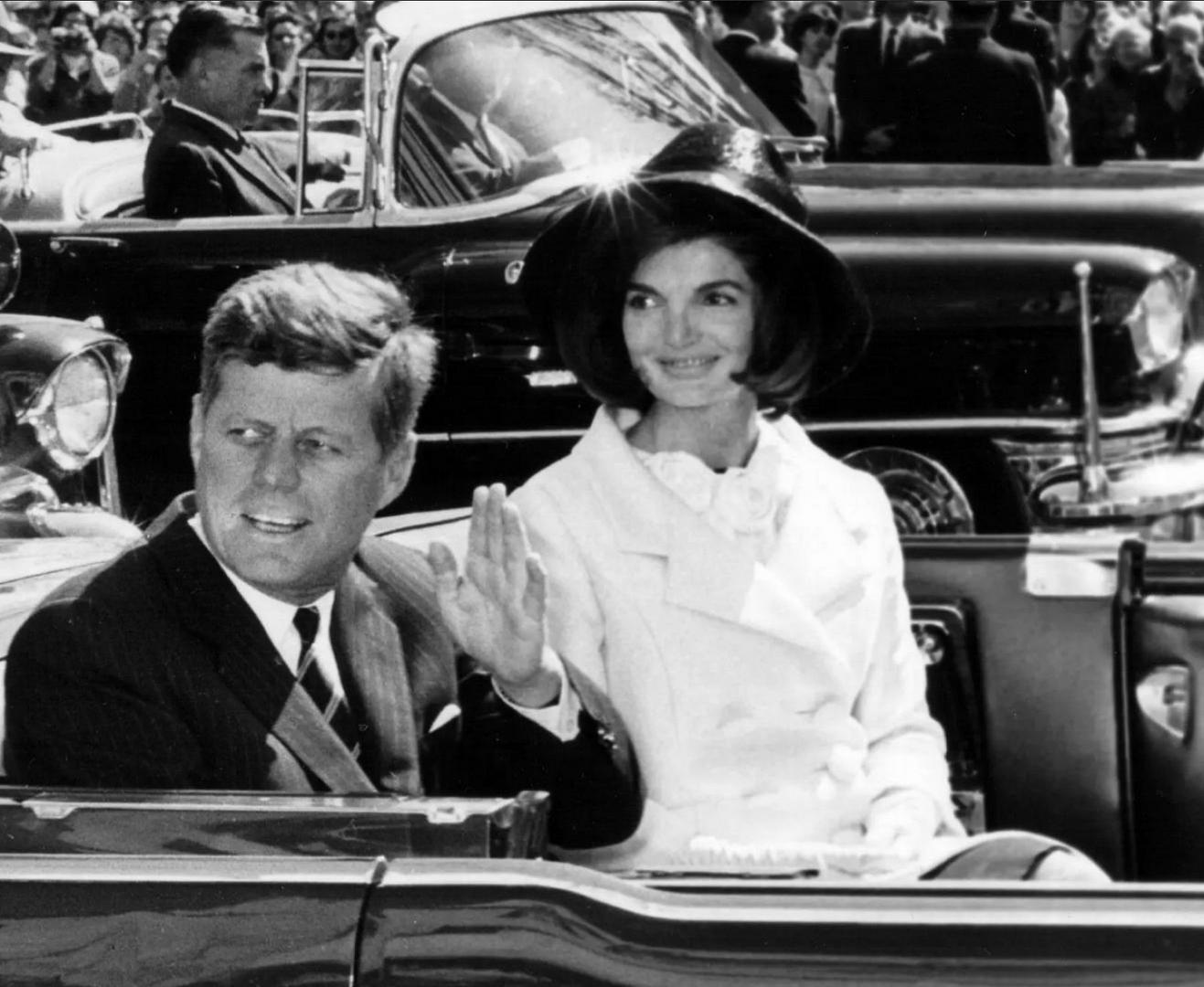
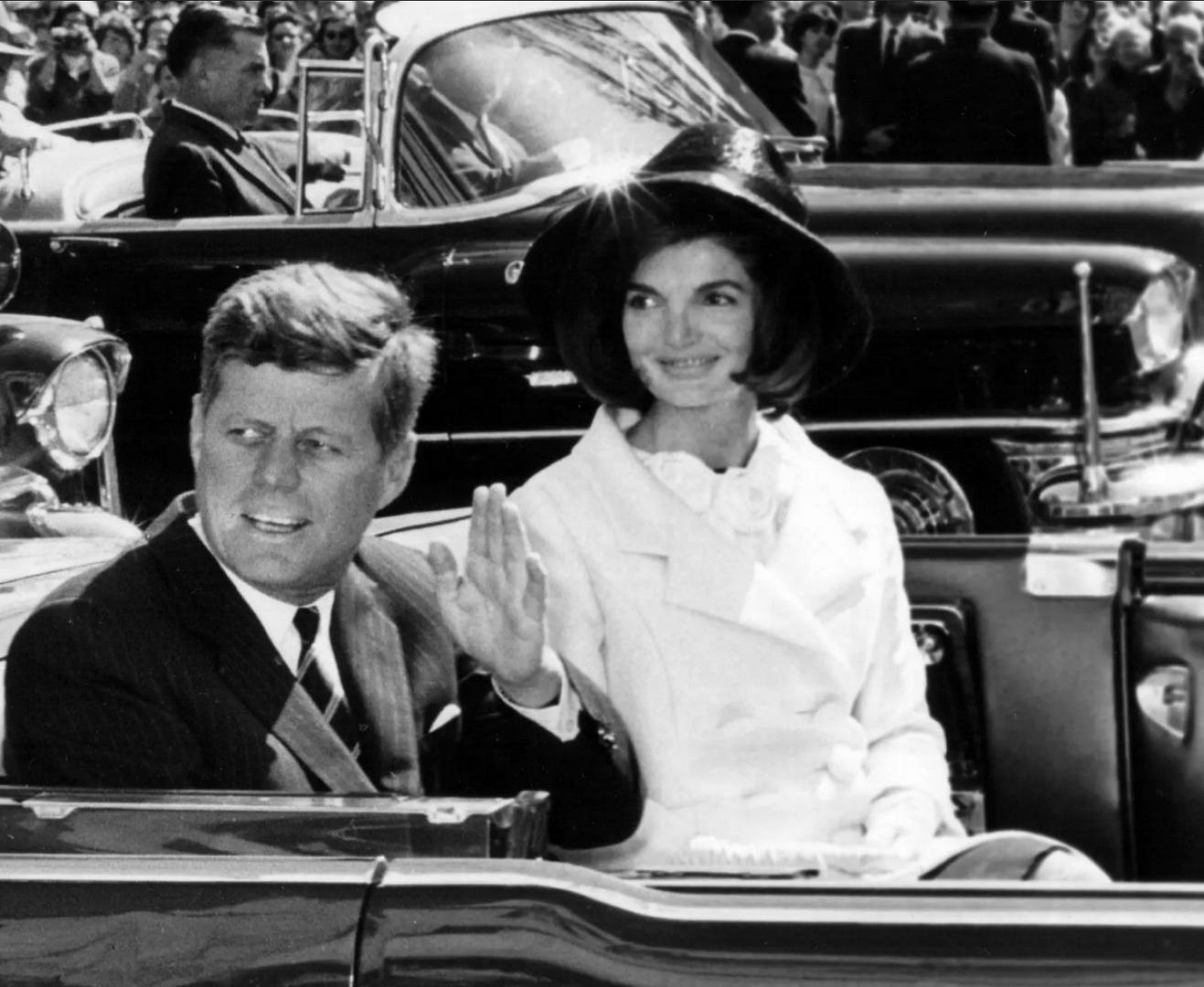
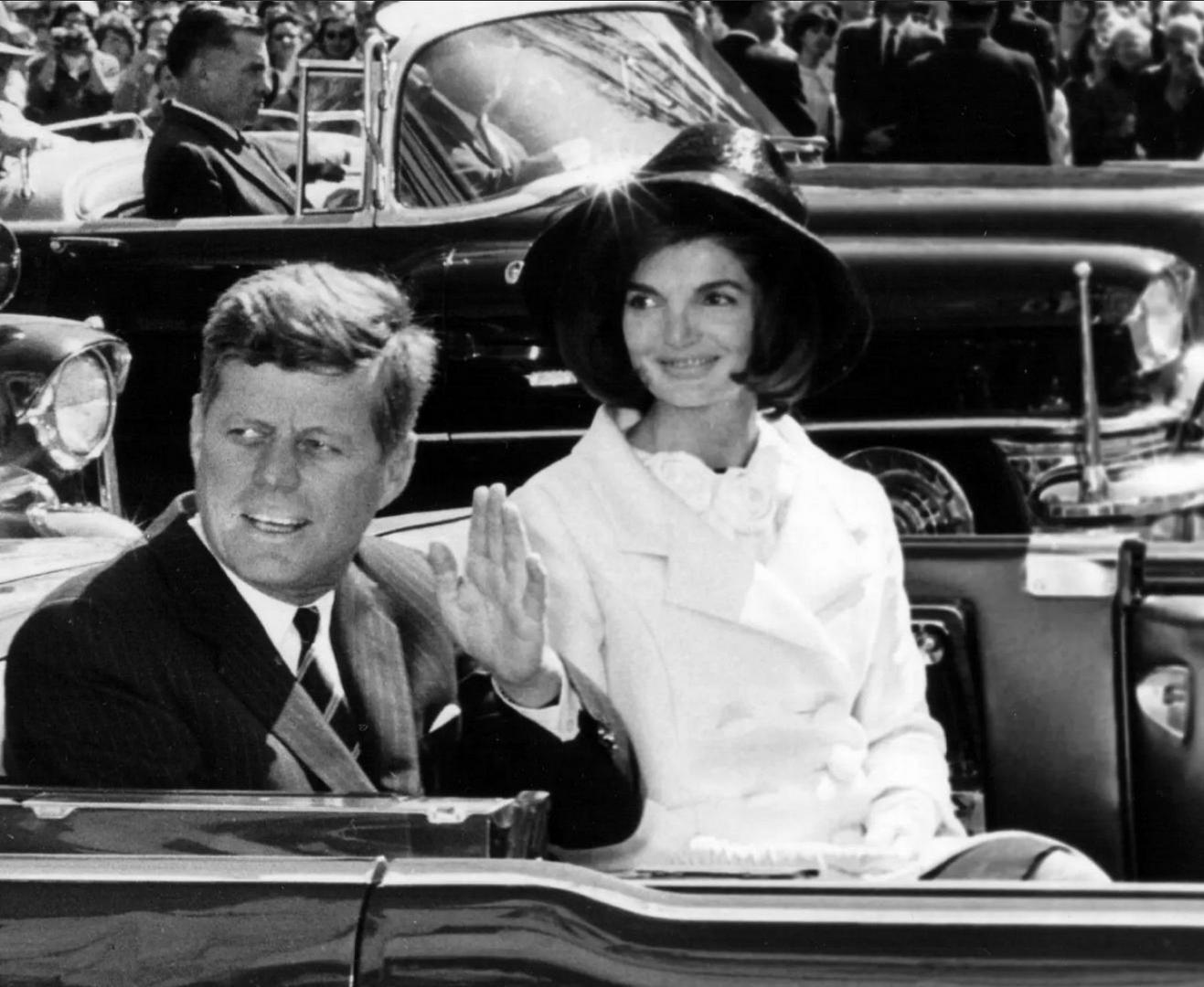
John F. Kennedy: The President with the Highest All Time Approva John F. Kennedy, the thirty fifth president of the United States. is still viewed as one of the most respected leaders in modern American history. Throughout his presidency, his approval rating stayed near 70 percent, which is one of the highest averages ever recorded. His standing is measured through the modern polling system that began in 1936, allowing his numbers to be compared across generations of presidents. Based on this long record of surveys, Kennedy holds the highest average approval of any president in the polling era. Kennedy's popularity came from his personality, message, and calm leadership during major challenges. His inaugural address, urging Americans to serve their country, became one of the mostmemorable speeches in US history. During the Cuban Missile Crisis in 1962, he quided the country through thirteen days of extreme tension, preventing nuclear conflict and earning wide respect. His support for early civil rights efforts and his commitment to the space program added to the sense that he was leading the nation into a new and ambitious era Surveys taken long after his death show how strong his legacy remains. One major poll found that 85 percent of Americans approved of his performance when looking back on his presidency. Even during difficult periods, such as the aftermath of the Bay of Pigs invasion, Kennedy kept approval ratings above 70 percent, something few presidents have matched. His calm approach, clear communication, and ability to connect with the public helped him maintain support across states, age groups. and political backgroundsKennedy's consistently high approva demonstrates how trust and confidence from the public shape a president's place ir nistory. Although he served less than one full term, his leadership during world crises and his appeal to national unity left a lasting mark. #Politics #USA #History #USHistory #America

Rachel Marie

John F. Kennedy: The President with the Highest All Time Approva John F. Kennedy, the thirty fifth president of the United States. is still viewed as one of the most respected leaders in modern American history. Throughout his presidency, his approval rating staved near 70 percent, which is one of the highest averages ever recorded. His standing is measured through the modern polling system that began in 1936, allowing his numbers to be compared across generations of presidents. Based on this ong record of survevs, Kennedy holds the highest average approval of any president ir the polling era Kennedy's popularity came from his personality, message, and calm leadership during major challenges. His inaugural address, urging Americans to serve their country, became one of the mostmemorable speeches in US history. During the Cuban Missile Crisis in 1962, he quided the country through thirteen days of extreme tension, preventing nuclear conflict and earning wide respect. His support for early civil rights efforts and his commitment to the space program added to the sense that he was leading the nation into a new and ambitious era Survevs taken long after his death show how strong his legacy remains. One major poll found that 85 percent of Americans approved of his performance when looking back on his presidency. Even during difficult periods, such as the aftermath of the Bay of Pigs invasion, Kennedy kept approval ratings above 70 percent, something few presidents have matched. His calm approach, clear communication, and ability to connect with the public helped him maintain support across states, age groups, and political backgroundsKennedy's consistently high approva demonstrates how trust and confidence from the public shape a president's place in history. Although he served less than one full term, his leadership during world crises and his appeal to national unity left a lasting mark. #Politics #USA #History #USHistory #America

1776 Patriot

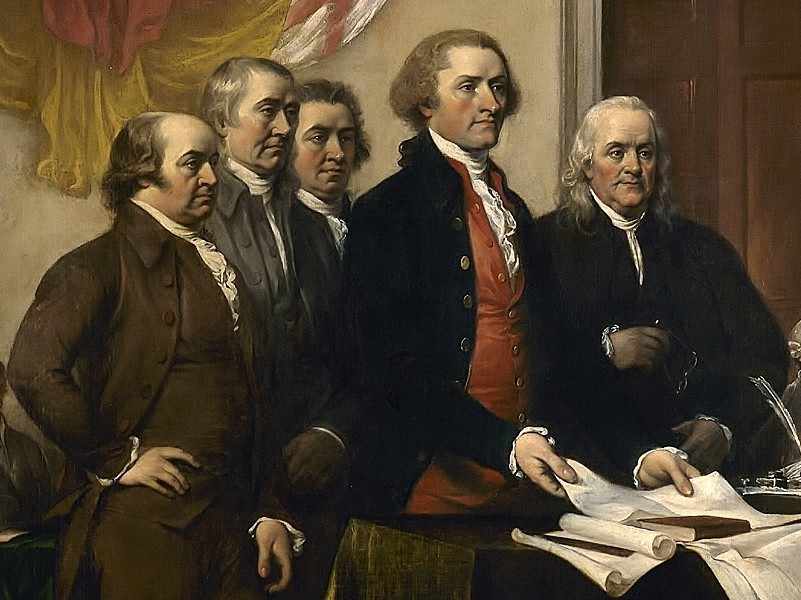
Founding Father Sherman’s Art of the Deal: Saving America in 1787 At the Constitutional Convention, 55 delegates from 12 states met from May to September 1787 in near-total secrecy. Rhode Island refused to attend. Windows were closed against the summer heat, and notes were forbidden to leave the room. The nation hung in the balance. Large states backed the Virginia Plan, demanding representation by population. Small states backed the New Jersey Plan, insisting on equal votes. Virginia had over 500,000 residents; Delaware had fewer than 60,000. Delegates warned that without agreement, the union could fracture before it began. Roger Sherman, a Connecticut shoemaker turned statesman, and Oliver Ellsworth proposed the Connecticut Compromise, the first national legislature to combine proportional representation in one chamber with equal state representation in another in a federal system. The House would be apportioned by population; the Senate would give two votes per state. Revenue bills would originate in the House, while all legislation required Senate approval. The plan passed a 5-to-4 committee vote before adoption by the full Convention, breaking the deadlock and keeping smaller states at the table. The compromise was revolutionary. It forced rival states into a single functional system. It embedded conflict within a durable framework that allowed debate without collapse. Large and small states were bound together in a union that would endure. Congress still operates under this structure. More than 70 countries today use bicameral legislatures, including Germany, Australia, and India. Without Sherman and Ellsworth’s daring compromise, the American experiment in self-government might never have survived. #History #USHistory #America #USA #Constitution101 #Politics #Congress

THESE VALUES

John F. Kennedy: The President with the Highest All Time Approva John F. Kennedy, the thirty fifth president of the United States. is still viewed as one of the most respected leaders in modern American historv. Throughout his presidency, his approval rating stayed near 70 percent, which is one of the highest averages ever recorded. His standing is measured through the modern polling system that began in 1936, allowing his numbers to be compared across generations of presidents. Based on this long record of surveys, Kennedy holds the highest average approval of any president in the polling era. Kennedy's popularity came from his personality, message, and calm eadership during major challenges. His naugural address, urging Americans ta serve their country, became one of the most memorable speeches in US history During the Cuban Missile Crisis in 1962, he quided the country through thirteen davs of extreme tension, preventing nuclear conflict and earning wide respect. His support for early civil rights efforts and his commitment to the space program added to the sense that he was eading the nation into a new ana ambitious era Surveys taken long after his death show how strong his legacy remains. One maior poll found that 85 percent of Americans approved of his performance when looking back on his presidency Even during difficult periods, such as the aftermath of the Bay of Pigs invasion, Kennedy kept approval ratings above 70 percent, something few presidents have matched. His calm approach, clear communication, and ability to connect with the public helped him maintain support across states, age groups, and political backgrounds Kennedy's consistently high approval demonstrates how trust and confidence from the public shape a president's place in history. Although he served less than one full term, his leadership during world crises and his appeal to national unity left a lasting mark #Politics #USA #History #USHistory #America

Tag: ushistory | LocalAll