Tag Page usa

#usa
1776 Patriot

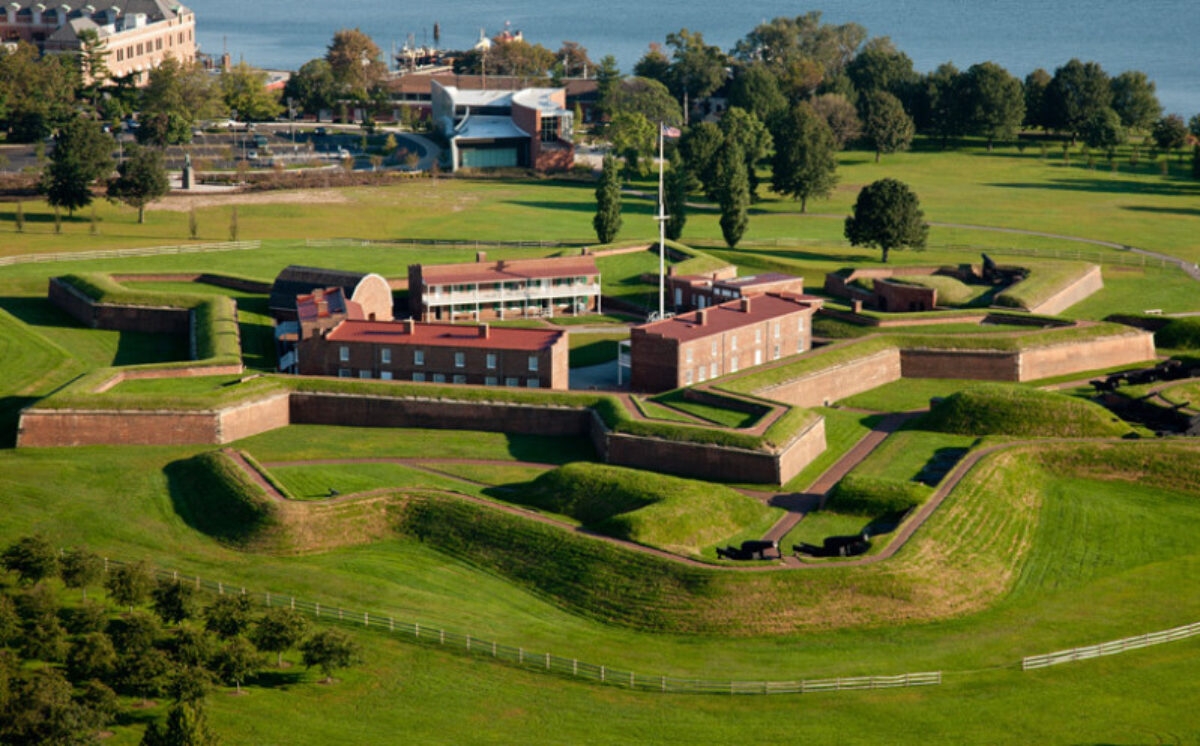
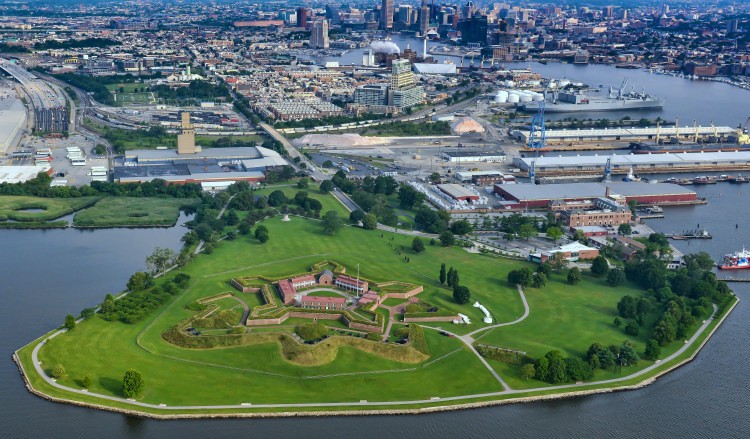
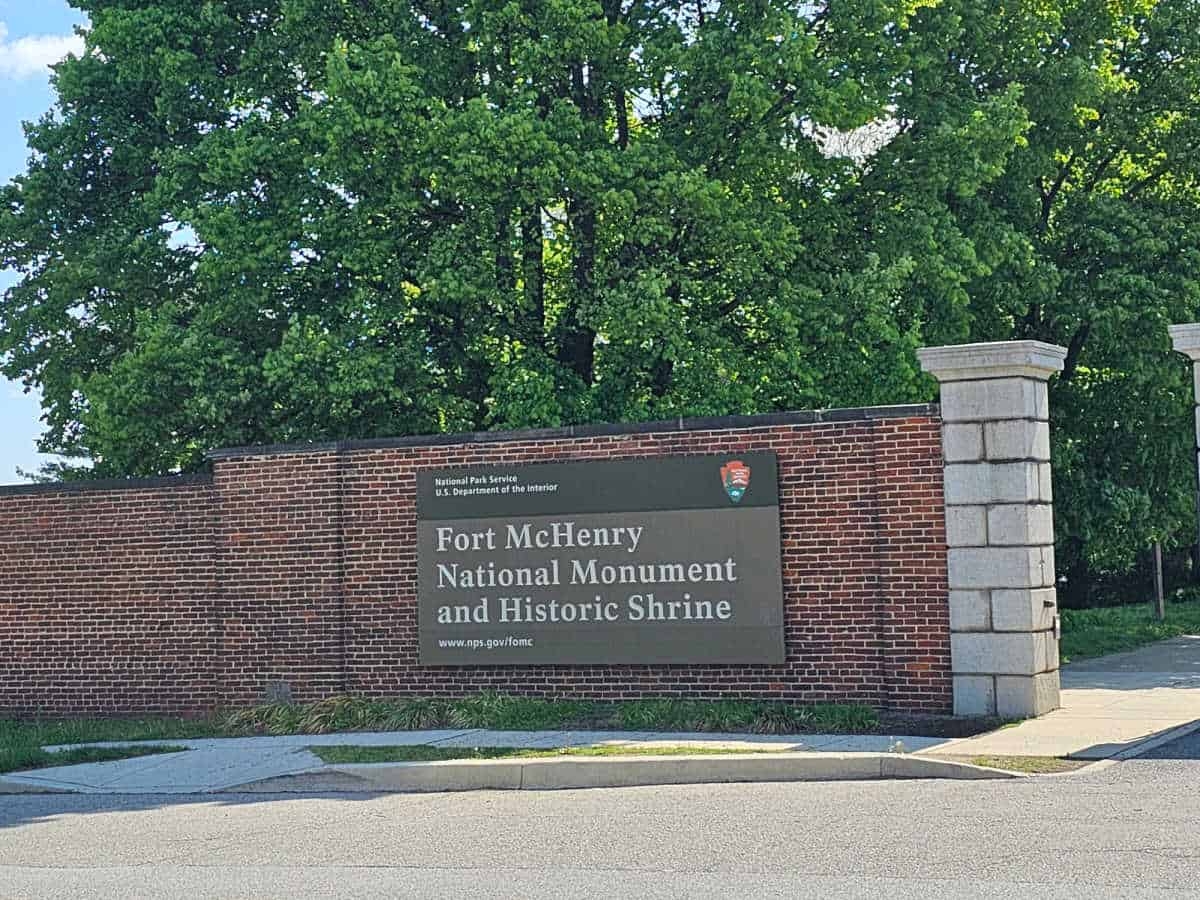
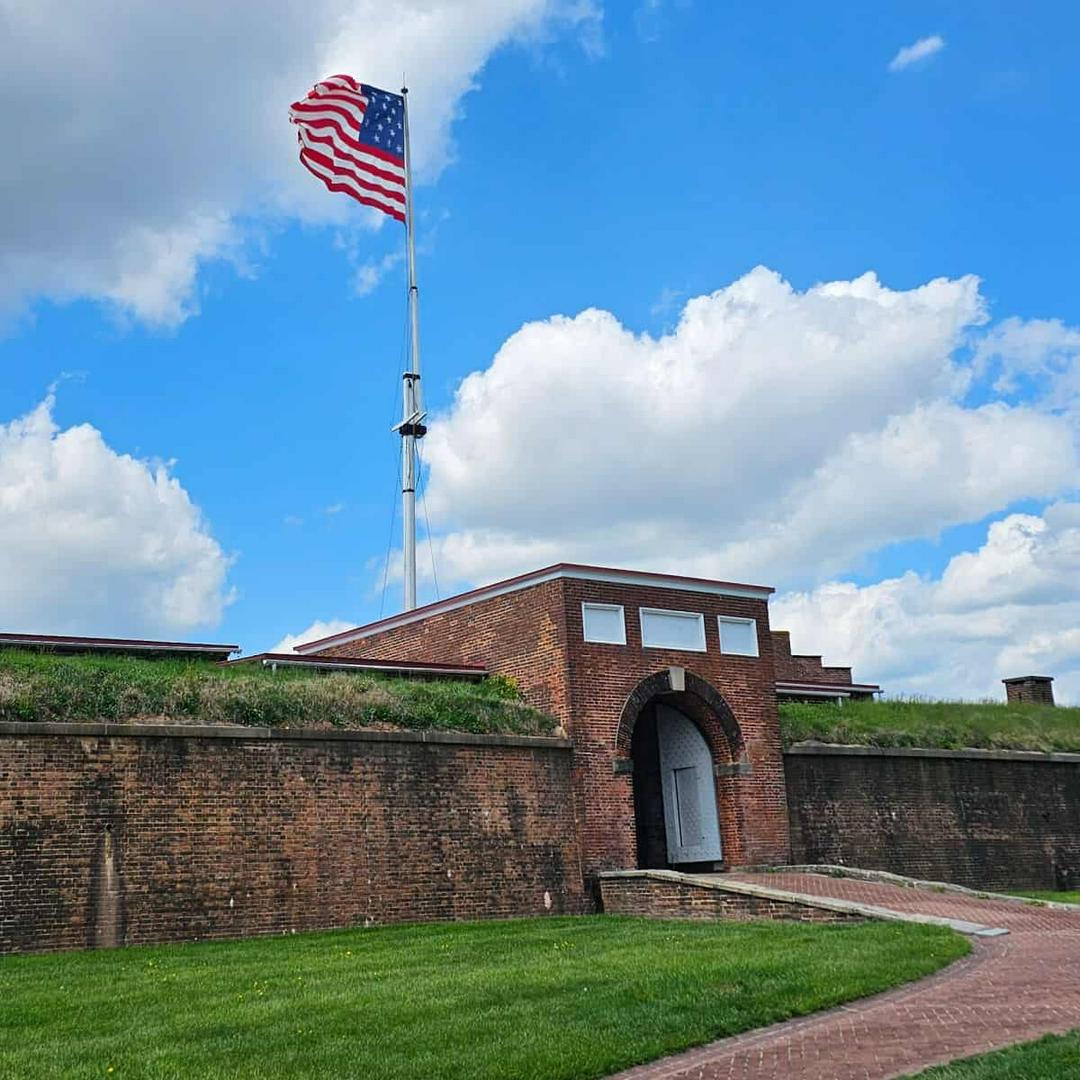
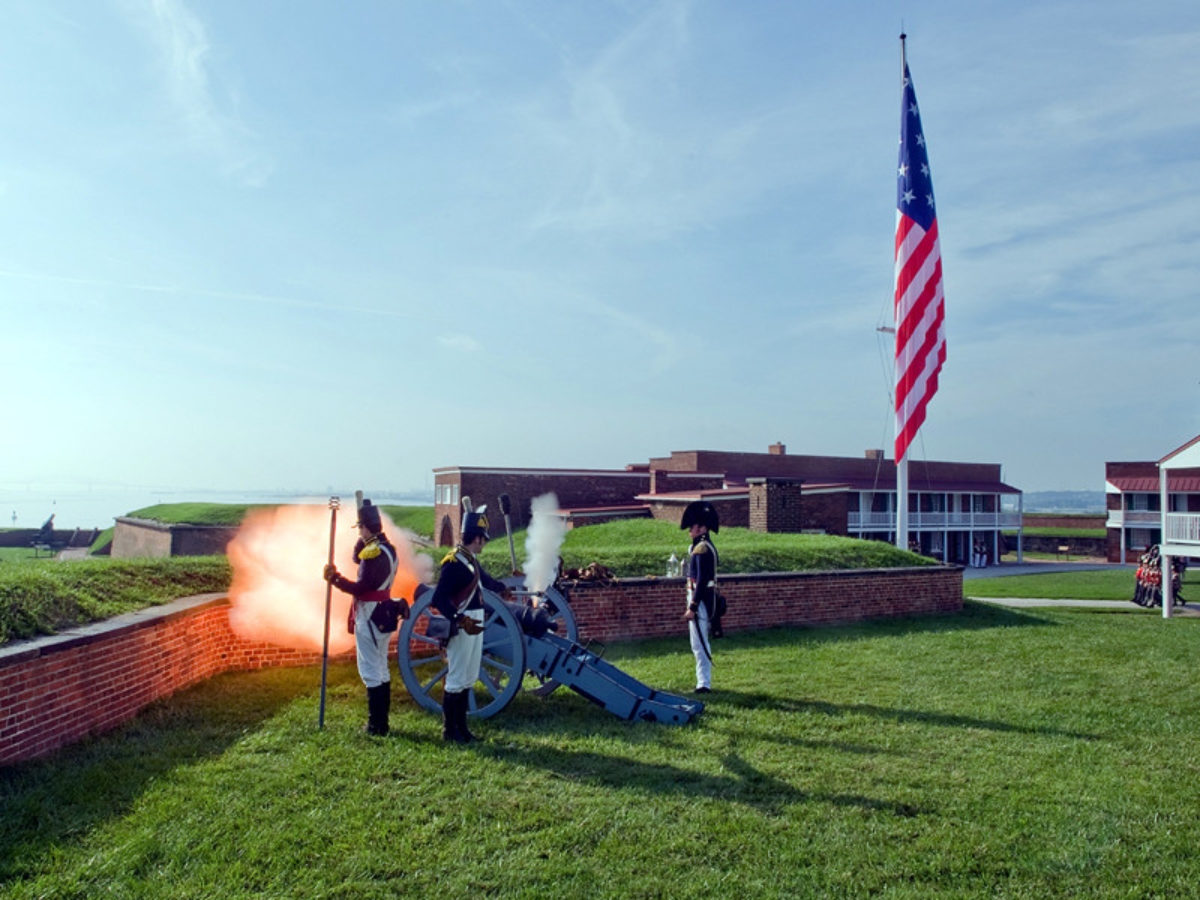
25 Hours That Shook America: The Siege of Fort McHenry The Siege of Fort McHenry, fought September 13 to 14, 1814, during the War of 1812, was one of the most decisive fort engagements in American history. The fort, located in Baltimore Harbor, Maryland, defended the city against a British force that had burned Washington, D.C., a month earlier. Fort McHenry was a five pointed star shaped masonry and earth fort, housing about 1,000 American defenders under Major George Armistead. Its artillery included over 150 guns, ranging from 42 pounder long guns to 6 pounders, positioned to cover the harbor channels. The British expeditionary force, led by Vice Admiral Sir Alexander Cochrane and Major General Robert Ross, included 4,000 troops and a naval squadron of 30 warships carrying over 1,000 cannons. The siege began with a continuous bombardment that lasted 25 hours, the longest in United States history. The British fired around 1,500 shells and rockets at the fort. Thick earthworks absorbed much of the damage, leaving minor breaches. American gunners returned fire continuously, targeting ships at up to 1,500 yards, showing accuracy and discipline under pressure. American casualties were low considering the scale, with about four dead and 24 wounded. British crews suffered higher losses from counterfire and rough seas. The fort’s defenders prevented a landing of British troops, forcing the attackers to retreat. At dawn, the large American flag still flew over the fort, inspiring Francis Scott Key to write the poem that became the U.S. national anthem. The siege demonstrated the value of well placed fortifications and disciplined artillery. British commanders underestimated the range and resilience of American guns. Accurate return fire disrupted their coordination. Fort McHenry’s defense became a symbol of national resilience, showing how smaller forces could repel superior numbers through fort design, artillery placement, and morale. #USHistory #EarlyAmerica #USA

1776 Patriot

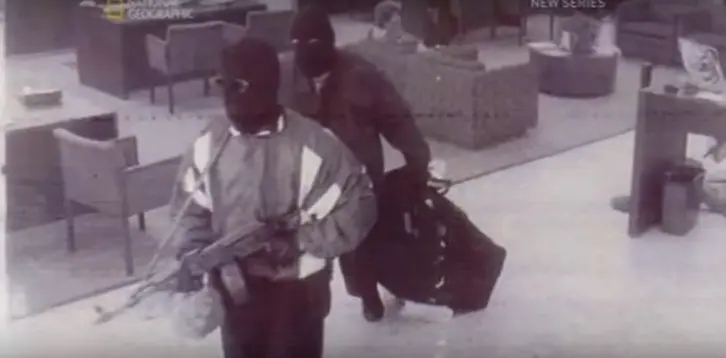
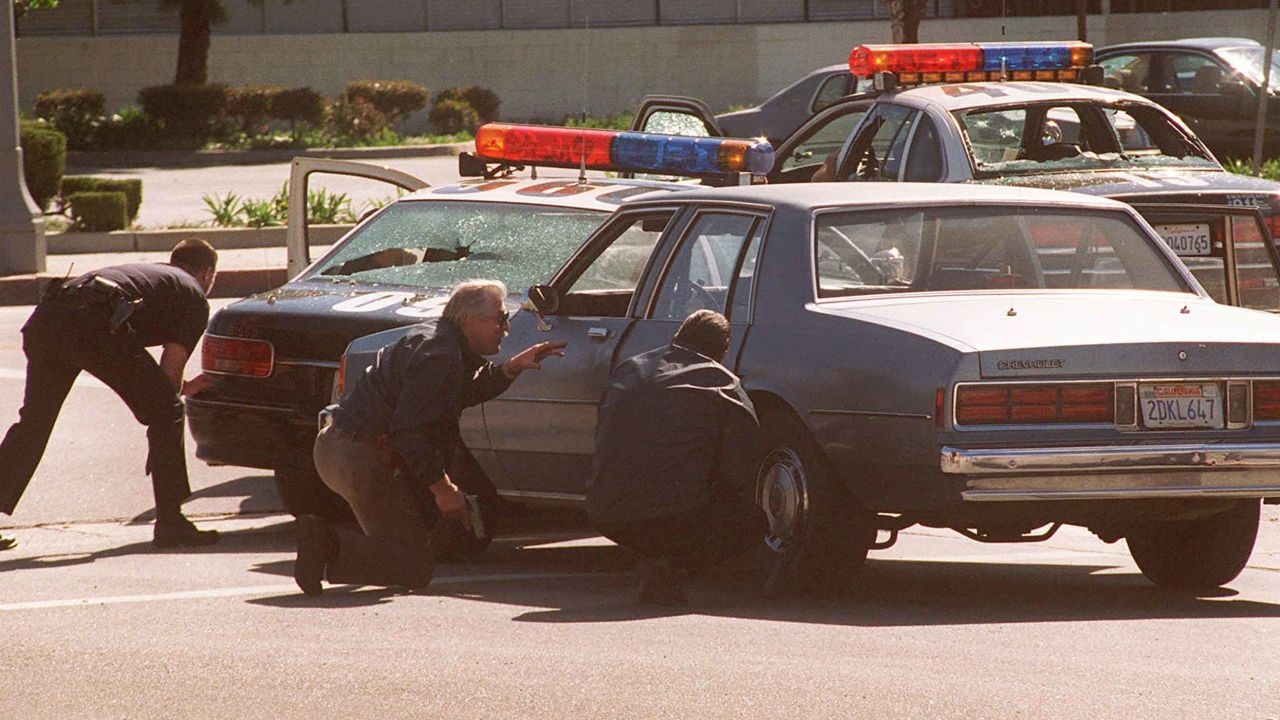
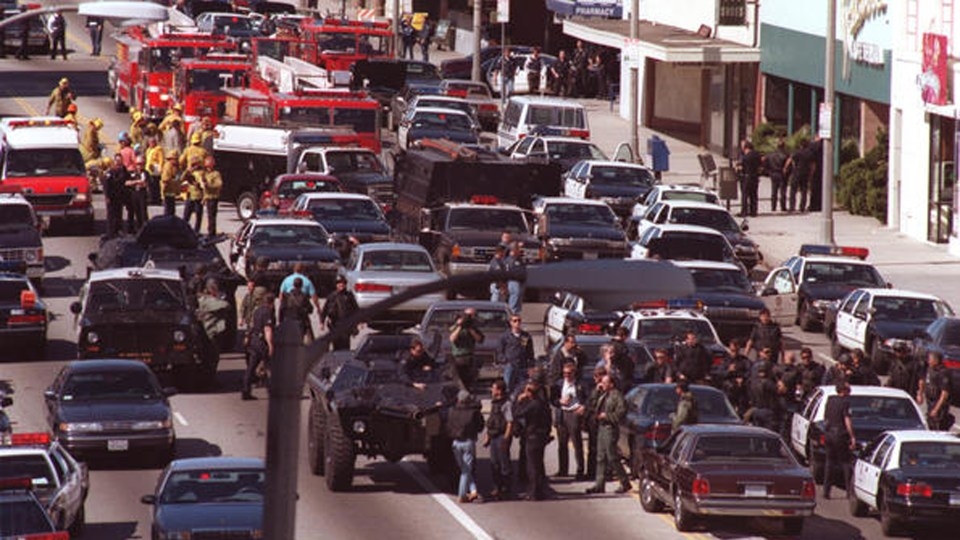
The Event That Changed Policing: America’s Biggest Bank Shootout On February 28, 1997, Los Angeles saw one of the most intense urban gunfights in U.S. history, later called the North Hollywood Shootout. Two robbers, Larry Phillips Jr. and Emil Mătăsăreanu, entered a Bank of America branch wearing homemade body armor. They carried multiple firearms, including fully automatic rifles, high-capacity magazines, and handguns. Their armor allowed them to withstand standard police sidearms and shotguns, making the initial confrontation extremely dangerous. Phillips and Mătăsăreanu had rehearsed their approach, anticipating how officers would respond, which extended the gun battle to 44 minutes across North Hollywood streets. Nearly 2,000 rounds were fired during the shootout, with bullets ripping through glass, bouncing off cars, and sending residents scrambling for cover. The robbers fired roughly 1,100 rounds, while officers returned 650 to 750 rounds. Officers found their standard-issue pistols largely ineffective against the robbers’ armor, forcing several to dash to nearby sporting goods stores to buy AR-style rifles and extra ammunition mid-shootout. Additional facts include that police helicopters helped coordinate movements from the air, the robbers’ bulletproof vests were made from multiple layers of heavy materials, and several bystanders captured the entire scene on camera, creating some of the first widely seen footage of an active shootout in real time. Eleven officers and seven civilians were wounded, but miraculously, no bystanders were killed. Both robbers died after the confrontation ended. The scale and intensity of the gunfight led to nationwide changes in police armament and training, with patrol units later equipped to handle heavily armed threats. Decades later, the North Hollywood Shootout is remembered as one of America’s largest real-life urban gun battles. #TrueCrime #America #History #USHistory #Hollywood #USA

1776 Patriot

America's Worst School Tragedy: The Event that Stunned A Nation

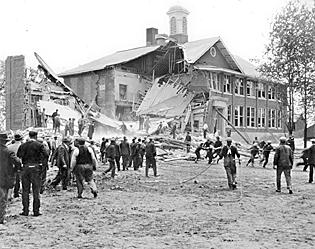
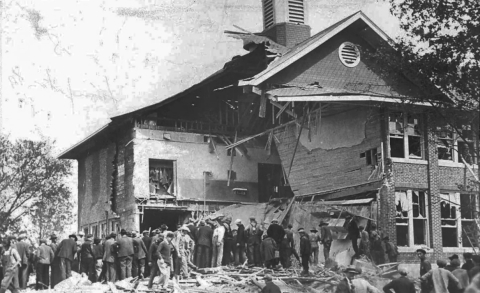
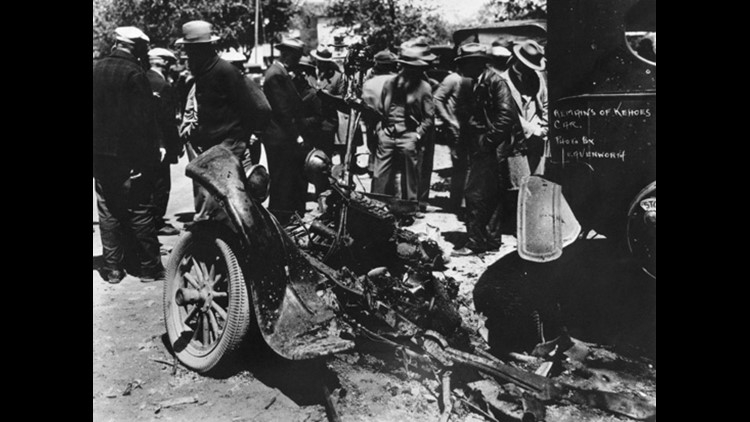
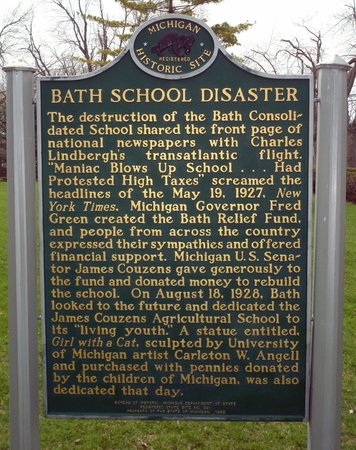
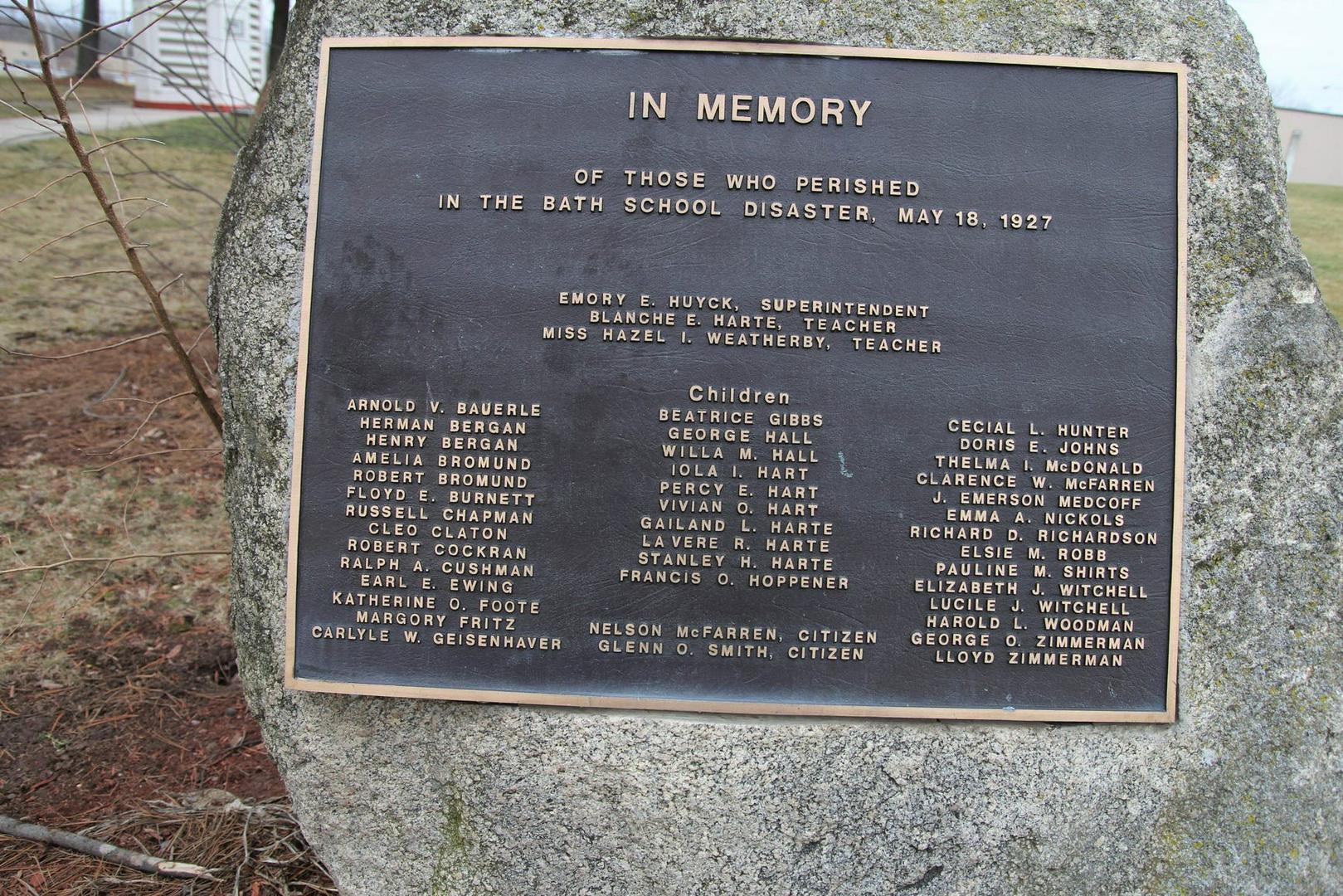
On May 18, 1927, Bath Township, Michigan, became the site of one of the worst school massacres in history. The man responsible was Andrew Kehoe, a fifty-five-year-old farmer, electrician, and school board treasurer. Known for his mechanical skill and stern temperament, Kehoe was respected publicly but feared privately for his temper and control. Years of financial struggle and anger over rising taxes used to fund the new Bath Consolidated School pushed him over the edge. When foreclosure loomed over his farm, his bitterness turned into a detailed plan for revenge against his own community. Over several months, Kehoe began purchasing explosives under the pretense of clearing land. He bought dynamite from local hardware stores and pyrotol, a World War I surplus explosive, from a government outlet that sold it cheaply to farmers. Using his school access, he planted hundreds of pounds of dynamite and pyrotol beneath floors and in the basement, wiring them to clocks, batteries, and detonators to explode during classes. At home, Kehoe set another trap. He wired his barn and house with explosives, killed his wife, and set the property on fire. As neighbors ran to help, the first blast tore through the Bath Consolidated School at 8:45 a.m. The north wing disintegrated in a roar heard for miles. Parents raced toward the school, shouting their children’s names through smoke and debris. While rescuers searched for survivors, Kehoe drove up in a truck loaded with dynamite, gasoline, and scrap metal. He called the superintendent over, then detonated it, killing himself, the superintendent, and several others. In the ruins, investigators found another three hundred pounds of unexploded dynamite wired beneath the school’s south wing. In total, thirty-eight children and six adults died, and more than fifty were injured. The Bath School disaster remains one of the deadliest school attacks in American history. #History #USHistory #America #USA #HistoryNerd #Michigan

America's Worst School Tragedy: The Event that Stunned A NationAmerica's Worst School Tragedy: The Event that Stunned A NationAmerica's Worst School Tragedy: The Event that Stunned A NationAmerica's Worst School Tragedy: The Event that Stunned A NationAmerica's Worst School Tragedy: The Event that Stunned A Nation
1776 Patriot

Finding an Assassin: The Manhunt for John Wilkes Booth

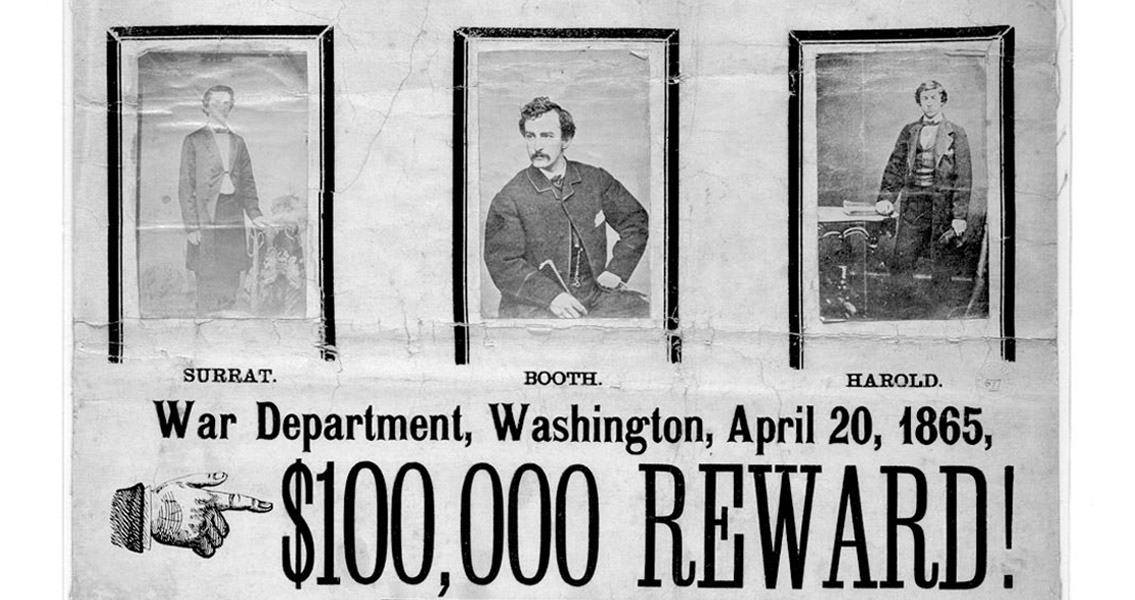
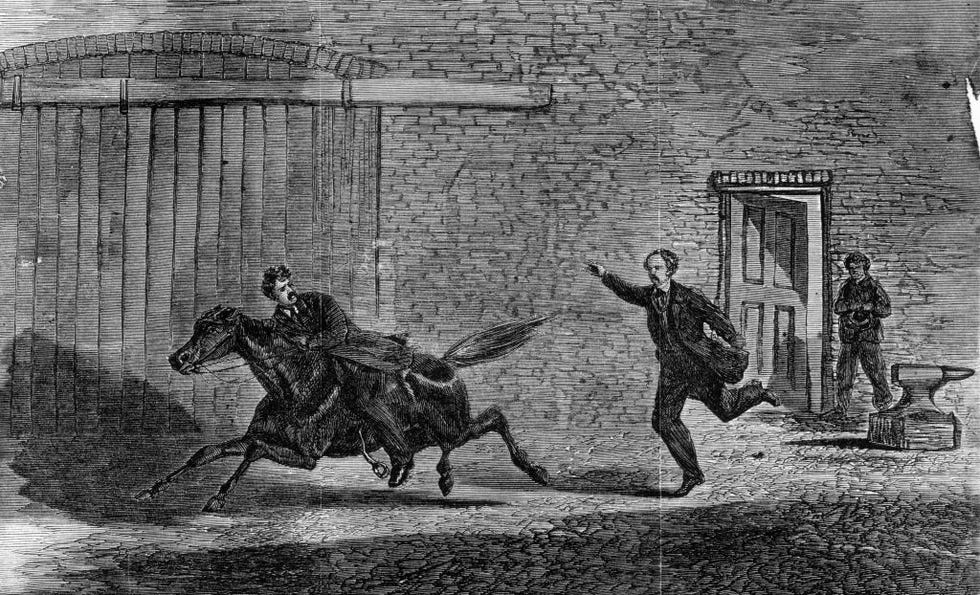
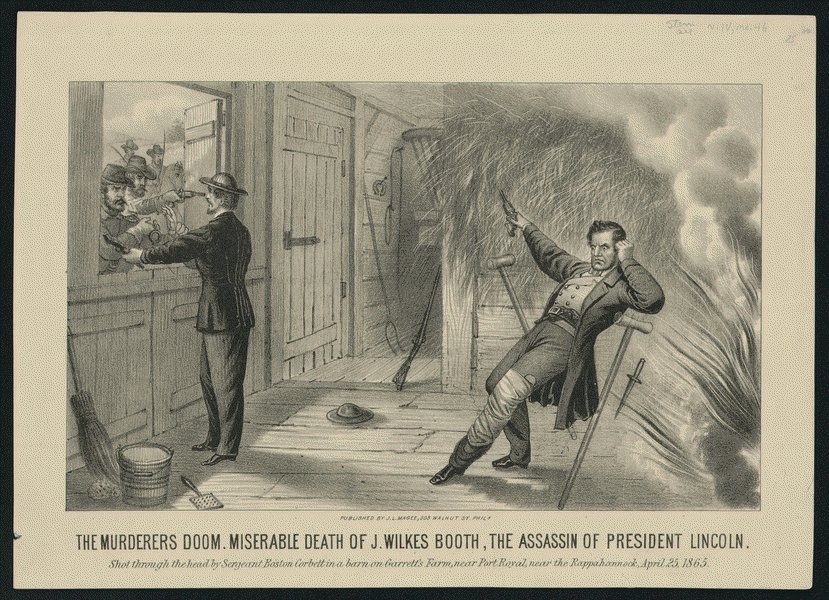
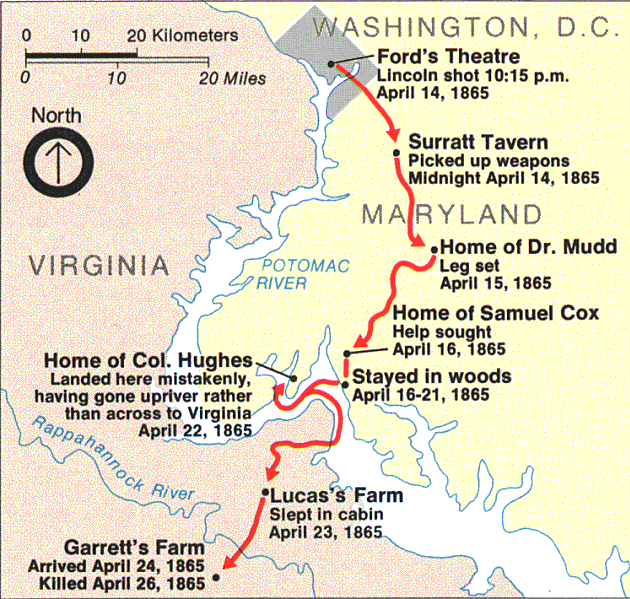
On the night of April 14, 1865, after assassinating President Abraham Lincoln at Ford’s Theatre, John Wilkes Booth vanished into the darkness of Washington. He crossed the Navy Yard Bridge into Maryland, his leg broke from the leap to the stage. Within hours, Secretary of War Edwin Stanton launched one of the largest manhunts in U.S. history. Telegraphs carried his description to surrounding states and mounted patrols sealed the capital. Rewards of $100,000 prompted tips, rumors, and informants. For days, Union forces pursued Booth and his accomplice David Herold across Maryland and Virginia. Cavalry swept roads, infantry scoured forests, and scouts tracked footprints through barns, and swamps. Detectives questioned locals, tavern keepers, and ferrymen, compiling leads that shifted squads across counties. At Surratt’s Tavern, Booth and Herold collected a carbine (gun), whiskey, and field glasses (portable telescopes for observing distant roads), left earlier, evidence later used against Mary Surratt. Farther south, they bartered for food and supplies, which locals soon reported. At Dr. Samuel Mudd’s home, Booth’s broken leg was set, as patrols pressed closer. The chase became a deadly game of anticipation. False sightings and misdirections tested Union coordination, but telegraph lines kept updates flowing. Cavalry patrolled roads, foot soldiers scoured farms, and units redeployed with every lead. Booth’s options dwindled as the net tightened, forcing him deeper into Virginia. The pursuit ended on April 26 at Richard Garrett’s farm near Port Royal. Lieutenant Edward Doherty’s cavalry surrounded the barn. Herold surrendered, but Booth refused, declaring he would never be taken alive. Soldiers torched the structure. Booth came to the door, raised his gun, and was struck in the neck by a bullet fired by Sergeant Corbett. He lingered for five hours before dying at dawn. The twelve-day manhunt was over. #USHistory #History #USA #America #Virginia #AmericanHistory

Finding an Assassin: The Manhunt for John Wilkes BoothFinding an Assassin: The Manhunt for John Wilkes BoothFinding an Assassin: The Manhunt for John Wilkes BoothFinding an Assassin: The Manhunt for John Wilkes Booth
1776 Patriot

Arkansas ICBM Silo Accident: When A Titan II Almost Went Nuclear

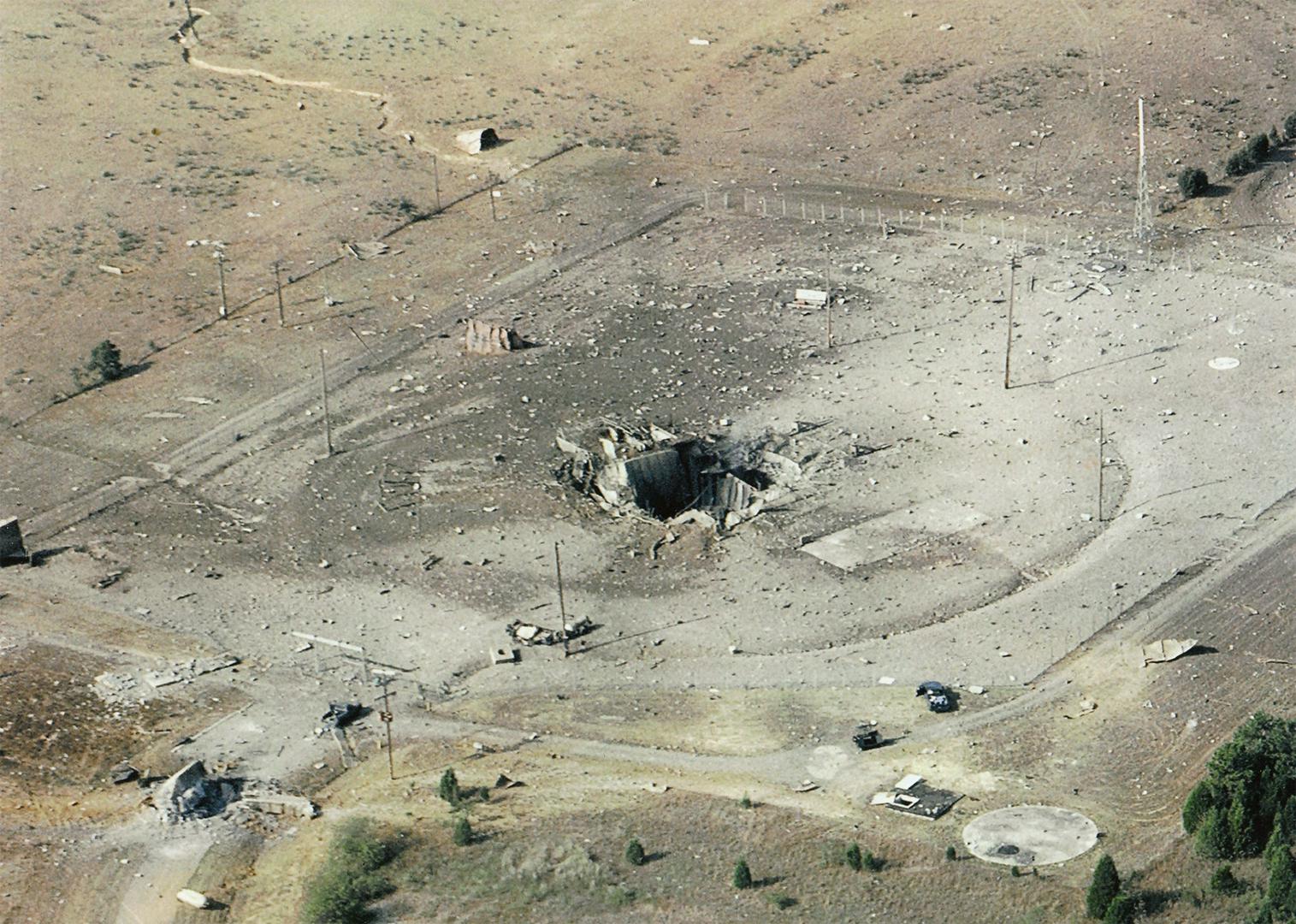
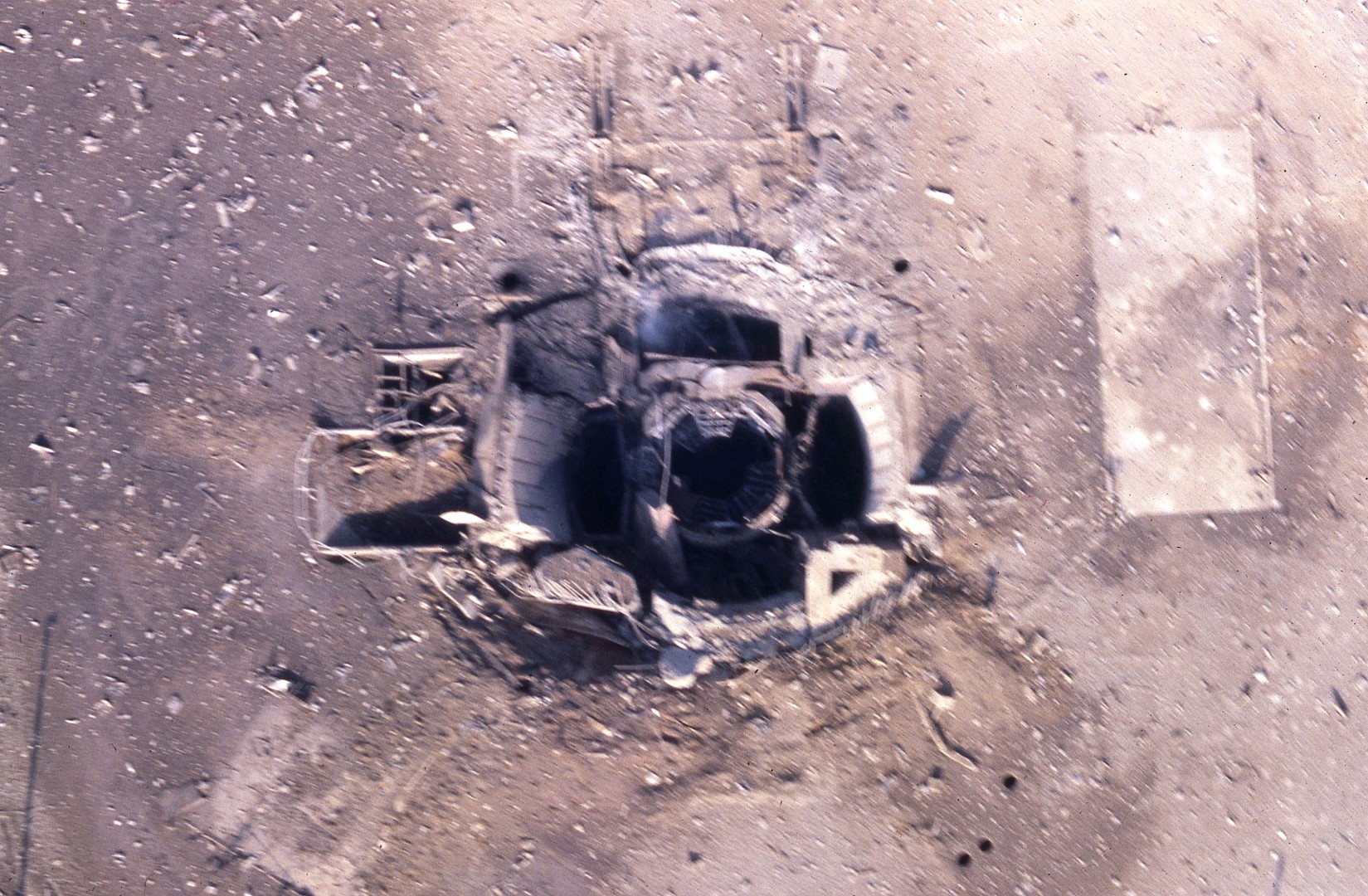
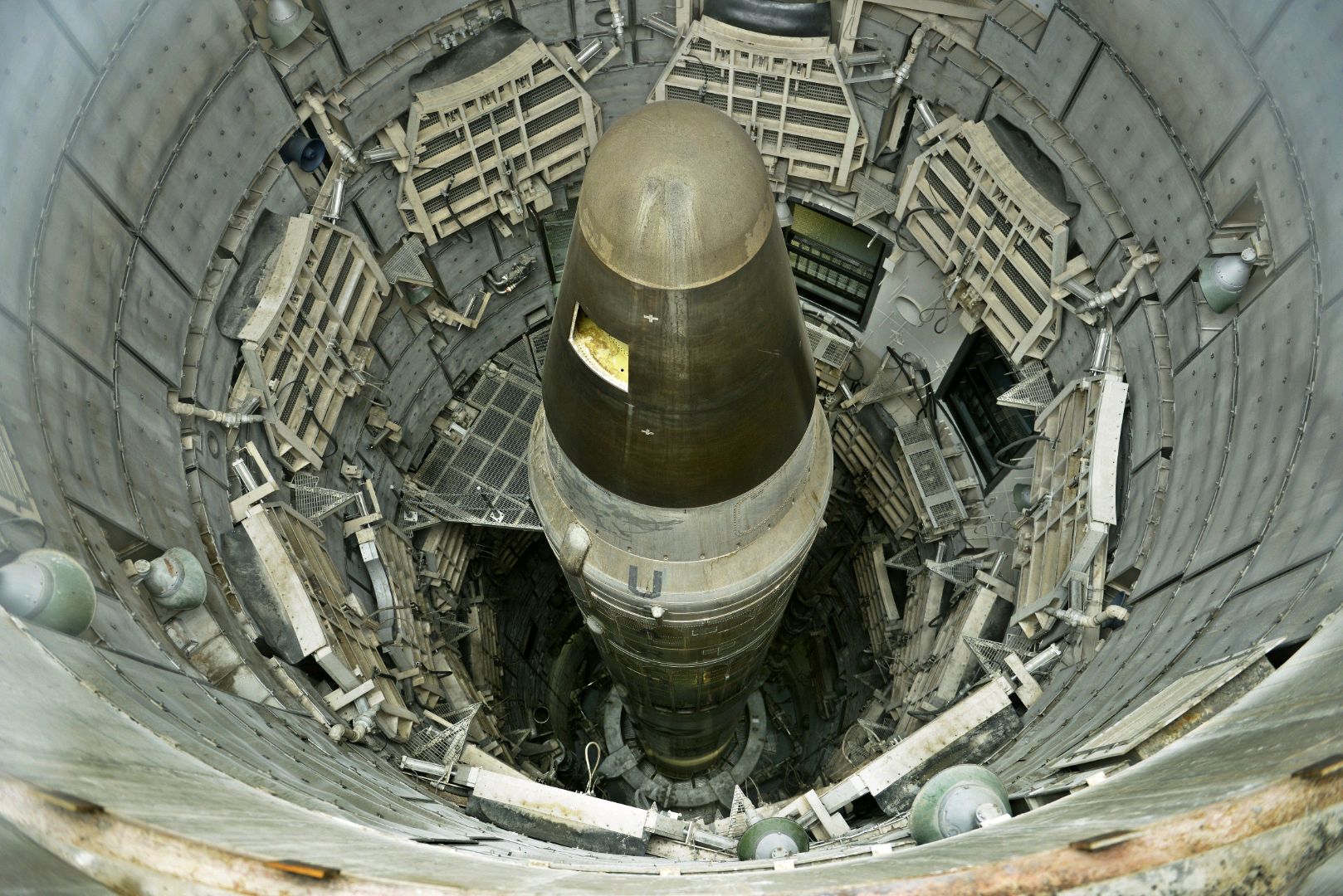
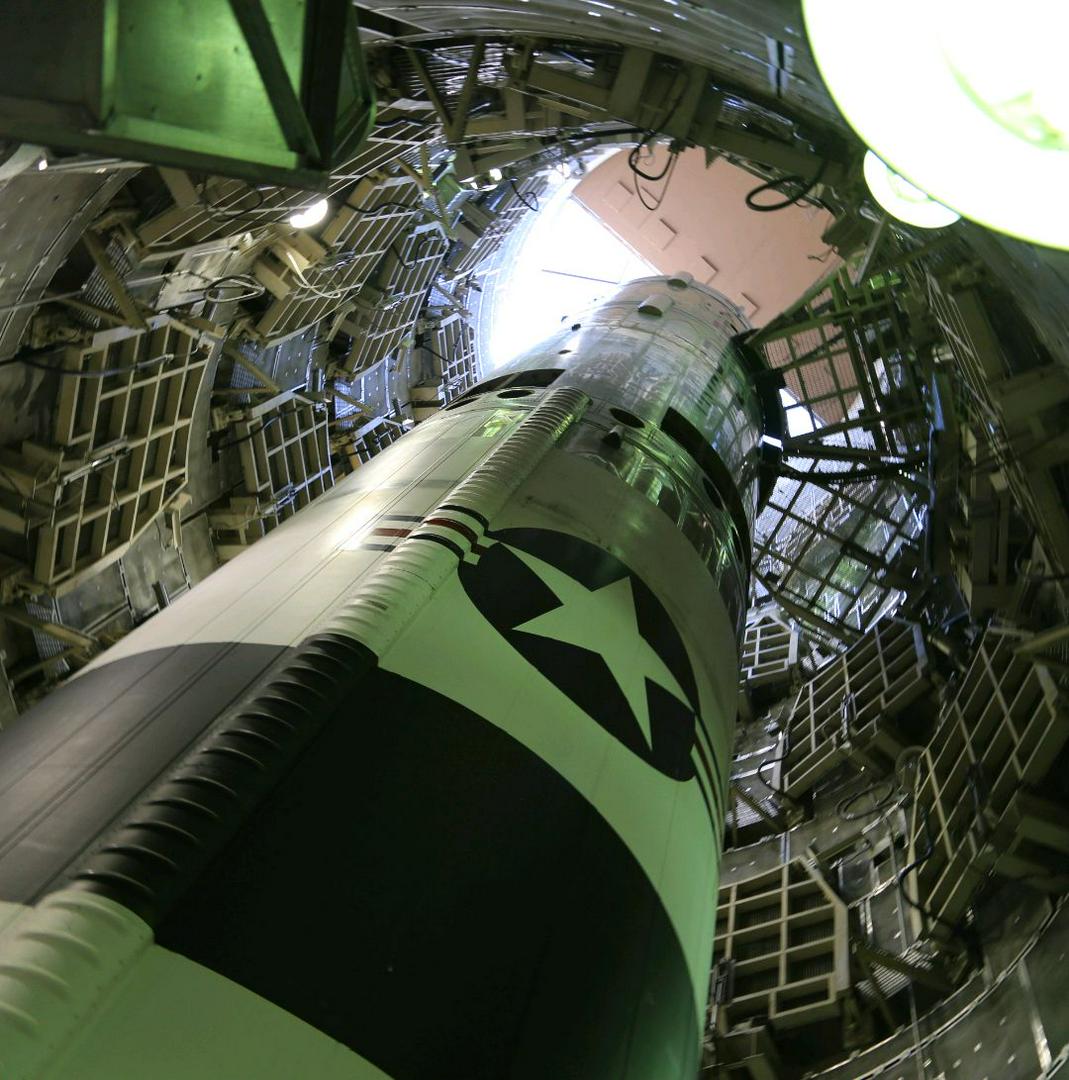
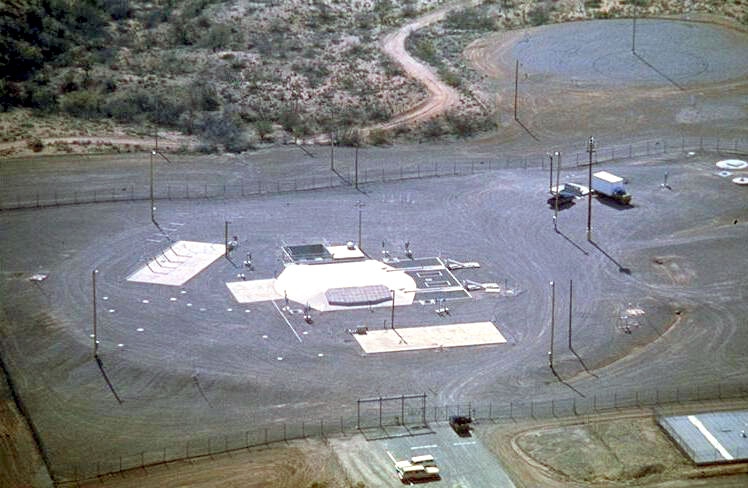
On September 18, 1980, a routine maintenance operation at Titan II Missile Complex 374-7 near Damascus, Arkansas, escalated into one of the most serious nuclear accidents in U.S. history. Airmen were performing detailed maintenance on the missile, which stood 103 feet tall, weighed 33 tons, and housed a W-53 thermonuclear warhead capable of 9 megatons, enough to destroy an entire city. During the operation, an airman accidentally dropped an 8-pound socket wrench. The tool fell roughly 80 feet, bounced off a steel thrust mount, and punctured the missile's first-stage fuel tank, releasing Aerozine 50, a highly flammable liquid propellant that reacts instantly with dinitrogen tetroxide. The silo, buried deep and designed to withstand conventional blasts, became a volatile trap. The Air Force evacuated personnel and began emergency containment. Crews attempted to pump water into the silo to dilute fuel vapors and vent pressure, but the chemical reaction persisted. Overnight, the situation worsened, and the combination of leaking fuel and oxidizer created a constant threat of fire or explosion. Around 3:00 a.m. on September 19, a massive explosion occurred, launching the 740-ton silo door hundreds of feet away. The missile and its W-53 warhead were ejected intact. Safety mechanisms prevented a nuclear detonation or radioactive release, but the blast destroyed the silo and nearby equipment. One airman was killed and 21 others injured, mostly emergency responders from Little Rock Air Force Base. Senior Airman David Livingston died, while others suffered burns, broken bones, and shock. The images of the blast became a stark symbol of the Titan II program's dangers. The Damascus accident revealed serious weaknesses in missile maintenance and emergency safety protocols. It showed how a minor error could almost trigger a nuclear catastrophe and prompted the Air Force to review safety measures across the missile program. #USHistory #History #USA #America #Missiles #Defense

Arkansas ICBM Silo Accident: When A Titan II Almost Went NuclearArkansas ICBM Silo Accident: When A Titan II Almost Went NuclearArkansas ICBM Silo Accident: When A Titan II Almost Went NuclearArkansas ICBM Silo Accident: When A Titan II Almost Went NuclearArkansas ICBM Silo Accident: When A Titan II Almost Went Nuclear
1776 Patriot

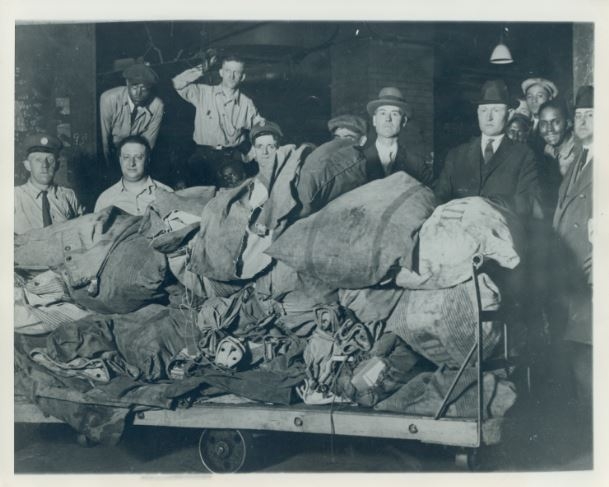
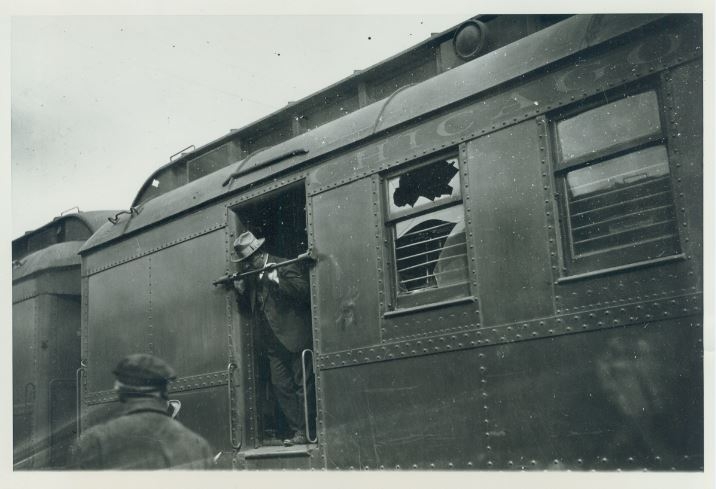
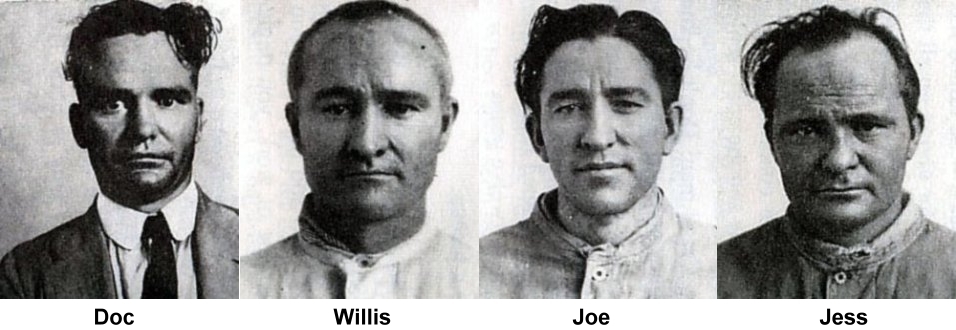
The 1924 Rondout Train Robbery: Largest Train Heist in American History The 1924 Rondout train robbery is the largest and most lucrative train heist in United States history. On June 12, 1924, a mail train operated by the Chicago Milwaukee St Paul and Pacific Railroad, called the Fast Mail, was stopped near Rondout Illinois, 30 miles north of Chicago. Six criminals carried out the robbery using inside knowledge from corrupt United States Postal Inspector William J Fahy, later convicted. Fahy knew train schedules, mail car layouts, and security procedures, enabling the robbery. The gang was led by brothers Willis, Jess, and Doc Newton of the Newton Gang. Willis and Doc boarded the northbound train leaving Chicago, forcing the engineer and fireman at gunpoint to stop near Rondout where four accomplices waited in automobiles. The robbers confronted crew and mail clerks using weapons and 12 tear gas smoke bombs to force compliance. They removed 45 mail sacks containing $2,137,000 in cash, money orders, securities, and valuables, equivalent to roughly $38,000,000 today. Each sack contained thousands of items including registered letters, small gold shipments, business payrolls, and government bonds. The gang had maps of train routes and schedules, allowing them to know exactly where to stop the train for the ambush. A critical error occurred when the engineer stopped 400 feet past the planned ambush point, causing confusion. During the chaos, Doc Newton was shot 5 times by a fellow conspirator and critically wounded. Doc fled to a Chicago residence, drawing suspicion. Authorities quickly identified three gang members and Fahy, revealing the inside job. Fahy received a 25-year federal prison sentence, the only Postal Inspector convicted of mail theft. Authorities recovered most stolen funds, but some items, including rare securities and cash, were never found. A simple bronze marker now marks the exact spot of America’s greatest train heist. #USHistory #History #USA
Curiosity Corner

The Unique Blond-Haired People of Melanesia In the Solomon Islands, a small population has a rare trait: dark skin with naturally blond hair. Roughly five percent display full blond hair, and about one in four carry the genetic variant. This trait comes from a change in the TYRP1 gene, which affects hair pigment but not skin. It is distinct from European blond hair and evolved independently. The same variant is less common in nearby islands. Importantly, this gene affects hair color only and does not directly change eye function, lung capacity, or physical performance. These communities are known for strong swimming and diving skills. Many can hold their breath for one to two minutes and dive several meters without equipment to gather food or navigate reefs. Their abilities come from daily interaction with the marine environment, where fishing and diving are essential. Regular practice strengthens lung capacity, oxygen use, and endurance. While lighter hair and occasionally lighter eyes may slightly improve underwater visibility, most diving skill comes from physical adaptation and cultural training. Some freediving populations, like the Bajau, show spleen enlargement to store oxygen, though this has not been measured in Melanesians. From an evolutionary perspective, as Darwin described, traits that improve survival increase in frequency. On isolated islands, the ability to swim, dive, and gather food efficiently provides an advantage. Over generations, individuals excelling at these skills thrive, illustrating natural selection in action. Compared to most people, Melanesians with this trait combine a distinctive appearance with deep-water skills and physical adaptations shaped by environment and culture, showing how genetics and lifestyle interact to produce both striking appearance and practical abilities. #Genetics #Science #ScienceNews #News #USNews #America #USA

1776 Patriot

America’s First Serial Killers: The Harpe Brothers

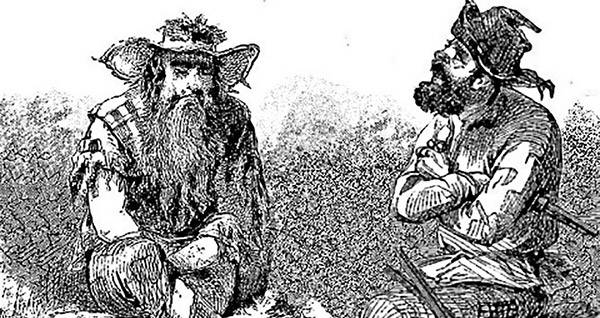
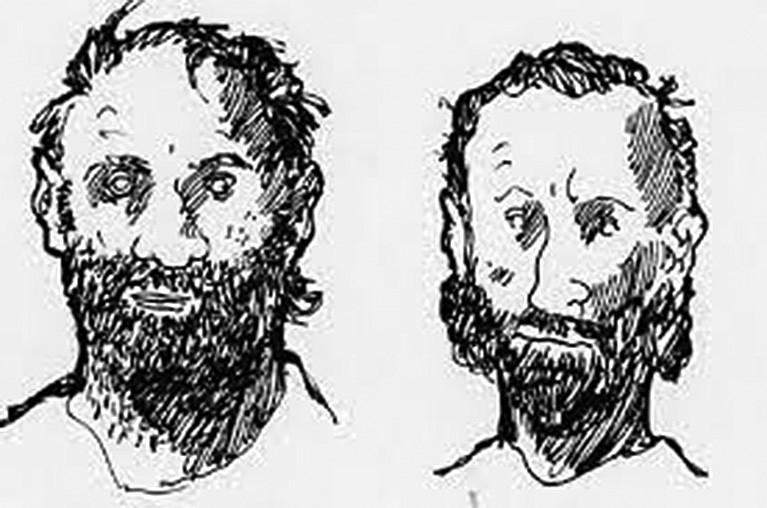
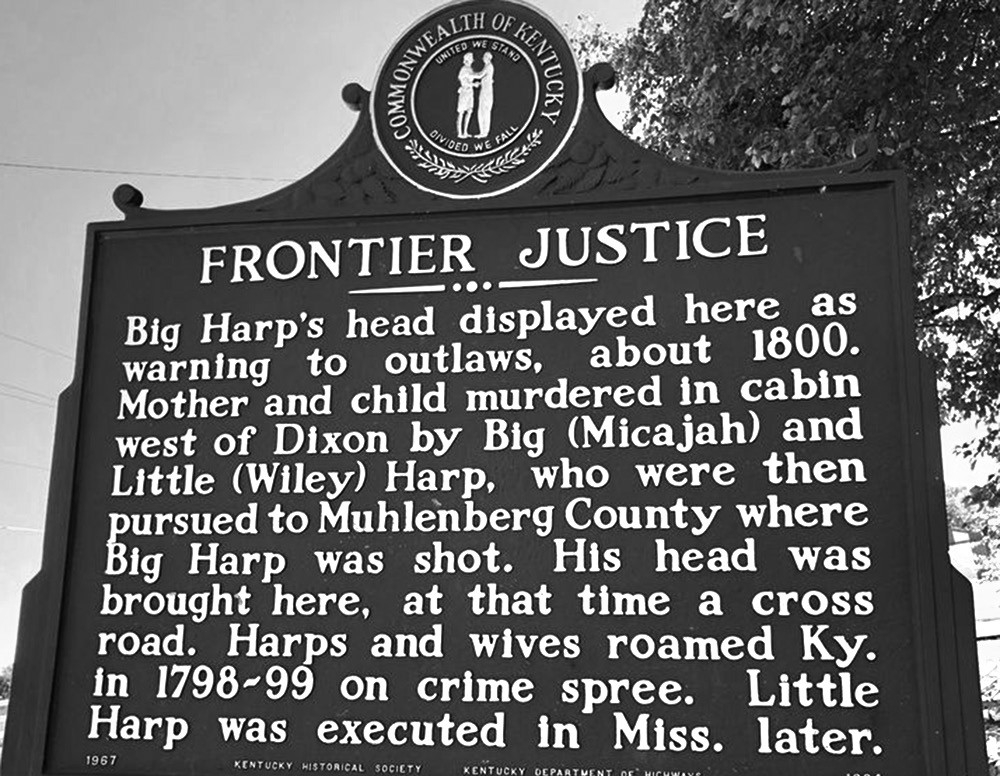
In the chaotic years after the American Revolution, the frontier was lawless, and danger lurked behind every tree. Among its deadliest threats were the Harpe brothers, Micajah “Big Harpe” and Wiley “Little Harpe.” From the early 1790s until 1799, they terrorized Kentucky, Tennessee, and the Ohio Valley, becoming America’s first documented serial killers. Unlike ordinary thieves, they killed for pleasure. Travelers, farmers, and children alike vanished or were found mutilated. Witnesses recalled attacks carried out with rifles, knives, brute force, and bodies dumped in rivers or shallow graves. Families who showed them hospitality often paid with their lives. Investigators faced enormous challenges. Sheriffs patrolled vast territories with few deputies, relying on terrified settlers’ fragmented reports. Survivors recounted horrifying scenes: Big Harpe grinning as he stabbed a merchant in 1797, Little Harpe forcing a child to kneel before shooting him in 1798. Authorities tracked patterns in victim locations, repeated sightings along trails, and the brothers’ distinctive clothing, noting they often traveled with women and children. Wanted notices circulated and newspapers printed descriptions, sparking one of the earliest wide-scale manhunts in American history. The brothers’ unpredictability was chilling. They could appear courteous one moment, erupting into sudden, brutal violence the next. Patterns emerged: families slaughtered in cabins, lone riders gunned down on trails, infants killed for sport. Theft was rare, suggesting the murders were driven purely by sadistic thrill. Their reign ended in June 1799 when Big Harpe murdered the wife and infant of settler Moses Stegall. Stegall formed a posse, tracked Harpe through the Kentucky wilderness, and killed him himself. To send a warning, he decapitated Harpe and mounted the head on a stake by the road, leaving it there for weeks. Little Harpe initially escaped but was later captured and executed. #History #USA

America’s First Serial Killers: The Harpe BrothersAmerica’s First Serial Killers: The Harpe BrothersAmerica’s First Serial Killers: The Harpe BrothersAmerica’s First Serial Killers: The Harpe Brothers
1776 Patriot

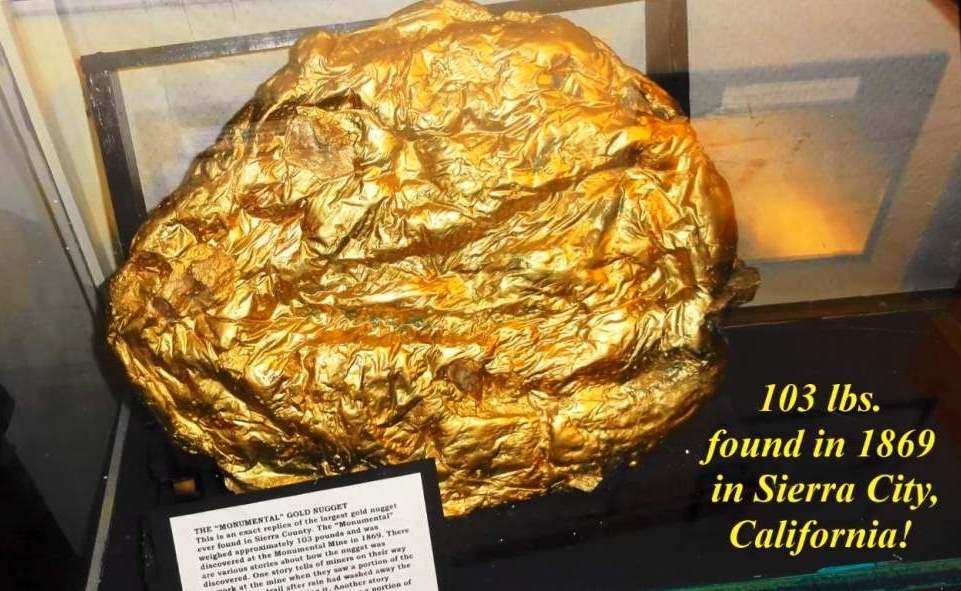
The Monumental Nugget: America’s Largest Gold Nugget In the high reaches of the Sierra Nevada, where rivers carve steep valleys and the land still carries the memory of the Gold Rush, one discovery outshone all others. This was the Monumental Nugget, nicknamed “The Sierra Buttes Treasure,” unearthed in 1869 near Sierra City, California. The nugget weighed an astounding 103 pounds in raw form and contained about 82 pounds of pure gold. To visualize it, the nugget was heavier than an average eight-year-old child and larger than most bowling balls. The crew that discovered it had been working a claim with only modest returns. While clearing old gravel, one miner struck something unusually heavy. As they uncovered it, they realized the nugget was so large they needed several men to lift it. News spread rapidly, and miners from surrounding camps trekked miles to see the historic find. Local towns celebrated for days, and merchants saw a sudden rush of curious visitors eager to glimpse the treasure. Large gold nuggets are exceedingly rare because gold generally forms in thin veins. Natural erosion, pressure, and chemical changes break larger masses into smaller flakes over time. Experts estimate that fewer than one in many millions of nuggets exceeds twenty pounds. By comparison, the Dogtown Nugget at 54 pounds and the Carson Nugget at 45 pounds were enormous but still far smaller than the Monumental Nugget. Most modern prospectors recover only small pieces weighing ounces, making finds like this almost legendary. The Monumental Nugget was eventually melted down for its gold value, a fate common to historic nuggets. Even without the original piece, its story endures as a testament to the extraordinary surprises that once lay hidden in the American frontier and the enduring allure of striking it rich. #GoldRush #FoundTreasure #America #USA #History #USHistory #Science

1776 Patriot

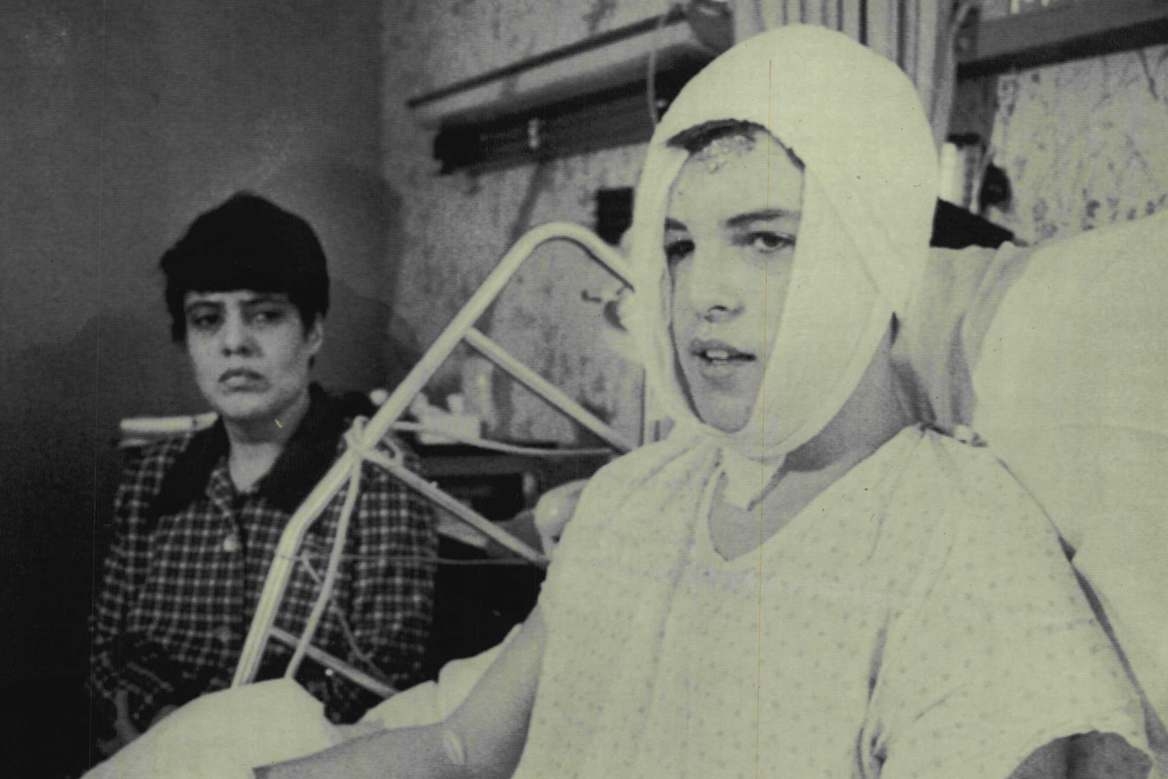
Miracle Over Missouri: George Lamson, Sole Survivor of TWA Flight 128, 1967 On November 20, 1967, TWA Flight 128, a domestic passenger flight in the United States, collided midair with a United Airlines aircraft over Missouri at approximately 11,000 feet. The collision destroyed both planes, killing all 7 crew members and 93 passengers aboard TWA Flight 128 and all 58 people aboard the other plane. George Lamson, a passenger from Missouri, survived, making him the sole survivor of 151 fatalities from the two aircraft. Lamson was seated near the rear of the plane. Investigators concluded that structural debris formed a partial protective space around him, absorbing much of the impact energy. He sustained multiple fractures, including a broken leg, several broken ribs, and a crushed pelvis, as well as internal contusions and significant blood loss. His vital organs avoided fatal trauma, a rare outcome in high energy midair collisions. Rescue crews located him within 20 minutes. Emergency responders stabilized him, controlled hemorrhage and shock, and transported him to a regional hospital. Surgeons performed orthopedic stabilization, blood transfusions, and intensive monitoring. Lamson spent 6 weeks hospitalized and underwent 3 major surgeries. Recovery included months of physical therapy to restore mobility and strength. Later in life, Lamson lived a relatively private life in Missouri. He reportedly returned to work in civil service and rarely spoke publicly about the crash, though he occasionally participated in interviews and safety studies. His survival, one of the rarest in American aviation history, demonstrates how seat location, debris orientation, rapid rescue, and sheer chance aligned perfectly. Analysts estimate that in similar midair collisions, the chance of a single passenger surviving is less than 1 percent, underscoring the extreme improbability of sole survival in catastrophic crashes. #PlaneCrash #Aviation #America #USA #History #Survivor