Tag Page usa

#usa
EMME'C.teamupdate

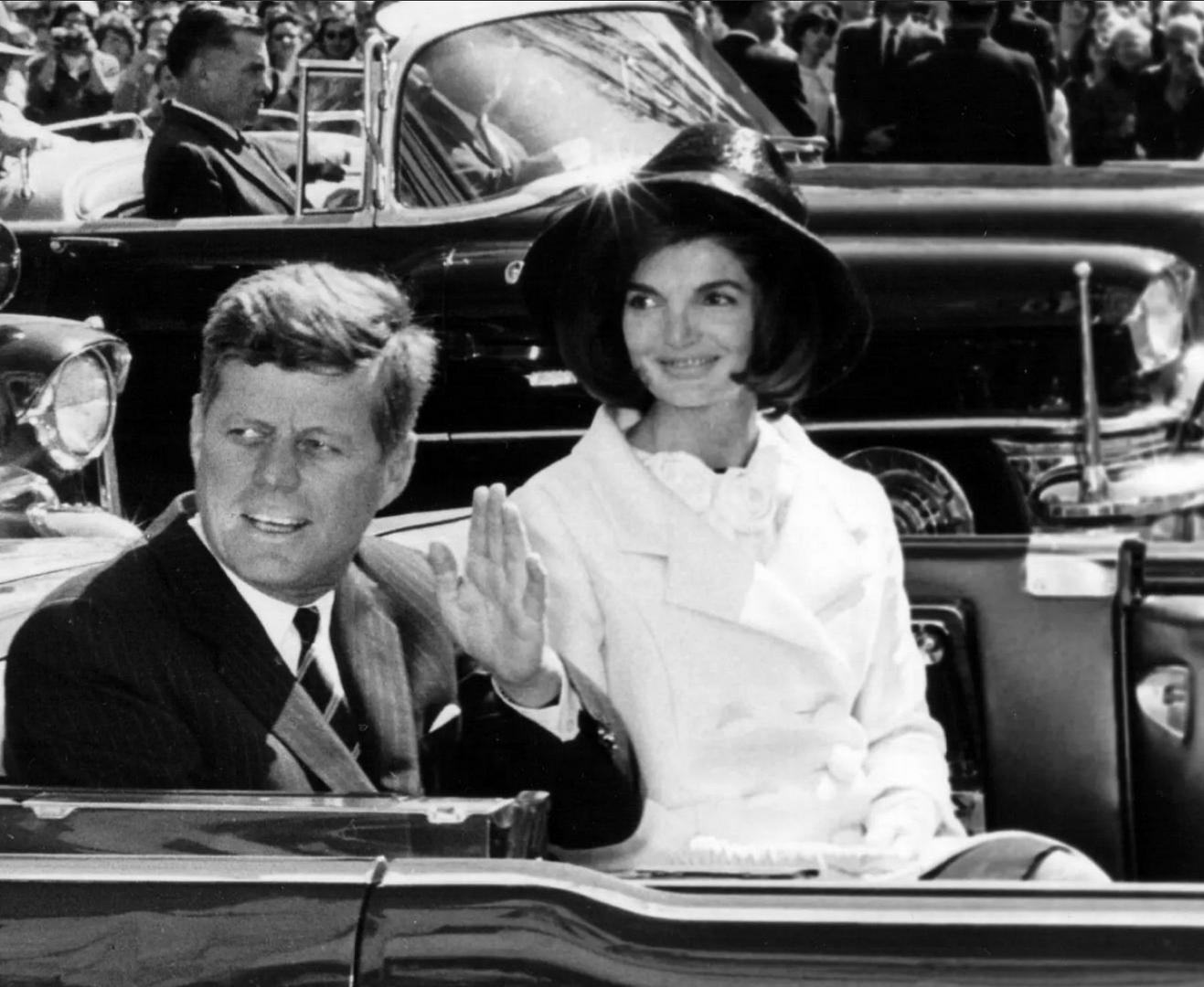
John F. Kennedy: The President with the Highest All Time Approva John F. Kennedy, the thirty fifth president of the United States. is still viewed as one of the most respected leaders in modern American history. Throughout his presidency, his approval rating stayed near 70 percent, which is one of the highest averages ever recorded. His standing is measured through the modern poling system that began in 1936, allowing his numbers to be compared across generations of presidents. Based on this lona record of survevs, Kennedv holds the highest average approval of any president in the polling era. Kennedy's popularity came from his personality, message, and calm leadership during major challenges. His inaugura address, urging Americans to serve their country, became one of the most memorable speeches in US history. During the Cuban Missile Crisis in 1962, he guided the country through thirteen days of extreme tension, preventing nuclear conflict and earning wide respect. His support for early civil rights efforts and his commitment to the space program added to the sense that he was leading the nation into a new and ambitious era Surveys taken long after his death show how strong his legacy remains. One major poll found that 85 percent of Americans approved of his performance when looking back on his presidency. Even during difficult periods, such as the aftermath of the Bav of Pias invasion, Kennedv kept approva ratings above 70 percent, something few presidents have matched. His calm approach, clear communication, and ability to connect with the public helped him maintain support across states, age groups and political backgrounds Kennedv's consistently high approval demonstrates how trust and confidence from the public shape a president's place in history. Although he served less than one full term, his leadership during world crises and his appeal to national unity left a lasting mark. #Politics #USA #History #USHistory #America

1776 Patriot

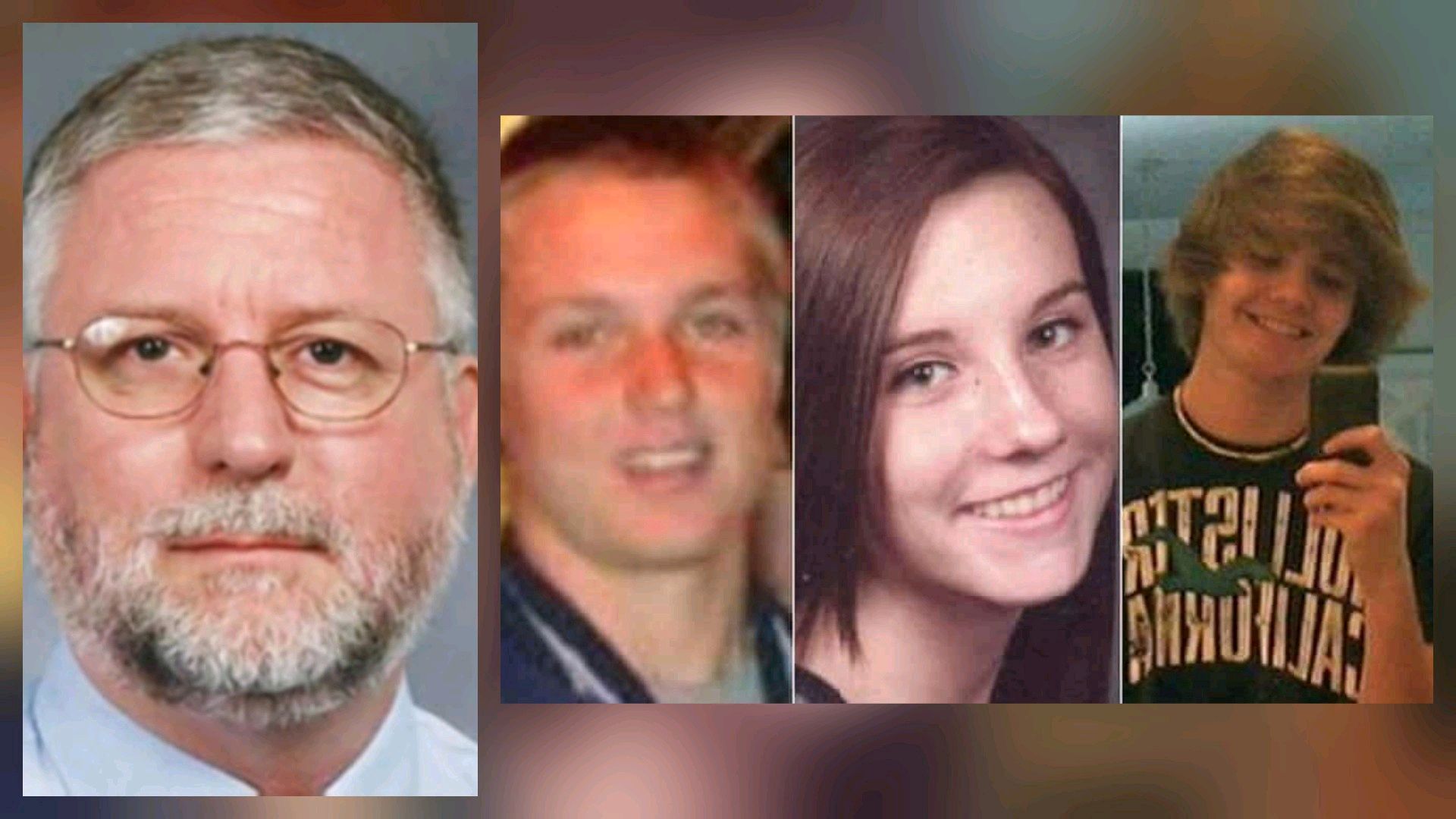
A High School Educator Hypnotized Students and Tragedy Followed In 2011, a disturbing episode at North Port High School in Sarasota County, Florida, became national news when Principal George Kenney used hypnosis on students without any professional training or license. Over several years, Kenney administered informal hypnosis sessions to dozens of students and staff, promoting it as a way to relieve stress, improve focus, and ease performance anxiety. Reports later showed he had hypnotized as many as 75 individuals, including teenage athletes and students seeking academic help. Despite warnings from school officials to stop, Kenney continued the practice. Tragedy struck when three students who had received or practiced hypnosis died in separate incidents. 16-year-old Marcus Freeman died in a car crash, possibly attempting self-hypnosis while driving. 16-year-old Wesley McKinley became withdrawn after sessions and ended his life shortly afterward. 17-year-old Brittany Palumbo also died after using hypnosis to manage academic stress; classmates noted she had begun practicing self-hypnosis frequently in hopes of gaining emotional control. These students were exposed to hypnosis without professional guidance or safeguards. Outrage followed. Critics said Kenney performed unlicensed medical services, altering teens’ mental states without consent. Placed on administrative leave in 2011, he resigned the next year. In 2012, Kenney pleaded no contest to misdemeanor charges and was sentenced to one year of probation, a penalty many families deemed too lenient. In 2015, Sarasota County School District settled wrongful death lawsuits, paying $200,000 to each family. The North Port case remains one of the most bizarre and tragic true crime examples in America of an educator’s misuse of trust. #TrueCrime #USHistory #America #USA #History #Florida #Hypnotherapy

1776 Patriot

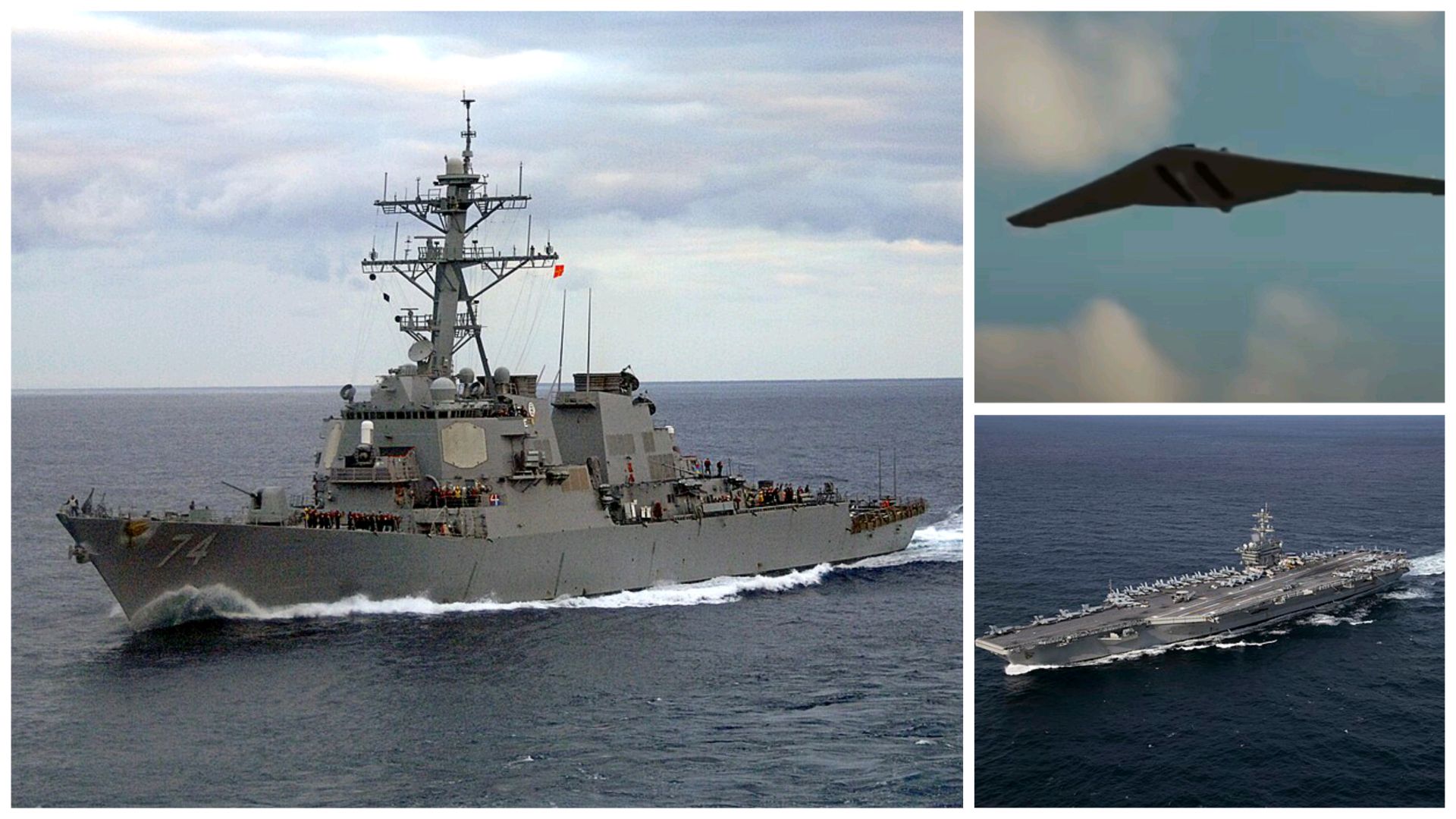
USS McFaul (Destroyer) and USS Lincoln (Aircraft Carrier) Down Iranian Drone, Repel Fast Boats, Protect Gulf Shipping According to the nonpartisan Institute for the Study of War, Iran entered 2026 on high alert, deploying hundreds of short- and medium-range ballistic missiles and dozens of Shahed-type UAVs across Iraq, Syria, and the Persian Gulf. Tehran claims it does not seek war with the U.S. or Israel, but these deployments signal its regional strike capability and willingness to escalate. On Feb. 3, 2026, the USS McFaul, a U.S. Navy Arleigh Burke-class guided-missile destroyer, intercepted a Shahed-191 UAV entering contested airspace using RIM-162 ESSM surface-to-air missiles, one of several drones Iran deployed near northern Persian Gulf shipping lanes. Later, two IRGC fast boats, each capable of speeds over 50 knots (58 mph) and armed with machine guns and small missiles, approached the U.S.-flagged tanker Stena Imperative in the Strait of Hormuz, a chokepoint 21 nautical miles wide at its narrowest point. The USS McFaul, coordinating with F‑35C fighter jets from the USS Lincoln, which arrived earlier this week to reinforce U.S. naval presence, escorted the tanker safely through the Strait, which carries roughly 20% of global oil shipments. ISW analysts note that these incidents show Iran’s continued use of UAVs and fast-attack craft to gather intelligence, test defenses, and signal resolve while avoiding large-scale escalation. Diplomatic efforts on regional de-escalation, maritime security, and proxy limits remain stalled. U.S. Secretary of State Marco Rubio said, “If the Iranians want to meet, we’re ready, but talks must include ballistic missiles, proxy support, and treatment of the Iranian people.” Iranian Foreign Minister Abbas Araghchi said, “We are prepared for negotiations respecting our sovereignty, but will not discuss our missile program.” Nuclear talks are scheduled for the end of the week. #BreakingNews #News #USNews #USA #Military #Defense

1776 Patriot

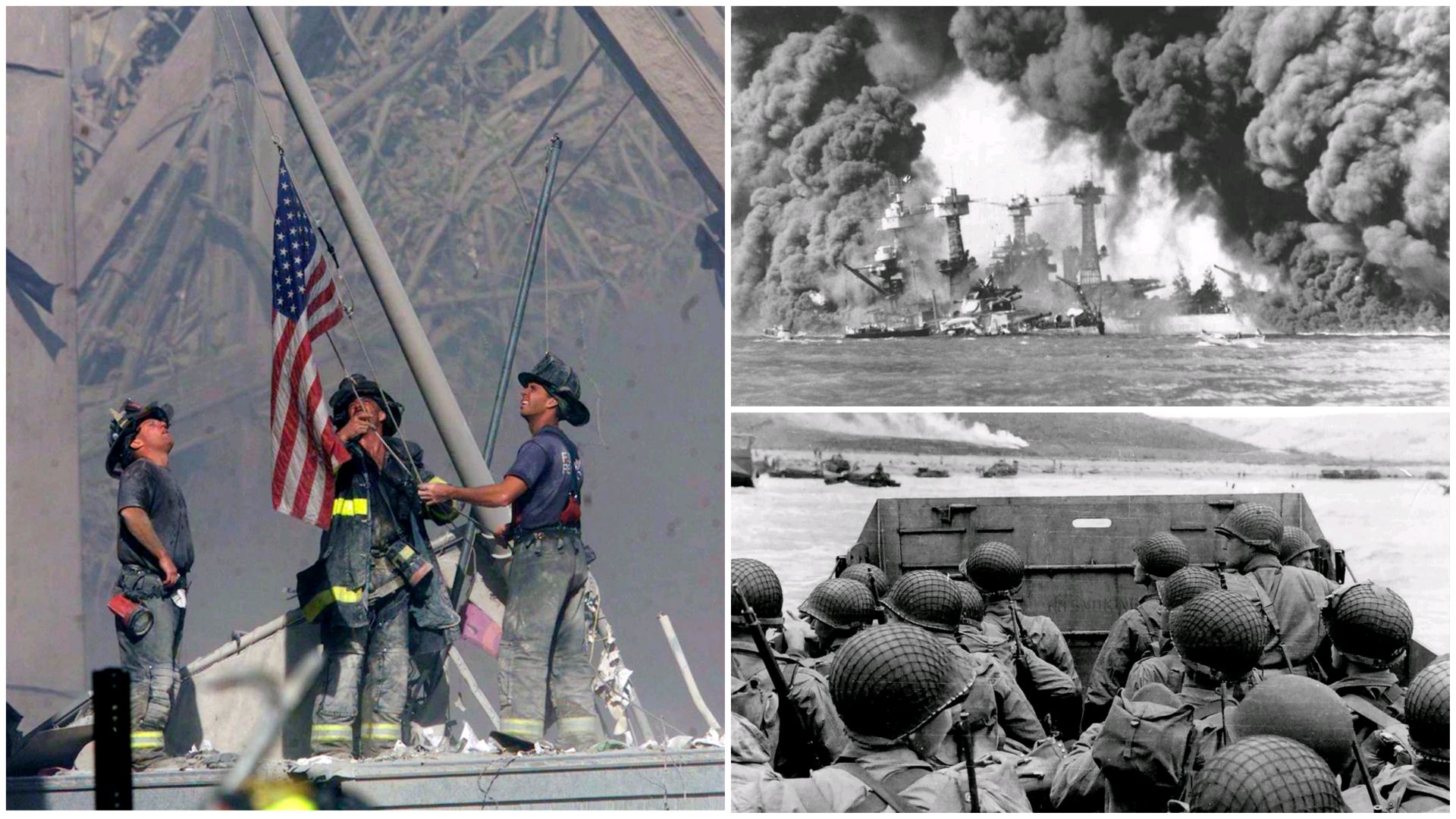
America’s Most Unifying Moments in History, According to Gallup Even amid sharp political divisions, Americans occasionally come together in shows of unity. In recent elections, about 48% of Americans lean Democrat and 46% lean Republican, reflecting a closely divided nation. Gallup, founded in 1935, has tracked public sentiment for nearly a century. During the Persian Gulf War in 1991, approval for President George H.W. Bush reached 89% as Americans cheered the swift coalition victory. Communities displayed yellow ribbons on homes, schools, and public buildings, while crowds waved flags and children raised funds for troops, showing how a brief conflict inspired nationwide pride. The September 11, 2001 attacks produced unprecedented unity. Gallup recorded President George W. Bush’s approval at 90%, a proxy for near-universal national unity. Americans flooded airports and firehouses with donations, flags appeared on nearly every street corner, and displays in sports arenas reinforced a shared sense of purpose. The D-Day Normandy landings on June 6, 1944, rallied Americans as Gallup recorded Roosevelt’s approval at 91%. Families followed maps and radio updates, hoping the operation would turn the tide in Europe, creating suspense, hope, and pride. The Apollo 11 Moon Landing in July 1969 generated extraordinary national pride. Gallup polls recorded over 91% of Americans expressing pride in the achievement, with crowds gathering around televisions and public celebrations nationwide. The moment symbolized American ingenuity, uniting the nation. The attack on Pearl Harbor on December 7, 1941, immediately unified the nation. Gallup recorded 97% of Americans supporting entry into World War II, with enlistment offices overflowing and civilians volunteering nationwide. The shock created instant patriotism that cut across regions and parties, mobilizing the country for total war. Across crises, Gallup polling shows when tested, unity can overcome division. #History #USA

1776 Patriot

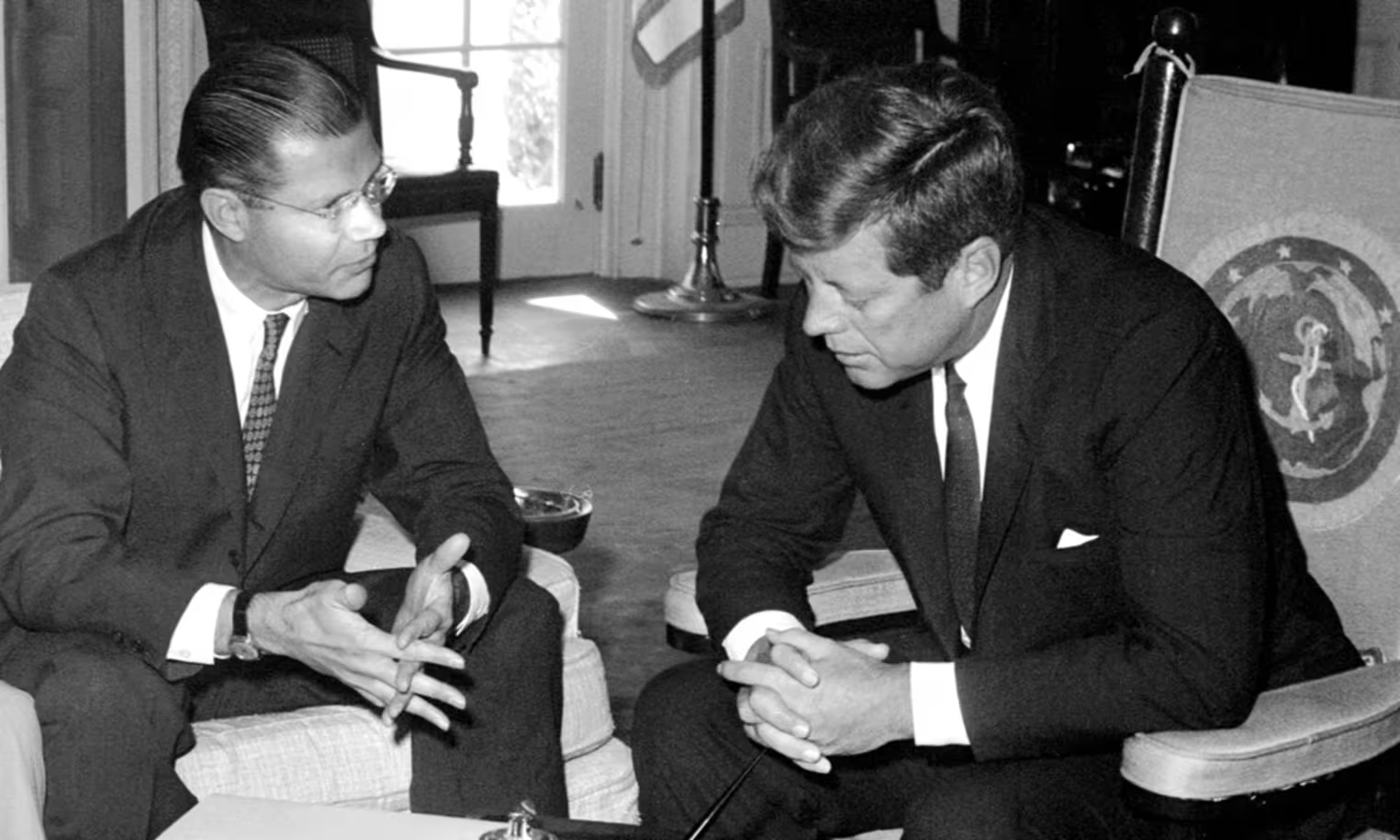
Assured Destruction: The 1961 Plan That Made Nuclear War Unthinkable Robert McNamara created Assured Destruction after becoming U.S. Secretary of Defense in 1961 under President Kennedy, proposing it after reviewing nuclear plans. The U.S. had about 1,200 strategic warheads aimed at the Soviet Union, China, and Eastern Europe. Major cities were targeted with multiple warheads. A full nuclear exchange could kill 200–300 million civilians and destroy 60–70% of industrial capacity, making war unthinkable. Assured Destruction aimed to prevent nuclear war by ensuring any attack on the U.S. could be met with a retaliatory strike capable of destroying much of the Soviet Union. It set limits for deterrence. The U.S. had to survive a first strike and retaliate to destroy 20–25% of the Soviet population and 50% of its industry. Analysts mapped cities, factories, rail hubs, and power centers and found 75% of Soviet heavy industry in 10% of cities, ensuring retaliation. U.S. nuclear forces were redesigned to survive. Missile silos could withstand 50–70% of strikes. Submarine-launched missiles carried 16–20 warheads each, while B-52s carried 2,000+ bombs, with about 400 on continuous alert. Missile defenses could stop only 10–15% of incoming warheads and risked encouraging first strikes. Assured Destruction rejected limited nuclear war. Modeling showed 100–200 warheads could escalate rapidly. During the Cuban Missile Crisis, the Soviets had 100+ warheads in Cuba and 300+ strategic warheads elsewhere. Assured Destruction differs from Mutually Assured Destruction (MAD). Assured Destruction defined U.S. deterrence. MAD, emerging around 1967, described the situation once both sides had secure second-strike forces. Any first strike guaranteed self-destruction. By turning catastrophic numbers into limits, Assured Destruction made nuclear war with the Soviet Union unthinkable. Even 150 warheads could destroy the country, showing restraint was the only safe choice. #History #USA

1776 Patriot

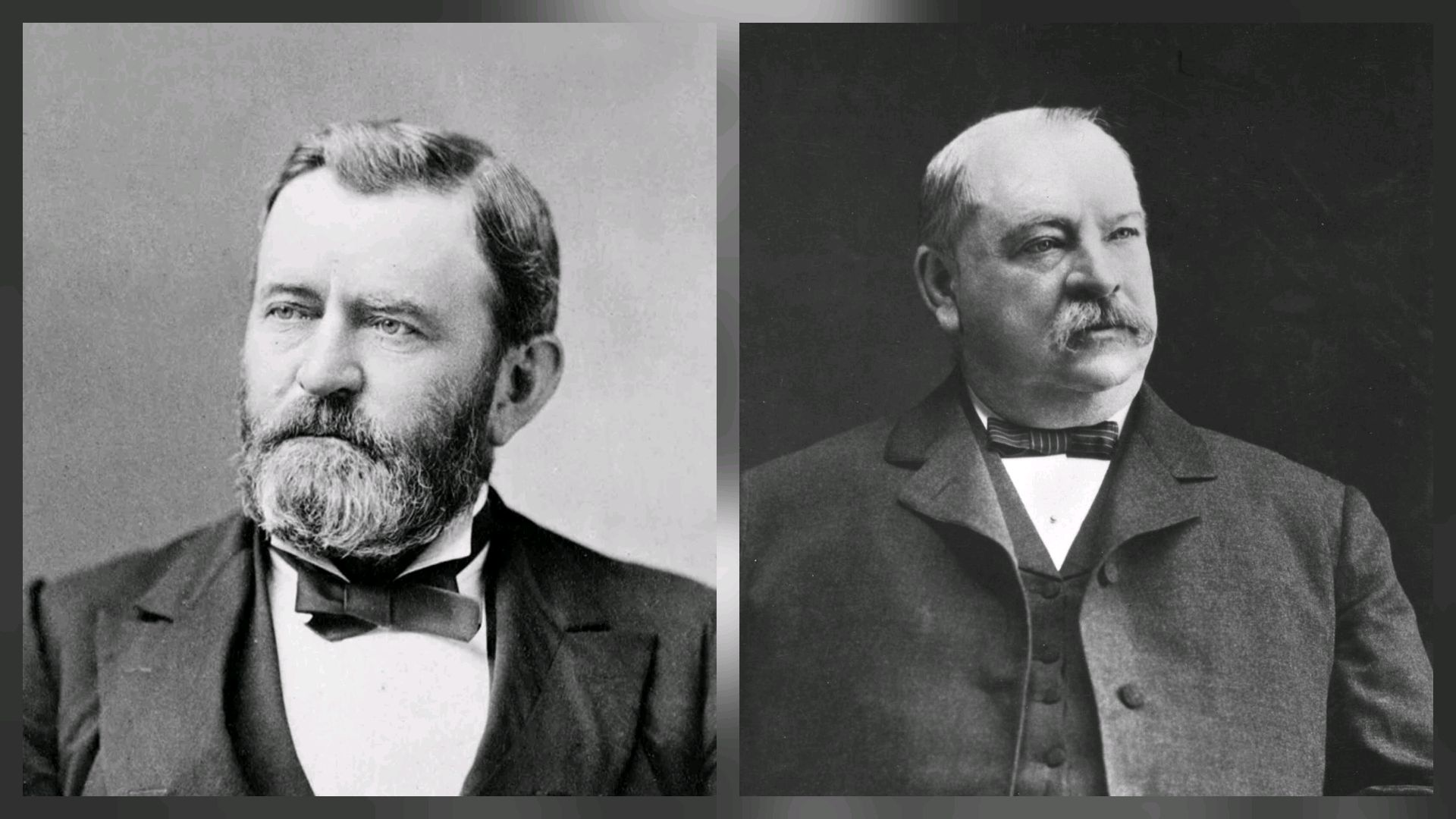
The Two Largest House Losses in Midterm History Midterm elections are held every 4 years in the middle of a president’s term an determins: all 435 House of seats, 1/3rd of the Senate, and gives voters a chance to reshape Congress. Presidents typically lose, 28 House seats on average, but some elections produced historic swings that reshaped American politics and policy. The 1874 midterms were one of the most severe defeats of the 19th century. President Ulysses S. Grant’s Republicans lost 93 of 195 House seats, about 36% of their seats. The Panic of 1873, a severe economic depression, combined with corruption scandals in Grant’s administration, fueled public anger. Voters across the South and industrial North abandoned the Republican Party, giving Democrats control of the House for the first time since the Civil War. Turnout was strong, economic hardship dissatisfaction motivated voters. Two decades later, the 1894 midterms produced the largest House seat loss in U.S. history. Under President Grover Cleveland, Democrats lost 127 of 225 House seats, about 56% of their seats. All 225 seats were contested, and the Panic of 1893 triggered one of the worst depressions of the century, leaving farmers, laborers, and urban workers across the Midwest and Northeast frustrated with Cleveland’s response. Republicans swept the House, marking a historic realignment. Turnout reached roughly 70% in key districts, and economic crises mobilized voters to reshape priorities almost overnight. In these two elections economic conditions, perceptions of presidential leadership, and voter engagement produced sweeping shifts in the House. In both 1874 and 1894, the opposition capitalized on dissatisfaction economic uncertainty and dramatically altered power, forcing the president’s party to reassess strategy. The elections under Grant and Cleveland remain the most consequential House losses in American history. #Politics #ElectionInsights #History #USA #USHistory #America #News

Abraham Lincoln

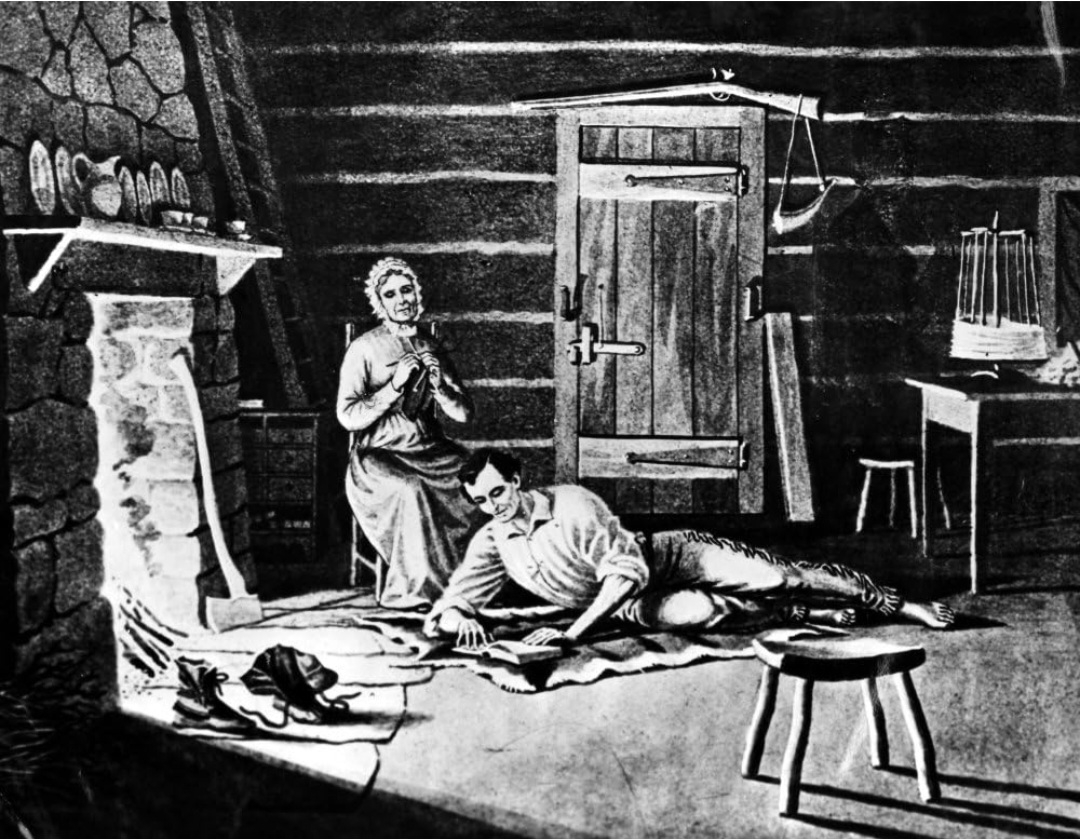
How I Became a Lawyer Without a Teacher or School I was born in 1809 in a log cabin in Kentucky and had less than a year of formal schooling. Books were rare, so I walked miles to borrow them and read by firelight whenever I could. I told myself, “I will prepare and some day my chance will come,” because learning was the only way forward. I read everything I could find, learning arithmetic, grammar, and history before I ever thought of law, and I tried to understand what I read as deeply as possible. When my mother died, my stepmother, Sarah Bush Lincoln, joined our family. She encouraged my reading, lent me books, and showed patience when others expected me to work the fields. She taught me that education was more than books; it was forming the mind and character. Her guidance gave me the confidence to pursue knowledge on my own and made me value persistence and curiosity. I taught myself law by studying Blackstone’s Commentaries and other legal manuals. I spent hours in courthouses in Springfield and New Salem, watching lawyers, listening to arguments, and learning from what I observed. I practiced drafting contracts and resolving disputes on my own. “I studied with an unassisted mind, with no teacher, in my leisure time,” I said later. By 1836, my study and observation prepared me to pass the bar and begin practicing law. Others saw something in me. Walt Whitman described me as “Gentle, plain, just and resolute,” while William Gladstone called me a man of “moral elevation most rare in a statesman.” Those words reflect how persistence, curiosity, and guidance from someone who believes in you can shape a life. “The things I learned were not in the schools. I had to find them myself and keep at it,” I said. From log cabin to law office, self-education, careful observation, and determination made my life possible. #History #USHistory #America #USA #Lincoln #Motivation #KnowledgeIsPower

Abraham Lincoln

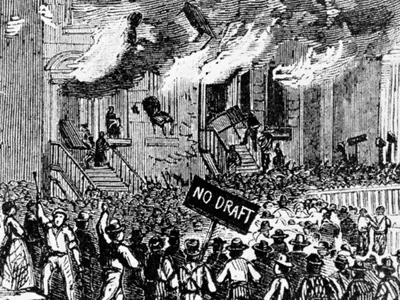
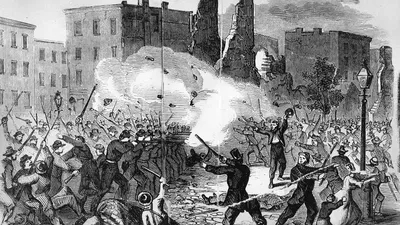
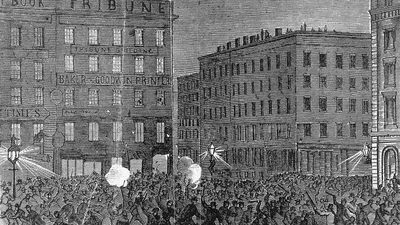
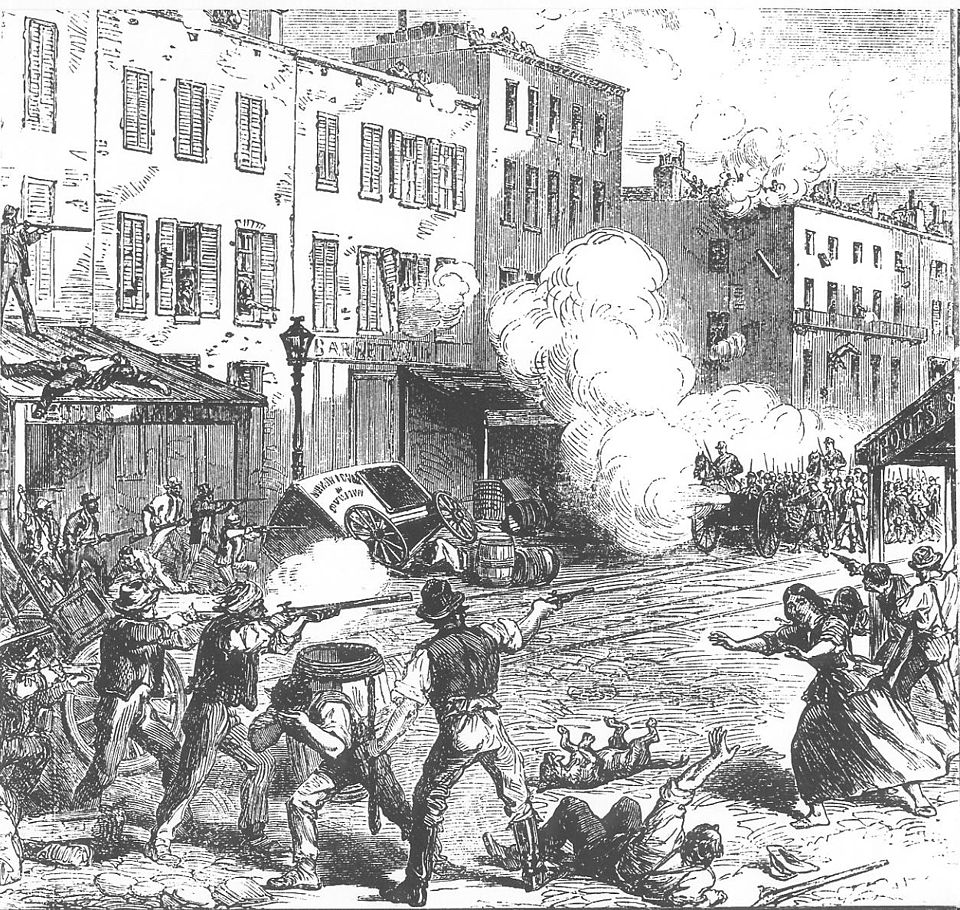
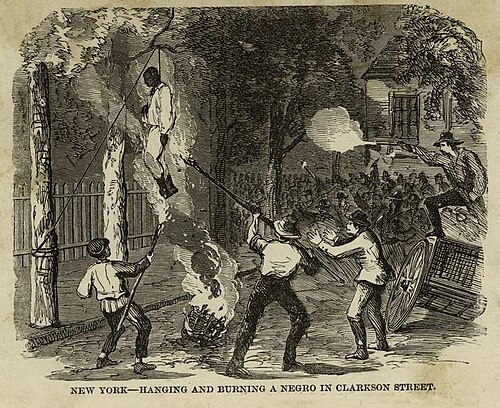
The Summer of Fire: Witnessing the New York Draft Riots- Historically Accurate I remember the summer of 1863 as if it were yesterday. The city was tense before the lottery began, with the war raging and families struggling to survive. When the federal government announced the Enrollment Act, requiring men of fighting age to register for the draft, anger filled every street and tenement. Wealthier men could pay $300 or hire a substitute, while the working poor had no choice. Many whispered this was a “rich man’s war but a poor man’s fight,” and I felt that resentment in every glance. Every alley, every crowded tenement seemed charged with tension, and whispers of fear and anger traveled faster than any messenger. On July 11, the lottery began; by July 13, anger erupted. Crowds surged through the streets, overturning police wagons, smashing windows of draft offices, and storming homes. Fear and fury carried men to deeds they might never have imagined. The worst came as mobs turned on African Americans. I watched in horror as the Colored Orphan Asylum was set ablaze, the children escaping just in time. Fires burned, cries rang out, and smoke filled the streets. Looting spread across neighborhoods, and the sound of breaking glass and shouting haunted the city for days; the chaos seemed endless, as if the city itself trembled under the weight of its anger. By July 16, federal troops from Gettysburg arrived, and the rioters dispersed, leaving behind bodies, rubble, and shattered lives. At least 119 were dead, countless wounded, and millions in damage. I saw fear in our eyes and in my own. Yet, even amidst destruction, the city endured. We had faced anger, sorrow, and violence, and we would rebuild. The draft riots revealed both our failings and our resilience. The city had been tested, and though we trembled and mourned, we had survived. We had learned that fear and courage often walk together, and that the Union, like the city, could endure. #History #USHistory #USA

Tag: usa - Page 2 | LocalAll