Tag Page thesignalwire

#thesignalwire
The Signal Wire

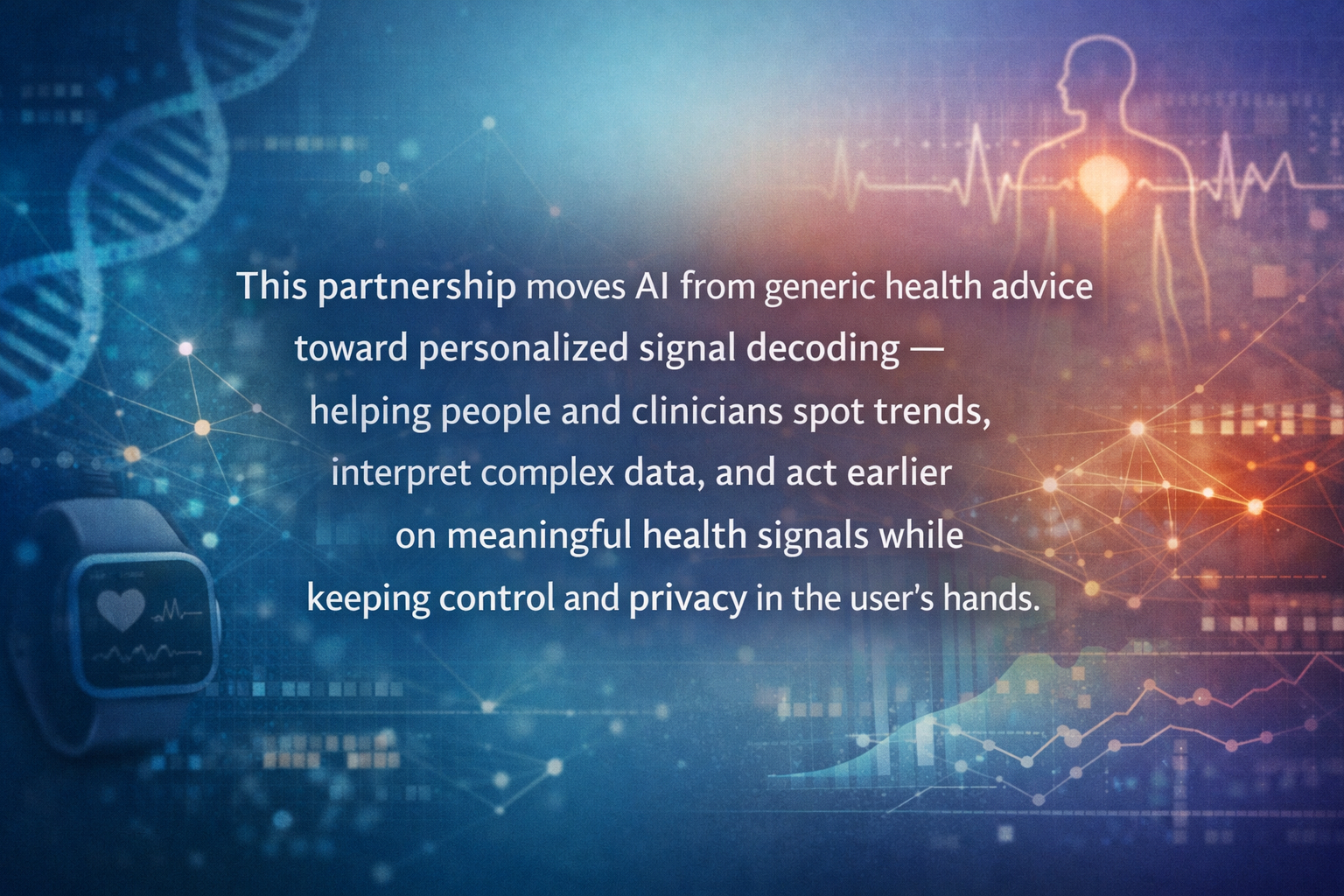
Breaking News — Decoding Health Signals: Perplexity + b.well Enable AI to Read Your Medical Data Perplexity and b.well Connected Health have teamed up so AI answers can be grounded in a person’s actual medical record, letting AI decode the health signals in your labs, medications, conditions, and clinical notes rather than rely on generic guidance. Why this matters for decoding signals - AI will be able to interpret individual lab trends, medication histories, and clinical observations — turning fragmented data into meaningful signals about risk, changes, or next steps. - With access to longitudinal records, AI can surface subtle patterns (slowly rising A1c, repeat abnormal labs, medication interactions, gait changes noted in notes) that might otherwise be missed. - Users can ask AI to translate test results, flag signal changes to discuss with clinicians, or prepare focused questions for appointments based on their own history. - b.well’s FHIR-native network plus its 13-step Data Refinery aims to normalize and clean records so the signals AI uses are accurate and actionable. - Consumers must explicitly opt in; they control which data the AI can read and can revoke access anytime. Concrete user benefits (examples) - “Is this tremor new or part of a pattern?” — AI can correlate symptom notes, medication changes, and prior visits to help decode whether a pattern exists. - “Which results need urgent follow-up?” — AI can prioritize abnormal values against your history and risk factors, suggesting what to raise with your clinician. - b.well connects to 2.4M+ provider endpoints and 350+ health plans/labs to build longitudinal records. - The integration emphasizes data completeness and quality to improve the accuracy and safety of Health AI answers. - Users explicitly authorize access and can revoke it at any time. #Thesignalwire #BreakingNews #healthyinsights #HealthNews #PerplexityAI #PartnershipVision #CustomerExperience #ConsumerAlert #ThoughtsMatter
The Signal Wire

Breaking SIGNAL — Safety Signal Detected: Car Seat Collapse Reported — Child Nearly Fell Out This just in from The Signal Wire, Healthy Insights investigators flagged a critical safety signal after a parent reported a car seat collapsing while driving, nearly causing their child to fall out. Multiple review patterns like this can point to product failure and structural risk that demands immediate attention. - Incident: Parent reported a car seat collapsing mid-drive; child nearly fell from the seat. - Primary risks: Structural collapse, product failure, child at risk. - Why it matters: Individual reviews can hide real danger. When similar reports repeat, they form a safety signal that regulators, manufacturers, and consumers should not ignore. - Who should act: Parents using the same model, caregivers, pediatricians, retailers, and consumer safety agencies. What to do right now: 1. Stop using the affected car seat model until you can confirm safety especially for rear-facing infants and toddlers. 2. Check recent reviews for similar complaints and note date, location, and serial numbers if available. 3. Contact the manufacturer and report the incident; request instructions and next steps. 4. Report the issue to your country’s consumer safety agency (e.g., NHTSA in the U.S.) and submit any photos or videos you have. 5. If a child was harmed, seek medical attention immediately and preserve the product and documentation. “Most people see reviews. We see patterns and patterns can reveal dangerous product failures before they escalate.” — The Signal Wire #Breaking #SafetyAlert #CarSeat #ProductFailure #ChildSafety #SignalWire #HealthyInsights #RecallWatch #thesignalwire #HealthNews

The Signal Wire

Breaking SIGNAL - Health Talk - What most people miss SIGNAL DETECTED Most people think petroleum only powers cars. But oil is also used to create plastics, fabrics, cosmetics, electronics, packaging, and more. This is part of the petrochemical system that shapes modern life. The real signal isn’t gasoline. It’s the hidden materials network most people never see. For decades, petroleum has been associated with one thing: gasoline. But researchers and industrial systems analysts have long known something different. Petroleum is not just fuel. It is the raw material behind thousands of everyday products. And most people never notice it. Petroleum-derived chemicals help create materials found in: • plastics and packaging • synthetic clothing fibers • electronics and smartphone components • cosmetics and personal care products • vehicle interiors and tires • food containers and bottles • some pharmaceutical coatings These materials come from petrochemicals, compounds refined from crude oil. Modern life is built on petrochemical infrastructure. It connects: energy → manufacturing → consumer products → daily life. Most people only see the fuel side of oil. But the larger system is the materials economy. Scientists are increasingly examining how long-term exposure to certain petrochemical compounds may affect: • environmental systems • microplastic accumulation • endocrine activity • long-term human health trends This field is still evolving, but the signal is clear: The materials we use every day have deeper origins than most people realize. Sometimes the most important discoveries are not about new technology. They are about seeing the hidden systems behind everyday life. Petroleum is not just gasoline. It is part of the invisible architecture of modern society. #SignalDetected #TheSignalWire #HiddenSystems #BreakthroughSignals #DidYouKnow #ScienceSignals #ModernInfrastructure #DecodeTheSignals #Healthyinsights

The Signal Wire

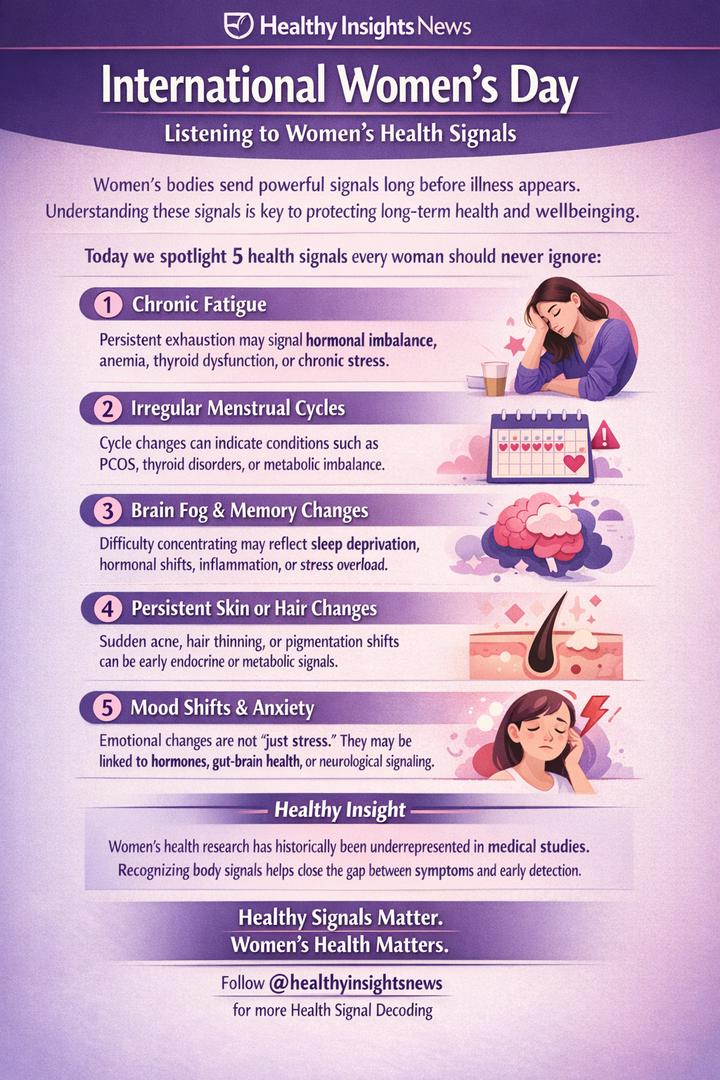
Get Inspired - Health Talk - Women’s Health Signals Matter Breaking NEWS 📰 It’s your favorite health revolutionary StoryTelHER with a breaking health talk. Today marks International Women’s Day, but beyond the celebration, there is an important health conversation happening worldwide. More researchers and health advocates are highlighting a growing issue: many women’s health signals are often overlooked, dismissed, or misunderstood. Across different countries, women commonly report early signals such as: • Persistent fatigue that doesn’t improve with rest • Brain fog and difficulty concentrating • Hormonal or menstrual irregularities • Skin and hair changes that appear suddenly • Mood shifts, anxiety, or sleep disruption These are not just everyday inconveniences. In many cases, these signals can reflect deeper changes related to hormones, metabolic health, inflammation, or chronic stress. The global conversation around women’s health is shifting. More experts are calling for increased awareness, earlier detection, and stronger representation of women in health research. Because when health signals are recognized early, they can help prevent bigger problems later. Today’s question for the community: Are we paying enough attention to women’s health signals? Follow @thesignalwire for more health talks, signal decoding, and health innovation updates. #healthtalk #breakinghealthnews #womenshealth #healthsignals #healthyinsights #Getinspired #BreakingNews #HealthNews #healthyinsights #Thesignalwire #HotTopic

The Signal Wire

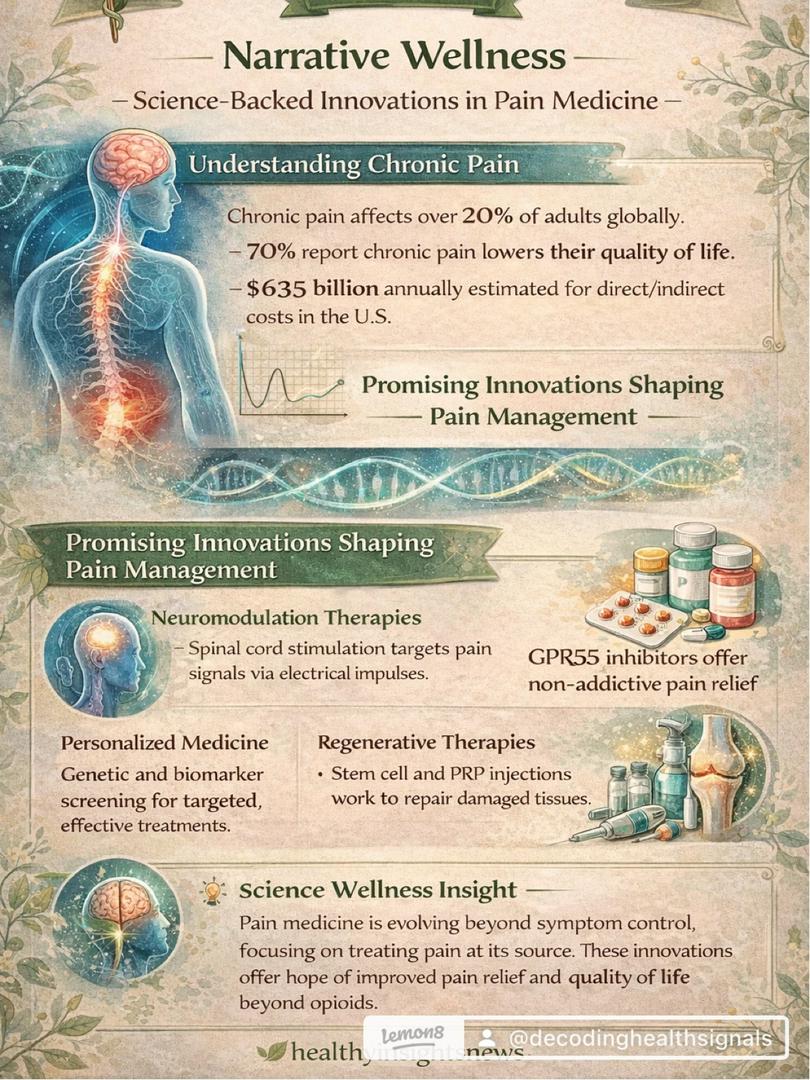
Breaking NEWS - Health Talk - The Future of Pain Medicine Pain Medicine Enters a New Era of Precision Treatment Chronic pain affects more than 20% of adults globally. • 70% report reduced quality of life • $635 billion annually in U.S. direct and indirect costs For decades, pain care centered on symptom control. Mask the signal. Suppress the inflammation. Manage the discomfort. But the signal is changing. Pain medicine is quietly transitioning from reaction to precision. Neuromodulation therapies now target pain pathways directly through electrical signaling interrupting transmission at the neural level. Genetic and biomarker screening is guiding treatment selection, reducing trial-and-error prescribing. Regenerative therapies like stem cells and PRP aim to repair tissue instead of numbing symptoms. Non-opioid molecular targets, including GPR55 pathway research, are expanding options beyond dependency risk. The industry is moving from: “Control the symptom.” to “Decode and treat the source.” This is not incremental innovation. It is structural recalibration in a post-opioid healthcare era. Pain medicine is no longer just pharmaceutical. It is neurological, regenerative, and data-driven. The question is not whether innovation is happening. The question is whether systems will adapt fast enough. Follow @thesignalwire for early detection of healthcare shifts before they scale. Is the healthcare system prepared to pivot from symptom control to signal-based, precision care? #HealthPolicy #PainInnovation #PrecisionMedicine #ChronicPain #MedicalResearch #TheSignalWire #HealthSignals #PrecisionMedicine #PainInnovation #FutureOfMedicine #HotTopic #BreakingNews #HealthNews #BiomedicalGrad #BiomedicalEngineering

The Signal Wire

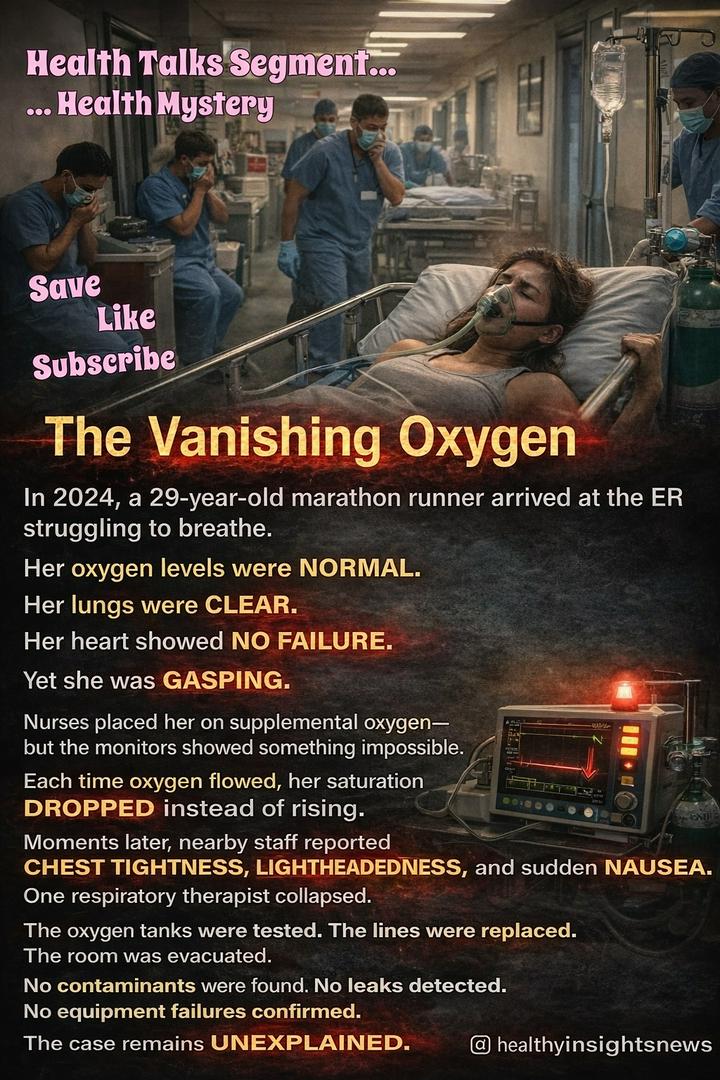
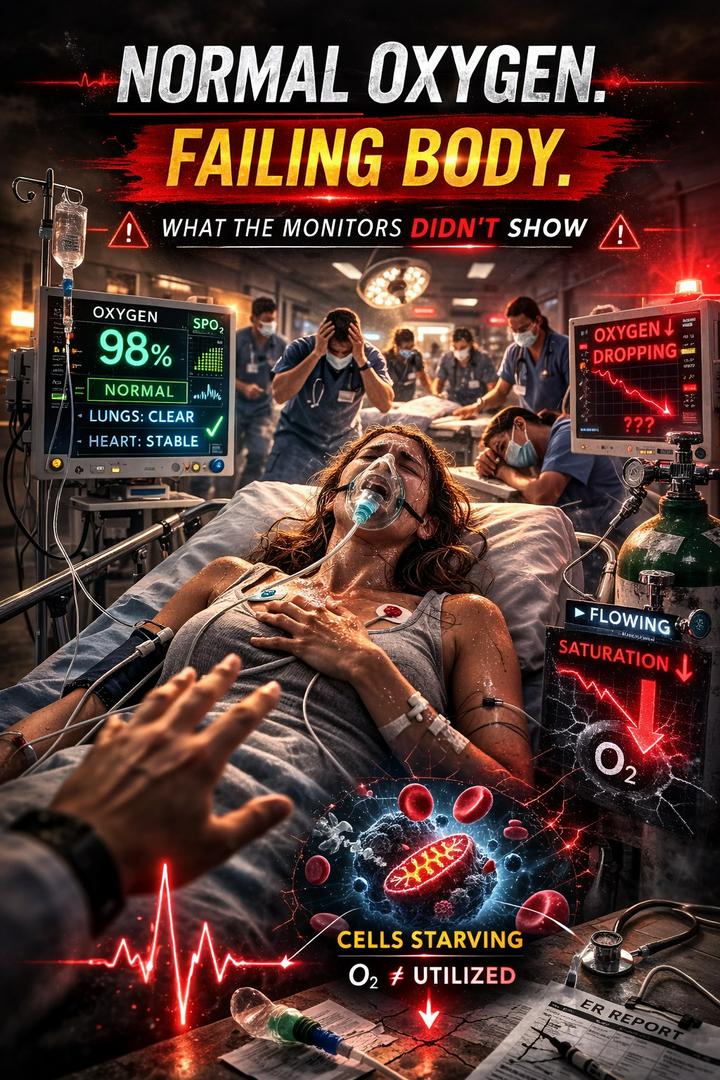
Breaking News - Health Talk - When Normal Oxygen Levels Mask a Deeper Crisis Today’s Signal Wire feature examines a medical case that challenges one of healthcare’s most trusted metrics. Oxygen saturation: Normal. Lungs: Clear. Cardiac function: Stable. Laboratory findings: Unremarkable. Yet the patient was gasping for air. When supplemental oxygen was administered, saturation levels declined rather than improved. This is not routine variation. This is a signal disruption. Cases like this move medicine from protocol to pattern recognition. Several physiological explanations may account for this anomaly: Dyshemoglobinemia Toxic Environmental Exposure Cellular Hypoxia Equipment–Environment Interaction This case highlights a critical truth in modern medicine: Data points are measurements not conclusions. As healthcare integrates artificial intelligence, wearable biometrics, and predictive modeling, the volume of available data continues to grow. However, signal interpretation remains essential. When multiple individuals in a shared environment experience physiological distress, the pattern itself becomes clinically significant. This is not merely a patient event. It is a potential signal cluster. But predictive systems depend on recognizing when data appears normal while physiology is not. Sometimes oxygen is present. But the system is not functioning. That distinction can determine outcomes. Follow @thesignalwire for continued Signal Wire briefings analyzing the patterns reshaping modern healthcare. #BreakingNews #getinspired #Inspiration #HealthNews #thesignalwire #NewsBreaks #Mystery #MedicalMystery #AI

The Signal Wire

BREAKING HEALTH SIGNAL Bitter Tongue? Your Body May Be Sending a Stress Warning. A division of Healthy Insights | Wellness Alert A persistent bitter taste in your mouth may not just be about food. It may be a biological signal. Emerging research continues to show that taste perception is closely connected to: • Nervous system activity • Digestive health & microbiome balance • Hormonal stress response (cortisol elevation) • Nutrient status (zinc, B12) • Medication interactions When flavor shifts… internal systems may be shifting too. Under stress, the body prioritizes survival over clarity. That means: • Emotions intensify • Decisions become reactive • Perception distorts A “bitter” body state can create a “bitter” emotional lens. Before you make a major emotional decision, ask: Is this clarity or cortisol? What Could Be Causing It? Common triggers behind persistent bitter taste include: • Dehydration • Acid reflux / gut imbalance • Zinc or B12 deficiency • Chronic stress • Medication side effects • Oral inflammation Your mouth is not separate from your health system. It is part of your diagnostic story. Taste receptors communicate directly with the brain and digestive tract. When internal equilibrium shifts, sensory perception shifts. Your body whispers before it escalates. If you notice persistent bitterness: • Hydrate consistently (aim for ~8 glasses daily) • Support gut health with fiber + probiotics • Review recent medication changes • Replenish key micronutrients • Evaluate emotional stress load And if symptoms persist, consult a healthcare professional. When your body feels “bitter”: Pause. Regulate first. Decide later. Follow @healthyinsightsnews for science-backed signals. #Thesignalwire #getinspired #healthyinsights #science #healthy #HealthNews #BreakingNews #WellnessAlerts

You've reached the end!