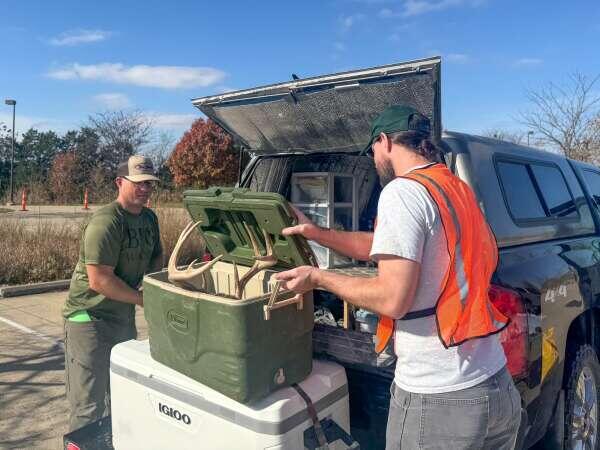
Michael Flores+FollowDeer Disease Drama: Hunters vs. ConservationDid you know chronic wasting disease is spreading fast among U.S. deer, but the real drama is between hunters and state officials? Missouri tried to fight the disease by testing and thinning herds, but hunters pushed back hard—worried more about losing game than the disease itself. Now, states are scrambling to balance keeping deer healthy with keeping hunters happy. Would you support stricter rules if it meant saving the herd? #Science #DeerHunting #WildlifeConservation00Share
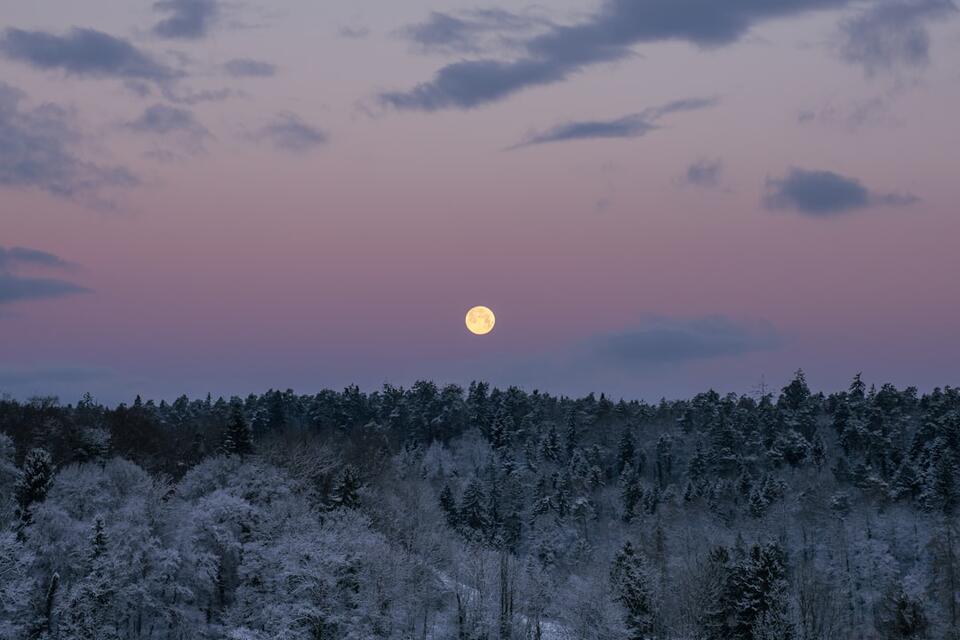
Melvin Mosley+FollowSnow Moon & Leo’s Regulus: Sky Show!Get ready for a cosmic treat! On February 1, 2026, the Snow Moon will shine its brightest, hanging out near Regulus—the heart of Leo. This full moon is a winter classic, named for the season’s heavy snows and old-school survival vibes. For the best view, step outside at sunset and watch the moon rise in the east, with Regulus tagging along. Pro tip: block the moon’s glare to spot Regulus, and grab binoculars for epic lunar details. Who’s staying up for this sky party? #Science #SnowMoon #FullMoon70Share
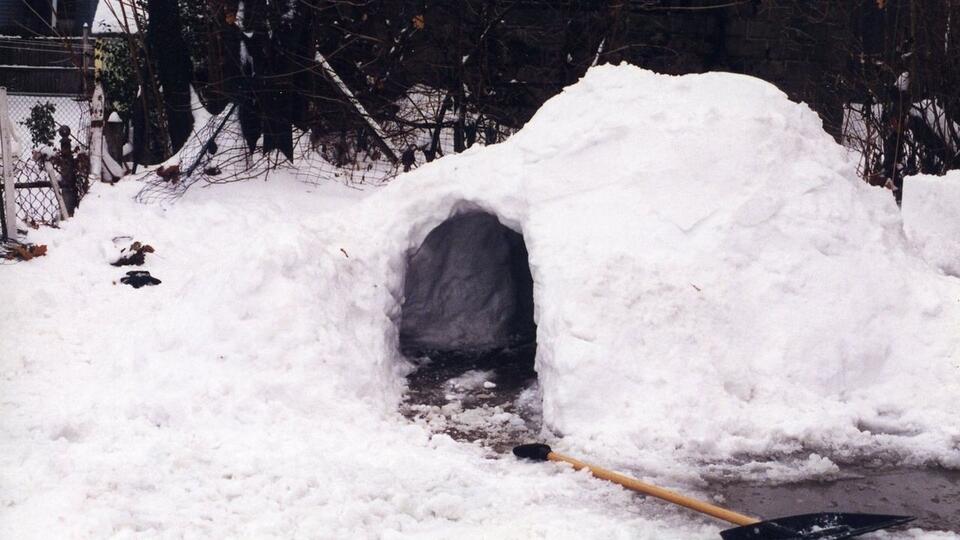
megangibson+FollowEarly Humans Were Total Survival GeniusesImagine surviving an Ice Age, a desert, or even a mountain where you can barely breathe—without any modern gear. Our ancestors didn’t just tough it out; they totally hacked their environments! From inventing layered clothes with bone needles to building mammoth-bone houses and even borrowing genes from extinct humans, they were the ultimate lifehackers. Seriously, some of their tricks put our camping skills to shame. Which ancient survival move blows your mind the most? #Science #HumanHistory #SurvivalSkills40Share
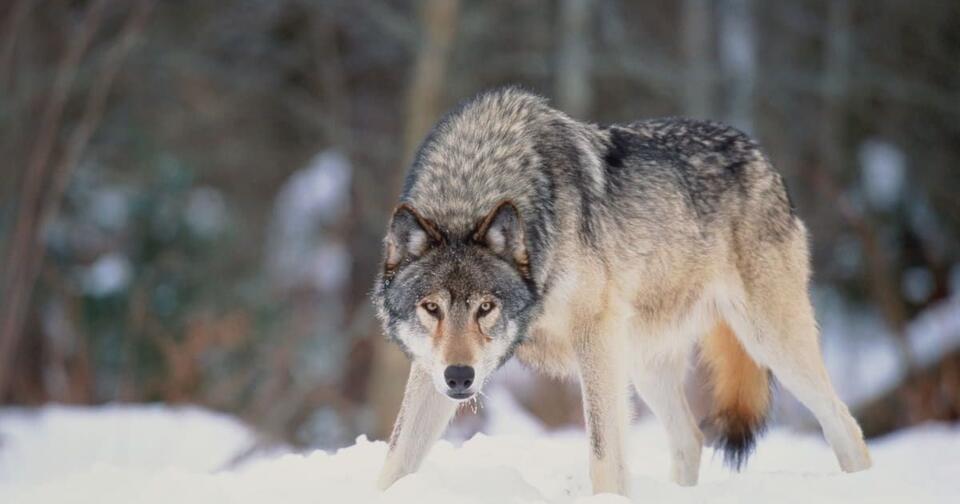
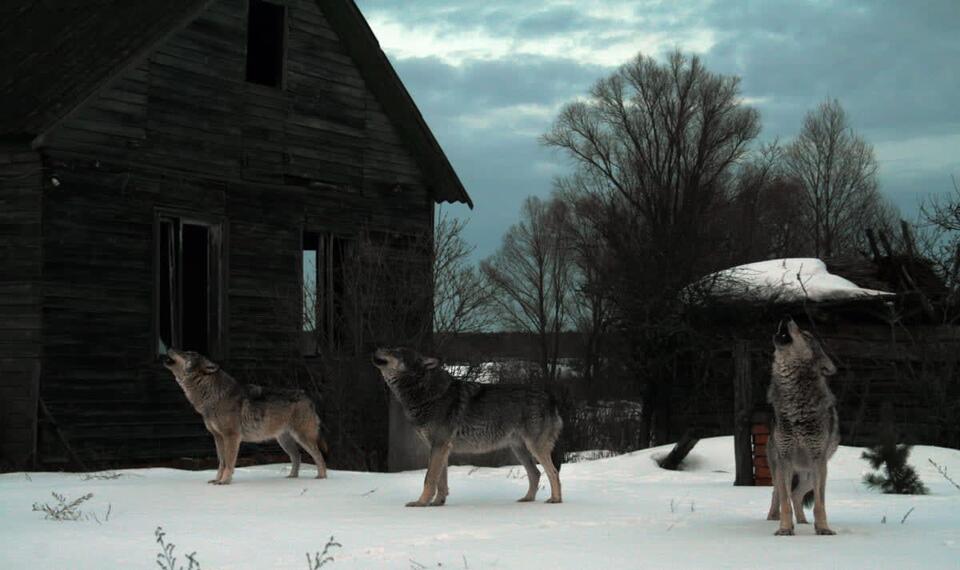
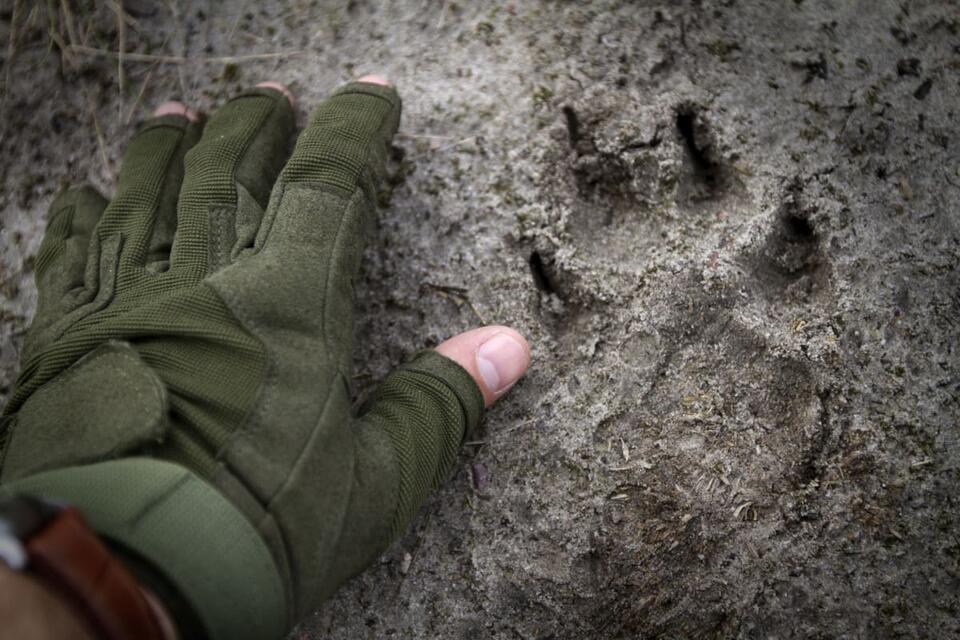
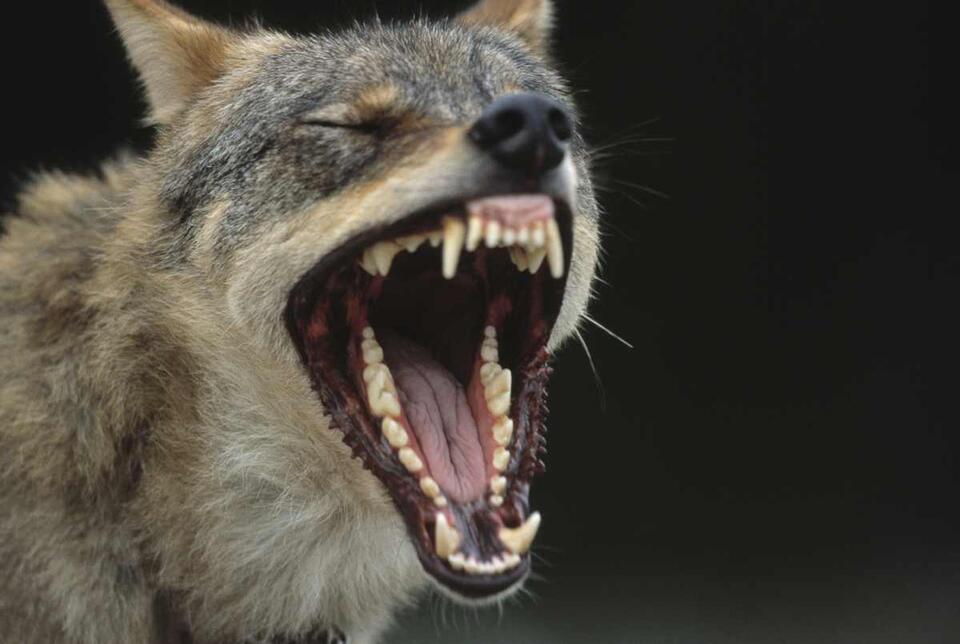
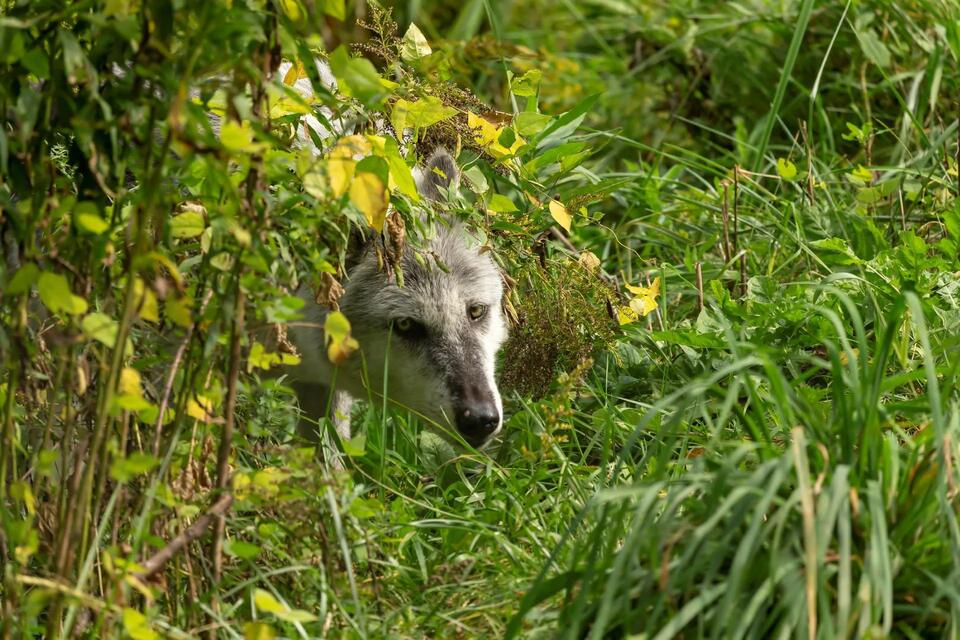
Michelle York+FollowChernobyl Wolves Got a Wild SuperpowerChernobyl’s wolves are basically real-life X-Men now. After decades living in radioactive fallout, these wild canines have developed a genetic ‘armor’ that helps them fight off cancer—no treatment needed. Scientists found their immune systems are totally different from wolves outside the zone, almost like they’ve evolved superpowers. Is it the radiation, or just a world with no humans? Either way, nature is wild (literally). #Science #Chernobyl #Wolves312Share
Michael Flores+FollowTiny Frog, Huge Drama in Peru’s Cloud ForestResearchers just found a brand new frog species in Peru’s remote cloud forests, but here’s the kicker: it’s already in danger! The Shunku Sacha frog is tiny (think 2-3 cm) and only lives in two secret mountain spots. Deforestation and climate change are putting its home at risk, but the local community is stepping up big time—patrolling, educating, and even making crafts to help protect this little cutie. Can they save it before it’s too late? #Science #Peru #WildlifeDiscovery10Share
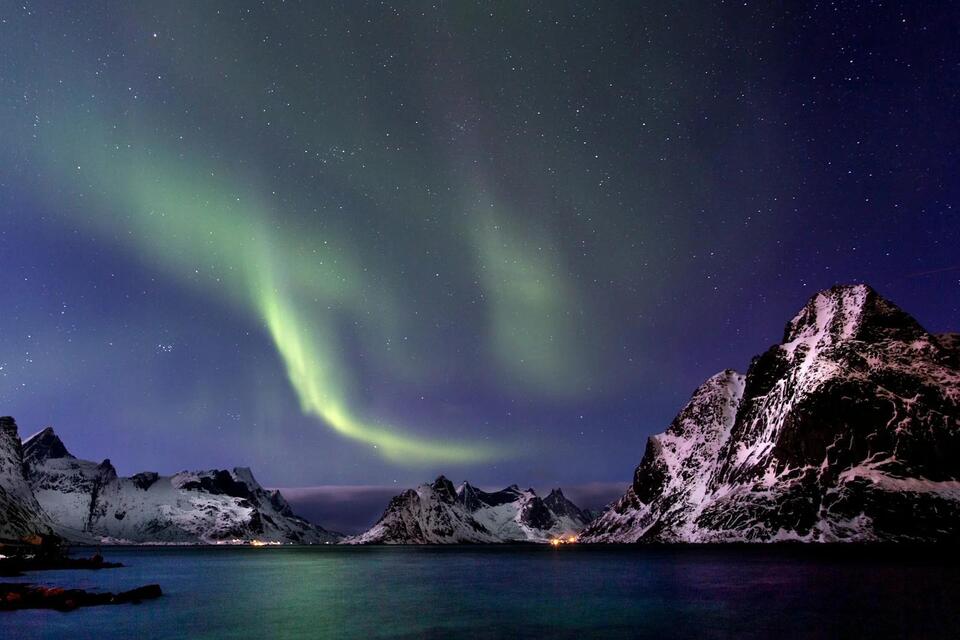
Richard Vaughan+FollowWhat Happens If Earth Loses Its Shield?Imagine waking up to neon skies at the equator and your compass spinning wild—Earth’s magnetic field just vanished. Suddenly, satellites glitch, GPS goes haywire, and auroras dance where they shouldn’t. It’s not instant apocalypse, but the chain reaction would mess with flights, power grids, and even your favorite streaming service. Turns out, our invisible shield is the unsung hero keeping daily life running smoothly. Would you be ready if the sky lit up tomorrow? #Science #EarthScience #MagneticField21Share
Michelle York+FollowArctic Fires Are Getting Wild—LiterallyDid you know the Arctic is now seeing wildfires that are hotter, bigger, and last way longer than ever before? NASA scientists are raising the alarm because these blazes are acting more like tropical infernos than the chill, slow burns the Arctic used to have. The kicker: these fires are speeding up climate change by melting permafrost and changing the whole ecosystem. Who else is shook that the Arctic is basically on fire now? #Science #ArcticFires #ClimateChange10Share
Tamara Jones+FollowPurple Is a Brain Trick?!Mind = blown: Purple isn’t actually a real color in the spectrum—your brain just makes it up! There’s no single wavelength for purple light. Instead, when your eyes see red and blue together, your brain invents purple as a kind of visual hack. That means every time you see an eggplant or a neon sign, you’re basically hallucinating a color that doesn’t exist in nature. Science is wild! #Science #ScienceFacts #MindBlown40Share
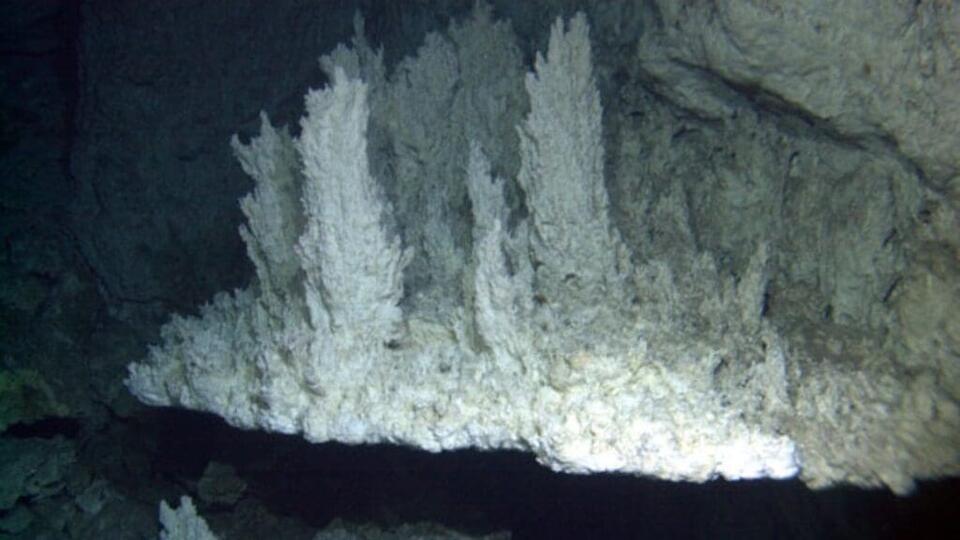
James Brady+FollowLost City Found Deep Under the AtlanticScientists just mapped a hidden 'Lost City' on the Atlantic seafloor, and it’s straight out of a sci-fi movie. Picture ghostly white towers, plazas, and walls—all built by nature, not humans. This place is teeming with weird life that survives without sunlight, hinting at how life on Earth (or even other planets) might have started. It’s wild to think there’s a whole alien-like world down there, still being built by the planet itself! #Science #LostCity #OceanMysteries61Share
megangibson+FollowWild Tiger Family Caught on Camera!Did you see this? For the first time ever, a tigress and FIVE cubs were filmed in the wild in China! Usually, tigers only have 1-4 cubs, so this is a huge deal for an endangered species. With only about 5,500 tigers left in the wild, every new cub counts. Trail cameras are helping researchers track and protect these majestic cats—fingers crossed for more good news! #Science #Tigers #Wildlife152Share