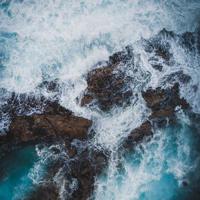
megangibson+FollowSalmon Are on the Move—And That's Bad NewsDid you know Pacific salmon are heading north because the oceans are getting warmer? Researchers just found that rising temps are messing with their food supply, causing salmon populations to drop. This isn’t just a fish problem—Japan’s biggest fishery and tons of marine life depend on them. Plus, it could mean pricier seafood and even food shortages. Cutting pollution and rethinking fishing seasons could help, but it’s a wake-up call for all of us! #Science #ClimateChange #OceanLife10Share
martinezlaura+FollowAre Microplastics in Our Bodies Overhyped?Turns out, all those scary headlines about microplastics invading every part of our bodies might not be as solid as we thought. Scientists are now saying a lot of those studies could be picking up false positives or just straight-up contamination. The tech to actually detect these tiny plastics in human tissue isn’t perfect yet, so we might not know as much as we think. Still, cutting down on plastic use is probably a good idea! #Science #microplastics #science20Share
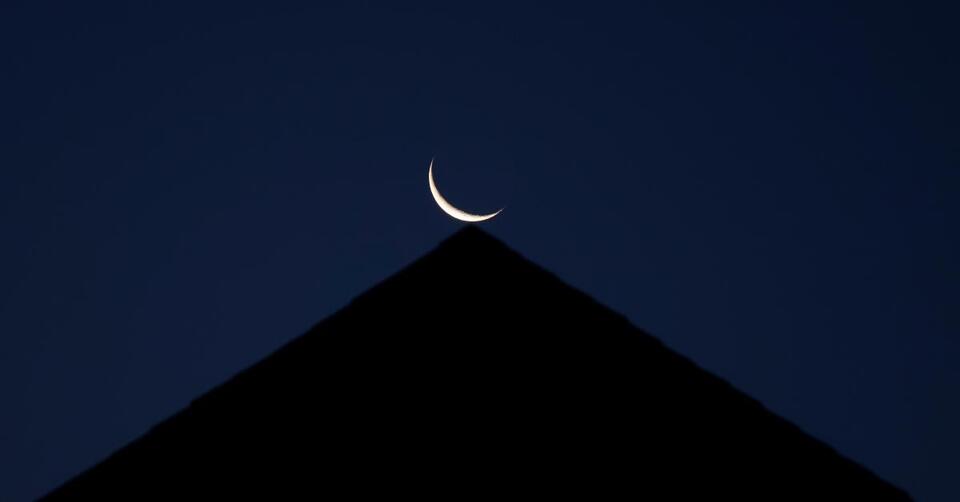
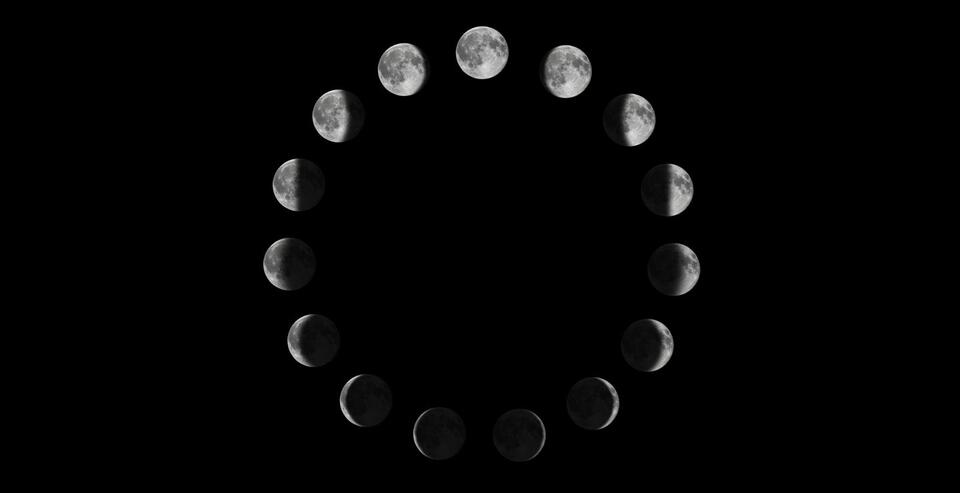
martinezlaura+FollowMoon Vibes: Waning Crescent EnergyThe moon’s in its waning crescent phase tonight—just a sliver lighting up the sky! It starts in deep-feeling Scorpio and slides into adventurous Sagittarius later, so expect a shift from intense vibes to a craving for meaning and optimism. This phase is all about closure, release, and prepping for a fresh start. Perfect time to rest, reflect, and let go of what’s weighing you down. Anyone else feeling the urge to reset? #Science #MoonPhase #WaningCrescent40Share
Zachary Gutierrez+FollowPhysics Rule Broken at Supersonic Speeds!Imagine armor that gets stronger the faster it’s hit! Scientists just smashed a 70-year-old physics law by pushing metals and new materials to supersonic speeds. Turns out, under extreme impact, these materials can harden, heal, or even redirect damage—totally flipping what we thought we knew. This could mean ultralight armor for soldiers, satellites, and even your phone. Nano-lattices and bio-gels are the new superheroes of protection. Wild, right? #Science #ScienceNews #Physics70Share
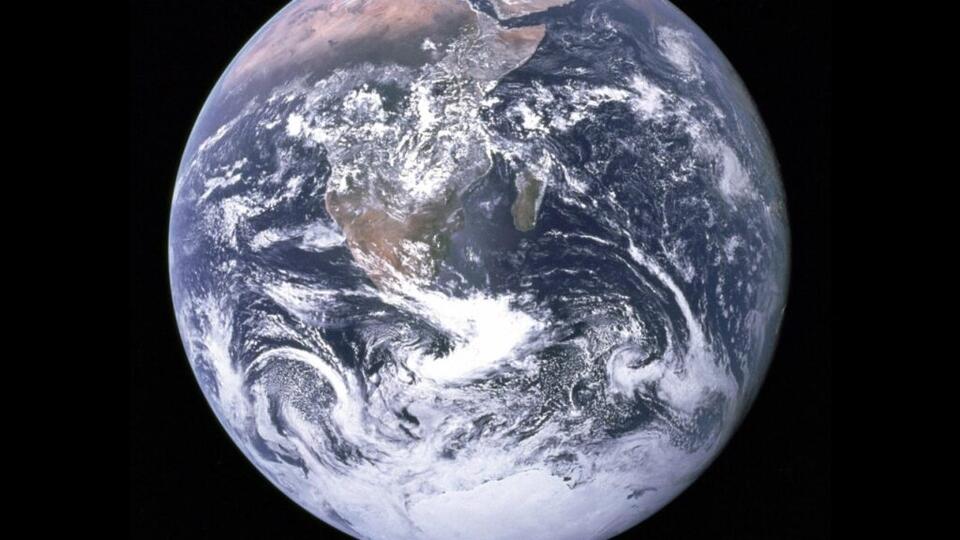
martinezlaura+FollowEarth Might Get 25-Hour Days?!Imagine waking up to a 25-hour day! Scientists say Earth’s spin is slowing down (thanks, Moon), and in about 200 million years, our days could be an hour longer. The Moon’s tidal pull is literally dragging out our days, but don’t worry—you won’t need to reset your alarm clock anytime soon. For now, our clocks are just dealing with tiny changes, but it’s wild to think our planet’s timekeeping is always in flux! #Science #EarthScience #Space110Share
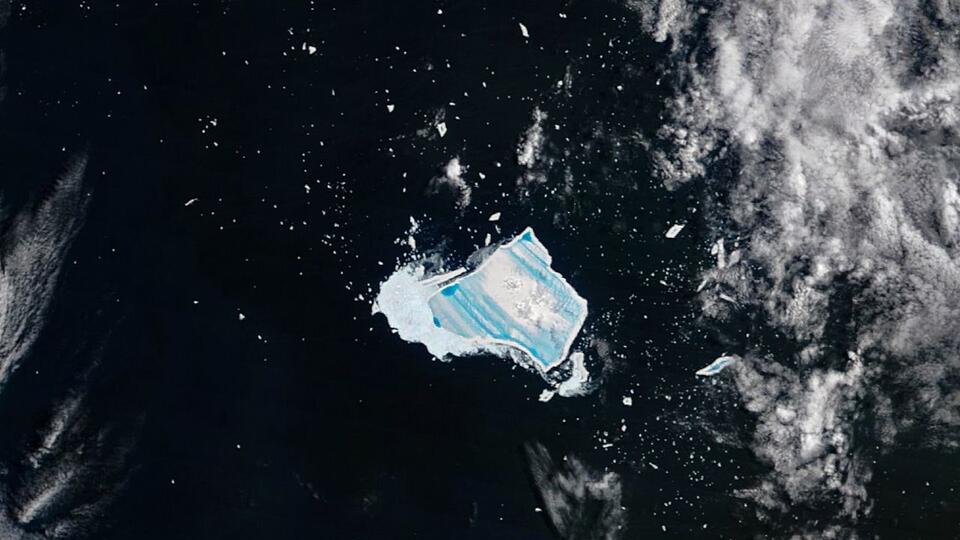
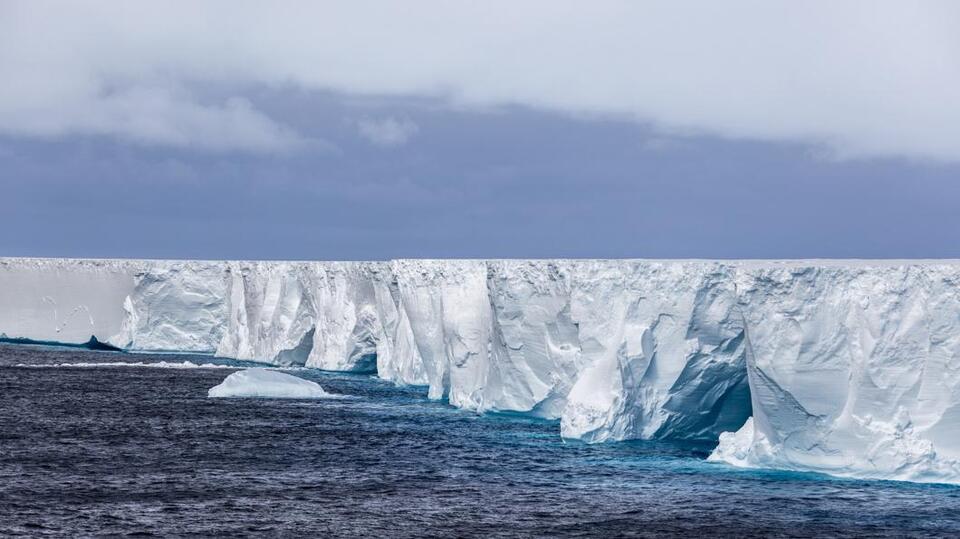
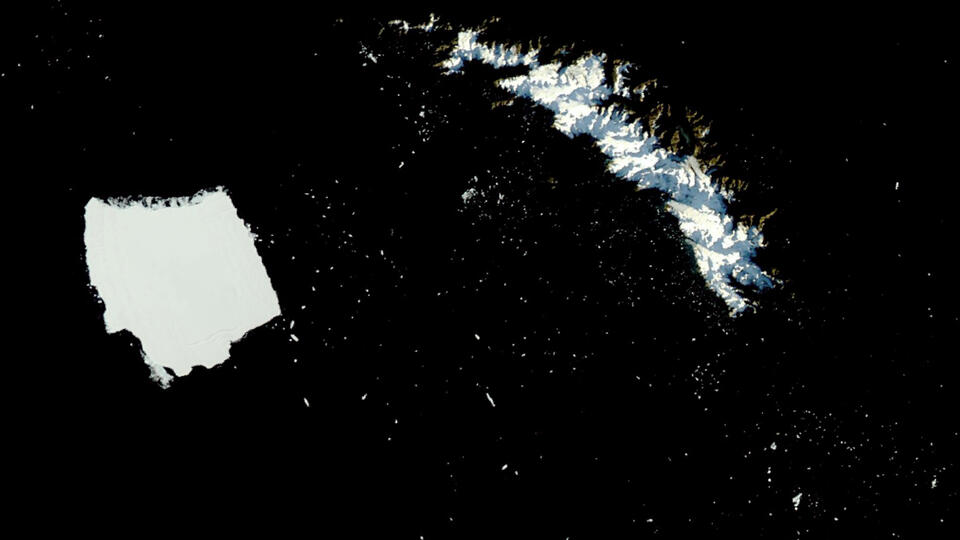
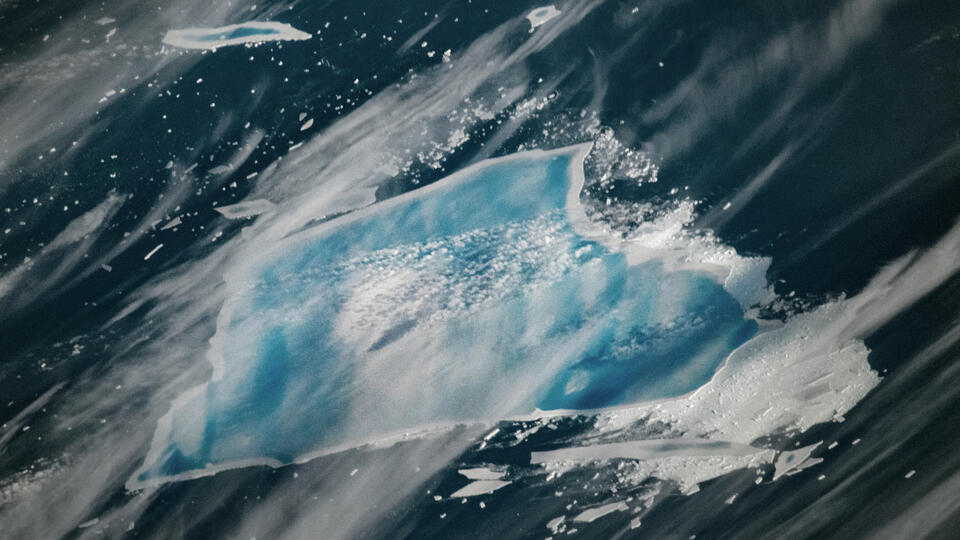
Michelle York+FollowIceberg A23a’s Wild Final Glow-UpA23a, once the world’s largest iceberg (yep, 3x bigger than NYC!), just got a dramatic send-off. After 40 years stuck in Antarctica, it finally broke free, spun around the ocean, almost crashed into a penguin haven, and is now melting into a streaky, electric-blue puddle. Satellite pics show it’s basically a giant, slushy mess now. Who knew icebergs could go out with such style? #Science #A23a #Iceberg00Share
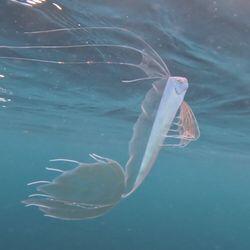
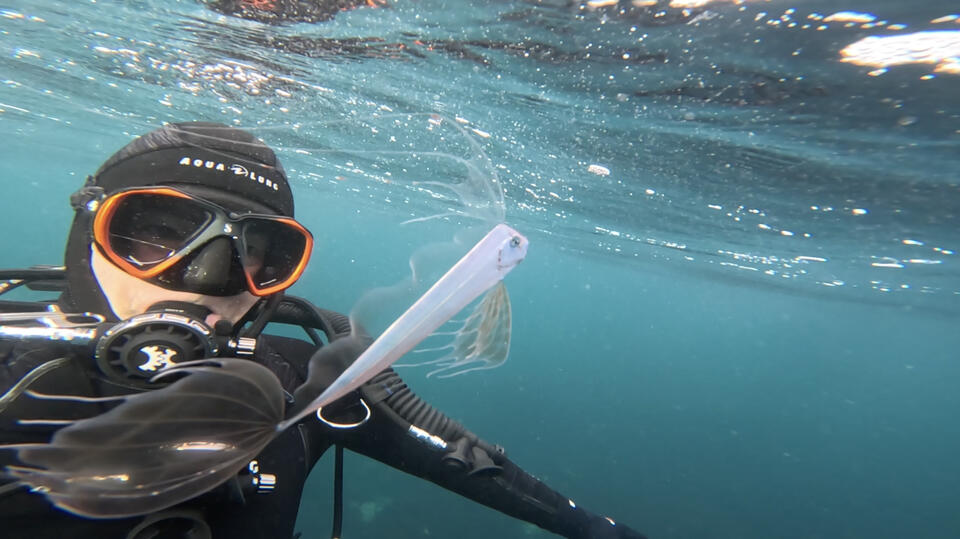
Michelle York+FollowMonterey Bay diver stumbles on rare deep-sea kingA king-of-the-salmon—usually found nearly 3,000 feet deep—was spotted just 15 feet below the surface in Monterey Bay! Local diver Ted Judah couldn’t believe his luck, describing the silvery, ribbon-like fish as a surreal sight gliding near McAbee Beach. Even marine biologists were surprised, with experts confirming it’s only the second sighting this year. The fish’s name comes from Indigenous lore, believed to guide salmon back to their spawning grounds. Encounters like this make you wonder what other deep-sea mysteries might be lurking just out of sight. Anyone else ever had a wild ocean encounter? #Science #MontereyBay #OceanMysteries10Share
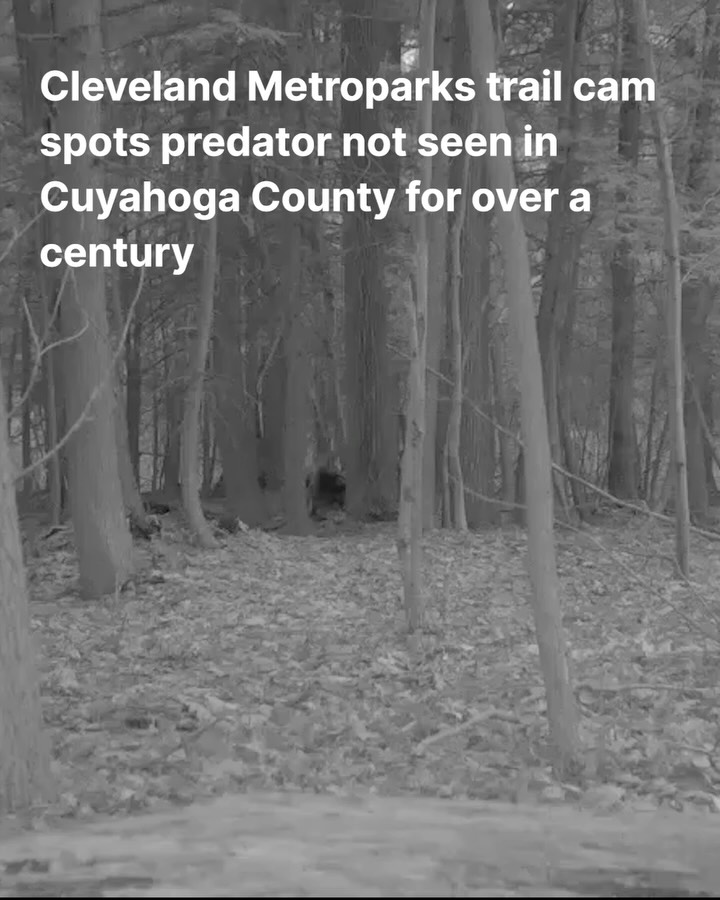
Jessica Hodge+FollowWildlife comeback: Fisher spotted in ClevelandA fisher—a member of the weasel family—has been seen in Cuyahoga County for the first time in over a century, thanks to a Cleveland Metroparks trail camera. This is more than just a rare sighting; it’s a sign that years of local conservation and habitat restoration are working. Fishers vanished from Ohio in the 1800s, but their return shows how smart environmental management can bring back lost wildlife. It’s a huge win for both nature and the community. How do you feel about seeing native species return to our neighborhoods? #Science #Cleveland #Wildlife30Share
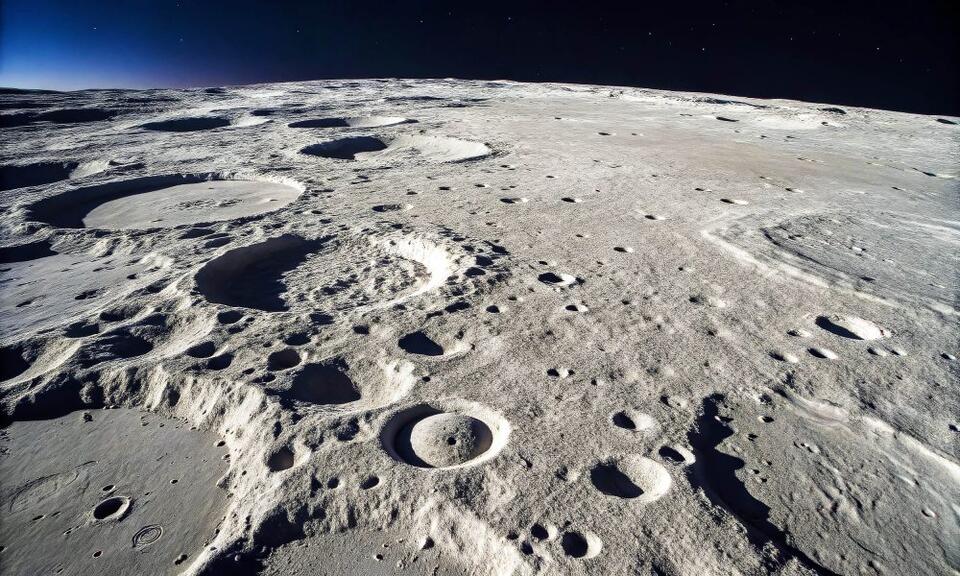
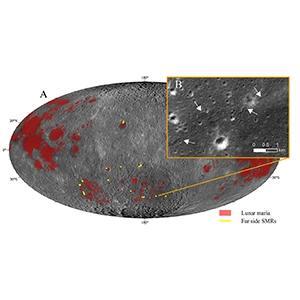
James Brady+FollowThe Moon’s Still Got Moves!Turns out the moon isn’t just a dusty old rock after all. Scientists just found fresh ridges on the far side, meaning the lunar crust has been shifting way more recently than anyone thought—like, within the last 200 million years! This could totally change how we plan future moon missions. Imagine building a base and the ground decides to flex. The moon’s still got some geologic drama going on! #Science #MoonDiscovery #SpaceNews40Share
Richard Vaughan+FollowAlien Life? Webb Telescope’s Wild FindDid the James Webb Space Telescope just spot signs of life on a planet 124 light-years away? K2-18b, a watery world with a hydrogen-rich sky, is showing some chemical hints—like methane and maybe even dimethyl sulfide (a molecule tied to life on Earth). Scientists are buzzing, but they’re also super cautious. Is this the first real whiff of alien life, or just cosmic noise? Either way, K2-18b is officially the new exoplanet obsession! #Science #JamesWebb #K218b331Share