Humanoid robot girlfriend sparks debate about future companionship today
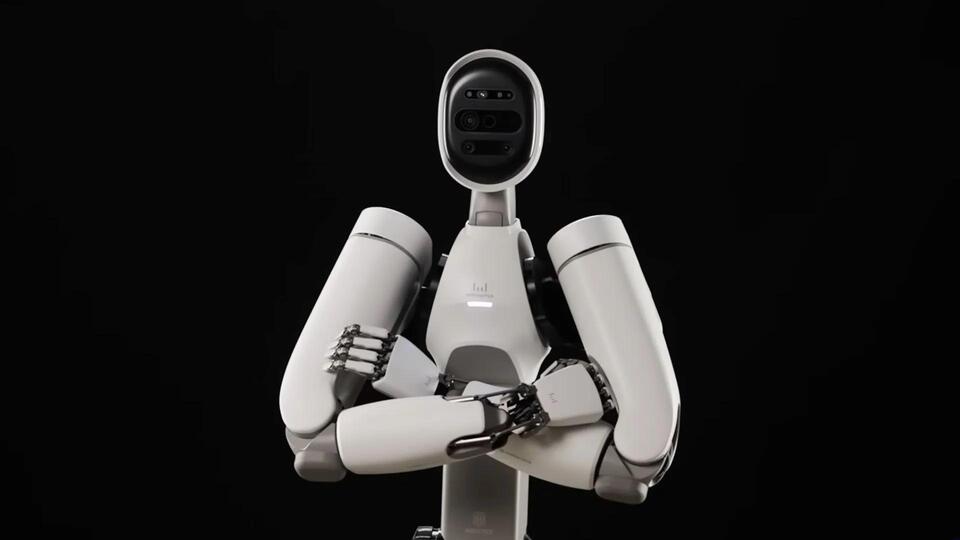
Meet Aria is a humanoid robot designed to offer companionship in a way that feels more personal and interactive than traditional machines. Built with advanced AI systems, she can talk, respond emotionally, and adapt to human behavior. The robot has gained attention for being marketed as a companion girlfriend experience priced at around $175,000, targeting futuristic tech buyers interested in AI relationships.
The idea behind Aria is part of a growing trend in artificial intelligence where machines are designed not just for tasks but also for emotional interaction. Supporters believe such robots could help reduce loneliness and provide comfort for people who struggle with social connection in modern life. Developers say the system learns from conversations to improve responses over time.
However critics raise concerns about the emotional and ethical side of human robot relationships. Some experts say people may become too attached to machines, which could change how real human relationships develop. There are also questions about privacy, data use, and how AI systems store personal conversations shared with users.
As technology continues to evolve, products like Aria highlight how fast artificial intelligence is moving into everyday human life. While still controversial and expensive, such robots show a possible future where companionship is no longer limited to humans alone. Many believe this could reshape social behavior, dating culture, and even mental health support systems in the coming years. Others see it as just the beginning of a larger shift in how humans interact with machines. For now, Aria remains a symbol of futuristic innovation and the growing blend between emotion and artificial intelligence in modern society.
#techmedtimes #ai #robotics #futuretech #innovation