Tag Page newsbreak

#newsbreak
LataraSpeaksTruth

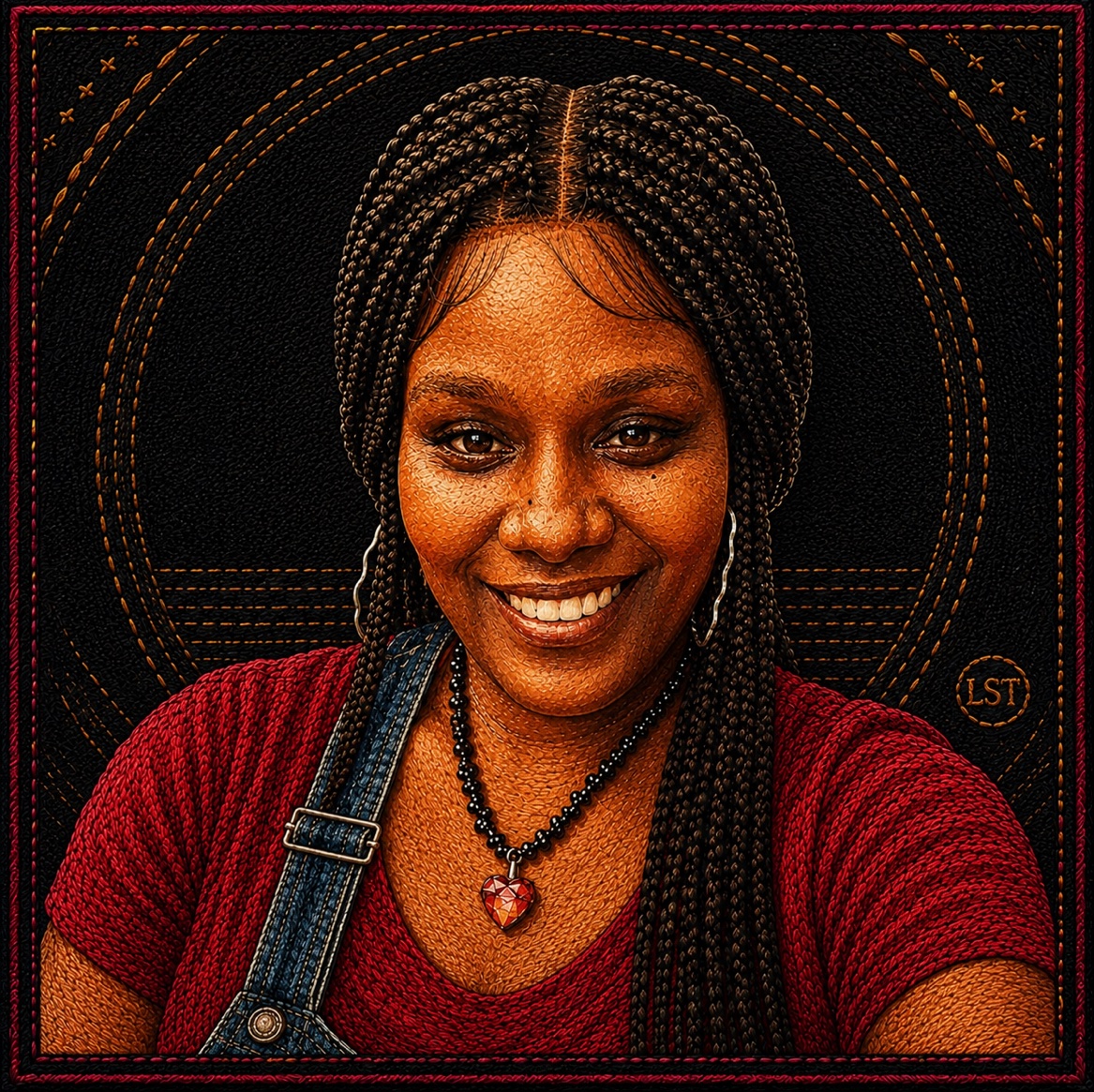
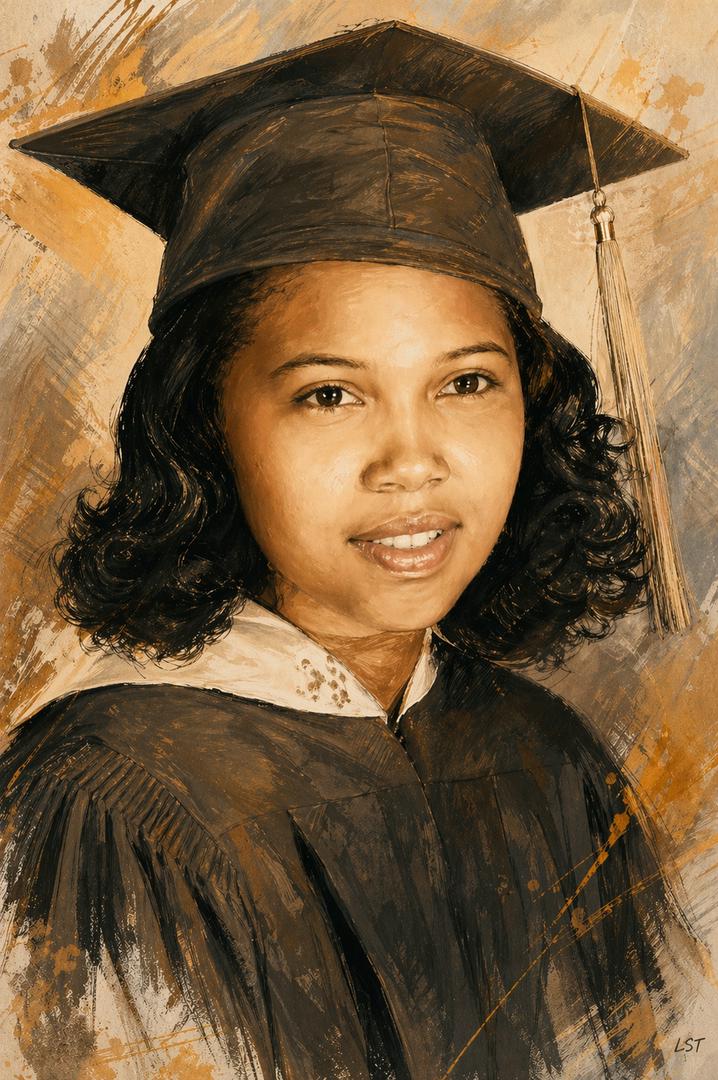
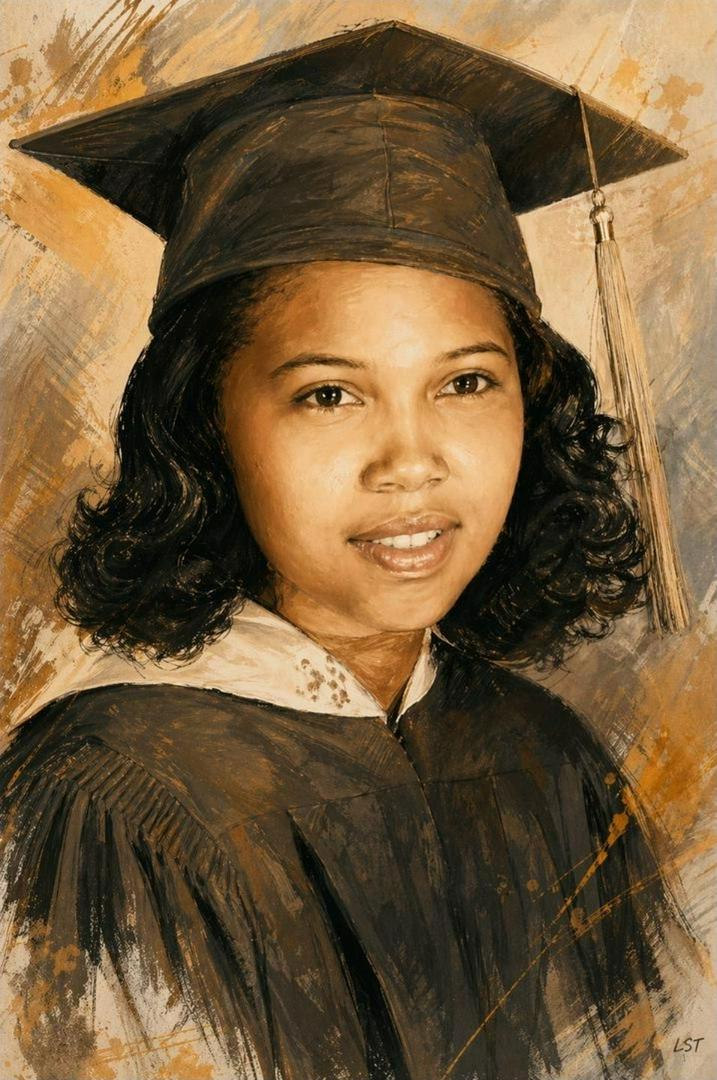
On April 23, 1951, a 16-year-old girl in Farmville, Virginia did something a whole lot of adults were too scared to do…she stood up. Barbara Johns was a student at Robert Russa Moton High School, an all-Black school so overcrowded and neglected that some students were being taught in tar-paper shacks. While white students had better buildings, better resources, and better conditions, Black students were expected to settle for less…less space, less comfort, less dignity, less future.  Barbara was not just making noise to make noise. She was strategic. She helped set things in motion so the principal would be away, arranged for a student assembly, and once the students were gathered, she spoke and urged them to walk out. They did. More than 450 students took part in that protest.  That moment mattered. What began as students demanding better conditions became something even bigger once NAACP lawyers got involved. The case that grew out of Barbara Johns’ protest was Davis v. County School Board of Prince Edward County…one of the cases later folded into Brown v. Board of Education.  Read that again. A teenage girl helped ignite a legal battle that became part of the case that challenged school segregation in America. And still, Barbara Johns is not a household name the way she should be. She was not waiting to be rescued. She was not waiting for permission. She saw what was wrong, understood what was unfair, and moved. At 16. That kind of courage deserves more than a footnote. Barbara Johns did not just walk out of a school building that day…she walked straight into history. #BarbaraJohns #BrownvBoard #OnThisDay #History #NewsBreak
CRAIG_Et

On April 23, 1951, a 16-vear-old qirl in Farmville, Virginia did something a whole lot of adults were too scared to do...she stood up. Barbara Johns was a student at Robert Russa Moton High School, an all-Black school so overcrowded and neglected that some students were being taught in tar-paper shacks. While white students had better buildings, better resources, and better conditions, Black students were expected to settle for less..less space, less comfort, less dignity, less future. Barbara was not iust making noise to make noise. She was strategic. She helped set things in motion so the principal would be away, arranged for a student assembly, and once the students were gathered, she spoke and urged them to walk out. They did. More than 450 students took part in that protest r= That moment mattered What began as students demanding better conditions became something even bigger once NAACP lawvers got involved. The case that grew out of Barbara Johns' protest was Davis v. Countv School Board of Prince Edward County...one of the cases later folded into Brown v. Board of Education. os Read that again. A teenage girl helped ignite a legal battle that became part of the case that challenged school segregation in America And still. Barbara Johns is not a household name the way she should be She was not waiting to be rescued. She was not waiting for permission. She saw what was wrong, understood what was unfair, and moved. At 16.That kind of courage deserves more than a footnote. Barbara Johns did not iust walk out of a school building that day....she walked straight into history. #Barbara Johns #BrownvBoard #OnThisDay #History #NewsBreak
LataraSpeaksTruth

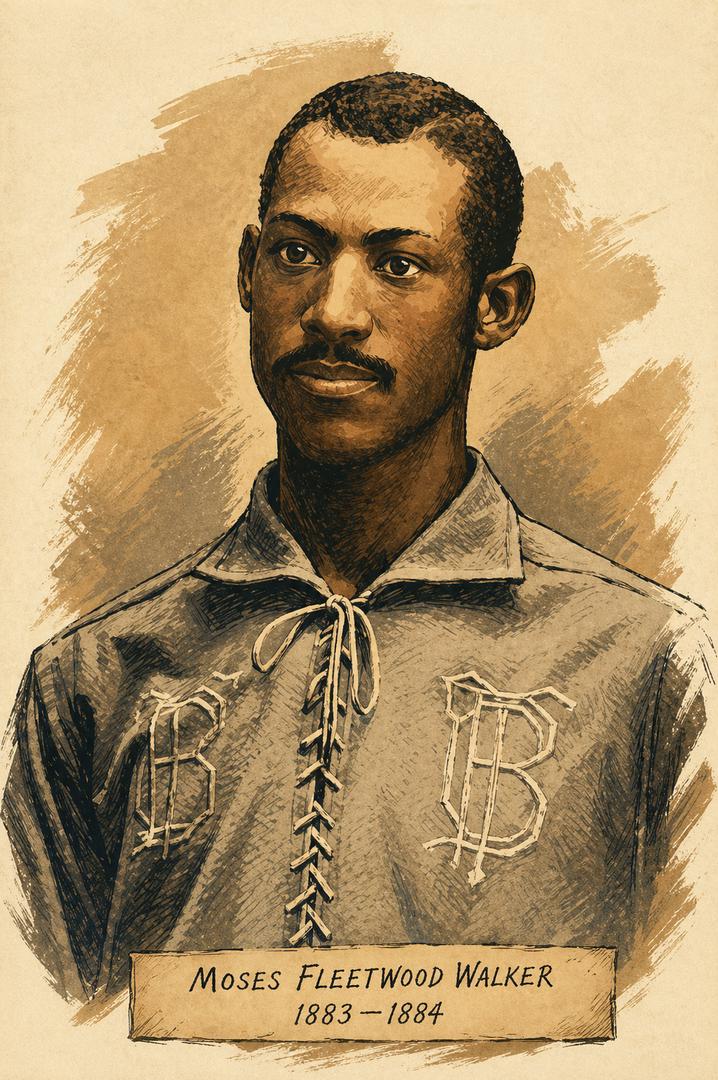
Jackie Robinson’s place in baseball history matters deeply. In 1947, he broke Major League Baseball’s modern color barrier with the Brooklyn Dodgers. But baseball’s color line story did not begin there. Decades earlier, Moses Fleetwood Walker had already stepped onto a major league field. Walker was born in Mount Pleasant, Ohio, in the 1850s and became known as “Fleet.” He attended Oberlin College and later studied law at the University of Michigan, where he also played baseball. At a time when higher education and professional athletics were not built to welcome Black men, Walker was already moving through spaces that tried to keep men like him out. On May 1, 1884, Walker made his major league debut as a catcher for the Toledo Blue Stockings of the American Association, then considered a major league. His first game came against the Louisville Eclipse in Kentucky. He was not simply playing baseball. He was standing in front of people who questioned whether a Black man belonged on that field at all. Walker played 42 games for Toledo that season. As a catcher, he worked one of the toughest positions in the sport during an era when protective gear was limited. He faced injuries, hostility, and racial abuse while competing at the highest level. His presence also exposed how quickly baseball was moving toward exclusion. White players and teams increasingly objected to playing with or against Black players. By the late 1880s, organized baseball had tightened its racial barriers, pushing Black players out of the major leagues for generations. Robinson’s 1947 breakthrough was historic because it ended decades of exclusion in the modern era. But Walker’s story reminds us that Black players were there before the door was slammed shut. He did not just come before Jackie. He showed that the color line was not natural, accidental, or unavoidable. It was built. History should remember the men who stood there before the wall went up. #MosesFleetwoodWalker #BaseballHistory

Tag: newsbreak | LocalAll