Tag Page military

#military
1776 Patriot

US Launches Project Freedom to Restore Navigation in Strait of Hormuz The United States began “Project Freedom” on May 4, 2026, a United States Central Command directed operation to restore navigation for commercial shipping through the Strait of Hormuz. Donald Trump announced the mission as a response to hundreds of neutral merchant vessels stranded during the 2026 Iran conflict. The strait, handling roughly a quarter of global seaborne oil trade along with fuel and fertilizer shipments, has been a flashpoint since February. Project Freedom uses a layered defense approach rather than simple escorts. Assets include guided missile destroyers, more than 100 aircraft, multi domain unmanned systems, and about 15,000 personnel. A U.S. led Joint Maritime Information Center established an enhanced security area near Oman, coordinating with regional authorities and providing real time routing guidance through a combined diplomatic and military framework. On its first day, two U.S. flagged merchant ships successfully transited under Navy protection. CENTCOM reported destroying several Iranian small boats and intercepting missiles and drones targeting shipping. Iran denied the claims, warned U.S. naval presence risks violating a fragile ceasefire, and asserted strikes on American warships, claims the Pentagon rejected, confirming no vessels were hit. The operation aims to ease pressure on global markets and assist stranded crews while maintaining the blockade on Iranian ports. Analysts note Iran retains fast attack boats and missile capabilities despite earlier losses. As of May 5, Project Freedom remains in early stages, with full reopening of the strait likely to take weeks or months depending on mine clearance and Iranian response. #BreakingNews #News #USNews #USA #America #Military #Defense

1776 Patriot

DARPA’s Nano Air Vehicle Program In February 2011, AeroVironment unveiled the world’s first fully operational, life-size, hummingbird-like flying machine for the Defense Advanced Research Projects Agency. Built under DARPA’s Nano Air Vehicle program, the tiny craft marked a milestone never before achieved. The handmade prototype weighs just 19 grams, or two-thirds of an ounce, including batteries, motors, communications gear, and a video camera. That is lighter than a common AA battery. Its wingspan stretches 16 centimeters, or 6.5 inches, tip to tip. Engineers could slip on a removable body fairing shaped exactly like a real hummingbird. The result looked so convincing that it was larger than an average hummingbird, yet smaller than the largest species found in nature. It flew using two flapping wings for both power and steering, with no tail or extra control surfaces. Under remote control, it climbed and descended vertically, slid left or right, raced forward and backward, and rotated clockwise or counterclockwise. It hovered precisely inside an imaginary two-meter-wide sphere for a full minute. It held steady in five-mile-per-hour side gusts, drifting less than one meter. It stayed aloft for eight straight minutes on its own batteries. Pilots pushed it to 11 miles per hour in forward flight, then eased it back into a perfect hover. They even flew it indoors while watching only the live video feed. The goal was simple yet bold: to give American forces eyes that could enter the tightest urban spaces without warning. It could outmaneuver wind, slip through doors, and relay crystal-clear video from places too dangerous for soldiers. The Hummingbird fulfilled its role as a technology demonstrator. It never entered mass production, but its breakthroughs in nanoscale power, control, and miniaturization lived on. AeroVironment drew directly from those advances to create the Snipe, a palm-launched nano quadrotor system. #Military #Spytek #News #USNews #USA #America

Mma Warzone

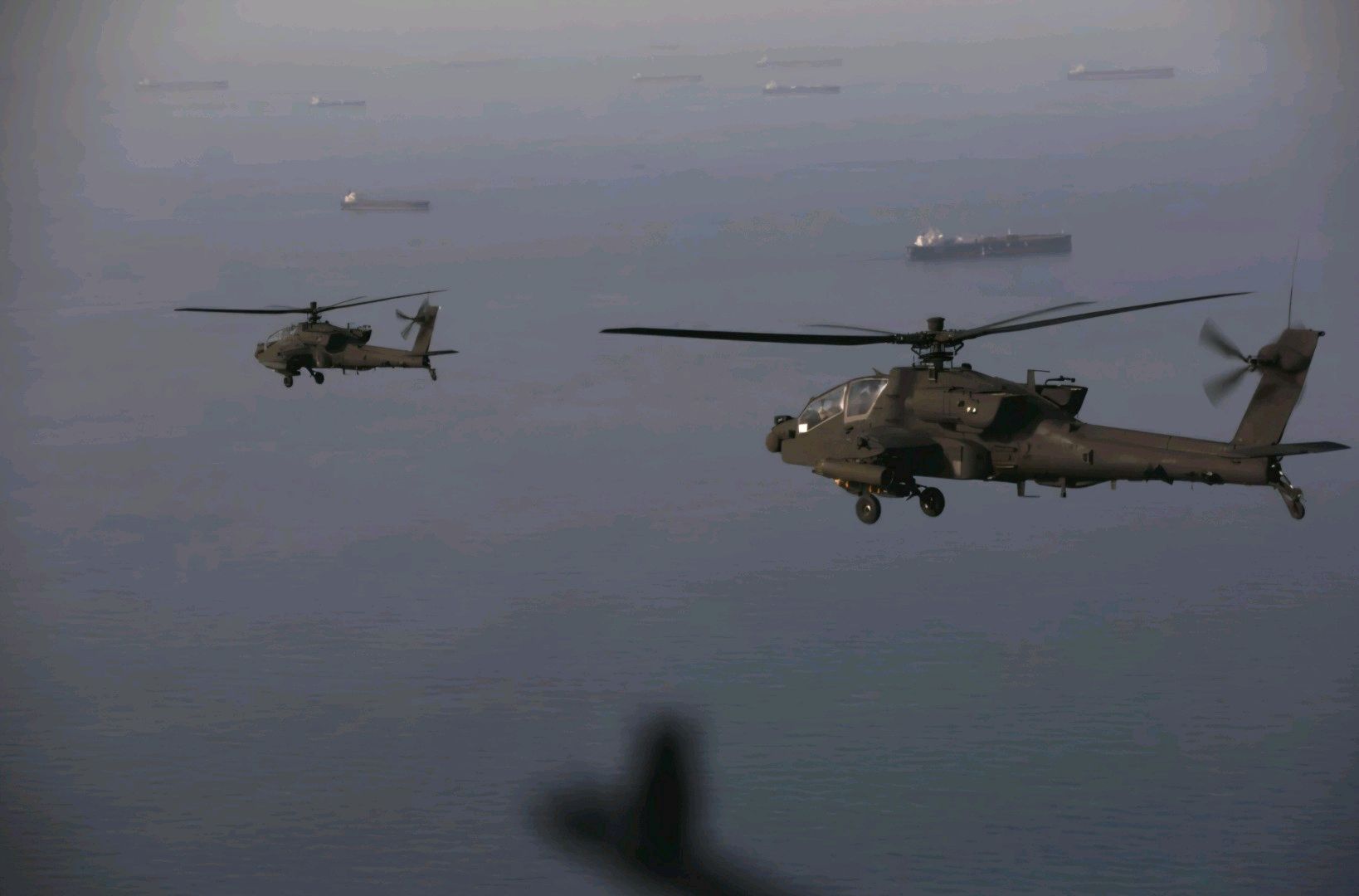
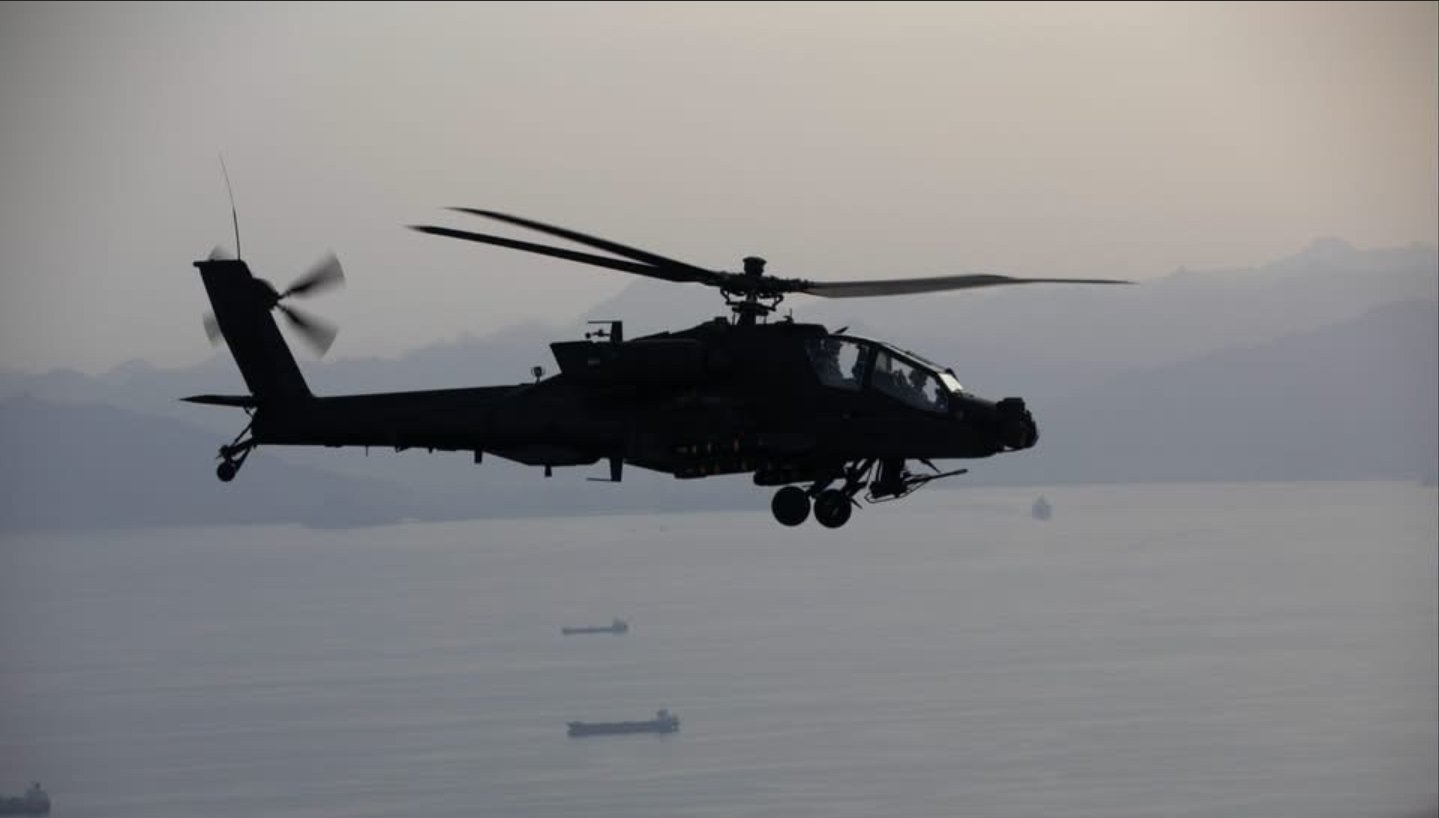
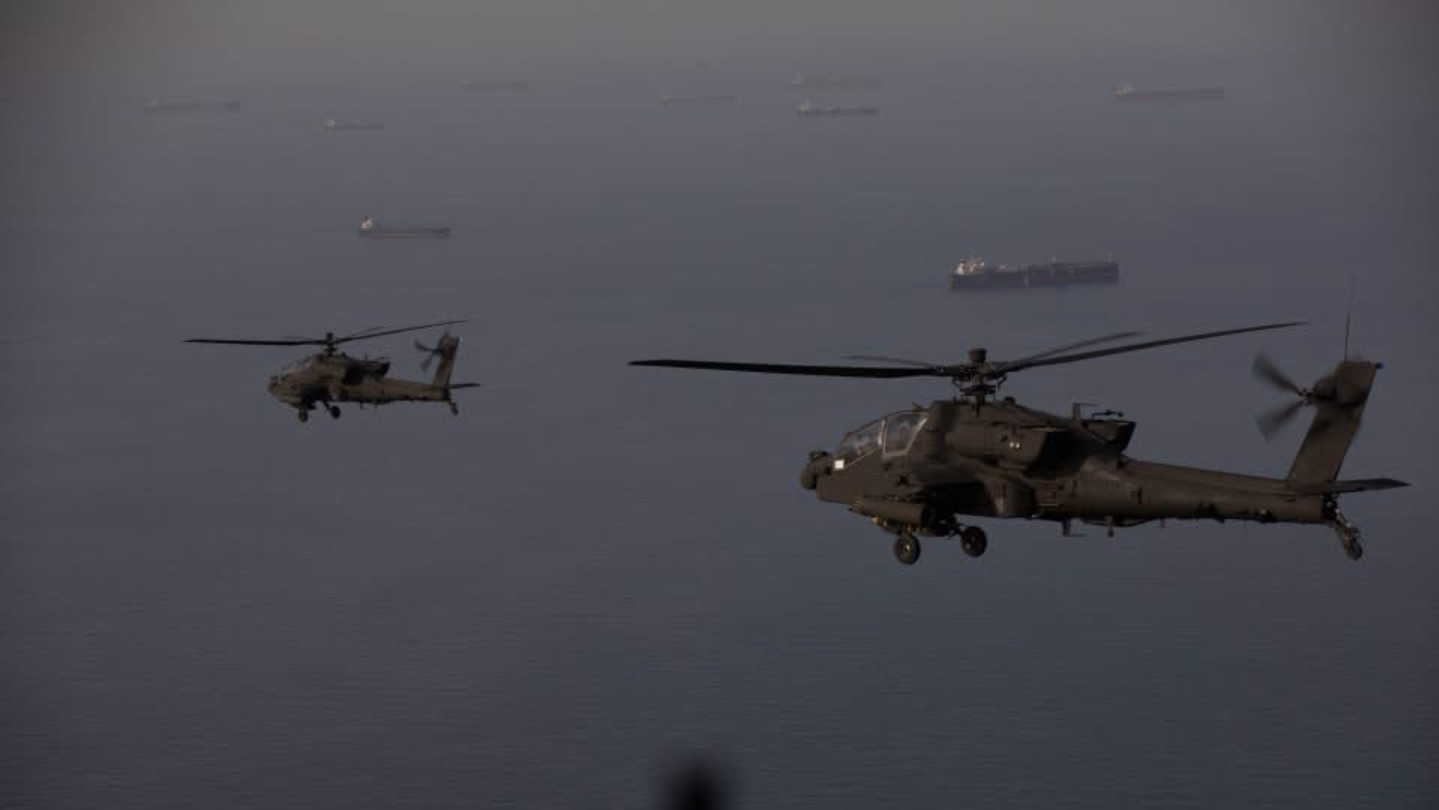
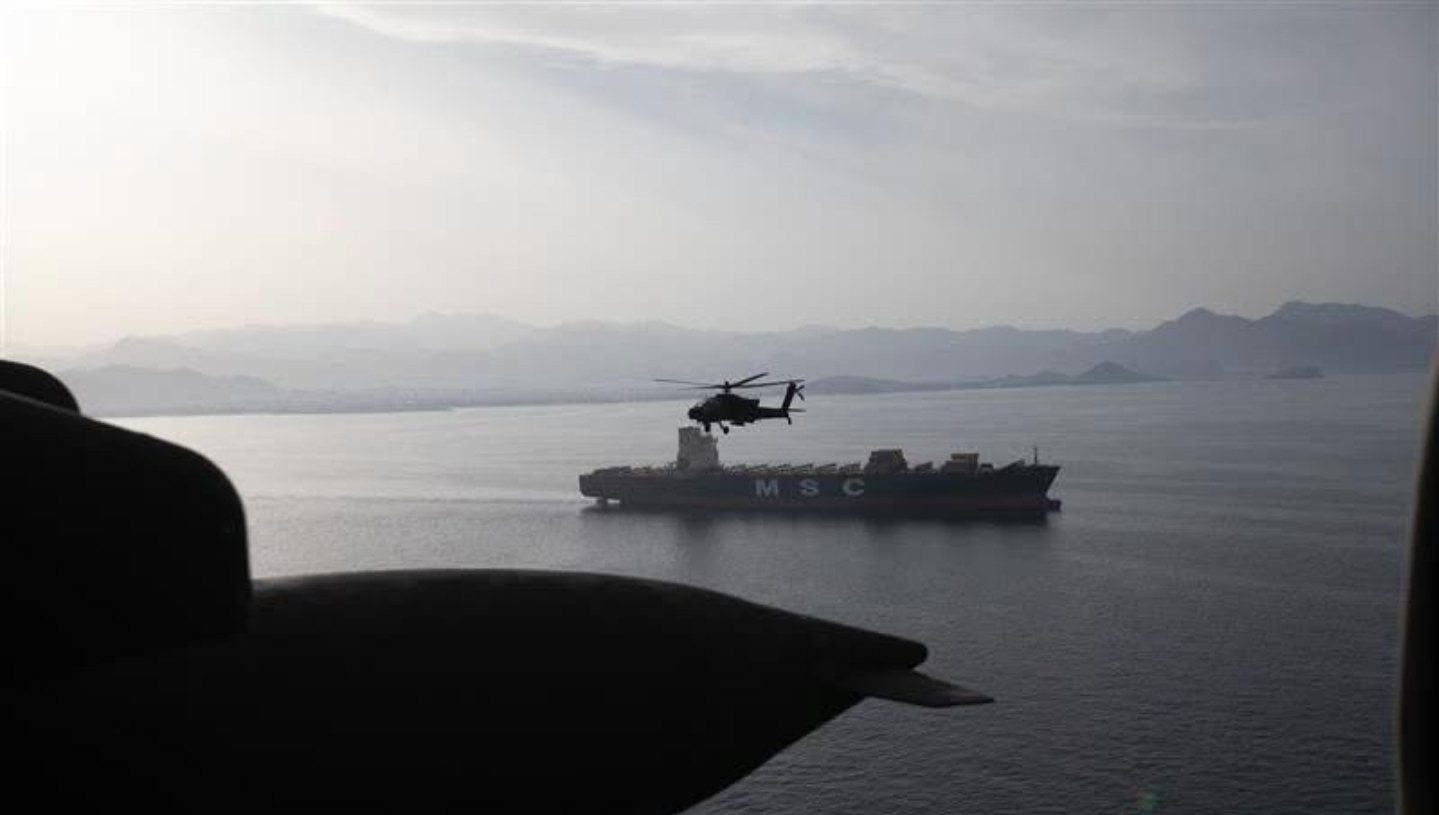
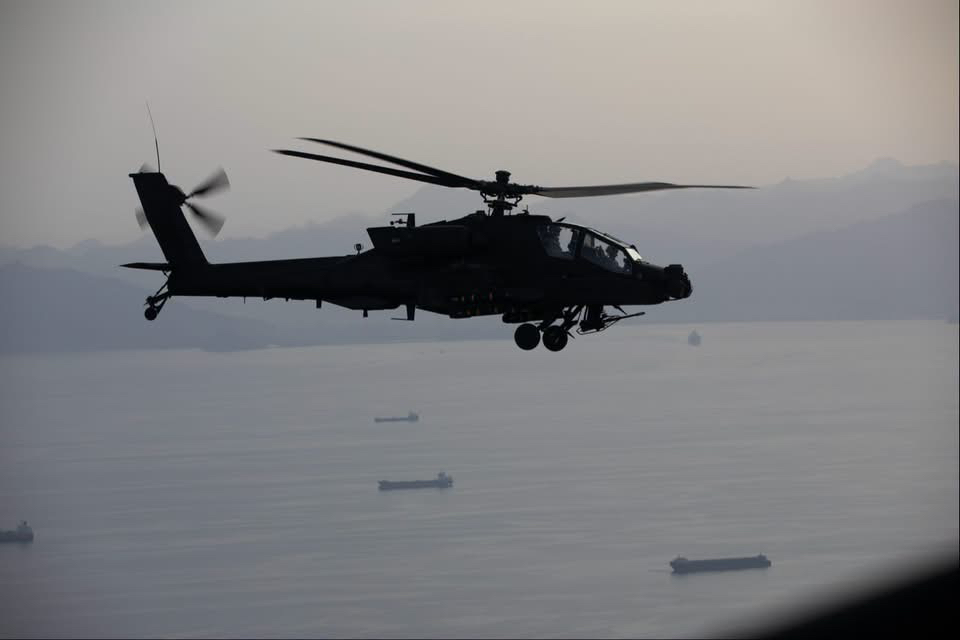
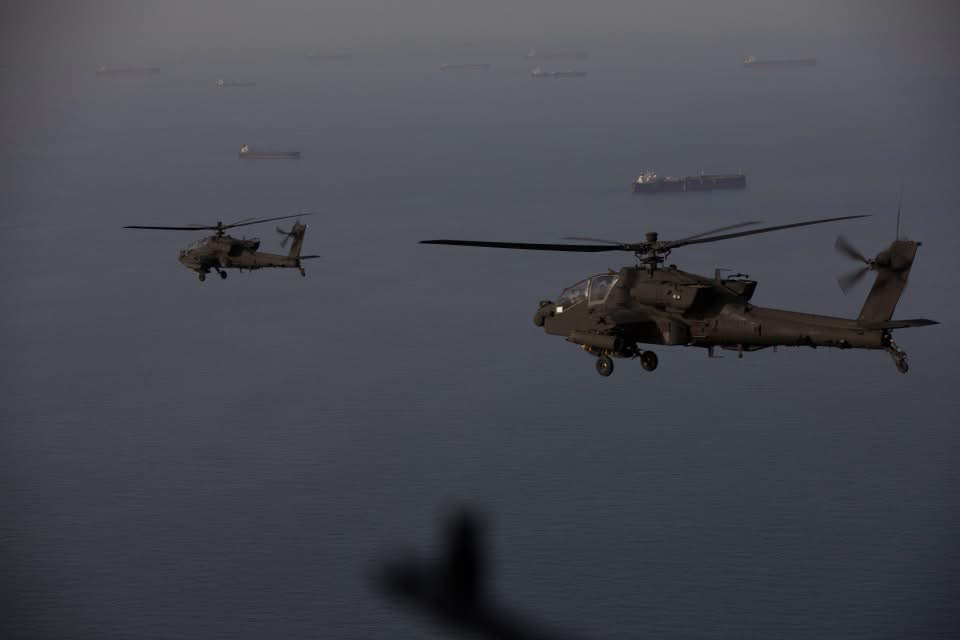
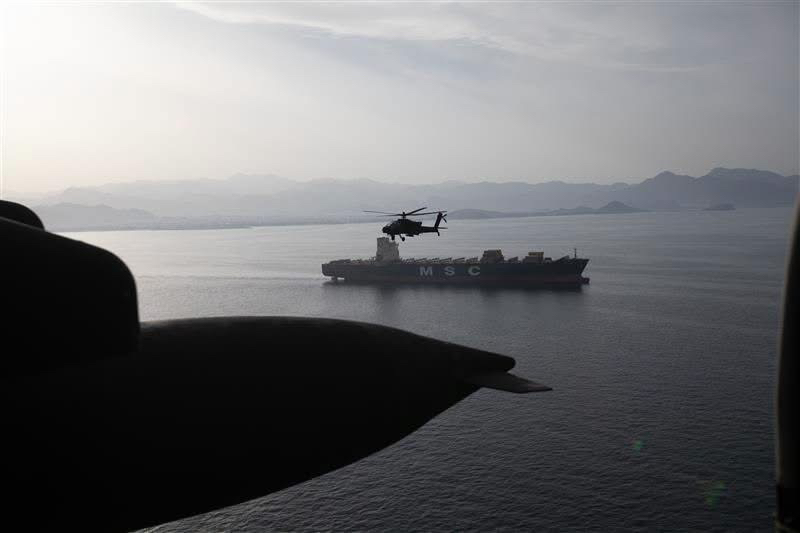
🚨 BREAKING The United States Central Command confirmed that AH-64 Apache helicopters conducted patrol flights over the Strait of Hormuz on April 17. According to the statement, U.S. Army aviation units continue to operate in and around the strait to reinforce military presence and support freedom of navigation in the region. ⚠️ Key points: ▪️ Apache helicopters carried out aerial patrols over the strategic waterway. ▪️ U.S. forces are maintaining a visible and active presence. ▪️ Operations aim to secure maritime routes and deter threats. 🧭 The move highlights ongoing efforts to stabilize one of the world’s most critical shipping lanes amid rising regional tensions. ⸻ #BREAKING #CENTCOM #USA #Apache #StraitOfHormuz #MiddleEast #Military #Geopolitics #WorldNews

Brandon_Lee

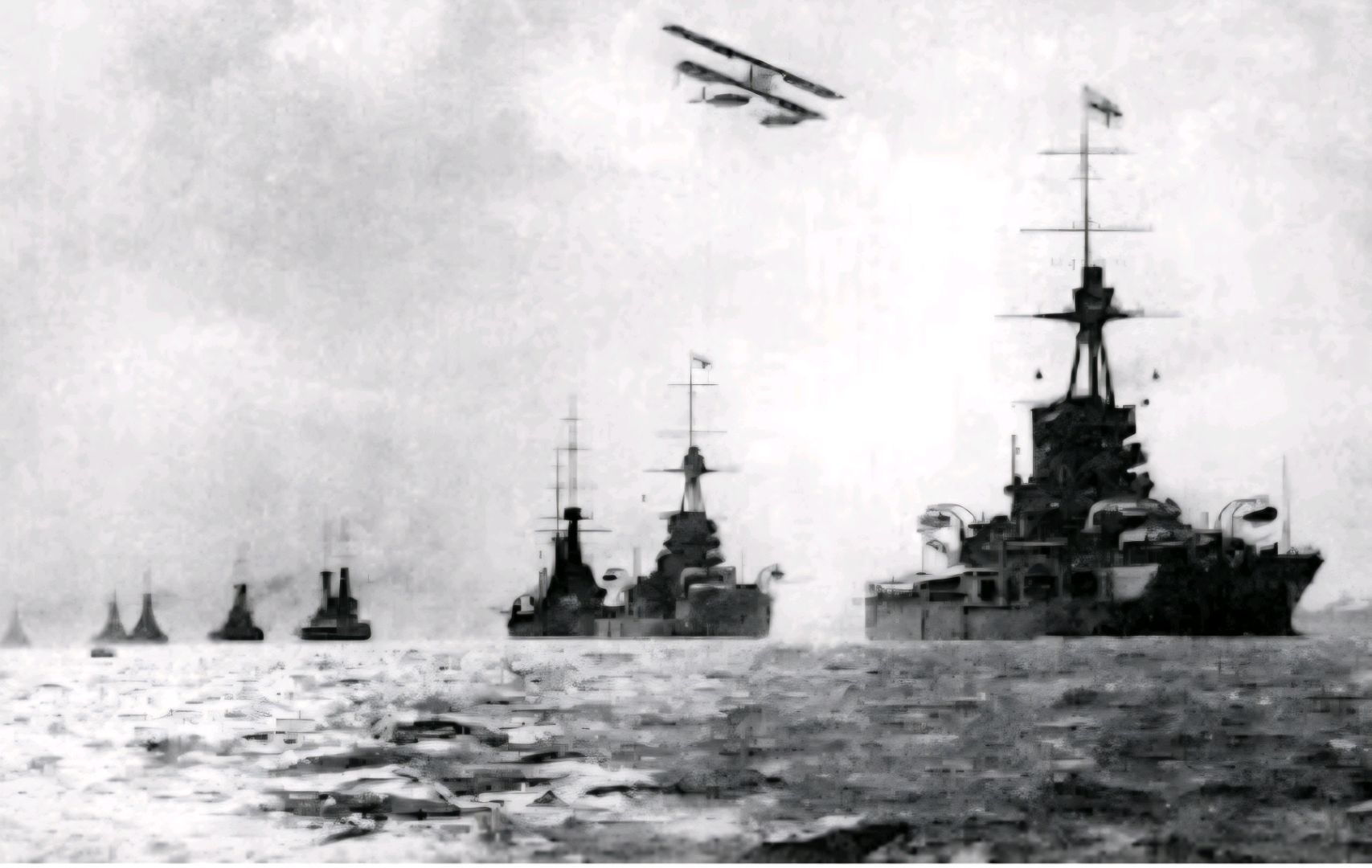
The Vanishing Fleet: Britain's Fading Sea Power For centuries, the sun never set on the British Empire because the Roval Navy ruled the waves. At its 1 9th-century zenith, Britain enforced a "Two-Power Standard," ensurind its fleet outmatched the next 2 largest navies. Today, that global colossus has shrunk to a "boutique" navy: advanced vet perilously thin on hulls and readiness The decline is stark. In 1914, the Royal Navy fielded over 600 ships, including 71 battleships. By the 1982 Falklands War, it mustered 2 carriers and 24 escorts. As of early 2026, the fleet has roughly 63 commissioned vessels. Yet core fighting power is far lower: just 13 to 15 major surface combatants, including 2-Queen Elizabeth-class carriers, 6-Type 45 destroyers, and 7-Type 23 frigates.Operational availability is grimmer. Doctrine calls for a "Rule of Three' (1 deployed, 1 training, 1 in maintenance) but reality is worse. Of 6-Type 45 destrovers, often only 2 or 3 are sea-ready amid engine upgrades. Of 6-Astute-class submarines, frequently only 1 is operational Usually just 1 carrier (such as HMS Prince of Wales on 5 davs' notice) is available Compare this to the U.S. Navy's 300 deplovable ships and 11-nuclear supercarriers. America's groups operate independently worldwide. Britain's 2-conventionally powered carriers often need U.S. or allied escorts. A single sustained deployment can exhaust the Roval Navy's reserves This hollowing stems from aging hulls recruitment shortfalls. and the nuclear deterrent's high cost. Sustaining 4-Vanquard-class submarines devours amassive budget share. New Type 26 and Type 31 frigates remain years away significant numbers not arriving until the 2030s). The Navy is a "construction-site' force in transition Unless urgent action reverses the hollowing. the once-unrivaled Ruler of the Waves risks slipping beneath history's surface as a noble but diminished ghost fleet #BreakingNews #News #USNews #USA #Military #America #USA #Veterans

1776 Patriot

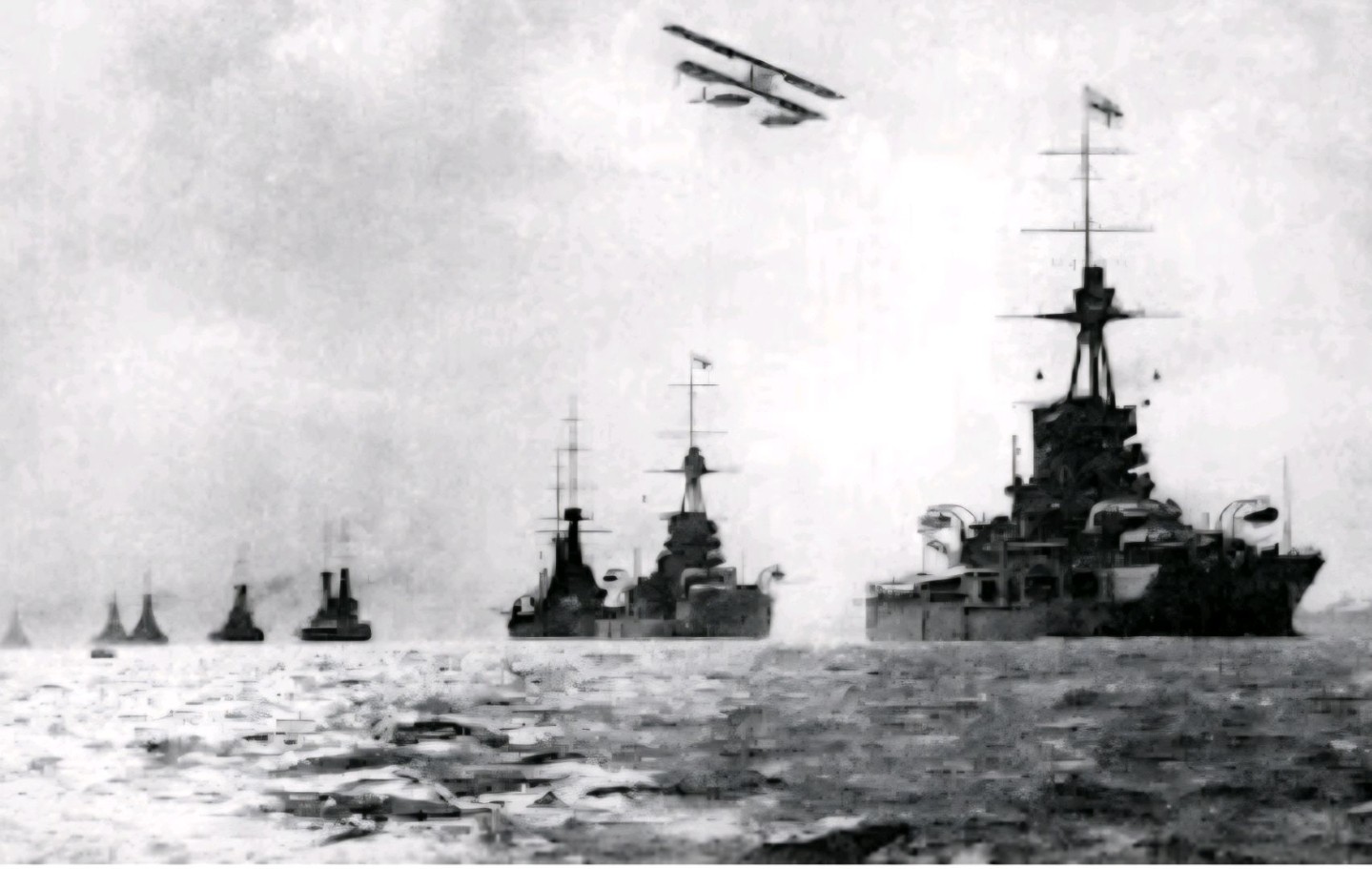
The Vanishing Fleet: Britain's Fading Sea Power For centuries, the sun never set on the British Empire because the Royal Navy ruled the waves. At its 19th-century zenith, Britain enforced a "Two-Power Standard," ensuring its fleet outmatched the next 2 largest navies. Today, that global colossus has shrunk to a "boutique" navy: advanced yet perilously thin on hulls and readiness. The decline is stark. In 1914, the Royal Navy fielded over 600 ships, including 71 battleships. By the 1982 Falklands War, it mustered 2 carriers and 24 escorts. As of early 2026, the fleet has roughly 63 commissioned vessels. Yet core fighting power is far lower: just 13 to 15 major surface combatants, including 2-Queen Elizabeth-class carriers, 6-Type 45 destroyers, and 7-Type 23 frigates. Operational availability is grimmer. Doctrine calls for a "Rule of Three" (1 deployed, 1 training, 1 in maintenance), but reality is worse. Of 6-Type 45 destroyers, often only 2 or 3 are sea-ready amid engine upgrades. Of 6-Astute-class submarines, frequently only 1 is operational. Usually just 1 carrier (such as HMS Prince of Wales on 5 days' notice) is available. Compare this to the U.S. Navy's 300 deployable ships and 11-nuclear supercarriers. America's groups operate independently worldwide. Britain's 2-conventionally powered carriers often need U.S. or allied escorts. A single sustained deployment can exhaust the Royal Navy's reserves. This hollowing stems from aging hulls, recruitment shortfalls, and the nuclear deterrent's high cost. Sustaining 4-Vanguard-class submarines devours a massive budget share. New Type 26 and Type 31 frigates remain years away (significant numbers not arriving until the 2030s). The Navy is a "construction-site" force in transition. Unless urgent action reverses the hollowing, the once-unrivaled Ruler of the Waves risks slipping beneath history’s surface as a noble but diminished ghost fleet. #BreakingNews #News #USNews #USA #Military #America #USA #Veterans