Tag Page history

#history
1776 Patriot

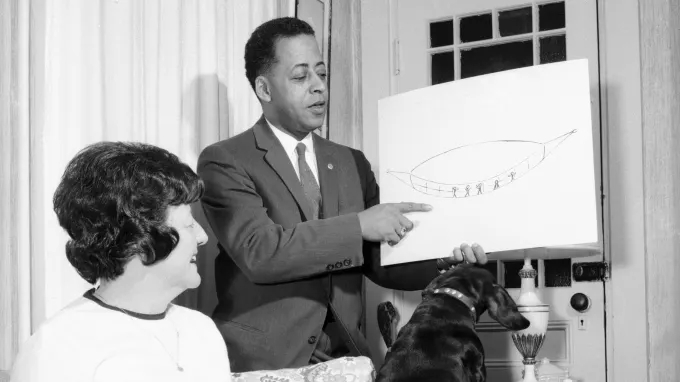
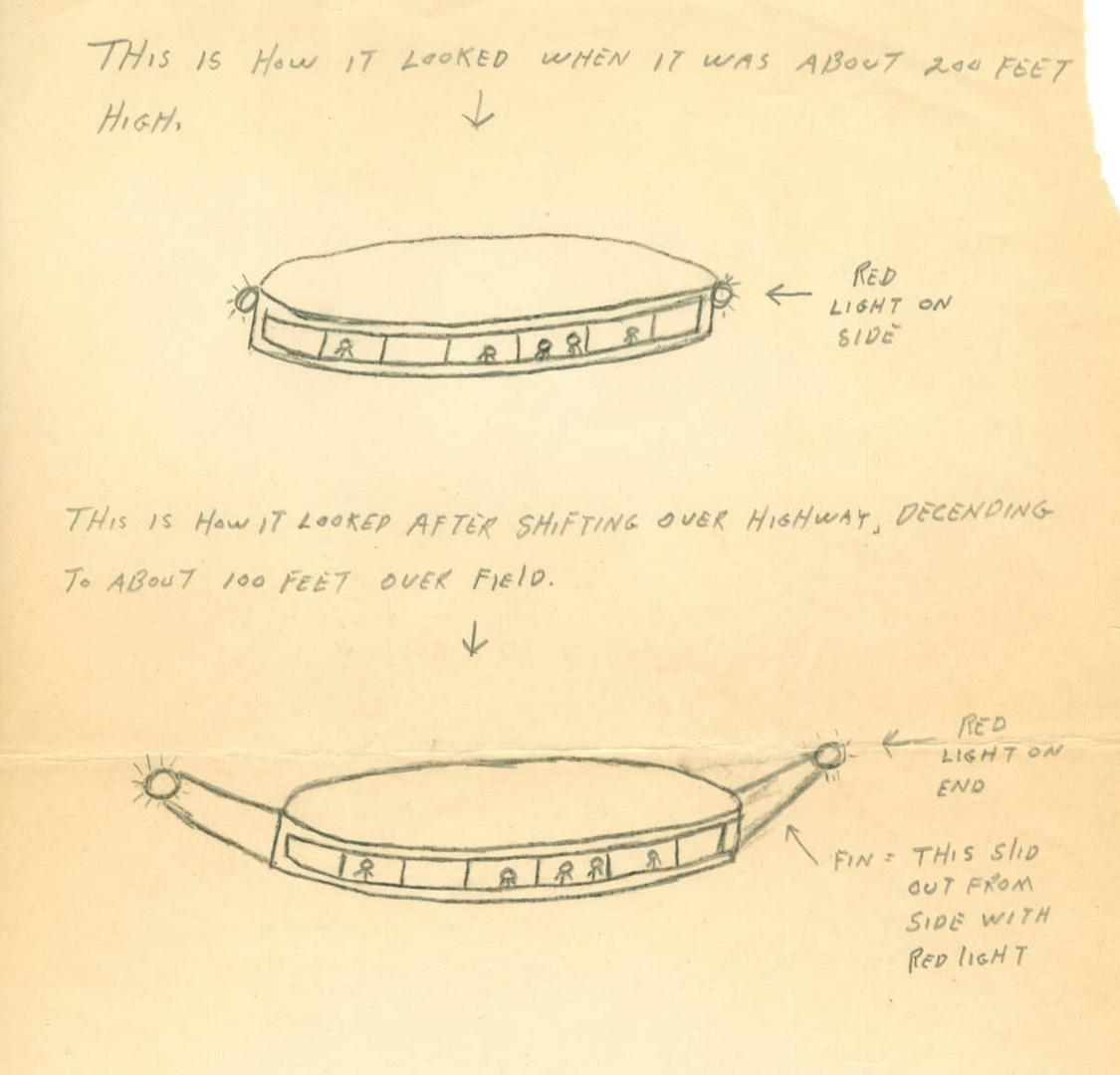
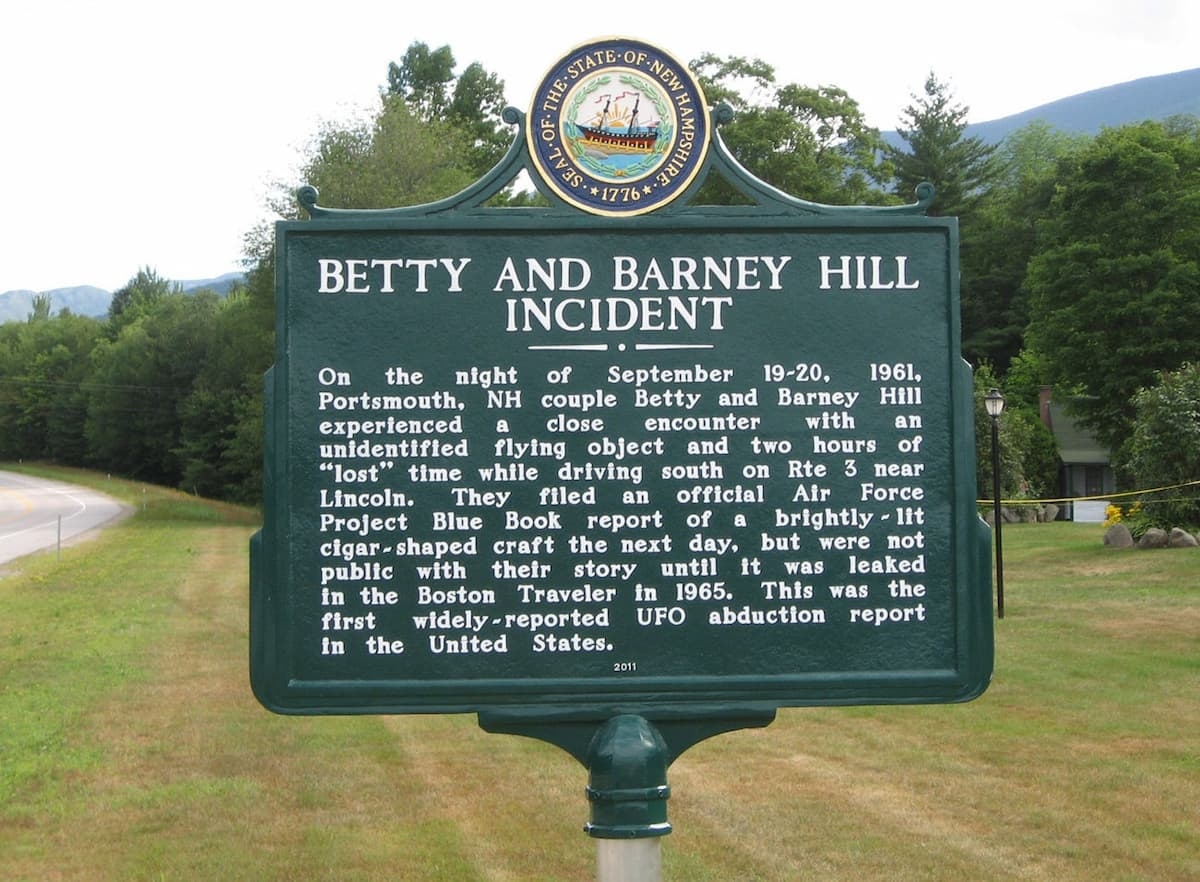
America's Indroduction to the Greys: The Hill's 1961 Alien Abduction Case The Betty and Barney Hill case of 1961 is one of the most famous and influential alien abduction reports in history. On a September night, the Hills were driving home from a vacation in New Hampshire when they noticed a bright light in the sky. As they approached it, they described the object as a large metallic craft hovering silently. Terrified, they reported feeling paralysis and later recalled missing time. Under hypnosis months later, both Betty and Barney recounted being taken aboard the craft and examined by small humanoid beings with large slanted black eyes, gray skin, and oversized heads. The entities had minimal facial features, thin bodies, and spoke telepathically. Betty described the craft’s interior as filled with lights, panels, and instruments, while Barney drew sketches of the beings that matched later reported Grey archetypes. Their memories, while initially fragmented, were remarkably consistent once recovered through hypnotic regression. The Hills’ experience introduced key elements that would define future abduction lore. Their description of Greys, tiny gray skinned large headed humanoids, became the standard template in popular culture and subsequent abduction reports. Their story also included star maps drawn by Betty, which she claimed showed the aliens’ home system, later loosely linked to the Zeta Reticuli binary system. The case drew national attention when journalist John G. Fuller published a detailed account in 1966, framing the event as a serious investigation into unexplained phenomena. Psychologists have studied the Hills’ report as an example of sleep paralysis, memory distortion, and cultural influence, yet the vivid detail and consistency of their account make it a cornerstone of UFO history. The Betty and Barney Hill case remains pivotal in shaping how society visualizes aliens, particularly the Grey anatomy. #Aliens #UFO #America #History #USA

OrbitalOtter

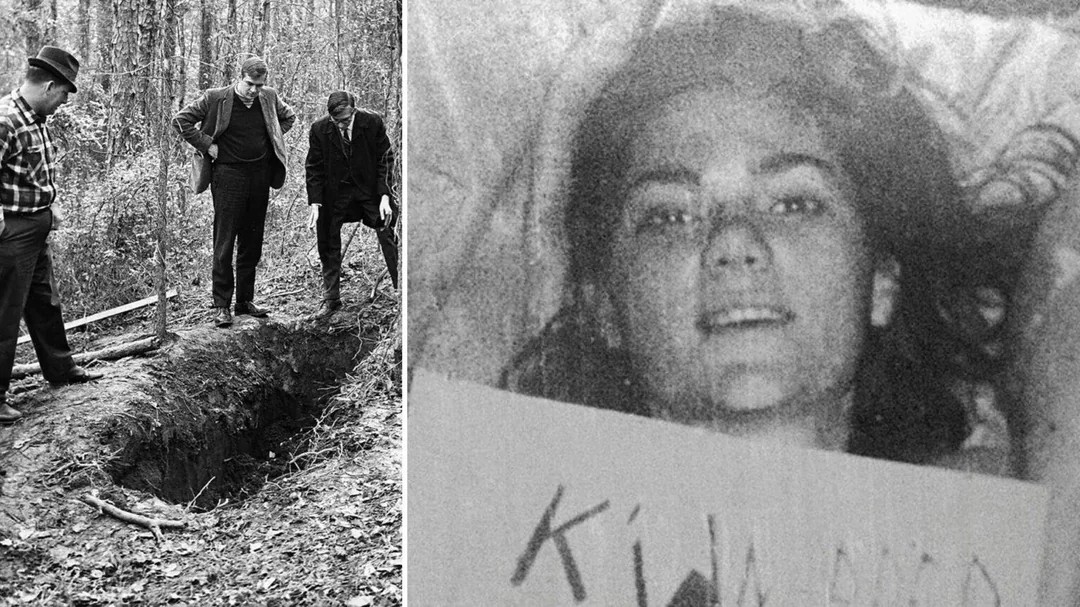
Thinking About Barbara Mackle Today

I stumbled across the story of Barbara Mackle again — the young woman who was kidnapped in 1968 and buried alive in a fiberglass box for days. Seeing the photo of her coffin next to the grave honestly hit me harder than I expected. It’s one thing to read the headline, but another to imagine a 20-year-old lying there in the dark, knowing that every breath depends on whether her kidnappers decide to come back. What gets me is how terrifyingly human the situation is. She wasn’t a criminal, she wasn’t doing anything risky — she was a college student just trying to get home. And someone looked at her and decided she was a target. It reminds you how fragile safety really is, how quickly your whole world can be taken by someone else’s choices. I don’t know… stories like this stay with you because they’re not just “true crime.” They’re reminders of what people are capable of — both the cruelty of the kidnappers and the unbelievable strength it took for her to survive those days underground. It makes you look at your own life and think about how much we take ordinary days for granted. It’s heartbreaking, terrifying, and strangely inspiring all at once. #UnexpectedResults #Strength #History

Thinking About Barbara Mackle Today
1776 Patriot

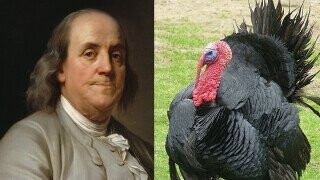
How the Turkey Almost Became America’s National Bird The story of the turkey’s near rise to national symbol begins in the early years of the United States, when leaders were choosing an emblem to represent the new nation. Benjamin Franklin took a special interest in this decision, and in a private letter he shared his belief that the turkey deserved the role more than the bald eagle. He described the turkey as a native species that early settlers and Indigenous communities had long known, hunted, and observed in the wild. To him, this connection made the turkey a more fitting choice for a country trying to define its identity. At the time, wild turkeys roamed across much of North America and were recognized for their strength and surprising agility. They could run up to 20 miles per hour, fly short distances at high speed, and use more than 30 vocalizations to communicate. Settlers often noted how quickly turkeys could react to danger, spotting movement from far away and working together in groups to stay safe. These behaviors shaped Franklin’s view that the turkey represented determination and awareness. The bald eagle, however, carried strong visual appeal and a dramatic silhouette. When the Continental Congress reviewed design proposals in 1782, the eagle appeared on several versions of the Great Seal. Despite Franklin’s private objections, the eagle’s sharp outline and widespread recognition won over the committee. The turkey simply did not gain enough support. Although the turkey did not become the national bird, its place in American life never faded. It continued to be central to farming, hunting traditions, and eventually Thanksgiving celebrations. The story of its near selection remains a unique moment in early American decision making, illustrating how even everyday wildlife played a role in shaping national symbols. #USHistory #History #America #USA #News #USNews #Thanksgiving