Tag Page history

#history
OrbitalOtter

The Boy Who Fought Back — and Paid the Price

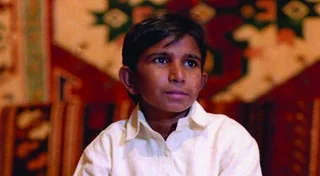
This is Iqbal Masih, and his story still hits like a punch to the chest. At just 10 years old, he was sold for a 600-rupee loan and forced to work in a carpet factory, earning only 1 rupee a day. Most children in his situation never get out. But Iqbal did something almost unimaginable — he escaped. Instead of disappearing into anonymity or trying to rebuild his own life quietly, he went back into the fire. He joined a child-labor liberation movement and helped free more than 3,000 children from bonded labor. A kid who had almost nothing somehow became a threat to one of the biggest exploitative industries in his country. And at just 12 years old, he was assassinated — reportedly by a gang hired by the carpet industry. What stays with me is this: he wasn’t a symbol, or an icon, or a chapter in a human-rights textbook. He was a child. A boy who should’ve been in school, riding his bike, worrying about homework — not fighting a system built on the suffering of kids like him. Iqbal’s story is heartbreaking, yes. But it’s also one of the most courageous acts I’ve ever read. A child who refused to accept the world as it was… and tried to build something better for others, even when it cost him everything. #History

The Boy Who Fought Back — and Paid the Price
1776 Patriot

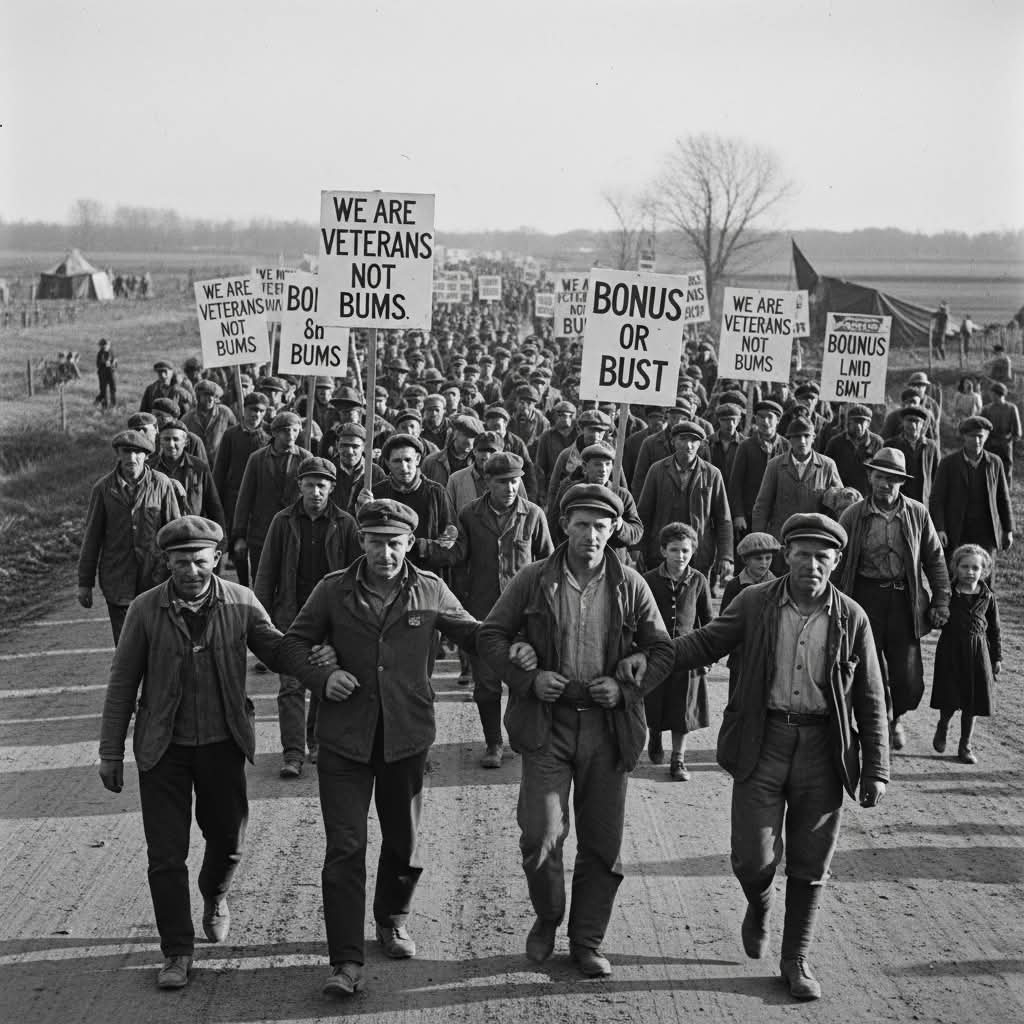
The Untold Battles of American Veterans After War Across U.S. history, veterans returning from war often faced neglect despite public praise. Continental soldiers after 1783 struggled to receive promised pay and pensions, delayed by 6 to 12 months. Some threatened to march on Congress in the Newburgh Conspiracy. General Washington’s appeal prevented crisis but revealed how fragile veteran support was. After the Civil War, Northern soldiers were publicly honored, yet many lived with poverty, lingering injuries, and untreated trauma. Confederate veterans faced economic devastation and social disruption. World War I soldiers returned to limited jobs. “Shell shock” now recognized as PTSD was often untreated. In 1932, 17,000 veterans and families formed the Bonus Army in Washington D.C., demanding early payment of bonuses scheduled for 1945. Living in tents along the Anacostia River during the Great Depression, they were forcibly evicted by troops; several were injured, illustrating neglect despite service. World War II veterans fared better. Many returned to ticker tape parades and benefited from the GI Bill offering education and housing. However, racial disparities limited access for Black veterans, and mental health issues often went unaddressed. Vietnam veterans rarely received parades and often faced hostility or silence. Employment and PTSD treatment were difficult to access. Studies show roughly 30 percent experienced PTSD, and repeated low level blast exposure in combat or training can cause CTE like brain pathology recently recognized in military research. Iraq and Afghanistan veterans face 20 percent PTSD prevalence and 12 to 15 percent traumatic brain injuries. Despite public respect, many encounter barriers to care, employment, and reintegration. History shows that real recognition requires sustained mental health support, equitable benefits, and societal commitment, not just words. #History #USHistory #America #Veterans #PTSD #SupportOurVeterans #USA

OrbitalOtter

When Justice Crosses Borders

I came across a wild story today that feels like something out of a movie, except it’s completely real — and morally complicated in the most intense way. A man was found guilty of killing a teenage girl. But before he could be sentenced, he slipped out of the country and hid in Germany, protected by laws that made extradition nearly impossible. For years, the victim’s father watched the man who killed his daughter live freely — knowing the legal system couldn’t touch him. So the father did something extreme: He hired a team to kidnap the killer from Germany and drop him directly in front of a courthouse. And unbelievably… it worked. The man was arrested on the spot and is now serving a 15-year sentence. What gets me is the moral tension here. On one hand, vigilante justice is dangerous, and countries can't just kidnap people across borders without consequences. On the other hand… I can’t imagine being a parent in that situation — watching the person who murdered your child escape accountability because of bureaucracy. It raises a brutal question: What do you do when the system fails in the worst way possible? I don’t know where I land on it ethically, but emotionally? I get it. #History #UnexpectedResults

When Justice Crosses Borders
OrbitalOtter

The Family the World Forgot

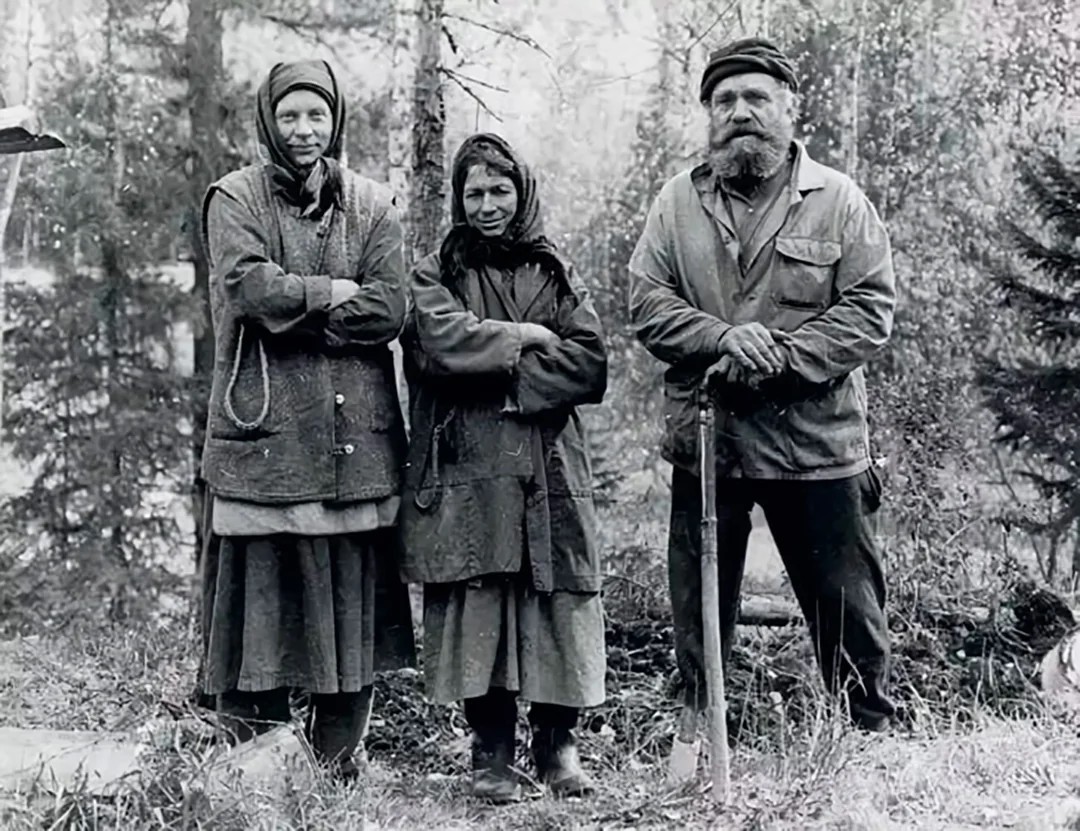
I fell down a rabbit hole today reading about one of the strangest, saddest, and most mind-bending stories in modern history: the Lykov family. In 1978, a group of Soviet geologists trekking through deep Siberia stumbled across something no one expected — a family that had been living completely cut off from humanity for 42 years. No roads, no villages, no electricity. Just a hand-built hut hidden in a forest so remote it barely shows up on maps. The Lykovs had fled Stalin’s persecution in 1936 and disappeared into the wilderness. And they stayed there long enough to miss everything: World War II, the fall of Hitler, the atomic age, the moon landing… all of it. When the geologists arrived, the family didn’t even know the world had changed. What gets me is imagining that level of isolation. No voices besides your own family. No new ideas. No outside help. Just raw survival in a place where winter can kill you if you make one wrong move. And yet… they did survive. For decades. Against odds none of us could comprehend. It’s one of those stories that makes you rethink what “civilization” even means — how much of our identity depends on being connected to other people, and how different life becomes when you step completely outside the world. Part of me finds it fascinating. Another part finds it heartbreaking. And maybe the strangest part is realizing this didn’t happen centuries ago — it happened in our parents’ lifetime. Sometimes history feels closer than we think. #History #UnexpectedHistory

The Family the World Forgot
OrbitalOtter

When a Bad Review Goes Way Too Far

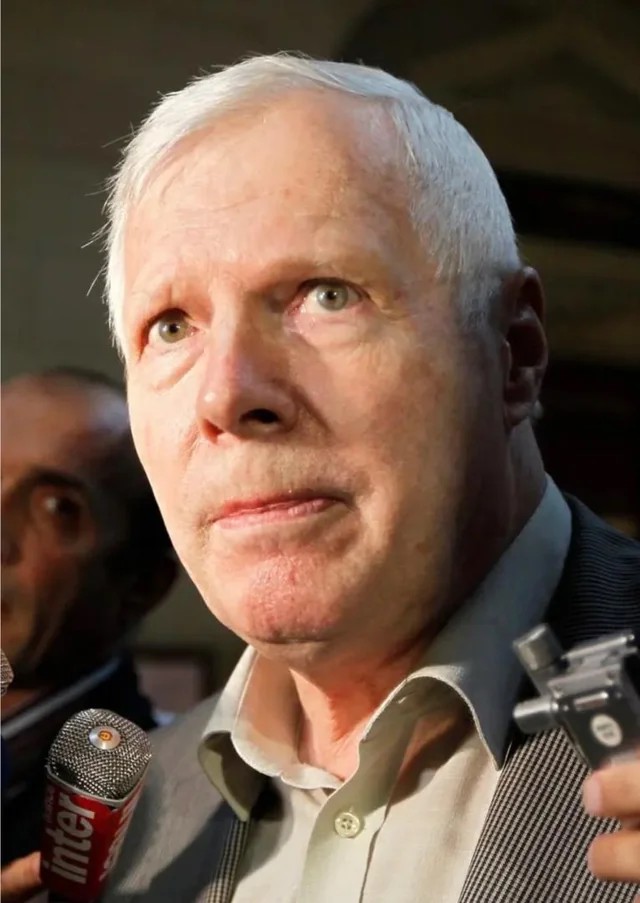
I just read about Richard Brittain traveling 500 miles to attack a teenage girl over a one-star book review, and honestly… this is terrifying. A single review — something meant to express an opinion — turned into violence. He brought a glass bottle and physically attacked her. It’s hard to wrap my head around how someone could let anger over words turn into a crime. Reviews are public feedback, not personal attacks. Nobody should ever feel unsafe for expressing their opinion. The fact that he got jailed for 30 months is comforting in a way, but it makes me wonder how often authors cross boundaries and how we, as a society, deal with obsession over online criticism. It’s a scary reminder that some people take things way too seriously, and it shouldn’t be our fault for sharing honest thoughts. #UnexpectedResults #History

When a Bad Review Goes Way Too Far
Tag: history - Page 19 | LocalAll