Tag Page gardening

#gardening
Cheryl Holmes

the $7 fertilizer that beats every name-brand product

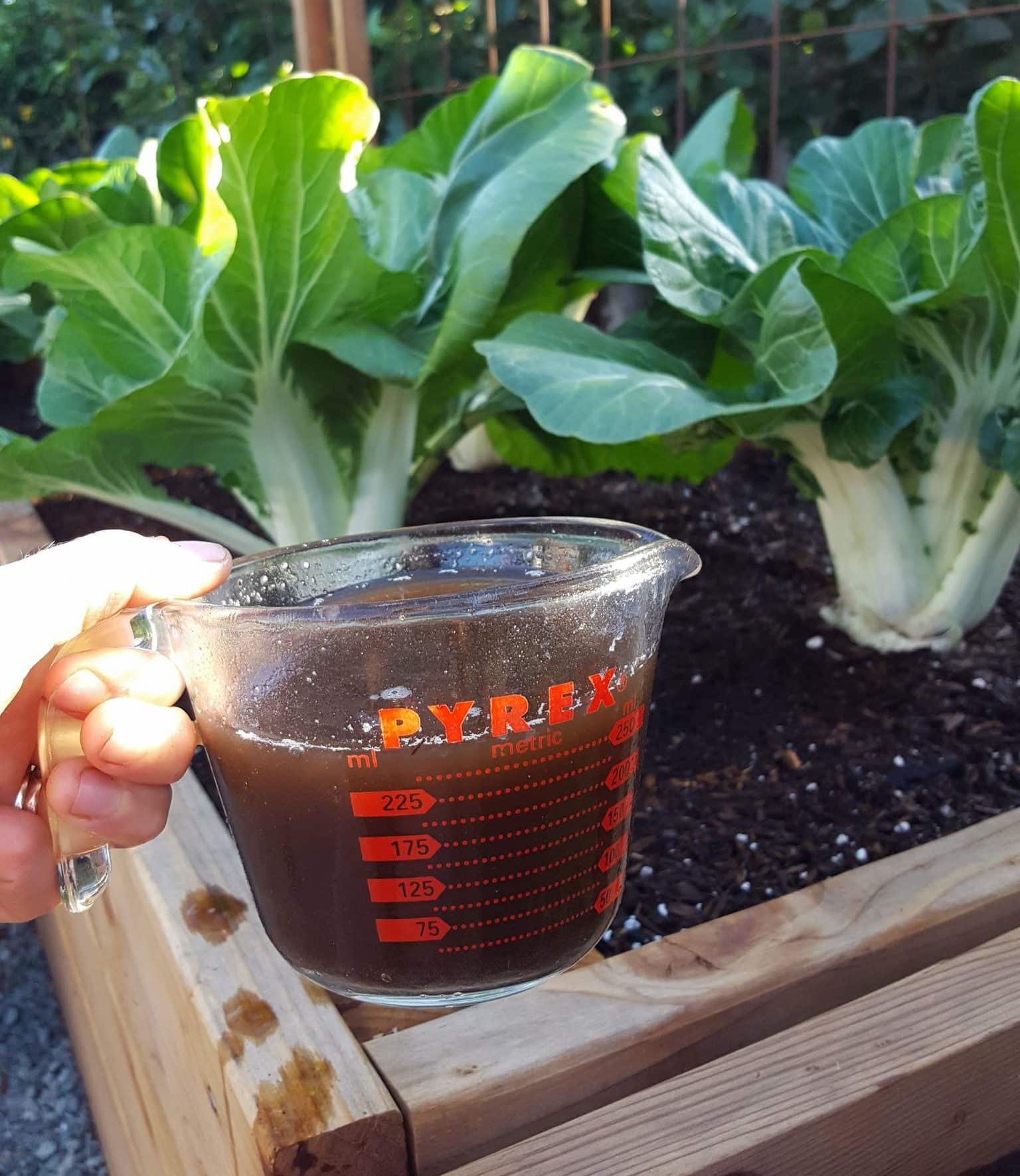
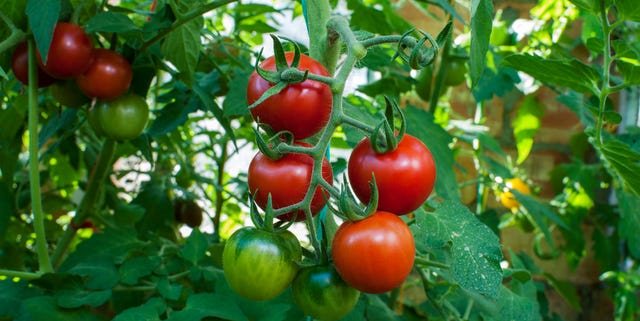
I’ve bought every fancy fertilizer on the shelf — the $25 organic blends, the liquid concentrates, the slow-release pellets. But the best results I ever got came from something embarrassingly simple: alfalfa pellets. The same stuff people feed to horses. $7 for a giant bag. Sprinkle a handful around roses, tomatoes, peppers, or perennial flowers, water well, and walk away. What happened shocked me: Tomatoes doubled in size within two weeks Roses pushed new shoots like crazy Peppers went from slow and sad to vibrant and deep green Alfalfa releases a natural growth hormone called triacontanol. Plants love it — especially in early summer. My neighbor thought I switched to some professional-grade fertilizer. Nope. Horse food. #Gardening #FertilizerHack

the $7 fertilizer that beats every name-brand product
Cheryl Holmes

the pruning mistake that cost me a whole season — and how i fixed it

Last year, I almost swore off roses. I pruned them the way YouTube said — short, aggressive, everything cut back to a tidy shape. But when June came, I only got a handful of blooms. My neighbor, a 68-year-old retired horticulturist, walked over, looked for five seconds, and said: “You pruned them like they’re in California. You live in the Midwest. Big difference.” He showed me the real method: Don’t cut roses too early. Late frost destroys fresh growth. Aim for airflow, not shape — remove crossing canes first. Leave more old wood than you think; it stores the plant’s strength. Seal any thick cuts with a bit of wood glue to prevent borers. This spring I did exactly what he said. My roses exploded — deep red clusters, no black spot, no weak stems. People walking their dogs literally slowed down to stare. Sometimes the “rules” aren’t wrong… they’re just not for your climate. #Gardening #Pruning

the pruning mistake that cost me a whole season — and how i fixed it
Cheryl Holmes

how i doubled my tomato production by fixing one simple mistake

For years, I planted tomatoes the way the internet told me: water often, fertilize every two weeks, cage them, hope for the best. Then last year I discovered why my yields were mediocre — my plants were drowning. Overwatering is the #1 tomato killer. So I changed everything: I watered deeply once every 4–5 days. Added 3 inches of mulch to keep soil cool. Pruned the bottom 8–10 inches for airflow. Used one tablespoon of crushed eggshells in each planting hole. The results? I harvested twice as many tomatoes. Fruit was bigger, skins didn’t crack, and I barely had any blossom rot. My neighbor asked what fertilizer I used — I told him it wasn’t fertilizer at all. It was finally giving the plants the right environment, not more products. #Gardening #Tomatoes

how i doubled my tomato production by fixing one simple mistake
Cheryl Holmes

the “don’t buy soil” trick every home gardener should know

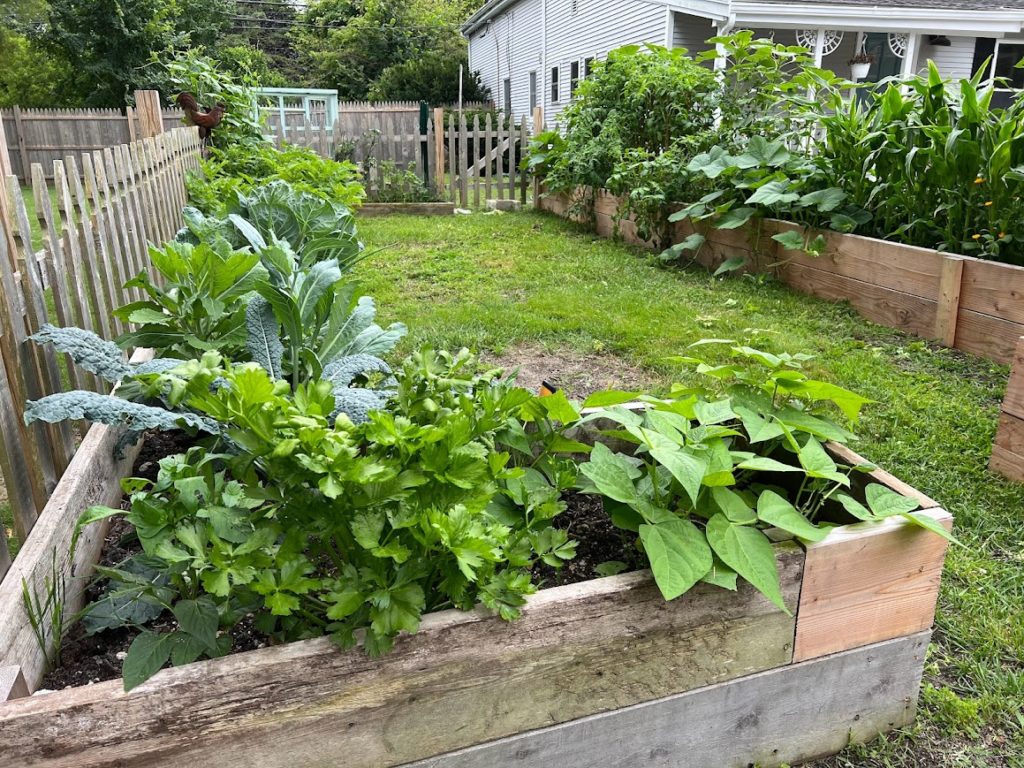
Garden centers charge ridiculous prices for bagged soil. A single raised bed can cost $80–120 just to fill. Here’s a trick I learned from an older veteran gardener: use logs and branches as the base layer. This method (hugelkultur-style) works great: Place old firewood, branches, or even untreated scrap lumber on the bottom of the bed. Add leaves, grass clippings, and kitchen compost on top. Finish with 4–6 inches of actual garden soil. Why this works: Wood slowly decomposes, releasing nutrients for YEARS. The bed stays moist longer — wood acts like a sponge. You need far less soil, cutting your cost by half. I filled two 4x8 beds for under $40 each using this method. Plants grew taller than any previous season. Plus, it’s the perfect use for those random branches your yard keeps producing. #Gardening #BudgetHacks

the “don’t buy soil” trick every home gardener should know
Cheryl Holmes

the fall clean-up mistake that causes spring pest explosions

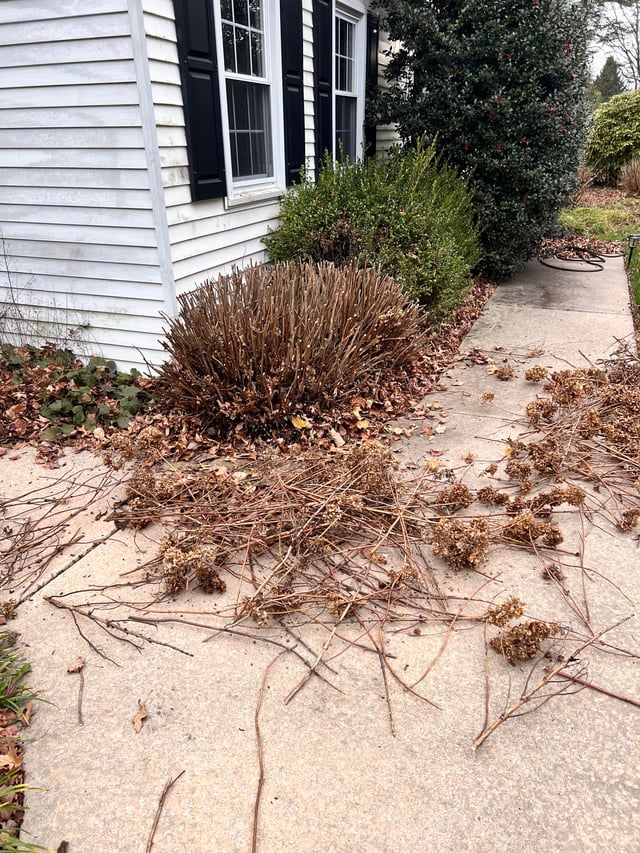
Most Americans clean their yard in fall by raking everything to “make it look tidy.” But here’s the truth: over-cleaning your garden creates the perfect environment for pests next spring. Why? Because beneficial insects overwinter in leaves, stems, and debris. Ladybugs, lacewings, predatory wasps — all the good guys. If you remove everything, the only insects left next year are the bad ones. Here’s the professional gardener version of fall clean-up: Leave a 2–3 inch layer of shredded leaves in beds Leave hollow stems on perennials until March Rake paths, but not the actual garden beds Pile leaves under shrubs to protect roots Only remove diseased material — nothing else Then in early spring (late March/April), cut everything back. The difference? My aphid population dropped by 80%. My roses looked cleaner. My veggies had fewer early pests. Fall clean-up shouldn’t be “make it spotless.” It should be “set up next year’s ecosystem.” #Gardening #PestControl

the fall clean-up mistake that causes spring pest explosions
Cheryl Holmes

the secret trick to revive a dying lawn 🌱

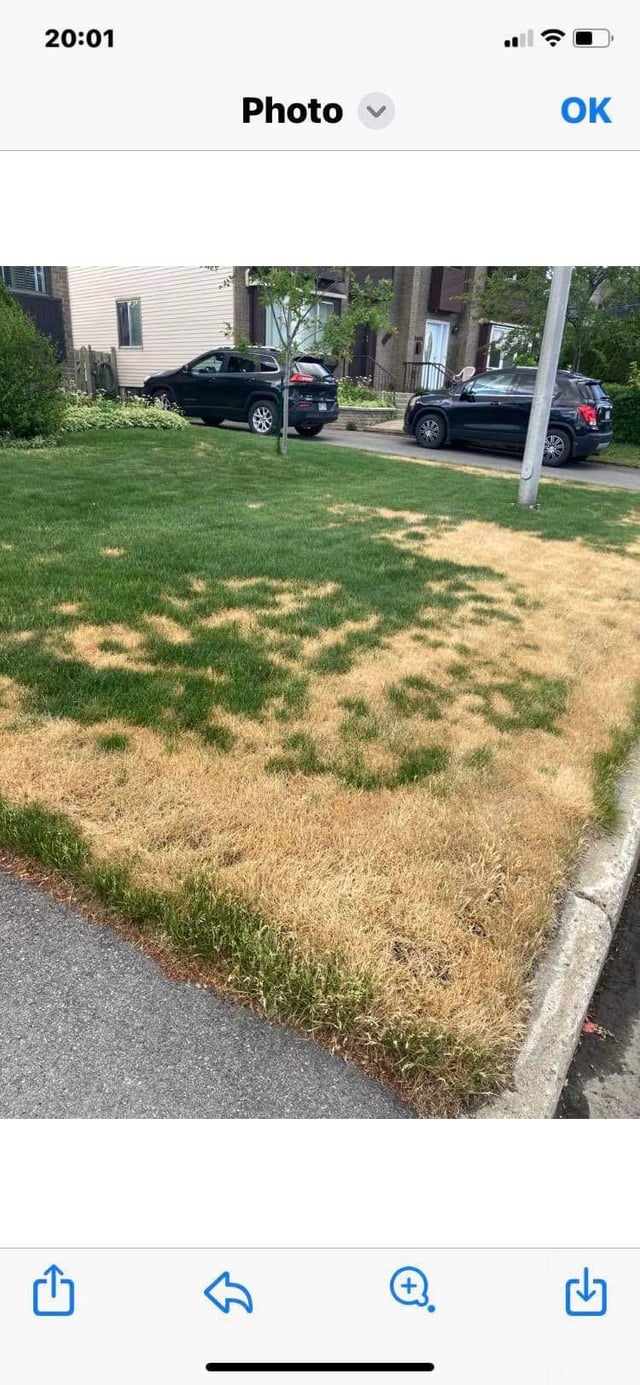
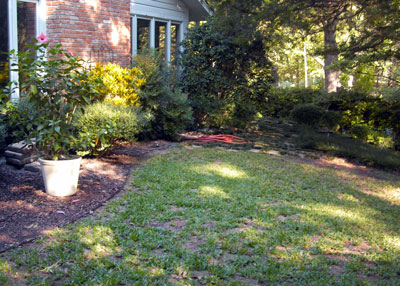
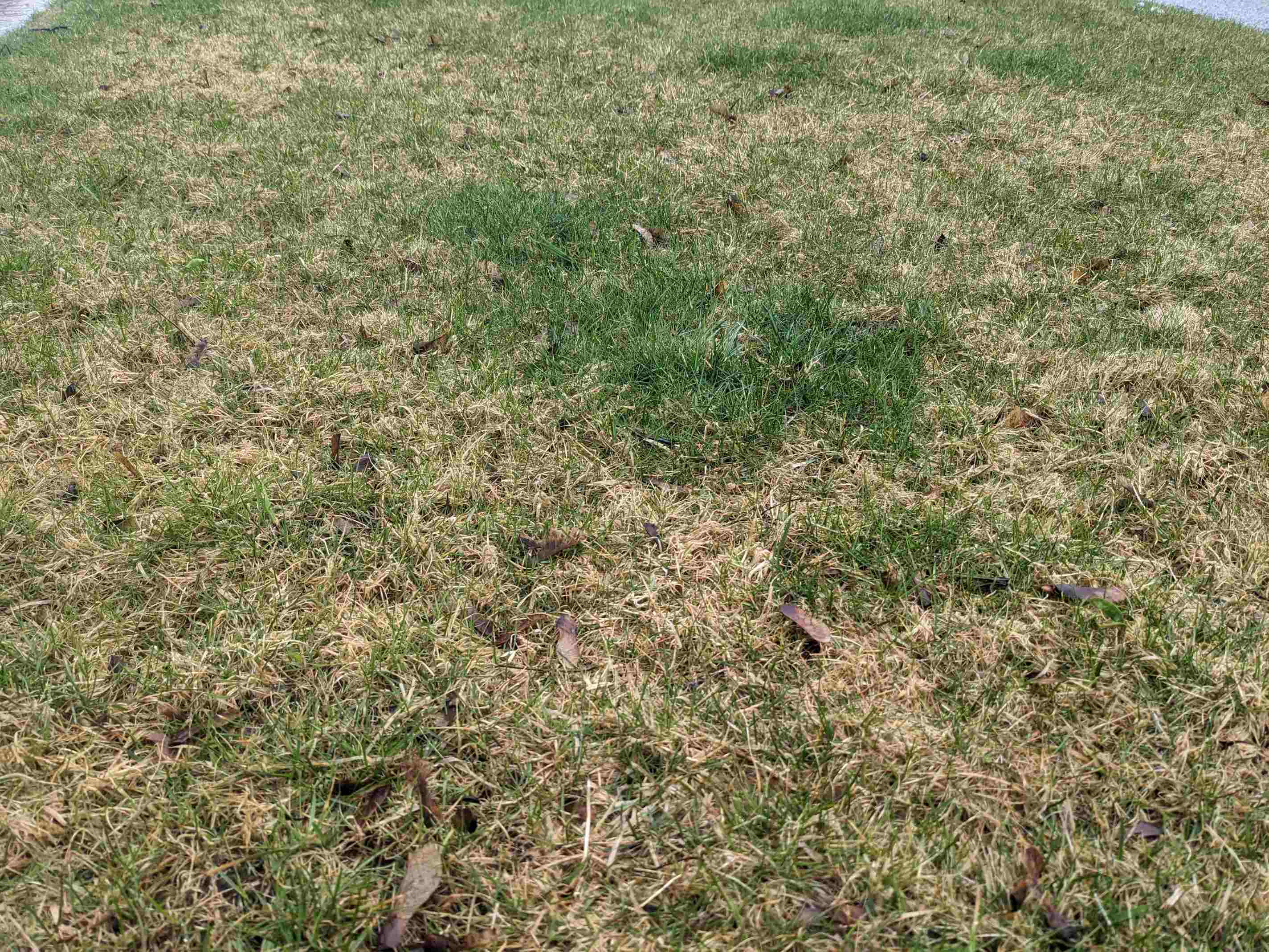
Last summer, my lawn was a disaster—brown patches everywhere, crabgrass taking over, and my sprinklers barely made a difference. I was ready to give up. Then a retired landscaper neighbor whispered what he called “the lazy man’s revival trick.” Instead of watering constantly, he said: aerate the soil first. I rented a simple aerator, poked holes all over the lawn, and added a thin layer of composted soil on top. Then, water deeply but only once a week. Within three weeks, new green shoots appeared in every bare spot. The crabgrass slowed down because the grass roots got stronger. The “evil method”? Using aeration aggressively, almost like punching the soil to shock it awake. Sometimes the unconventional approach works better than endless routine. #Gardening #LawnCare

the secret trick to revive a dying lawn 🌱
Tag: gardening - Page 2 | LocalHood