Tag Page criticalthinking

#criticalthinking
Brandon_Lee

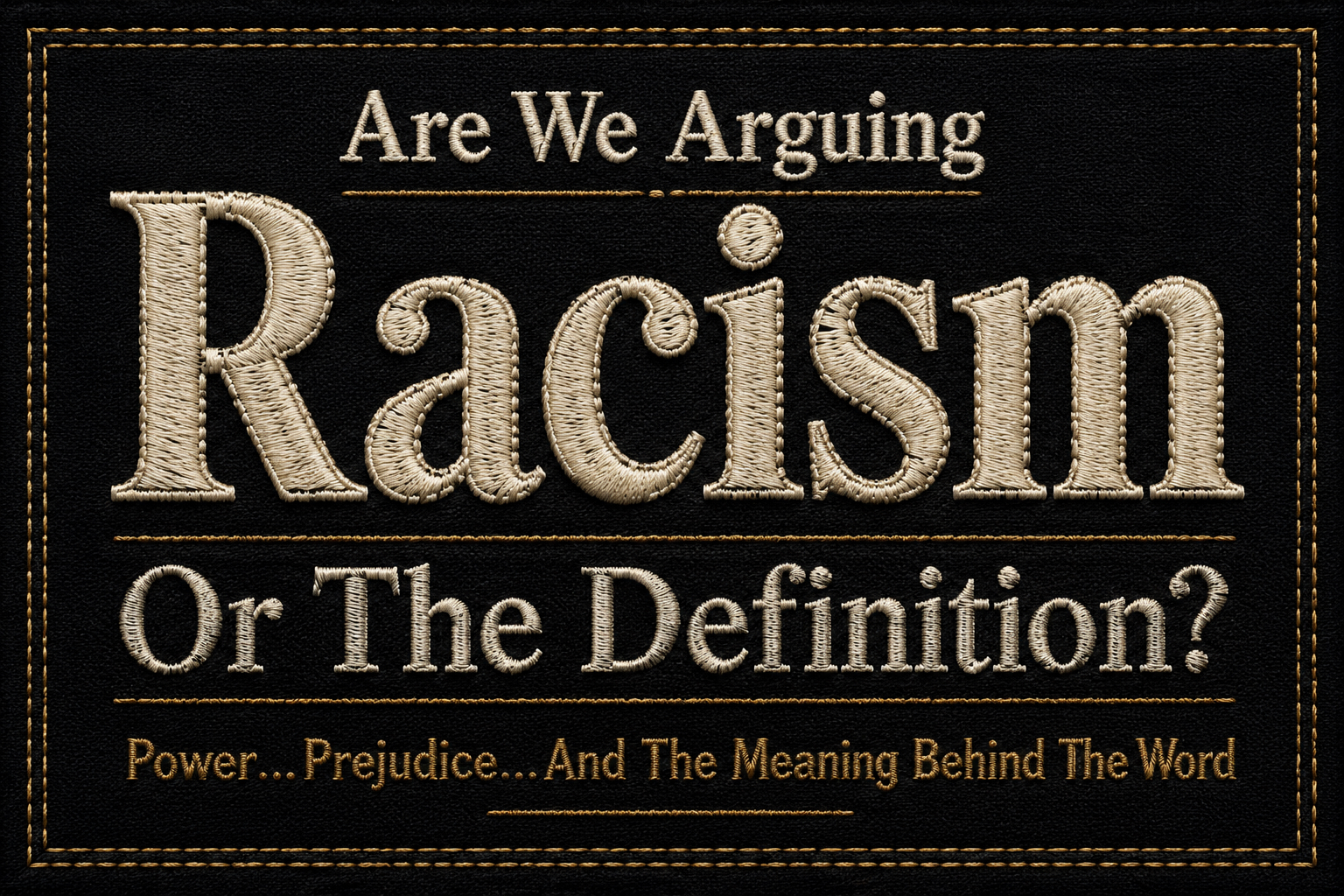
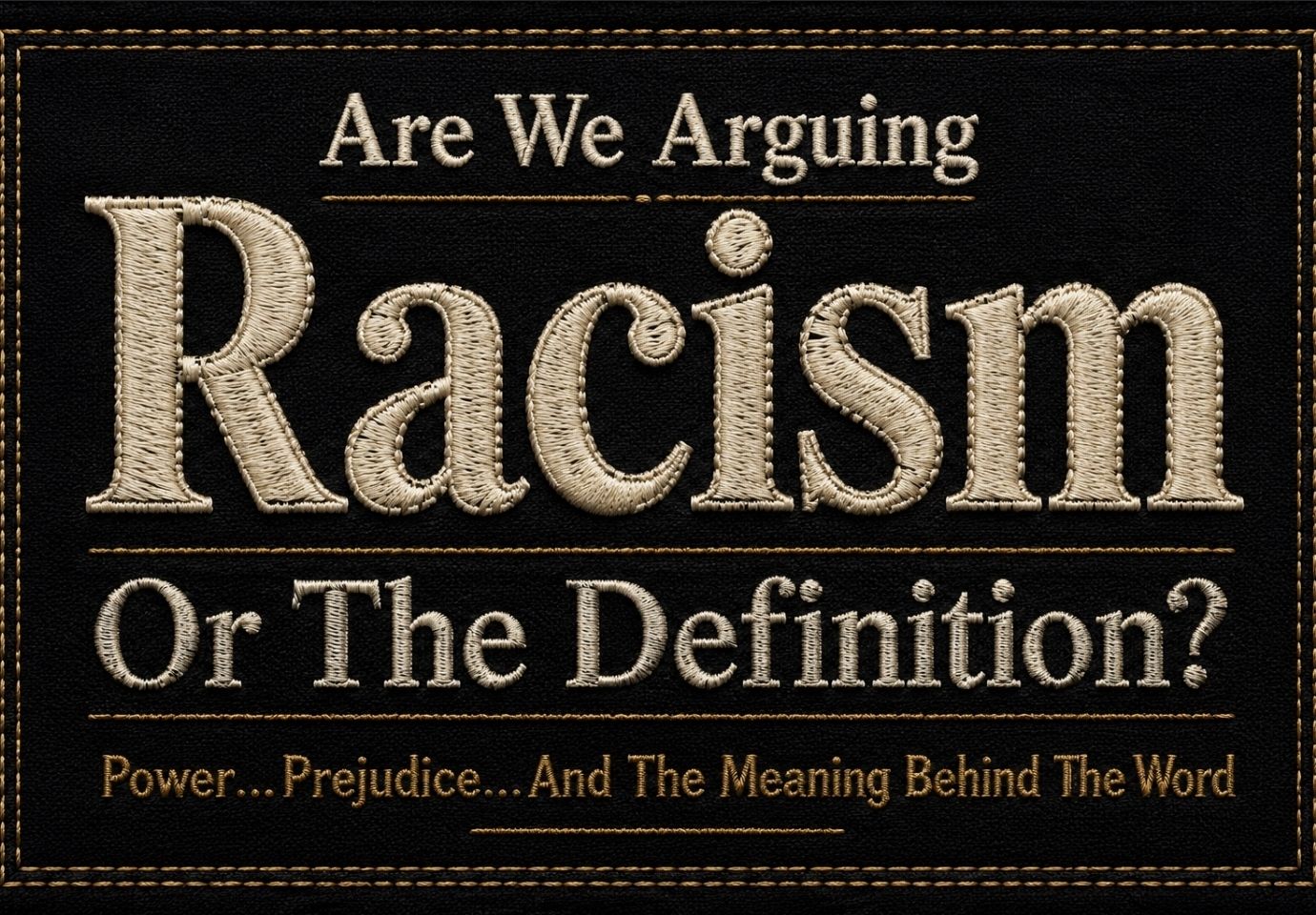
Can Black People Be Racist, Or Are We Using The Wrong Definition? This phrase gets repeated often, but most people argue before they define the word. When some people say Black people cannot be racist, they are usually talking about racism as a system. That definition means prejudice backed by power. Power means control over laws, housing, schools, policing, jobs, media, money, and institutions. Under that definition, racism is not just someone being rude, hateful, or offensive. It is a system that can shape people's lives for generations,But in everyday conversation, many people use racist to mean racial hostility or prejudice. Under that definition, yes, anyone can say something racist, think something racist, or treat someone unfairlu because of race That is where the argument gets messy. Black people can be biased. Black people can be prejudiced. Black people can say harmful things. But that is not the same as having the institutional power to create and enforce racial inequality across housing, schools, courts, jobs, and wealth. Personal prejudice is real. Systemic racism is also real.The problem is that people keep using one word while arguing from two different definitions. One person is talking about individual behavior. The other is talking about historical power. Before the argument starts, the real question should be simple: are we talking about personal prejudice, or are we talking about racism as a system? Because discomfort is not the same as oppression. And history does not disappear just because the definition makes people uneasy. #ContextMatters #WordsHaveMeaning #SystemicRacism #CriticalThinking

LataraSpeaksTruth

Can Black People Be Racist, Or Are We Using The Wrong Definition? This phrase gets repeated often, but most people argue before they define the word. When some people say Black people cannot be racist, they are usually talking about racism as a system. That definition means prejudice backed by power. Power means control over laws, housing, schools, policing, jobs, media, money, and institutions. Under that definition, racism is not just someone being rude, hateful, or offensive. It is a system that can shape people’s lives for generations. But in everyday conversation, many people use racist to mean racial hostility or prejudice. Under that definition, yes, anyone can say something racist, think something racist, or treat someone unfairly because of race. That is where the argument gets messy. Black people can be biased. Black people can be prejudiced. Black people can say harmful things. But that is not the same as having the institutional power to create and enforce racial inequality across housing, schools, courts, jobs, and wealth. Personal prejudice is real. Systemic racism is also real. The problem is that people keep using one word while arguing from two different definitions. One person is talking about individual behavior. The other is talking about historical power. Before the argument starts, the real question should be simple: are we talking about personal prejudice, or are we talking about racism as a system? Because discomfort is not the same as oppression. And history does not disappear just because the definition makes people uneasy. #ContextMatters #WordsHaveMeaning #SystemicRacism #CriticalThinking #HistoryCounts #PowerAndPrejudice
LataraSpeaksTruth

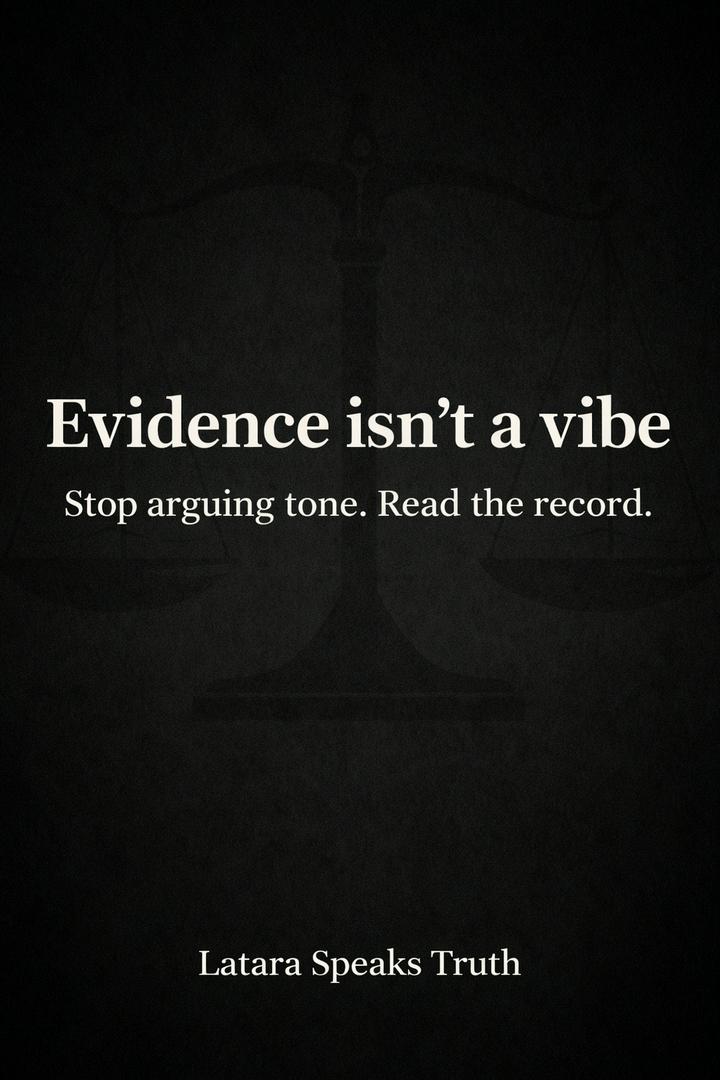
Some people follow my page because they genuinely want to learn. They read, they reflect, they respect the work, and I appreciate that. Then there’s a different pattern that shows up in the comments sometimes. I call it the objectivity trap. It’s when a person refuses to engage the facts, but they still want to critique the storyteller. Instead of responding to names, dates, documents, and outcomes, they start policing tone. They ask for a level of “neutral” that really means “make this comfortable for me.” It becomes less about the history and more about controlling how the history is allowed to be told. Psychology wise, this is a defense move. When information threatens someone’s worldview, the brain tries to reduce discomfort. One easy way is to shift the conversation from the evidence to the delivery. If they can label the storyteller as “biased” or “too emotional,” they don’t have to wrestle with what the facts are showing. Another piece of it is credibility bias. Some voices get automatic benefit of the doubt, while others are treated like they’re on trial for simply speaking. Same facts. Different trust. So let me be clear. Support is welcome. Good faith questions are welcome. Learning is welcome. But if your only contribution is tone policing, dismissing, or trying to drag the conversation away from the evidence and into a debate about my right to tell it, that’s not discussion. That’s avoidance. Read to understand. Check the sources. Then speak. #history #learning #criticalthinking #medialiteracy #commentsectionculture #factsfirst #doyourresearch #forrecord

LataraSpeaksTruth

Control isn’t always about power at the top. It’s about conditioning. When a system is built on domination, control becomes normalized. Over time, even people without power begin to enforce it. They monitor tone. They police language. They correct delivery. They pressure silence. Not because they benefit from control, but because they were taught that stability depends on it. That’s why people try to manage how you speak, what you post, and how you say it. That’s why truth comes with rules attached and discomfort gets framed as disruption. This isn’t random behavior. It’s learned. And it isn’t limited to one group. Control shows up wherever fear and order are treated as the same thing. It crosses culture, class, and identity, repeating itself through habit rather than intent. #Psychology #SocialBehavior #PowerDynamics #CulturalPatterns #ControlAndPower #HumanBehavior #CriticalThinking #SocialConditioning #MediaLiteracy #TruthAndContext

NotYoMama

Etiquette - I Wasn’t Asking “You are so built of societal norms, the way you’re so polite giving me permission to stop, it’s hilarious.” That comment landed harder than it sounded. It exposed something most people never question: why modern humans act like they need approval to disengage, to leave, to decide, to act. The response was uncomfortable because it was accurate. Politeness scripts, consent language, soft exits — these aren’t signs of emotional maturity. They’re remnants of survival wiring. Early humans lived or died by group acceptance. Break norms, get expelled, and you didn’t just feel awkward — you died. That conditioning didn’t disappear. It evolved into etiquette. Today, permission isn’t about respect. It’s about fear management. Who’s allowed to speak. Who’s allowed to move. Who decides when something is “over.” When people ask for permission, they’re outsourcing authority. They’re saying, “Tell me it’s safe to choose for myself.” “That feels archaic to me.” Exactly. Modern society rewards non-threatening behavior. Ask nicely. Don’t disrupt. Make others comfortable. People who move without permission unsettle systems, because they expose how arbitrary the rules are. Permission culture isn’t about kindness. It’s about conditioning. And once you see it, you can’t unsee it. The real divide isn’t polite vs rude. It’s internal authority vs inherited fear. That conversation wasn’t about manners. It was about evolution. #Psychology #HumanBehavior #SocialConditioning #Evolution #CriticalThinking #Society #SelfAuthority

NotYoMama

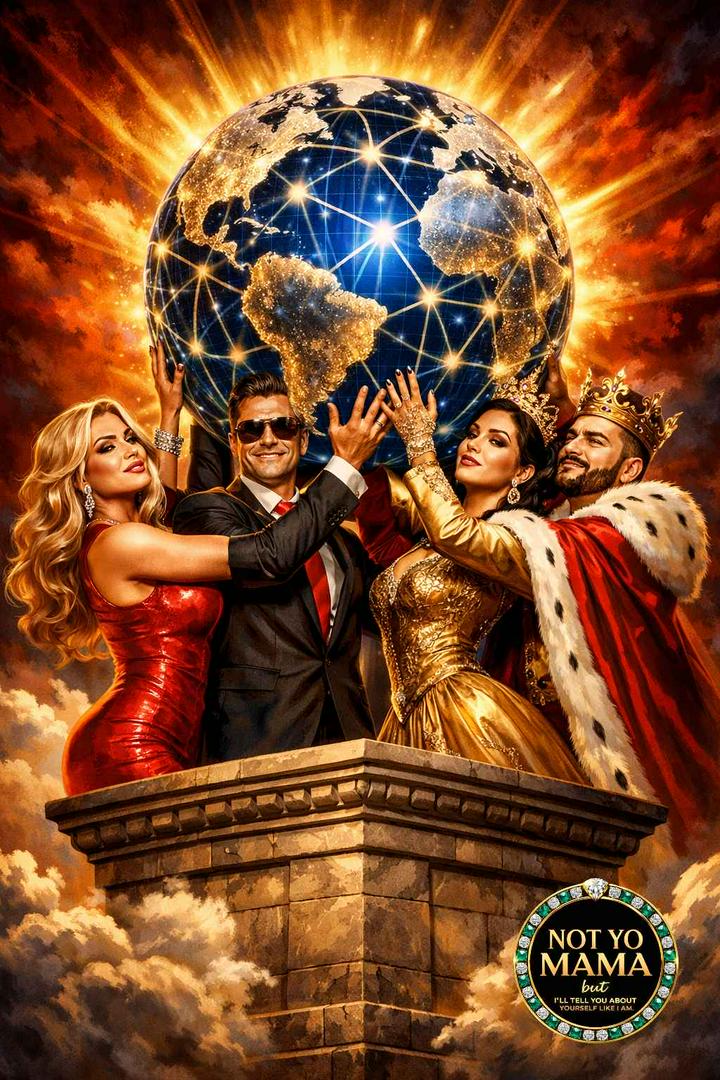
Crowns, Titles, and the Illusion of Power Online Scroll social media long enough and a pattern jumps out: people calling themselves King, Queen, Daddy, & Mommy. You don’t need statistics to see it. Open TikTok. Search the users. The volume alone proves this behavior is being rewarded. These titles work because social media runs on fast judgments. Many users make assumptions based on surface cues. They read confidence where there’s performance and confuse dominance language with leadership. Self-labeling becomes a shortcut for substance. This tends to appeal to people who are younger, emotionally vulnerable, lonely, or seeking certainty. Hierarchy feels reassuring. It promises control, clarity, or protection. Other users aren’t moved by this at all. More discerning, emotionally regulated, and critically minded people see self-assigned titles as noise. They wait for behavior, not branding. They don’t grant authority based on a username. Real confidence doesn’t need an announcement. That divide matters, because these titles aren’t neutral. King implies subjects. Queen implies deference. Mommy and Daddy imply authority and dominance over strangers who never consented to that dynamic. This framing attracts some users, but repels those who value equality and substance. “Daddy” deserves particular scrutiny. Online culture has heavily sexualized the term. When used as a public identity label, it blurs boundaries and injects dominance and infantilization into shared spaces, including platforms where minors are present. The implication exists whether people acknowledge it or not. Real power doesn’t need a crown. Real confidence doesn’t demand submission. If confidence speaks for itself, who exactly are these titles meant to convince? #SocialMediaCulture #OnlineIdentity #DigitalPsychology #AttentionEconomy #PowerDynamics #CriticalThinking #Boundaries #InternetBehavior

NotYoMama

Article 4 — Why the Same People Get Targeted First There’s a reason the same types of people keep running into friction across platforms and systems. It isn’t random, and it isn’t always obvious—but once you notice it, it’s hard to unsee. Systems don’t usually react first to the loudest voices. They react first to the clearest ones. People who think independently tend to speak in full thoughts instead of slogans. They connect dots instead of isolating issues. They notice patterns early, before there’s shared language for them. And they don’t wait for consensus before saying what they see. They don't seek validation for their thoughts, beliefs or ideas on how things work. Have you noticed that clarity seems to attract more resistance than noise? Most systems are built to handle volume, not insight. Noise dissipates. Clarity spreads. Once someone names a pattern, other people start recognizing it in their own lives—and that changes how systems behave. So what happens when someone points something out before it’s widely accepted? Does the system engage—or does it slow things down? The pressure is usually subtle. Less reach. More scrutiny. A sudden focus on tone. A shift from engagement to management. Nothing dramatic enough to protest, just enough to feel. Have you experienced that shift? Meanwhile, people who repeat what’s already acceptable move freely. Agreement feels safer than accuracy. Why do you think that is? Maybe the real question isn’t why certain people get targeted first. Maybe it’s what that resistance reveals about the system itself. #CriticalThinking #FreeThought #PatternRecognition #SocialMedia #Algorithms #News #Content #ContentCreationTips #Writers #Creators #CreatorSupport #CreatorsCorner #CreatorsWhoChallenge #CreatorSupport