Tag Page christian

#christian
Narrative Disorder

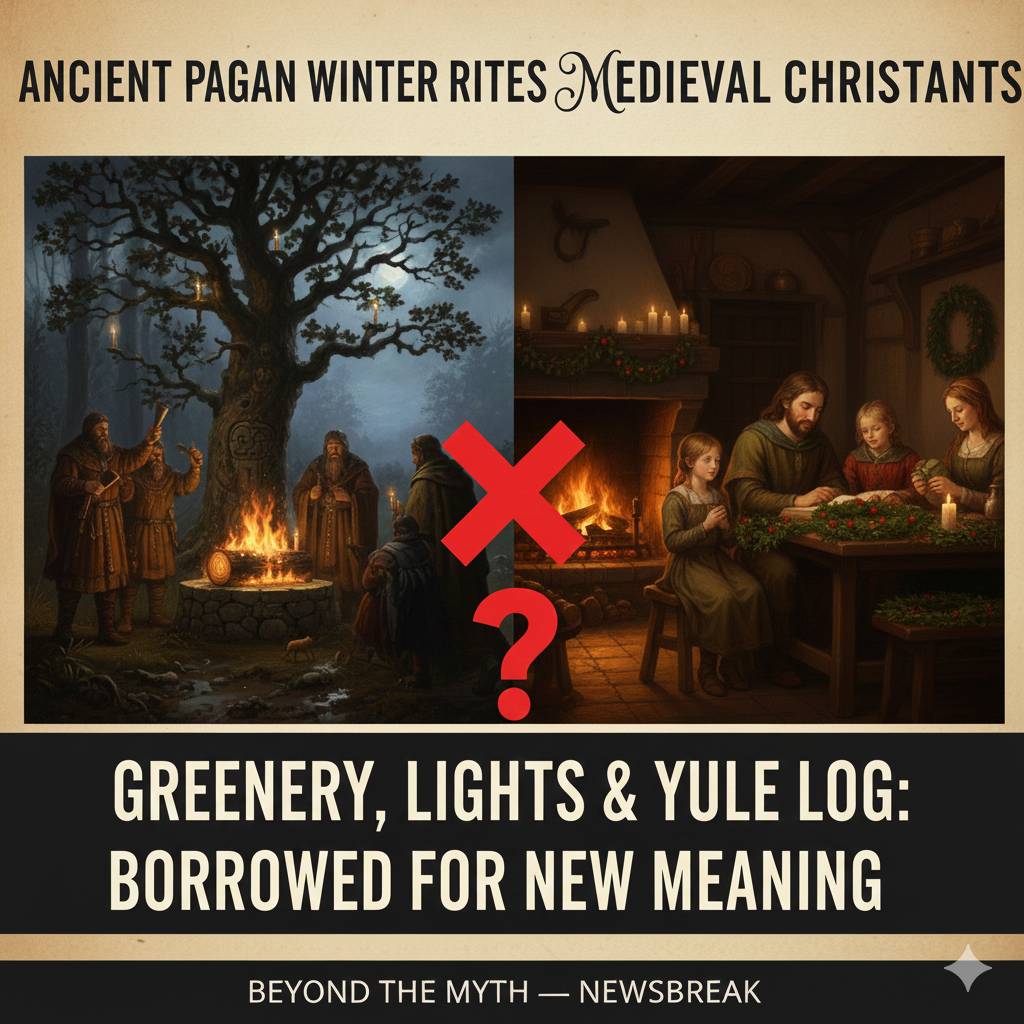
Did Christians Steal Yule? Let’s Talk About It Part 3: Decorations, Greenery, and Assumptions At this point, the argument often narrows to details. Evergreen branches, holly, wreaths, candles. These items existed in pre-Christian cultures, therefore Christmas must be pagan. This reasoning sounds persuasive, but it quietly skips a critical distinction. Use does not equal worship. Plants, fire, food, and light have been used by nearly every culture in every season. That does not make them religious by default. Meaning comes from intent, not material. A candle used for worship is not the same thing as a candle used for light or decoration. Christianity did not teach people to worship trees, plants, or seasons. In fact, it consistently warned against confusing created things with the Creator. Using greenery in winter did not smuggle pagan theology into Christian belief any more than using bread makes Christianity a grain cult. There is also a timing issue. Many of the decorative customs associated with Christmas developed gradually in medieval and early modern Europe. They were cultural expressions layered onto an already existing Christian celebration, not foundations of it. The assumption underneath the argument is this: If pagans ever used something first, no one else may ever use it without borrowing their religion. That standard fails immediately. By that logic, language, music, calendars, clothing, and architecture would all be pagan forever. The real historical picture is simpler. Christian worship remained centered on Christ. Local cultures expressed celebration in familiar ways. Shared objects did not mean shared gods. So the better question is not whether pagans used greenery. They did. The real question is whether Christians adopted pagan worship. And there is no evidence that they did. #HolidayTraditions #Christian #ChristmasDecor #PaganTraditions #Christmas2025

Narrative Disorder

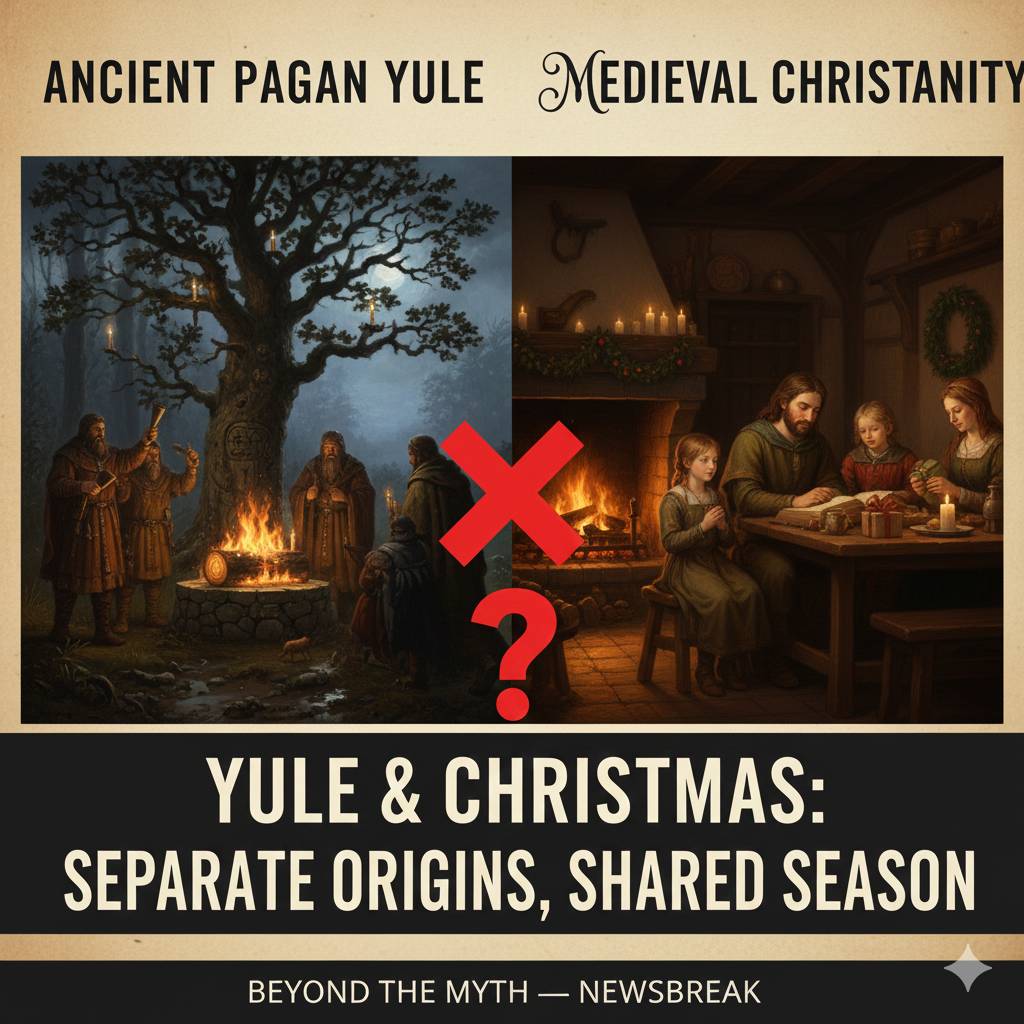
Did Christians Steal Yule? Let’s Talk About It Part 2: What Yule Actually Was After trees, the argument widens. If trees are pagan, then Yule must be pagan. If Yule is pagan, then Christmas must be stolen. That chain only works if Yule was a single, unified religious holiday Christians replaced. ❗It was not❗ Yule was a Northern European winter season, not a single standardized religious festival observed everywhere in the same way. Different Germanic and Scandinavian groups used the term differently and practiced different customs. There was no universal “Yule theology” that could be transferred. More importantly, Yule practices appear centuries after Christianity was already established across the Roman world. Christianity did not move north and absorb Yule. It encountered existing winter customs and people gradually layered cultural practices onto Christian celebration. That difference matters. Cultural adoption is not religious theft. Christianity spread through living cultures, not empty space. Food, feasting, seasonal markers, and local customs remained while worship changed. Another key distinction is purpose. Yule customs were tied to seasonal survival and communal bonding during winter. Christmas centered on theological claims about Christ. The heart of the celebration was different even when the season overlapped. So the real question becomes this: 🤔❓Is sharing a season the same thing as stealing a religion? History suggests otherwise. #HolidayTraditions #Christian #ChristmasDecor #PaganTraditions #Christmas2025

Narrative Disorder

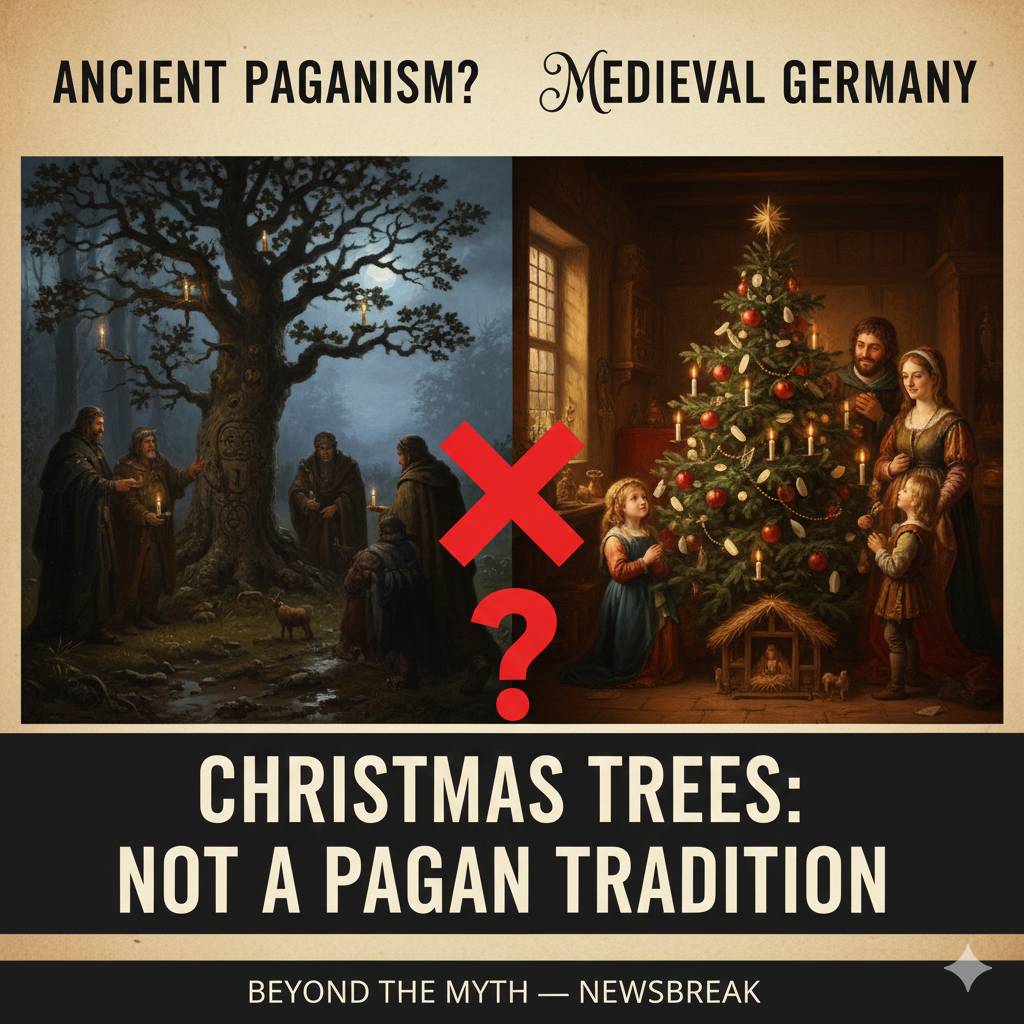
Did Christians Steal Yule? Let’s Talk About It Part 1: The Trees One of the most common claims is that Christmas trees are pagan because ancient peoples revered trees. From that, the conclusion is drawn that Christians must have stolen Yule. That conclusion skips several important steps. First, early Christianity did not use Christmas trees at all. For centuries, Christians celebrated Christmas with no trees, no ornaments, and no evergreen symbolism. If tree worship were central to Christian Christmas, it would appear early. It does not. Second, the Christmas tree emerges much later, primarily in medieval Germany, over a thousand years after Christianity began. It developed as a folk custom, not a religious requirement, and it spread culturally, not doctrinally. Third, using a tree is not the same thing as worshiping a tree. Pagans may have revered natural objects, but adoption of a material object does not carry religious meaning automatically. Christians also use water, candles, and bread without turning them into pagan rituals. Most importantly, Christianity explicitly condemns tree worship in Scripture. That alone makes the idea of secretly importing it into Christian worship incoherent. So the real question is not whether pagans ever valued trees. They did. The question is this: ❓Did Christians take pagan worship and quietly turn it into doctrine? ❗History says no.❗ Trees entered Christmas as late cultural decoration, not religious inheritance. #HolidayTraditions #Christian #ChristmasDecor #PaganTraditions #Christmas2025

Narrative Disorder

Sol Invictus: Who Copied Whom? (Part 3) When the timeline no longer supports borrowing, the argument often shifts again. This time to imagery. Christians speak of light, therefore they must be borrowing sun worship. This move sounds intuitive. It is also historically careless. ❗🌞Light does not mean sun worship🌞❗ Christian Scripture uses light as a metaphor long before any Roman solar cult is elevated. Light represents truth, revelation, and moral clarity. At the same time, Scripture consistently condemns worship of the sun, moon, and stars. The metaphor and the deity are not the same thing. Calling God “light” is no more sun worship than calling Him a “rock” is geology worship. Symbols communicate meaning. They do not redefine belief. If light language equals sun worship, then nearly every culture and religion collapses into the same charge. That standard proves too much and explains nothing. ❗Why this argument replaced Saturnalia❗ Most accusations began with Saturnalia. When its dates and practices failed to align, Sol Invictus became the fallback because it shares a date and sounds simpler. Few people check the timeline. Fewer still ask who benefits from the accusation. But switching explanations when one collapses does not strengthen the claim. It weakens it. The historical tension If Christians were already associating December 25 with Jesus before Sol Invictus is elevated, the accusation reverses direction. Instead of Christianity borrowing from paganism, pagan Rome may have been reacting to Christianity’s growth. That possibility is uncomfortable, but it cannot be ignored. So disagreement is welcome. Refutation is welcome. But it must answer the timeline, not just repeat the claim. Who copied whom❓❓ #HolidayTraditions #Christian #ChristmasDecor #PaganTraditions #Christmas2025

Narrative Disorder

Sol Invictus: Who Copied Whom? (Part 2) The accusation that Christians borrowed December 25 from Sol Invictus depends entirely on one assumption. That the solar festival existed first. That assumption does not hold up under scrutiny. ❗The timeline problem❗ Emperor Aurelian elevated Sol Invictus as a state-supported cult in the late third century, around AD 274. This was not the continuation of an ancient holiday but a deliberate imperial policy aimed at unifying a divided empire. Christian references to December 25 appear earlier. Early Christian writers were already engaging in chronological reasoning tied to Jesus’ life. A widespread tradition held that Jesus was conceived and crucified on the same calendar date. Counting nine months forward placed His birth in late December, specifically December 25. This reasoning appears before Sol Invictus is clearly attested as an empire-wide December 25 celebration. That detail matters. Borrowing requires a source already in place. Direction matters Shared dates do not prove copying. Sequence does. By the time Sol Invictus was elevated, Christianity was no longer a fringe movement. It was growing rapidly, spreading across the empire, and refusing to disappear. Pagan Rome was searching for unifying symbols powerful enough to compete. A universal sun cult made political sense. So a serious historical question emerges. ❓If Christians were already marking December 25, is it possible that Rome adopted solar imagery in response to Christianity rather than Christianity borrowing from Rome? Only one direction can be true. This is where accusations often stall Most claims stop at similarity. Few examine chronology. But history does not work backward from assumptions. It moves forward through evidence. If the date appears first in Christian sources, then the burden of proof shifts. And that leads to the next question, which many skip entirely. #HolidayTraditions #Christian #ChristmasDecor #PaganTraditions #Christmas2025

Narrative Disorder

What Saturnalia Actually Was (And Why It Wasn’t Christmas) Part 3 Another key feature of Saturnalia often ignored is role reversal. During the festival, masters served slaves, authority was mocked, and a “mock king” was sometimes appointed. Social hierarchy was intentionally inverted for the sake of chaos and release. This element does not exist in Christmas. Christian teaching emphasizes humility at all times, not theatrical disorder for a season. There is no tradition in Christmas where authority is suspended, leaders are ridiculed, or social order is reversed as a ritual act. Saturnalia also temporarily suspended normal moral rules. Gambling was permitted. Excess was expected. Public disorder was part of the celebration. Christian celebrations explicitly reject this framework. From the earliest centuries, Christian leaders condemned drunkenness, gambling, and moral license. Christmas did not preserve Saturnalia’s structure while changing its language. It rejected its core values. Religions do not borrow festivals by keeping none of their defining features. Saturnalia normalized chaos. Christmas proclaims meaning. They are not related. #HolidayTraditions #Christian #ChristmasDecor #PaganTraditions #Christmas2025

Narrative Disorder

What Saturnalia Actually Was (And Why It Wasn’t Christmas) Part 2 One of the strongest claims made is that Christmas gift-giving comes from Saturnalia. This also falls apart when examined closely. Saturnalia gifts were typically small novelty items such as candles, wax figurines, or joke gifts. They were often exchanged satirically and emphasized humor, social inversion, or mockery rather than generosity. Gift-giving was tied to Sigillaria, a minor sub-festival within Saturnalia. Christian gift-giving developed with a different meaning entirely. It emphasized charity, care for others, and remembrance. Giving was moral rather than theatrical. Sharing the act of giving does not establish shared origin. Humans give gifts at weddings, birthdays, and funerals. Meaning defines the practice, not the motion. Saturnalia gifts reinforced inversion and excess. Christian giving reinforces generosity and restraint. They are not the same tradition. #Christmas2025 #xmas #ChristianGifts #HolidaySeason #Christian #PaganTraditions

Tag: christian - Page 3 | LocalAll