Tag Page americanhistory

#americanhistory
LataraSpeaksTruth

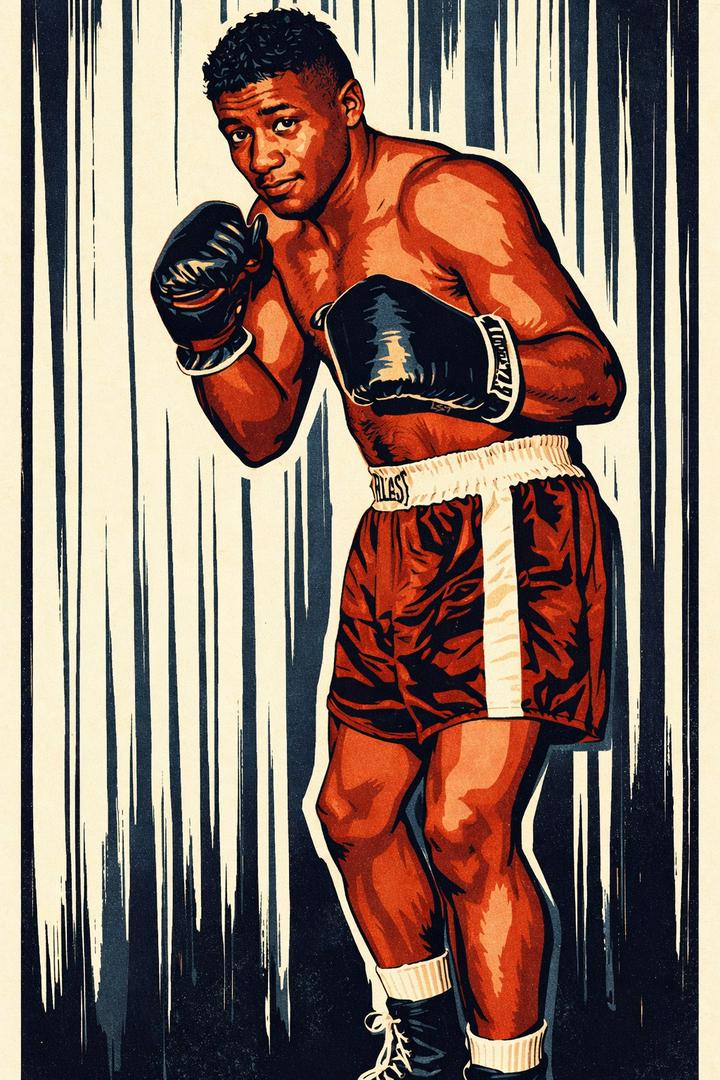
January 4 marks the birth of Floyd Patterson, born January 4, 1935, a champion whose legacy is often quieter than it deserves to be. Patterson rose from a troubled childhood to become the youngest heavyweight champion in boxing history at just 21 years old, a record that stood for decades. He wasn’t loud, cruel, or theatrical. He fought with precision, speed, and discipline, representing an older tradition of boxing rooted in craft rather than spectacle. In a sport that rewarded intimidation, Patterson carried himself with humility, which made him both admired and misunderstood. His career is often framed around his losses to Sonny Liston, but that framing misses the larger truth. Patterson became the first heavyweight champion in history to lose the title and later reclaim it, a feat that required resilience most champions never have to test. Outside the ring, he was thoughtful and deeply affected by criticism, yet he continued to fight, train, and show up anyway. Floyd Patterson proved that strength does not always announce itself and that greatness does not require cruelty to be real. January 4 is not empty history. It belongs to a man who showed that dignity could survive even in the most unforgiving arena. #January4 #OnThisDay #FloydPatterson #BoxingHistory #HeavyweightChampion #SportsHistory #AmericanHistory #BlackHistory #Legacy #Resilience

LataraSpeaksTruth

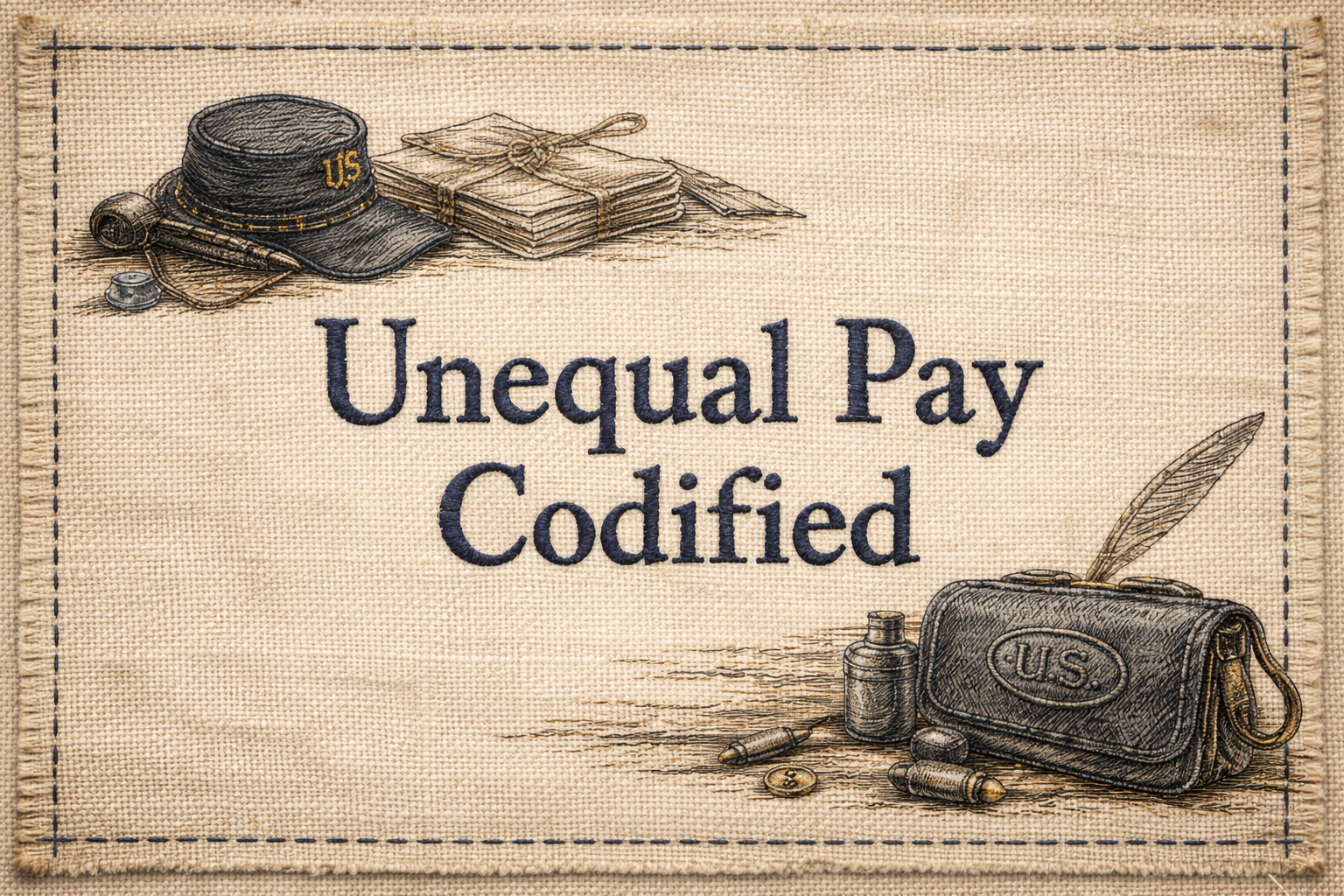
Unequal pay does not always begin with silence or confusion. Sometimes it begins with a signature. When inequality is written into policy, it stops being an attitude and becomes a rule. Bias can be denied. Policy cannot. During the Civil War, Black soldiers in the Union Army performed the same labor, faced the same danger, and fought the same enemy as white soldiers. They marched, drilled, guarded, built, and bled under the same flag. Yet federal policy declared their service worth less. Congress and the War Department set pay scales that ensured Black troops earned lower wages and lost additional money to deductions. This inequality was not accidental or temporary. It was deliberate. No announcement was needed. A ledger entry was enough. Once unequal pay became regulation, it moved quietly through clerks, officers, and administrators. Injustice became routine because it was procedural. What matters most is the response. Black soldiers did not simply endure the policy. Many refused their pay rather than legitimize discrimination. Others organized petitions and protests demanding equal wages. Their resistance was disciplined and principled. They understood that accepting unequal compensation meant accepting the logic behind it. This history reveals a larger truth about American institutions. Progress and prejudice have often advanced together. Freedom has frequently arrived with conditions attached. Equality has rarely been granted without pressure. When inequality is written into policy, it wears the disguise of legitimacy. Challenging it requires refusal, resistance, and records that expose how power operates. That is how injustice survives. And that is how it is challenged. #UnequalPay #CodifiedInequality #HiddenHistory #MilitaryHistory #BlackSoldiers #SystemicPolicy #ResistanceHistory #AmericanHistory #InstitutionalPower

LataraSpeaksTruth

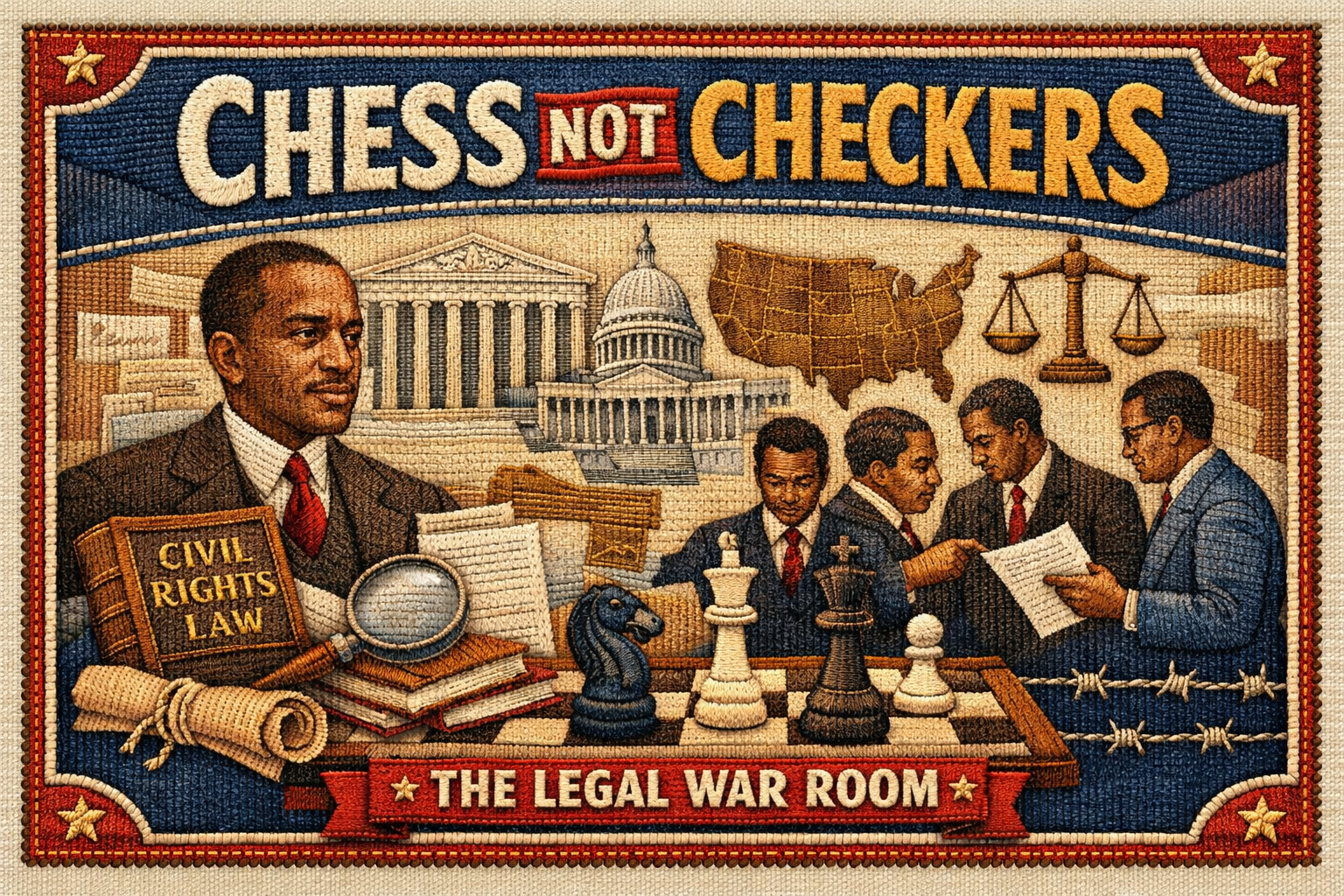
January 1, 1931 marks a quiet but serious turning point in American history. Charles Hamilton Houston becomes vice-dean of Howard University School of Law and almost immediately reshapes it into something more than a classroom. He builds a legal training ground with a single purpose: strategy. Houston understood that segregation would not fall simply because it was unjust. It would fall only if it could be proven unconstitutional. So he trained lawyers to work with discipline and precision, to identify weaknesses in the law, document inequality in detail, and build cases strong enough to force the courts to act. This was not protest law. It was methodical law. Students were sent into the South to gather evidence, photograph conditions, interview communities, and expose how “separate but equal” failed in practice. Houston demanded excellence because he knew the stakes. Courts move slowly and only when the record leaves them no alternative. That strategy later became the legal foundation for cases like Brown v. Board of Education. Lawyers such as Thurgood Marshall did not emerge by chance. They were shaped by years of deliberate training and long-term planning. January 1, 1931 reminds us that some of the most important changes in history do not arrive with noise. They begin quietly, in classrooms, with patience, discipline, and a clear understanding of how power actually works. #January1 #OnThisDay #AmericanHistory #LegalHistory #HowardUniversity #CivilRightsHistory #BlackHistory #LongGame #QuietPower

LataraSpeaksTruth

Phase Five. Dispute. After erasure was set into record, its consequences surfaced in open conflict. As descendants sought recognition, land, and citizenship, they encountered systems that demanded proof through documents designed to exclude them. Identity became something argued rather than lived. Throughout the twentieth century and into the present, Black American Indians and Freedmen descendants challenged enrollment decisions, treaty violations, and roll classifications. Many were told their ancestry did not qualify, despite documented lineage and historical presence within their communities. Courts, tribal councils, and federal agencies became battlegrounds where identity was weighed against paperwork. Treaties that had promised citizenship to formerly enslaved people within Native nations were reinterpreted or ignored. Roll closures locked families out permanently. Blood quantum standards narrowed belonging with each generation. Descendants were required to prove themselves using records created during enumeration and erasure, turning absence on paper into evidence against them. Dispute exposed the mechanics of erasure. It revealed how neutral-appearing policies produced exclusion and how legal recognition became separated from lived history. For many, the question was no longer who they were, but whether the system would acknowledge what already existed. This phase is not about resolution. It is about resistance within constraint. It explains why identity remains contested today, why recognition is uneven, and why historical injury continues to shape present-day struggles. Dispute is the sound of erasure being challenged, even when the rules were written to prevent success. #Dispute #BlackAmericanIndian #Freedmen #TreatyRights #ArchivalSeries #HistoricalRecord #IdentityContested #AmericanHistory

LataraSpeaksTruth

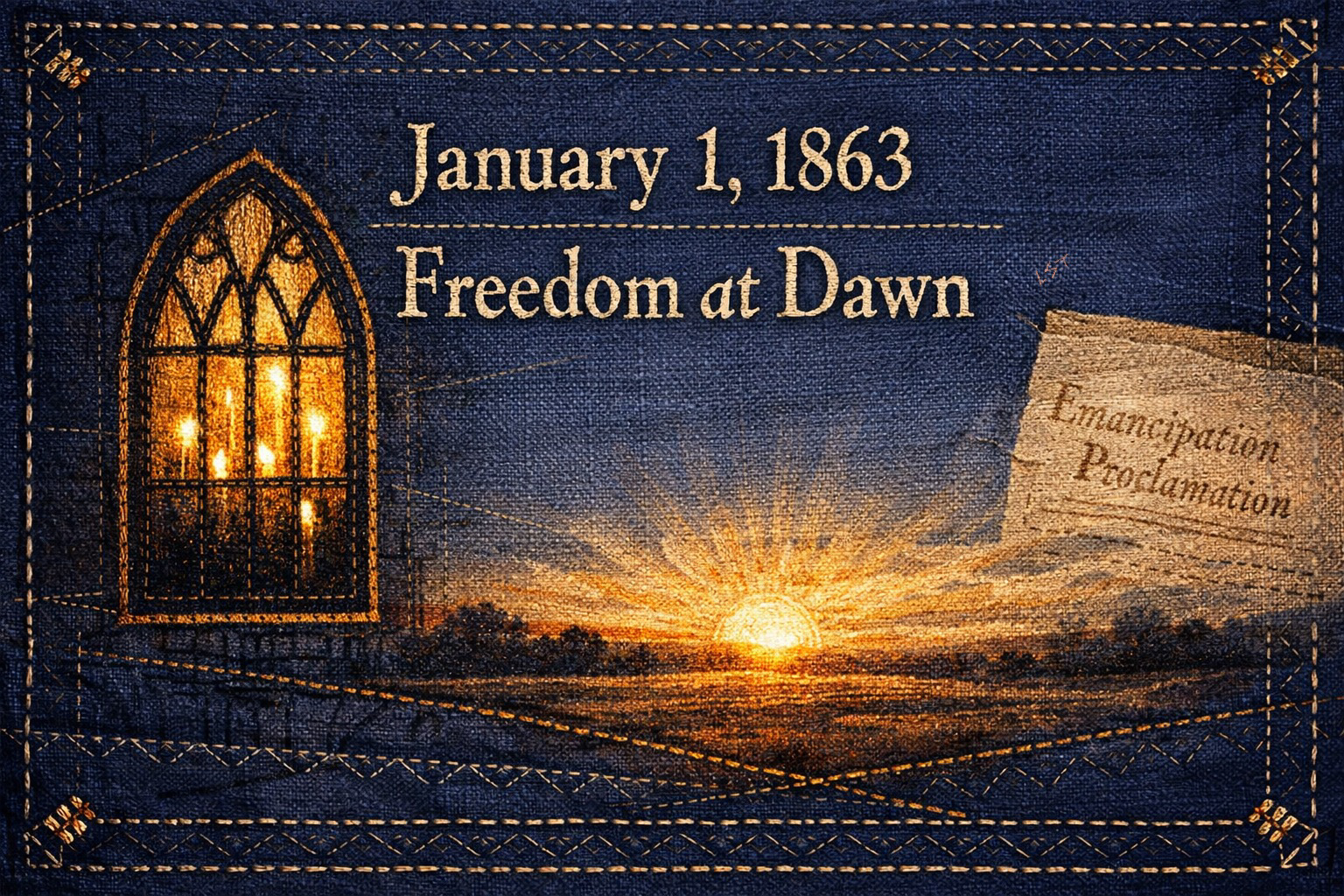
January 1, 1863 marked a turning point that was as complicated as it was historic. On that morning, the Emancipation Proclamation took effect under President Abraham Lincoln. It declared freedom for enslaved people in states still in rebellion against the Union. It did not apply everywhere. It did not free everyone. It did not end slavery outright. But it cracked the foundation of a system that had defined the nation for over two centuries. The night before, Black communities gathered for Watch Night services. Churches filled with people praying, singing, and waiting through midnight. This was not passive hope. It was survival sharpened by experience. Families knew freedom on paper did not guarantee safety in practice. Still, they watched the clock because symbolism matters. Timing matters. Midnight mattered. At dawn, freedom existed in law. By dusk, reality complicated it. Enforcement depended on Union military presence, and in many places Confederate control remained firm. Many enslaved people remained in bondage. Others faced retaliation, displacement, or danger as they moved toward Union lines. The proclamation was limited by design, framed as a wartime measure rather than a universal declaration. Even so, it transformed the Civil War. The fight was no longer only about preserving the Union. It became explicitly tied to ending slavery. It opened the door for Black men to serve in the Union Army and reframed enslaved people from property to persons in federal policy. It also signaled to the world that the United States had tied its war effort to a moral reckoning, however incomplete. January 1, 1863 was not the end of slavery. That came later, unevenly and violently, with resistance that still echoes today. But it was a hinge moment. A night of prayer turned into a morning of possibility. Freedom arrived at dawn on paper, by dusk in fragments, and only became real through human courage. #OnThisDay #January1 #EmancipationProclamation #WatchNight #BlackHistory

LataraSpeaksTruth

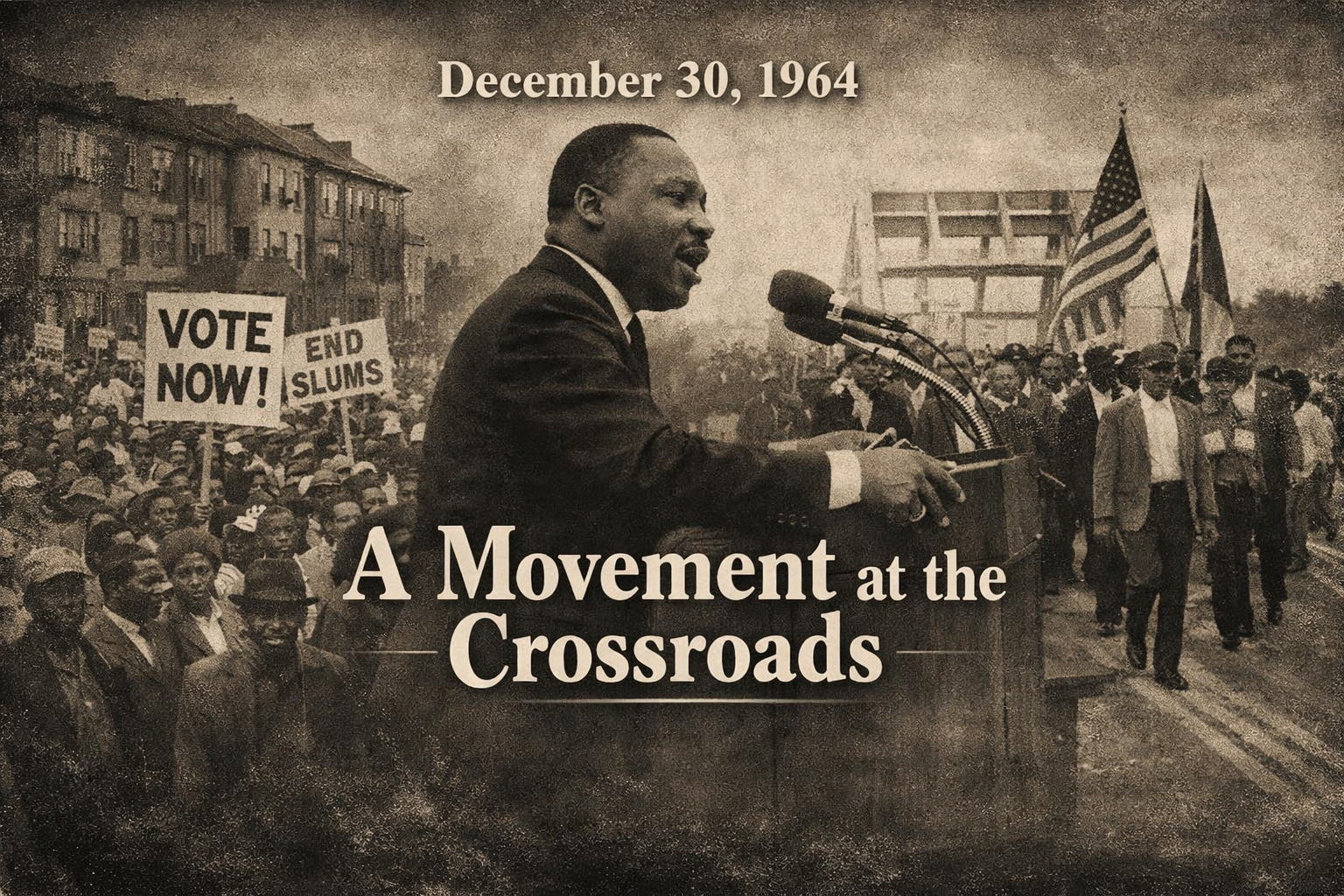
December 30, 1964 marked a moment of transition for the modern civil rights movement. In late December, Martin Luther King Jr. delivered one of his final major public addresses of the year as the movement stood between legislative victory and unresolved reality. The Civil Rights Act had been signed months earlier, yet resistance to enforcement remained widespread, underscoring that legal change had not automatically produced social or economic equality. King used his end of year speeches to signal where the struggle was headed next. While segregation laws had been formally dismantled, economic inequality, barriers to voting access, and entrenched segregation in Northern cities were becoming increasingly visible. He warned that discrimination was no longer confined to the South or expressed solely through explicit statutes, but embedded in housing patterns, employment practices, education systems, and political participation nationwide. By December 1964, King was placing greater emphasis on the connection between racial justice and economic justice. He spoke openly about poverty, unemployment, and the limits of symbolic progress when millions remained excluded from opportunity. Voting rights, still obstructed through intimidation and administrative barriers, emerged as a central priority, setting the stage for the campaigns that would define 1965. This period marked a shift in tone and strategy. The movement was moving beyond confronting visible segregation toward challenging structural inequality, a transition that would intensify public debate and resistance. King’s late December address reflected a movement no longer focused solely on passing laws, but on transforming the deeper conditions shaping American life. #History #USHistory #CivilRightsMovement #MartinLutherKingJr #VotingRights #EconomicJustice #AmericanHistory #SocialChange

LataraSpeaksTruth

On December 29, 1890, U.S. Army troops from the 7th Cavalry surrounded a Lakota Sioux encampment near Wounded Knee on the Pine Ridge Reservation in South Dakota during a forced disarmament operation. Tensions escalated as soldiers attempted to confiscate weapons. After a single shot was fired under disputed circumstances, troops opened fire using rifles and Hotchkiss cannons. An estimated 150 to 300 Lakota men, women, and children were killed, many of them unarmed. As people fled, gunfire continued across the encampment. Numerous victims were later found frozen in the snow. The massacre occurred amid federal fear surrounding the Ghost Dance, a spiritual movement officials misinterpreted as a threat rather than a religious practice. Military force was deployed instead of diplomacy. Earlier that month, the killing of Lakota leader Sitting Bull intensified tensions across the region. Wounded Knee is widely regarded as marking the violent end of large scale Indigenous armed resistance on the Plains. No meaningful accountability followed, and several soldiers later received military commendations. Today, the massacre remains a defining example of state violence against Indigenous people and continues to shape debates about historical memory and justice in the United States. #WoundedKnee #December29 #USHistory #NativeHistory #Lakota #SouthDakota #HistoricalRecord #AmericanHistory #HistoryMatters

LataraSpeaksTruth

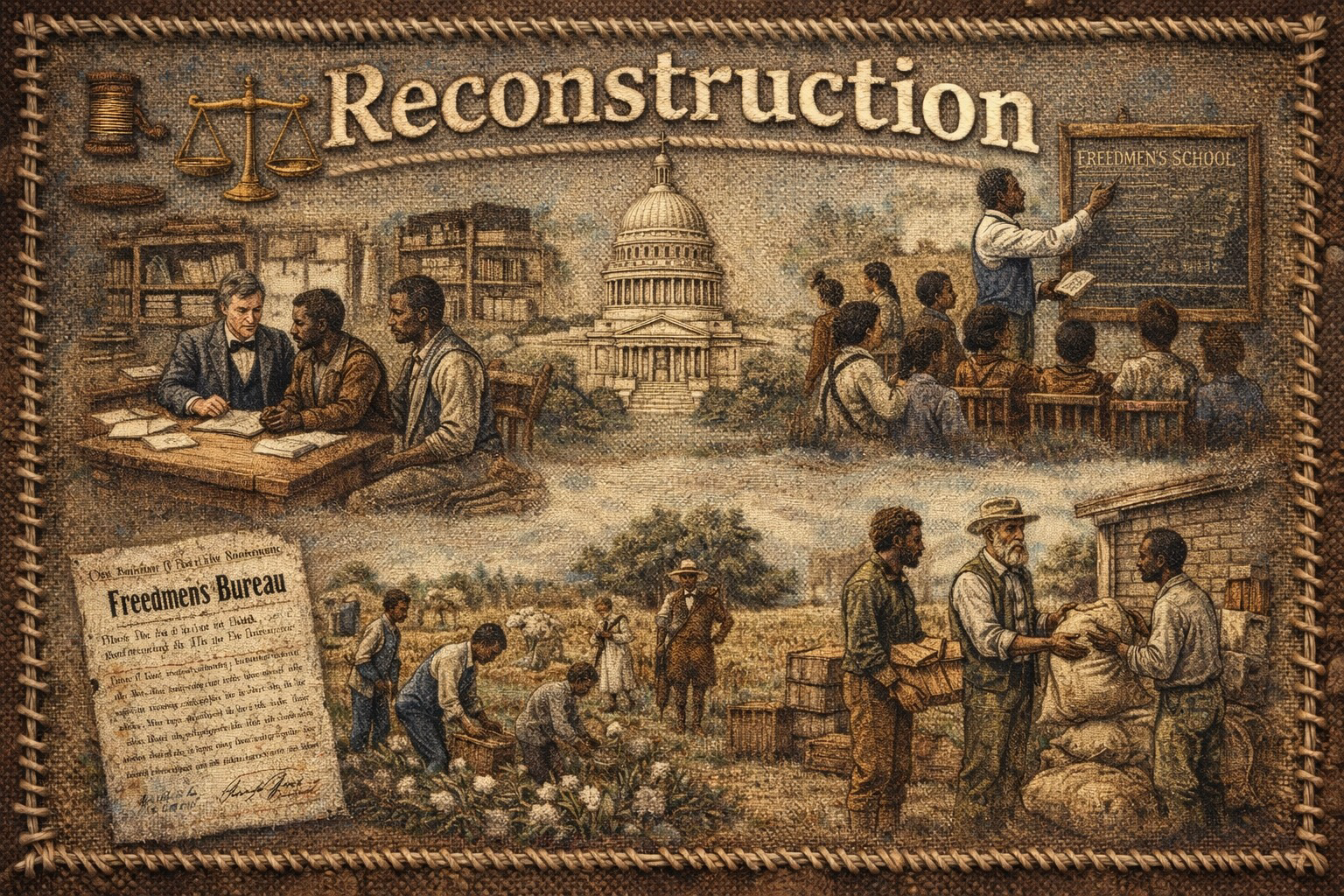
In late December 1865, as the Civil War formally faded into history, the realities of freedom were still being figured out in real time. During this period, including December 27, federal offices were actively organizing the early work of the Freedmen’s Bureau, an agency created to manage the transition from slavery to freedom for millions of newly emancipated Black Americans. Although the Bureau had been established earlier in the year, late December marked a critical phase of implementation. Agents were assigning teachers to newly formed schools, overseeing labor contracts between freed people and landowners, and distributing emergency food, clothing, and medical aid. These were not symbolic gestures. They were survival decisions that shaped daily life during Reconstruction. This work exposed the contradictions of the era. The Bureau was expected to protect freed people while also stabilizing Southern labor systems. Education expanded rapidly but faced violent resistance and chronic underfunding. Labor contracts offered oversight but often preserved unequal power dynamics. Each administrative choice carried long-term consequences. Reconstruction did not arrive as a finished promise. It emerged through paperwork, negotiations, and fragile systems built under pressure. Late December 1865 captures that reality clearly…freedom had been declared, but the structure to sustain it was still being assembled. #Reconstruction #FreedmensBureau #1865 #BlackHistory #AmericanHistory #PostCivilWar #EducationHistory #LaborHistory

LataraSpeaksTruth

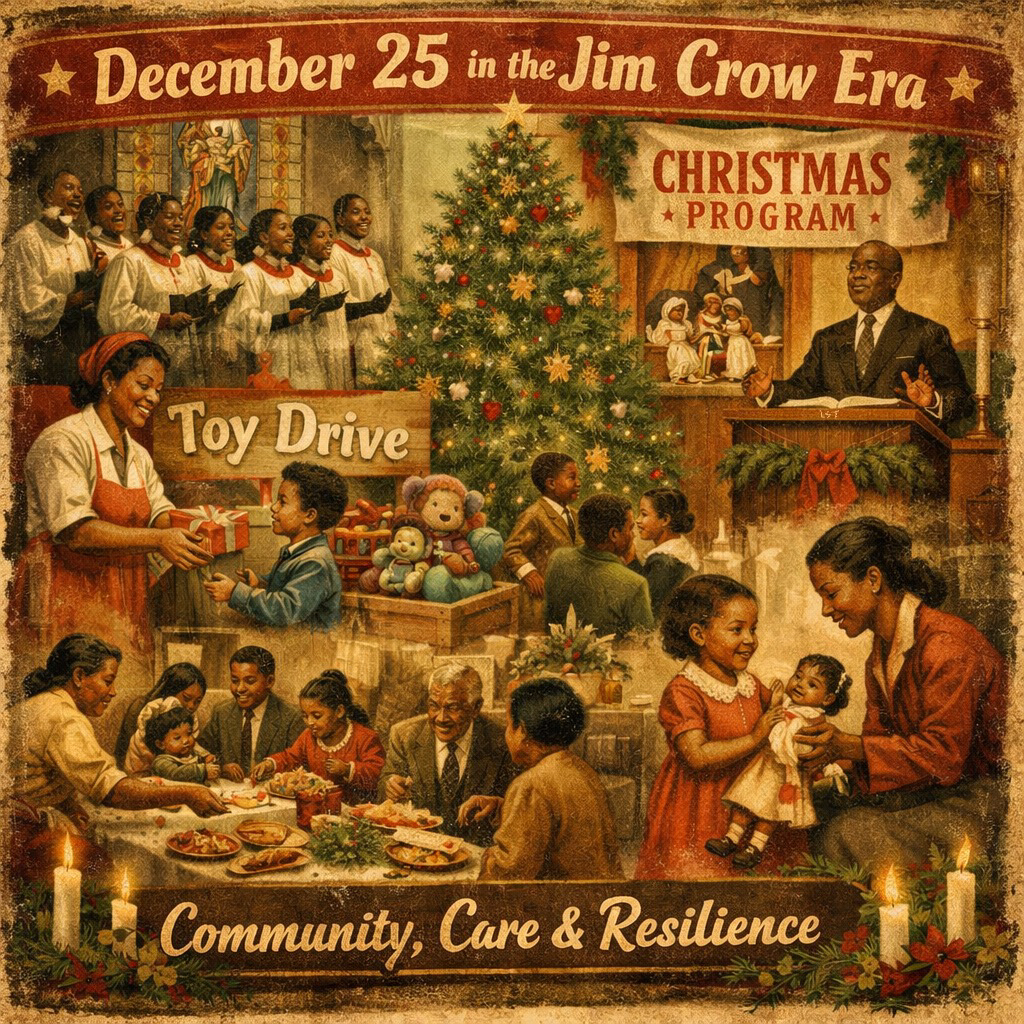
December 25 during the Jim Crow era was not a season of shared celebration for everyone. In segregated cities across the South and beyond, public Christmas traditions such as downtown displays, department store Santas, toy drives, and holiday parades were largely reserved for white communities. Black children were excluded or redirected to inferior, separate events. What appeared festive on the surface reinforced a deeper message about who was allowed public joy. Black communities did not accept this quietly. Instead, they built their own celebrations with intention and care. Churches became the center of Christmas life. Pastors, church mothers, youth leaders, fraternal orders, and civic groups organized toy drives, food distributions, and holiday meals to ensure families were fed, children were remembered, and no one was overlooked. These efforts were not symbolic. They were structured, organized, and rooted in faith and responsibility. Christmas programs filled sanctuaries with music, pageants, and warmth, creating spaces where dignity replaced exclusion. Black newspapers documented these moments, highlighting pride, organization, and self-reliance rather than grievance. December 25 in the Jim Crow era reveals an overlooked truth. Exclusion did not eliminate celebration. It transformed it. When public spaces closed their doors, Black communities opened their own. Through faith, organization, and collective care, they protected tradition, affirmed belonging, and sustained joy in a society designed to deny it. #December25 #JimCrowEra #BlackHistory #HolidayHistory #ChurchCommunity #CommunityCare #FaithAndTradition #AmericanHistory