Tag Page WorkersRights

#WorkersRights
LataraSpeaksTruth

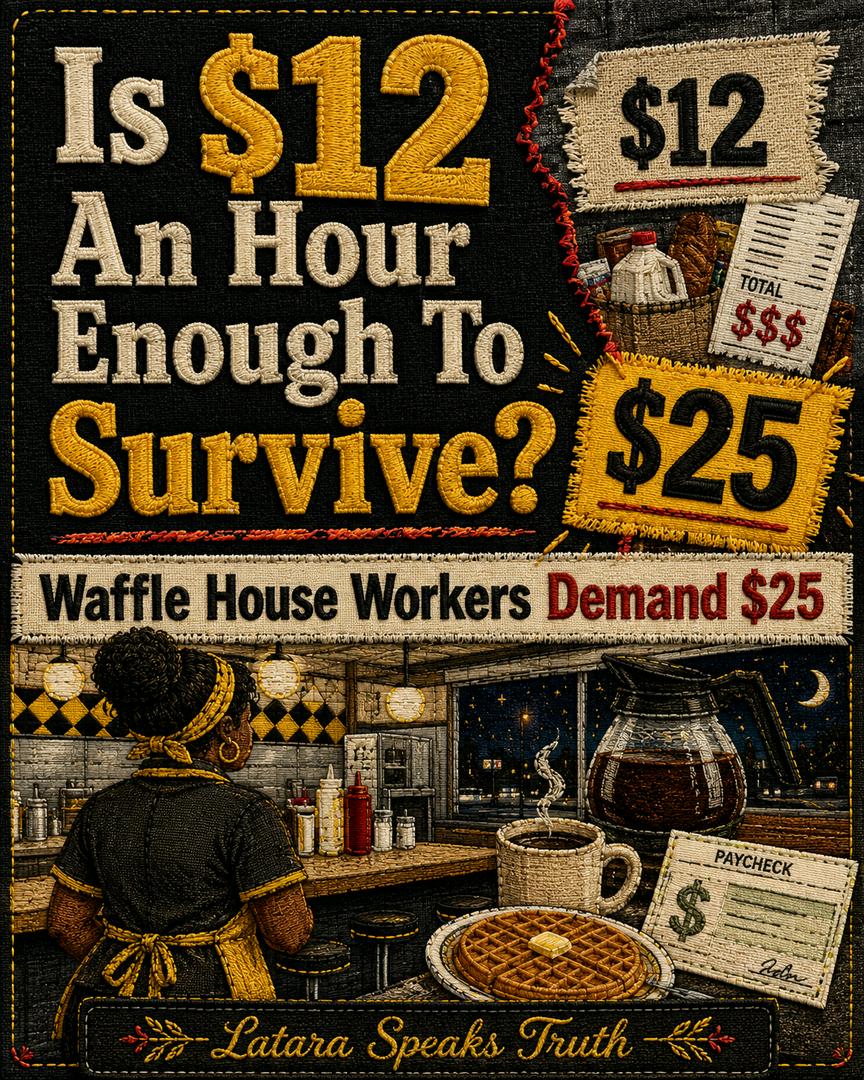
Waffle House workers in Atlanta are demanding $25 an hour, free meals or an end to meal charges, and better security. And somehow, the response from some people is, “College graduates don’t even make $25 an hour.” That is not the argument they think it is. If someone went to college, took on debt, earned a degree, and still makes less than $25 an hour, that does not prove Waffle House workers are asking for too much. It proves too many workers are being underpaid. One struggling worker should not be used as a weapon against another struggling worker. A person with student loans should not look at a food service worker and say, “You should struggle too.” That is not logic. That is misplaced frustration. The real question is not whether Waffle House workers deserve $25 an hour. The real question is how anybody is supposed to survive on $12 an hour in this economy. At $12 an hour, a full-time worker makes about $24,960 a year before taxes. That is before rent, food, transportation, utilities, insurance, childcare, medical needs, and emergencies. In metro Atlanta, MIT’s Living Wage Calculator lists the living wage for one adult with no children at $26.36 an hour. For one adult with one child, it is $40.90 an hour. So $25 an hour is not luxury money. It is survival money. And for the people saying nurses or college graduates do not make that much, be specific. Registered nurses nationally have a much higher median wage than $25 an hour. If some healthcare workers or college graduates are making less, that means their pay deserves questioning too. The answer to low wages is not to keep everybody low. Full-time work should not still leave people fighting to survive. Sources: Atlanta News First, MIT Living Wage Calculator, Bureau of Labor Statistics #WaffleHouse #WorkersRights #LivingWage #CostOfLiving #LaborRights #WorkingClass #PayPeopleFairly

LataraSpeaksTruth

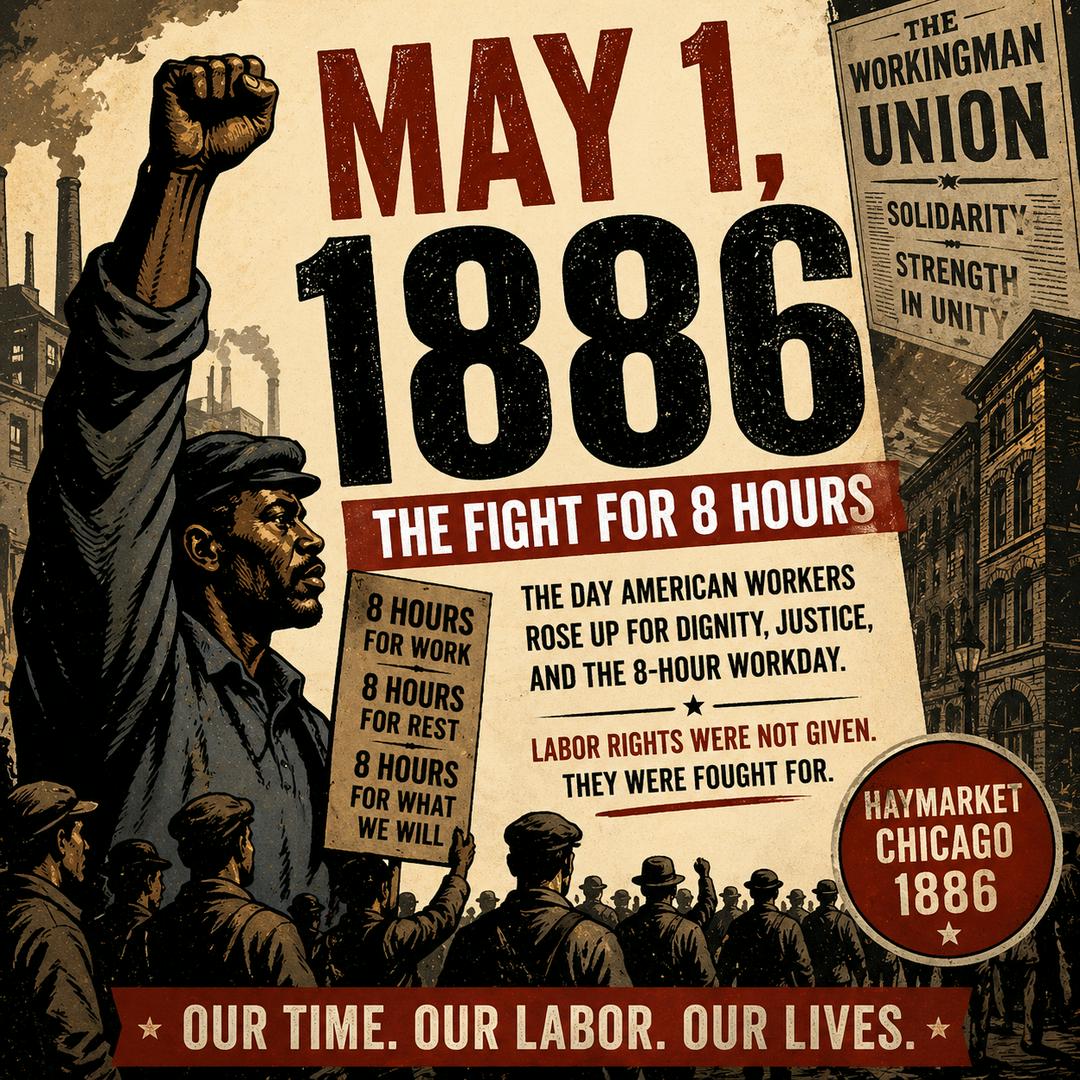
On May 1, 1886, hundreds of thousands of American workers joined a national strike demanding something many people take for granted today: an eight-hour workday. At the time, many workers labored 10, 12, or even more hours a day, often in dangerous conditions and for low pay. Labor organizations had chosen May 1, 1886, as the day to push for a new standard: eight hours for work, eight hours for rest, and eight hours for what they chose. The movement spread across the country, with estimates often ranging from 300,000 to 500,000 workers taking part. Chicago became one of the major centers of the strike. Just days later, the Haymarket Affair would turn the fight for labor rights into one of the most remembered moments in American labor history. This is not only a labor history story. It matters to Black history, too. Many Black workers were excluded from early unions, underpaid, overworked, and pushed into some of the hardest jobs with the fewest protections. Over time, Black labor organizers connected workplace justice to the broader fight for civil rights. Fair hours, fair pay, dignity, and safe working conditions became part of the larger struggle for freedom and equality. From the eight-hour workday movement to later organizing by Black workers, sleeping car porters, sanitation workers, domestic workers, and civil rights activists, the message stayed clear: economic justice and racial justice are connected. May Day 1886 reminds us that workplace rights were not handed out. They were demanded, organized for, and fought for by working people who believed their time, labor, and lives had value. #FactsOnly #LaborHistory #BlackHistory #MayDay #WorkersRights

LataraSpeaksTruth

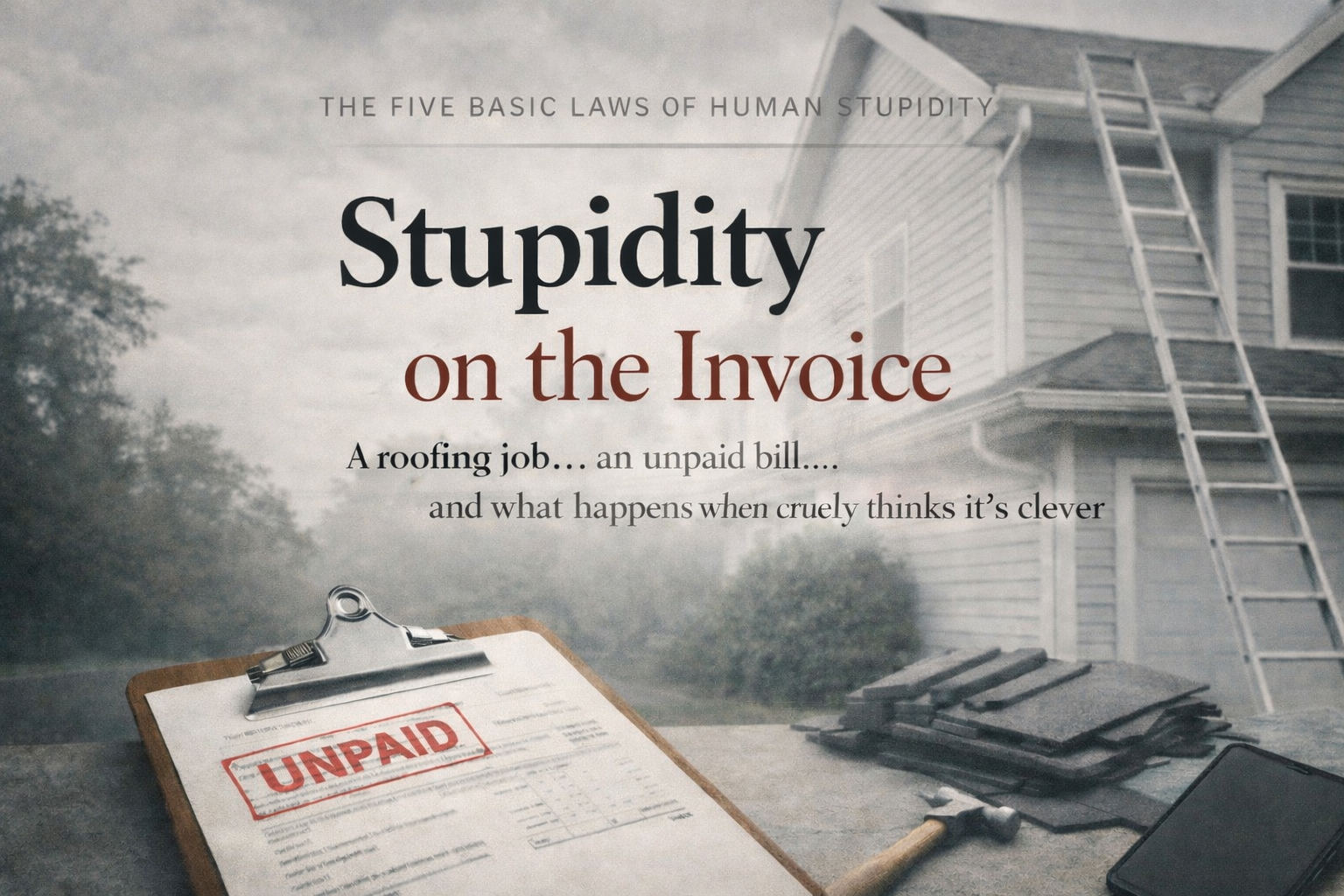
I recently wrote about Carlo Cipolla’s Five Basic Laws of Human Stupidity, and this Maryland story dragged one of those laws right out of theory and dropped it on a roof. In Cambridge, video showed ICE detaining six Guatemalan roofing workers at a house after they had been doing the job. Newsweek reported that the workers said the job was worth about $10,000 for three days of labor and that instead of being paid, they were met by immigration agents. That is the part people are stuck on… not just the raid, but the ugly claim that labor was accepted while payment was not.  Out of Cipolla’s five laws, this lines up most with the Third Law, the one that says a stupid person causes losses to other people while gaining little or nothing, and may even hurt themselves in the process. That is what makes this story feel so foul. If you hire people, let them work, and then the end result is detention instead of payment, that is not clever. That is not slick. That is the kind of move that hurts workers, sparks outrage, and leaves your own name tied to a national disgrace. Cipolla’s Third Law defines stupidity exactly as causing losses to others while deriving no gain and even possibly incurring losses.  That is why this story hits so hard. It cuts straight across a basic rule most decent people understand without needing a philosophy book… if somebody does the work, you pay them. You do not get the labor, keep the benefit, and then let fear walk in where the paycheck should have been. Whatever excuse gets offered afterward, that video already burned the image into people’s minds. Dirty is dirty. #NewsBreak #WorkersRights #LaborAbuse #HumanStupidity #ViralStory

LataraSpeaksTruth

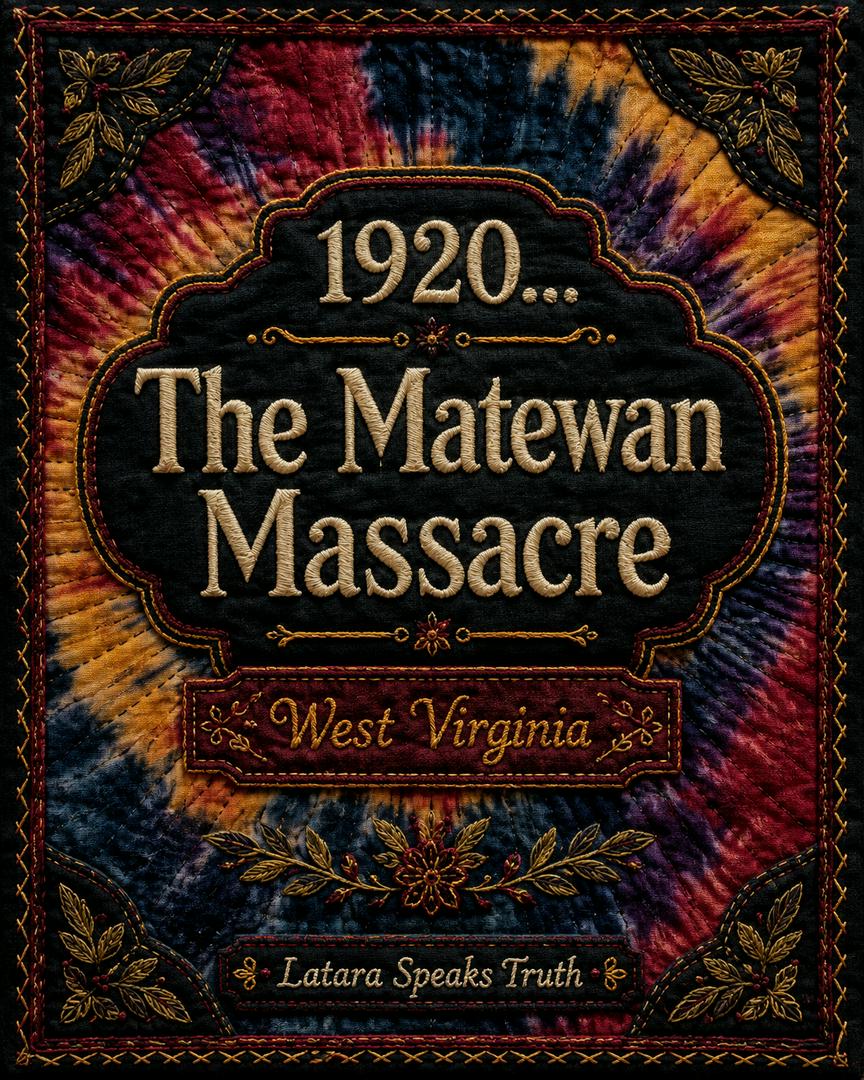
On May 19, 1920, the town of Matewan, West Virginia, became the center of one of the most violent labor conflicts in American history. Coal miners in the region were trying to organize with the United Mine Workers of America. That fight was not just about wages. It was about survival. Many coal companies controlled housing, jobs, stores, and nearly every part of daily life in mining towns. When miners supported union efforts, some companies pushed back hard. Private agents from the Baldwin-Felts Detective Agency were sent into Matewan to evict striking miners and their families from company-owned homes. Matewan Police Chief Sid Hatfield, who supported the miners, challenged the agents. Tension rose near the train station, and gunfire broke out. By the end, ten people were dead, including miners, private detectives, and Matewan’s mayor, Cabell Testerman. The Matewan Massacre became a major moment in American labor history. It showed how dangerous it could be for workers to demand fair treatment, especially when powerful companies had money, influence, and armed force behind them. This was not just a shootout. It was a warning sign of a much larger battle over workers’ rights in the coalfields. Sometimes history reminds us that the rights people have today were not handed over politely. Some were fought for in company towns, courtrooms, picket lines, and streets where ordinary people risked everything. #AmericanHistory #LaborHistory #WestVirginiaHistory #WorkersRights #OnThisDay

You've reached the end!