Tag Page WomensHealth

#WomensHealth
Lucas Mendez

The Fatigue That Doesn’t Go Away—And Why It Hits Women Harder After 40

There’s tired, and then there’s the kind of exhaustion midlife women describe: the heavy-body, foggy-brain, “I can function, but I’m not alive” fatigue. And it’s not imaginary—studies show women in their 40s and 50s are twice as likely to experience chronic fatigue compared to men. Why? Because hormonal fluctuation disrupts deep sleep phases, cortisol stays elevated from years of caretaking stress, and iron levels drop silently—1 in 5 midlife women is iron deficient without knowing it. If your fatigue feels bigger than your life, it probably is. Check ferritin (not just hemoglobin). Stabilize blood sugar with protein in your first meal. Add 10–20 minutes of morning sunlight to reset cortisol. And remember: exhaustion is a signal, not a personality trait. You’re not lazy. You’re depleted in ways the world rarely acknowledges. Tags: #WomensHealth #Fatigue

The Fatigue That Doesn’t Go Away—And Why It Hits Women Harder After 40
Lucas Mendez

The Heart Symptoms Women Ignore—But Shouldn’t

Women don't get the “classic” heart attack symptoms men do. Instead, midlife women often get nausea, jaw pain, back pressure, dizziness, and severe fatigue—symptoms that doctors dismiss as anxiety. Which is why women are 50% more likely to be misdiagnosed during a cardiac event. And here’s the part nobody talks about: heart disease kills 1 in 3 women, more than breast cancer, lung cancer, and ovarian cancer combined. Real things to watch for: – Unusual upper back or shoulder pain – Breathlessness during simple tasks – Sudden overwhelming fatigue – Chest tightness that feels like “pressure,” not pain Don’t wait for dramatic symptoms. Your heart whispers before it screams. Tags: #WomensHealth #HeartHealth

The Heart Symptoms Women Ignore—But Shouldn’t
Lucas Mendez

The Skin Changes Women Blame on Aging—But Are Actually Medical Clues

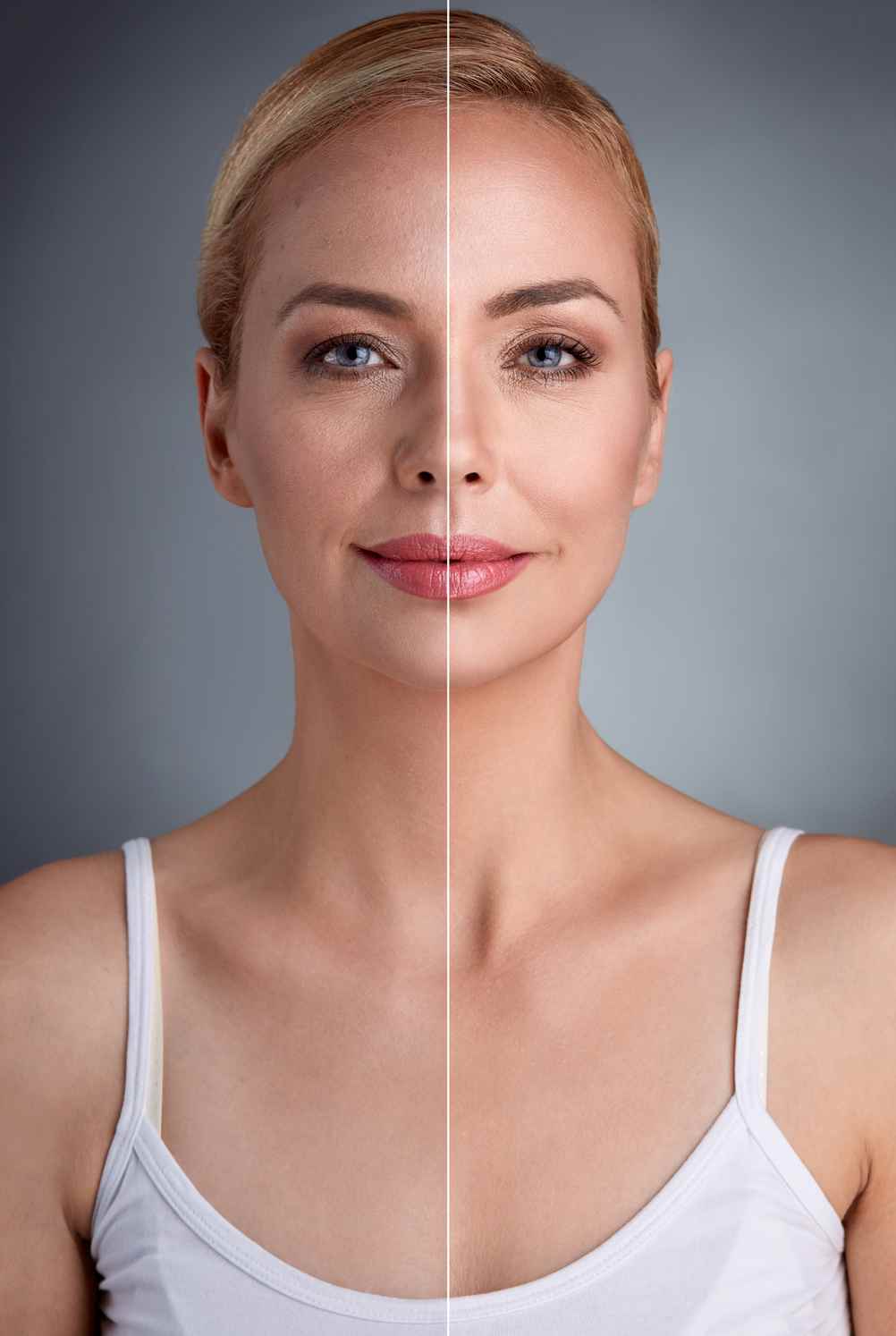
Dry patches. Sudden rashes. Itchy skin that wakes you at night. Most midlife women think it’s “just aging,” but dermatologists note that declining estrogen reduces skin hydration by up to 30% in the first 5 years of menopause. But here’s the surprising part: persistent dryness and itchiness can be early markers of – thyroid dysfunction – prediabetes – autoimmune activity Women are five times more likely than men to develop thyroid disease, yet symptoms (fatigue, brittle hair, itchy skin) are often dismissed as hormonal. Your skin is talking. Omega-3s improve barrier function. Niacinamide boosts moisture retention. But more importantly: if new skin symptoms appear after 40, get thyroid and glucose labs done. Your skin is not betraying you—it’s warning you. Tags: #SkinHealth #WomensHealth

The Skin Changes Women Blame on Aging—But Are Actually Medical Clues
Lucas Mendez

Why So Many Midlife Women Develop Gut Issues Out of Nowhere

Bloating after every meal. Random nausea. Constipation that comes and goes in waves. A lot of women start experiencing this in their 40s and think it’s food sensitivity. In reality, estrogen and progesterone directly affect gut motility—this is why GI issues spike during perimenopause. One study found 47% of midlife women report new digestive symptoms even with no diet changes. Here’s the deeper layer: Low estrogen reduces bile acids → harder to digest fats High stress raises cortisol → slows digestion Lower muscle mass → weaker abdominal support What helps: – Add soluble fiber (psyllium) – Eat cooked vegetables instead of raw – Avoid eating late—it worsens reflux – Strength training improves gut motility more than walking You’re not “suddenly sensitive.” Your gut is reacting to hormonal tectonic shifts. Tags: #GutHealth #WomensHealth

Why So Many Midlife Women Develop Gut Issues Out of Nowhere
Lucas Mendez

Why Midlife Women Forget Words—and Think They’re Losing Their Minds

There’s a specific fear many midlife women won’t admit: “Why can’t I remember simple words anymore?” This symptom—often called “menopause brain fog”—affects over 60% of women in transition years. It happens because estrogen supports neurotransmitter signaling, especially in areas responsible for language and short-term memory. Word retrieval, name recall, and multitasking are the first to slip. Not because women are aging out of relevance, but because the brain is temporarily rewiring. What actually helps: – Aerobic activity boosts BDNF and improves recall speed – Omega-3s enhance neural communication – Blood sugar stability reduces crashes that mimic cognitive lapses – Cognitive load reduction (lists, reminders, batching tasks) isn’t weakness—it’s strategy You’re not “losing it.” You’re adapting. And your brain is far more resilient than you think. Tags: #BrainHealth #WomensHealth #Midlife

Why Midlife Women Forget Words—and Think They’re Losing Their Minds
Lucas Mendez

The Illness Women Hide: Midlife Urinary Urgency”

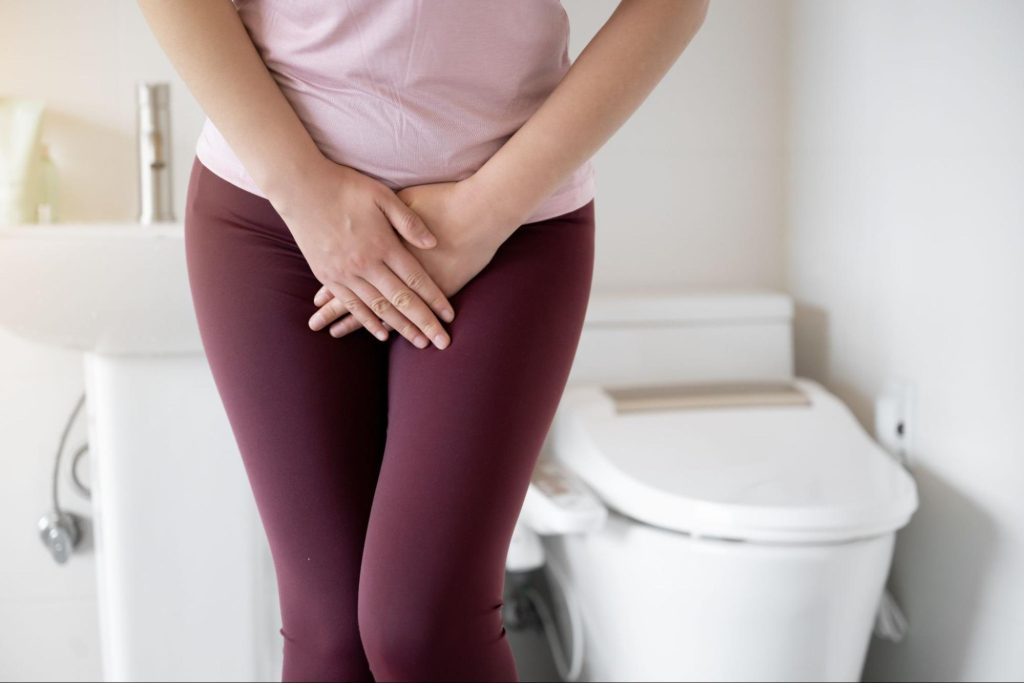
No one talks about it, but many women live in fear of not finding a bathroom in time. Urinary urgency and pelvic floor changes spike between 40–55, affecting 1 in 3 women. It’s not poor hygiene, not bad habits, not “just aging.” It’s the combined effect of estrogen loss, pelvic floor weakening, and sometimes childbirth injuries resurfacing decades later. The emotional toll is real: women plan drives around bathrooms, avoid long meetings, and quietly carry shame for something incredibly common. What helps: – Pelvic floor physical therapy (not Kegels alone) – Magnesium reduces bladder spasms – Reducing bladder irritants (coffee, citrus, carbonated drinks) – Estrogen vaginal therapy can strengthen tissue and reduce urgency You’re not alone, and you’re not broken. This symptom is treatable—and incredibly common. Tags: #WomensHealth #PelvicHealth #Midlife

The Illness Women Hide: Midlife Urinary Urgency”
Lucas Mendez

Why Midlife Bloating Feels Different—and Why It Scares Women

(Gut motility slowdown, microbiome shifts, stress digestion) Many women panic when bloating suddenly becomes a daily issue in their 40s. Not the “I ate too much salt” kind, but the tight, painful, unpredictable swelling that makes jeans impossible and anxiety unavoidable. Most don’t know this is tied to gut motility changes driven by declining estrogen, which slows digestion and alters the microbiome. Add stress, sitting more at work, and inconsistent meals, and the gut becomes hypersensitive. A 2024 gastrointestinal study reported that midlife women experience a 40% decrease in digestive speed compared to their 20s. The good news: the gut is highly trainable. – 20–30g of fiber per day, but increased gradually – A 10-minute “post-meal walk” dramatically improves motility – Reduce “gut-stiffening” behaviors: skipping meals, eating in a rush, long sitting – Probiotics only help when paired with regular meal timing Bloating doesn’t mean something is wrong with you—it means your body needs a rhythm again. Tags: #GutHealth #WomensHealth #HealthHacks

Why Midlife Bloating Feels Different—and Why It Scares Women
Lucas Mendez

Why Do Midlife Women Feel Tired All the Time?

(Chronic fatigue, hormonal shifts, invisible load) If you ask a midlife woman, “Are you tired?” she won’t say yes—she’ll just laugh. Because fatigue has become the background noise of her entire life. What people don’t see is the layered exhaustion: hormonal fluctuations that make sleep lighter, cortisol spikes from constant responsibility, the mental load of remembering everyone’s everything, and the pressure to perform at work as if she isn’t also managing a second full-time job at home. A 2023 report from the CDC found that women between 40–55 are the most sleep-deprived demographic in the U.S.—more than new mothers, more than retirees caring for spouses. Why? Because they’re the ones carrying the “invisible shift.” But fatigue is fixable when understood: – Track sleep patterns across your cycle; many women find their worst nights align with estrogen dips. – Magnesium glycinate and light morning movement help reset cortisol rhythm. – And the hardest one: delegating without guilt. Your exhaustion isn’t personal failure—it’s physiology + social structure. And both can change. #HealthHacks #WomensHealth #Midlife

Why Do Midlife Women Feel Tired All the Time?
RetroRaven

Household Chemicals Are Quietly Rewriting Women’s Hormones

We worry about diets and exercise — and we should — but there’s an invisible force in a lot of kitchens and bathrooms: endocrine-disrupting chemicals. Plastics, fragranced products, some non-stick cookware, and even receipts can release substances (think BPA, phthalates, PFAS) that mimic or block hormones. For a woman in her 40s or 50s, already balancing shifting estrogen and progesterone, chronic exposure can amplify irregular cycles, heavier periods, worse hot flashes, and maybe even affect how the body responds to HRT or thyroid medication. This isn’t about panic — it’s about pragmatic control. Swap heated plastic for glass or stainless, choose fragrance-free personal care when possible, avoid microwaving food in plastic, and wash hands after handling receipts. Small changes reduce your body’s “toxic noise” and make your hormonal signals clearer to your doctor. If you’re tracking worsening symptoms that don’t respond to standard measures, bring an exposure history to your clinician — it’s a real piece of diagnostic data. #Health #WomensHealth

Household Chemicals Are Quietly Rewriting Women’s Hormones