Tag Page WomensHealth

#WomensHealth
Lucas Mendez

Why Midlife Women Feel “Invisible” — And Why It Hurts Physically

“Invisible” isn’t just an emotional word — it has health consequences. Psychologists have found that midlife women reporting social invisibility also show higher cortisol, poorer sleep, and increased inflammatory markers. Why it happens: Society overvalues youth Workplaces prioritize younger voices Caregiving roles erode personal identity Physical changes impact self-esteem Partners may unintentionally reinforce invisibility This combination creates a physiological stress loop that affects: Immune function Blood pressure Weight regulation Emotional resilience Sexual desire Healing begins with re-claiming space: Naming your needs interrupts the invisibility cycle Community connections lower stress hormones Creative or physical outlets rebuild identity Therapy increases self-compassion and reduces inflammatory stress You deserve to be seen — for your wisdom, your resilience, and your story. Being visible isn’t vanity. It’s health. #MentalHealth #WomensHealth #MidlifeIdentity

Why Midlife Women Feel “Invisible” — And Why It Hurts Physically
Lucas Mendez

The Nutrient Deficiencies Almost Every Midlife Woman Has

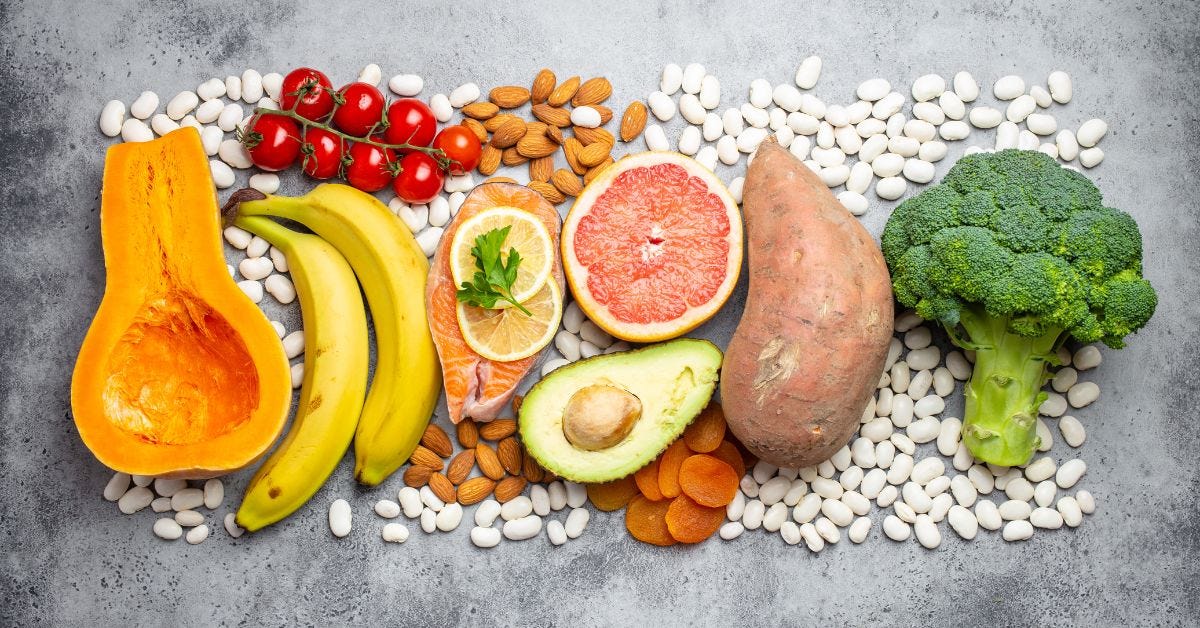
You can eat well and still be deficient. Research shows that up to 70% of midlife women are low in vitamin D, 40% in magnesium, and 30% in iron, even without anemia. Why deficiencies increase: Hormonal shifts affect absorption Reduced stomach acid decreases mineral uptake Chronic stress depletes magnesium Diets become more restrictive Sun exposure tends to decline with age Symptoms women mistake for depression or “burnout”: Low mood Fatigue Muscle cramps Brain fog Increased anxiety Restless sleep Restoring key nutrients helps stabilize hormones, mood, and energy. Recommendations: Vitamin D3 (1000–2000 IU/day) — check levels first Magnesium glycinate — supports sleep and calm Iron only if levels are low (test before supplementing) B12 for vegans or women with fatigue Your body isn’t weak — it’s under-fueled. Nutrient care is hormonal care. #Nutrition #WomensHealth #MidlifeWellbeing

The Nutrient Deficiencies Almost Every Midlife Woman Has
Lucas Mendez

The Midlife Migraine Spike: Why Headaches Return With a Vengeance

If headaches you thought you’d outgrown suddenly return in your 40s or 50s — you’re not alone. Studies show that migraine prevalence increases by nearly 60% during perimenopause, driven by hormonal swings and nervous system sensitivity. What makes midlife headaches unique: Estrogen fluctuations affect serotonin pathways Poor sleep and hot flashes amplify pain signaling Blood vessel elasticity decreases Stress-load from caregiving and work compounds symptoms Women often blame stress alone — but biology is a major player. Evidence-based relief: Magnesium (300–400mg/day) reduces migraine frequency Hydration lowers neurological triggers Ice packs + dark rooms help during acute episodes Cognitive-behavioral therapy reduces migraine disability by up to 40% Avoiding skipping meals stabilizes glucose and prevents migraine onset Your pain is real, common, and reversible — not a sign you’re “falling apart.” #MigraineRelief #WomensHealth #MidlifeCare

The Midlife Migraine Spike: Why Headaches Return With a Vengeance
Lucas Mendez

The Weight Gain No One Warned You About: It’s Not Lack of Willpower

Many midlife women suddenly gain 8–15 pounds within a few years — even when eating the same way. This isn’t “discipline loss.” It’s biology. Research from the Mayo Clinic shows that resting metabolic rate decreases 5–10% during perimenopause, meaning your body burns fewer calories at rest. Meanwhile: Insulin sensitivity drops, causing stronger sugar cravings Cortisol rises, increasing abdominal fat storage Sleep fragmentation triggers appetite hormones And muscle mass declines by up to 1% per year after 40 This combination can feel like betrayal. What helps: Protein at 25–30g per meal stabilizes glucose and preserves muscle Strength training 2–3× weekly increases metabolic rate Fiber (25–30g/day) regulates insulin and supports gut health Nighttime screen limits reduce cortisol spikes Your body isn’t “losing control.” It’s transitioning. Understanding these shifts gives you power — not punishment. #WomensHealth #Metabolism #MidlifeWellness Keywords: midlife metabolism slowdown

The Weight Gain No One Warned You About: It’s Not Lack of Willpower
Lucas Mendez

Midlife Women and Blood Pressure: The Hidden Shift at 45

Many women enter midlife with a surprising statistic: After age 45, women are more likely than men to develop high blood pressure. Why? Estrogen protects blood vessels; as it declines, arteries stiffen. Metabolism slows, affecting sodium sensitivity. Sleep disturbances raise blood pressure. Chronic stress from caregiving and work adds to vascular strain. The danger is that high blood pressure has no symptoms. Many women only discover it during a routine check—or after a scare. Data shows: Women with untreated hypertension have a 70% higher risk of heart failure. Even a 10-point rise in systolic pressure increases stroke risk by about 20%. Only 1 in 4 women with high blood pressure have it adequately controlled. What helps: Potassium-rich foods (greens, bananas, beans) reduce blood pressure. Daily brisk walking lowers systolic pressure by 5–8 points. Limiting alcohol improves heart health dramatically. Home blood pressure monitoring is strongly recommended. Your heart is adjusting to a new hormonal era — and supporting it now can literally save your life. #HeartHealth #WomensHealth #BloodPressure

Midlife Women and Blood Pressure: The Hidden Shift at 45
Lucas Mendez

The Silent Weight of Caregiving Stress on Women’s Bodies

Midlife women provide over 60% of unpaid caregiving labor in the U.S., often supporting both aging parents and growing teens. This “sandwich generation” stress isn’t just emotional — it’s physiological. Studies show that women in caregiving roles experience: 34% higher cortisol levels Twice the rate of burnout symptoms Increased inflammation markers linked to heart disease Higher rates of headaches, digestive flare-ups, and sleep disturbance But women rarely talk about the body cost of being “the responsible one.” What can help: Scheduled micro-breaks of even 5 minutes reduce cortisol. Delegation — asking siblings or partners to take over one task weekly — decreases burnout by 23%. Walking outdoors lowers inflammatory markers. Therapy or support groups reduce caregiver anxiety by up to 40%. Your stress isn’t imaginary. Your body is carrying a load that entire systems depend on — and it deserves care, too. #CaregiverHealth #MentalHealth #WomensHealth

The Silent Weight of Caregiving Stress on Women’s Bodies
Lucas Mendez

The Fatigue That Isn’t Laziness: Adrenal Strain in Midlife Women

Many women over 45 feel exhausted, even after a full night’s sleep. It’s often labeled “stress” or “aging,” but studies show up to 50% of midlife women experience adrenal fatigue-like symptoms, including constant fatigue, brain fog, and sugar cravings. Adrenal glands produce cortisol, which regulates energy. Hormonal transitions, chronic caregiving, and poor sleep patterns can disrupt cortisol cycles, leaving women drained by midday. This isn’t weakness — it’s physiology. Practical solutions: Morning sunlight exposure helps reset circadian rhythm. Balanced protein and healthy fats stabilize blood sugar and cortisol. Mindful breathing or meditation 10 minutes daily lowers cortisol by up to 20%. Resistance training strengthens stress resilience. Your exhaustion is data, not failure. Understanding your body allows you to regain energy and reclaim your day. #WomensHealth #AdrenalHealth #MidlifeEnergy

The Fatigue That Isn’t Laziness: Adrenal Strain in Midlife Women
Lucas Mendez

Midlife Hair Changes: When Thinning Feels Personal

Hair isn’t just cosmetic — it’s emotional. A 2023 study found that around 40% of women over 45 notice significant hair thinning, even without menopause symptoms. Hormonal shifts reduce scalp estrogen and increase androgen sensitivity, which can shrink hair follicles. Stress, thyroid imbalance, and nutritional deficits compound the issue. Many women hide hair changes, feeling ashamed or “less feminine.” Evidence-backed strategies: Topical minoxidil improves hair density by 20–30% in midlife women. Iron and vitamin D optimization enhances follicle growth. Low-stress routines and limiting heat styling reduce breakage. Protein-rich diet supports keratin synthesis. Your hair changing is biology, not vanity. Address it proactively — and with compassion. #HairHealth #MidlifeWellness #WomensHealth

Midlife Hair Changes: When Thinning Feels Personal
Lucas Mendez

The Digestive Shift You Didn’t Expect in Midlife

Bloating, constipation, or sudden food intolerance is not “just getting older.” Studies show that gut microbiome diversity decreases by 20–30% during perimenopause, making digestion less efficient and immune response more reactive. This shift can lead to: Bloating and gas Irregular bowel movements Increased inflammation Food sensitivities What helps: Probiotics and fermented foods restore microbiome diversity. High-fiber diet improves stool regularity and reduces inflammation. Regular exercise supports gut motility. Stress reduction — mindfulness or yoga — lowers cortisol, protecting gut lining. You’re not failing your body — it’s adapting to a new hormonal landscape. Supporting your gut is a powerful way to reclaim comfort and energy. #GutHealth #WomensHealth #MidlifeNutrition

The Digestive Shift You Didn’t Expect in Midlife
Lucas Mendez

Midlife Vision Changes: Blurred Lines Aren’t Just Screen Fatigue

Sudden difficulty reading, driving at night, or focusing on near objects is common after 40. Research shows that over 60% of women in their 40s–50s experience presbyopia, but hormonal fluctuations can worsen dry eyes and eye strain. What women often don’t know: Estrogen loss reduces tear production, increasing dryness and irritation. Dry eyes can contribute to headaches, neck tension, and fatigue. Vision changes can affect confidence, independence, and quality of life. Solutions: Regular eye exams detect early cataracts, glaucoma, or refractive changes. Artificial tears and humidifiers improve comfort. Blue light breaks reduce digital eye strain. Nutrients like lutein, zeaxanthin, and omega-3s protect retinal health. Your eyes are adjusting to hormonal and age-related shifts — not failing. Support them, and life remains clear. #EyeHealth #MidlifeWellness #WomensHealth

Midlife Vision Changes: Blurred Lines Aren’t Just Screen Fatigue
Tag: WomensHealth - Page 6 | LocalAll