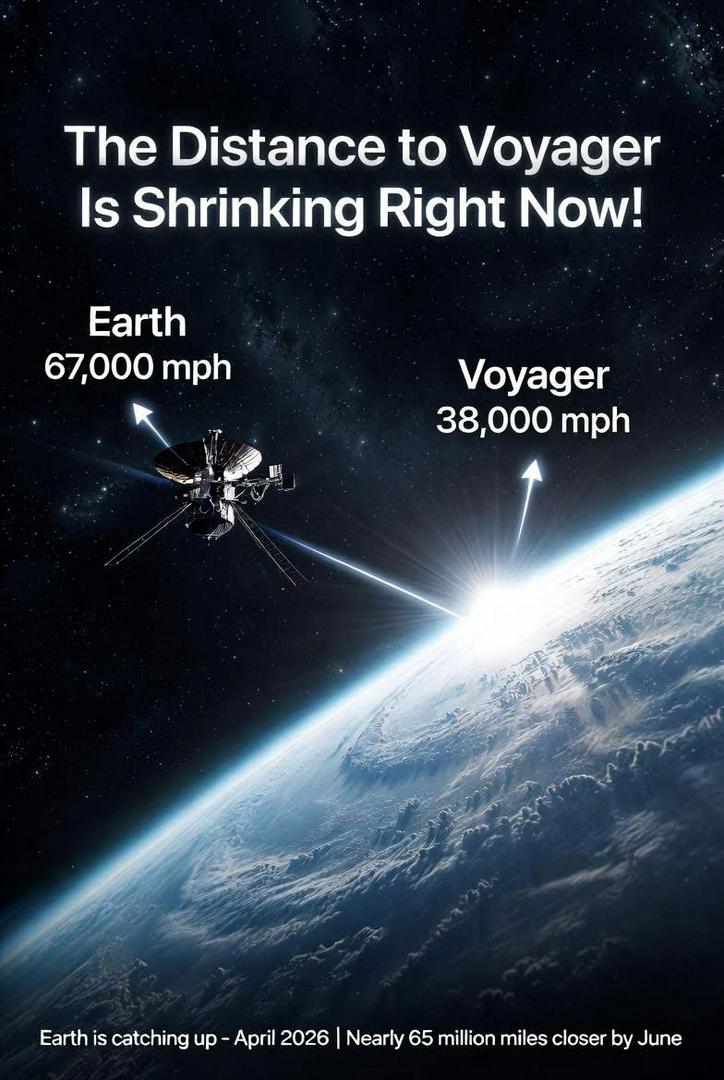
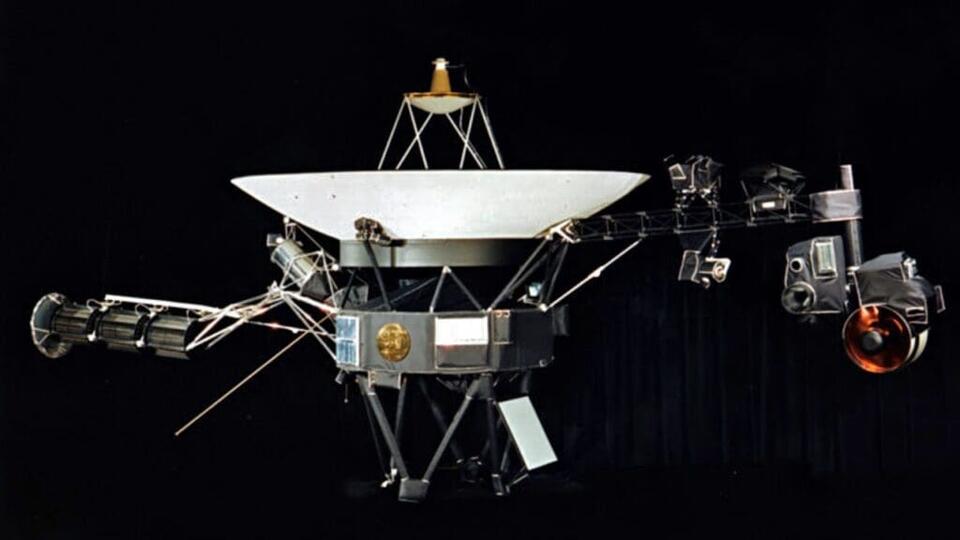
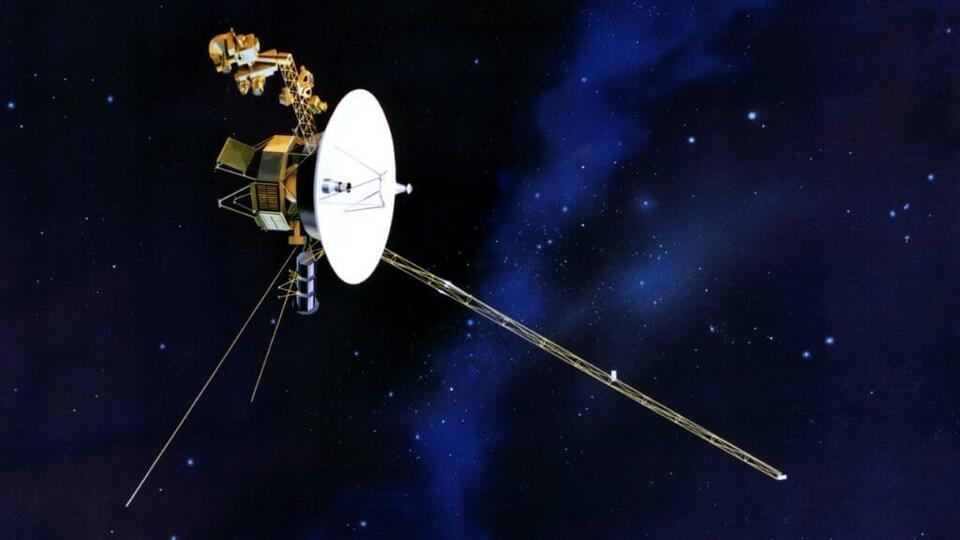
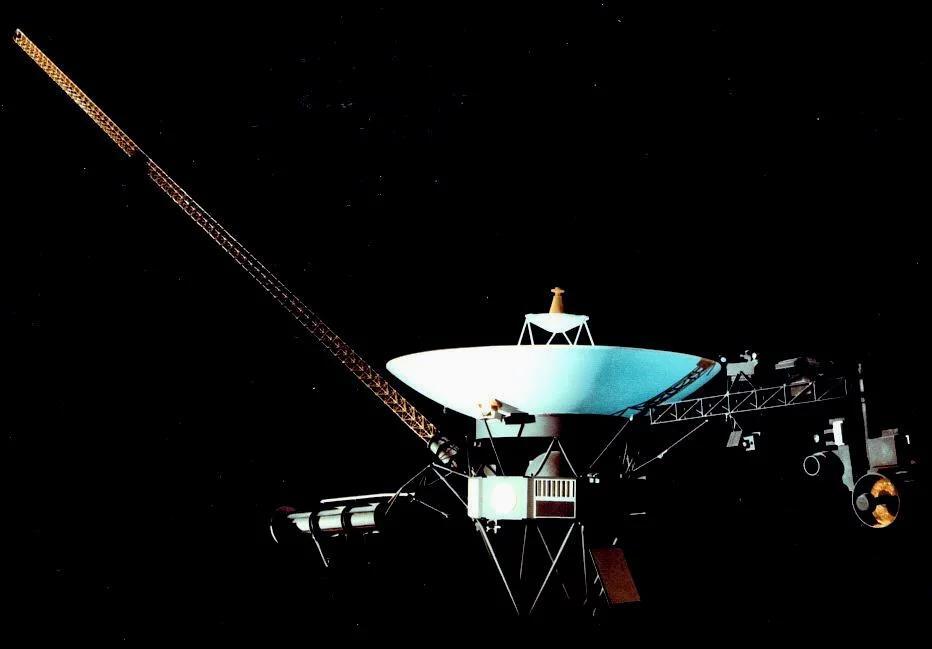
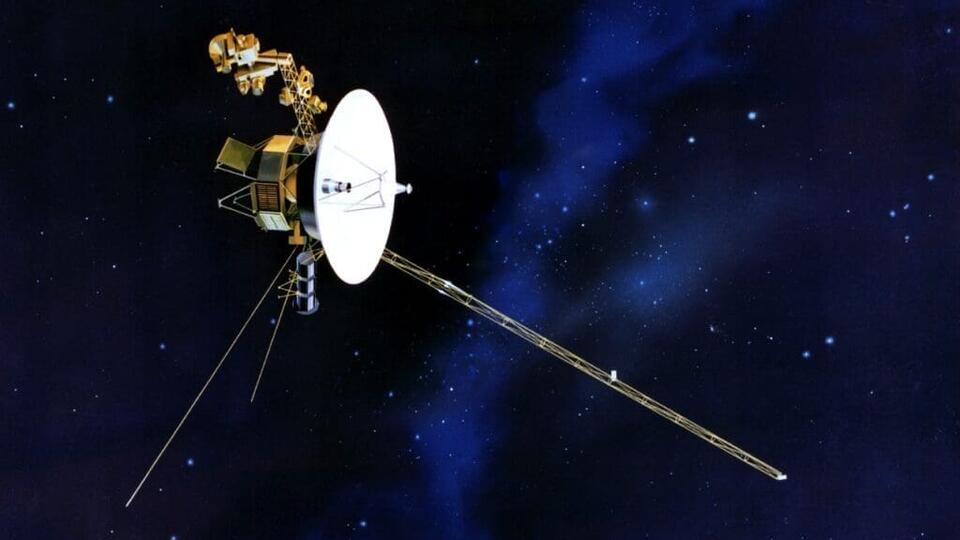
justme +Follow🌍 Mind-Blowing Fact: The Distance Between Voyager and Earth Is Currently Shrinking! 🚀 For nearly 50 years, Voyager 1 and Voyager 2 have been speeding away from the Sun at up to 38,000 mph, now deep in interstellar space. Yet right now (and every year from late February to early June), the distance to Earth is actually decreasing — by millions of miles! Why? Earth orbits the Sun at a blistering 67,000 mph — much faster than the Voyagers. As our planet swings around to the same side of the Sun as the probes, we’re catching up to them. For example, Voyager 2 is shrinking its distance by about 0.69 AU (nearly 65 million miles) between February and June 2026. By early June, it will be closer than it was in February! Once Earth passes and heads the other way, the distance will start growing again — forever. Our tiny blue planet is still playing cosmic catch-up with its distant robotic ambassadors. What do you find more amazing — that the Voyagers are still communicating after 50 years, or that Earth can “catch up” to them every year? Drop your thoughts below 👇 and tag a space lover who needs to see this! #Voyager #Voyager1 #Voyager2 #InterstellarSpace #NASA #Astronomy #SpaceFacts #Science20Share
Jennifer Reyes+FollowVoyager Finds a Cosmic 'Wall of Fire'Imagine driving out of your neighborhood and hitting a wall of heat you didn’t know existed. That’s basically what NASA’s Voyager just did at the edge of our solar system—it found a blazing-hot plasma barrier, way hotter than anyone expected. This surprise means scientists have to rethink how our solar system keeps cosmic rays out. Even in deep space, there are still wild, unexpected roadblocks! #Business #Industry #Voyager51Share
Brooke Martin+FollowVoyager Finds a 'Wall of Fire' in SpaceImagine driving past Pluto and hitting a cosmic speed bump: NASA’s Voyager probes just discovered a 90,000ºF plasma “wall” at the edge of our solar system. Instead of a gentle fade into the galaxy, it’s more like running into a superheated, invisible force field. This means our solar system’s border is way farther (and wilder) than your old school textbook showed. Space weather just got a lot more interesting for future explorers! #Business #Industry #Voyager111Share
Nicholas Coleman+FollowVoyager: The Ultimate Out-of-Office ReplyImagine sending a text and waiting two days for a reply—that’s the reality for NASA’s Voyager probes, still phoning home from beyond the solar system since 1977. The real-life takeaway? Sometimes, old tech with steady maintenance outlasts the flashy new stuff. These cosmic travelers are teaching us about the wild weather at the edge of our solar system, proving that slow and steady (plus a little patience) can still win the race—even in deep space. #Business #Industry #Voyager00Share
Richard Vaughan+FollowVoyager Found a Fiery Wall at the Solar System’s EdgeTurns out, the edge of our Solar System isn’t a quiet fade into space—it’s more like a cosmic blast furnace! Voyager’s instruments picked up a scorching hot plasma “wall” (think 30,000–50,000 kelvin!) where the solar wind slams into the galaxy. This wild discovery means we’re basically living inside a giant, superheated bubble, and it’s changing how scientists think about our place in the universe. Who knew space could be this spicy? #Science #Voyager #SpaceScience2910Share