Tag Page VotingRightsHistory

#VotingRightsHistory
LataraSpeaksTruth

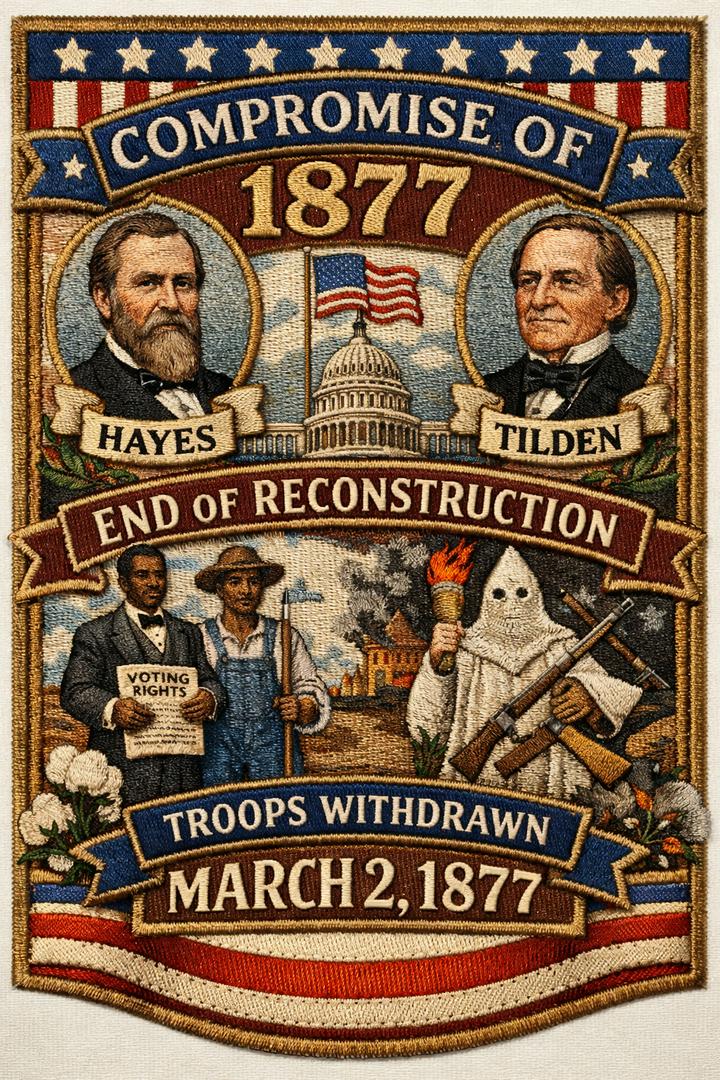
On March 2, 1877, Congress finished counting the electoral votes from the disputed 1876 presidential election and certified Rutherford B. Hayes as president over Samuel J. Tilden by a single electoral vote, 185 to 184. That outcome did not happen on its own. In late January 1877, Congress created a special Electoral Commission to decide the contested electoral votes from several states. The Commission’s rulings were then accepted during the final count on March 2. In the weeks that followed, Democrats ended their resistance to Hayes taking office and Republicans moved toward a set of understandings that later became known as the Compromise of 1877. It was not one signed document. It was political bargaining, and the biggest consequence was federal enforcement in the South being scaled back. After Hayes was inaugurated on March 5, 1877, the remaining federal troops stationed at Southern statehouses were withdrawn, commonly dated to April 1877. With that protection gone, the last Reconstruction governments in places like Louisiana and South Carolina collapsed. In plain language, this meant people who had gained political influence after the Civil War, especially formerly enslaved people and African Americans, were left with far less federal protection at the ballot box and in public life. White supremacist intimidation and organized violence became easier to carry out. Over time, state governments built stronger systems of segregation and voter suppression through laws, procedures, and local enforcement. So yes, the core takeaway is correct. March 2 marks the certification that cleared the way. The troop withdrawal that helped end Reconstruction followed soon after. #OnThisDay #March2 #1877 #Reconstruction #CompromiseOf1877 #Hayes #Tilden #ElectoralCount #ElectoralCommission #USHistory #AmericanHistory #SouthernHistory #VotingRightsHistory

LataraSpeaksTruth

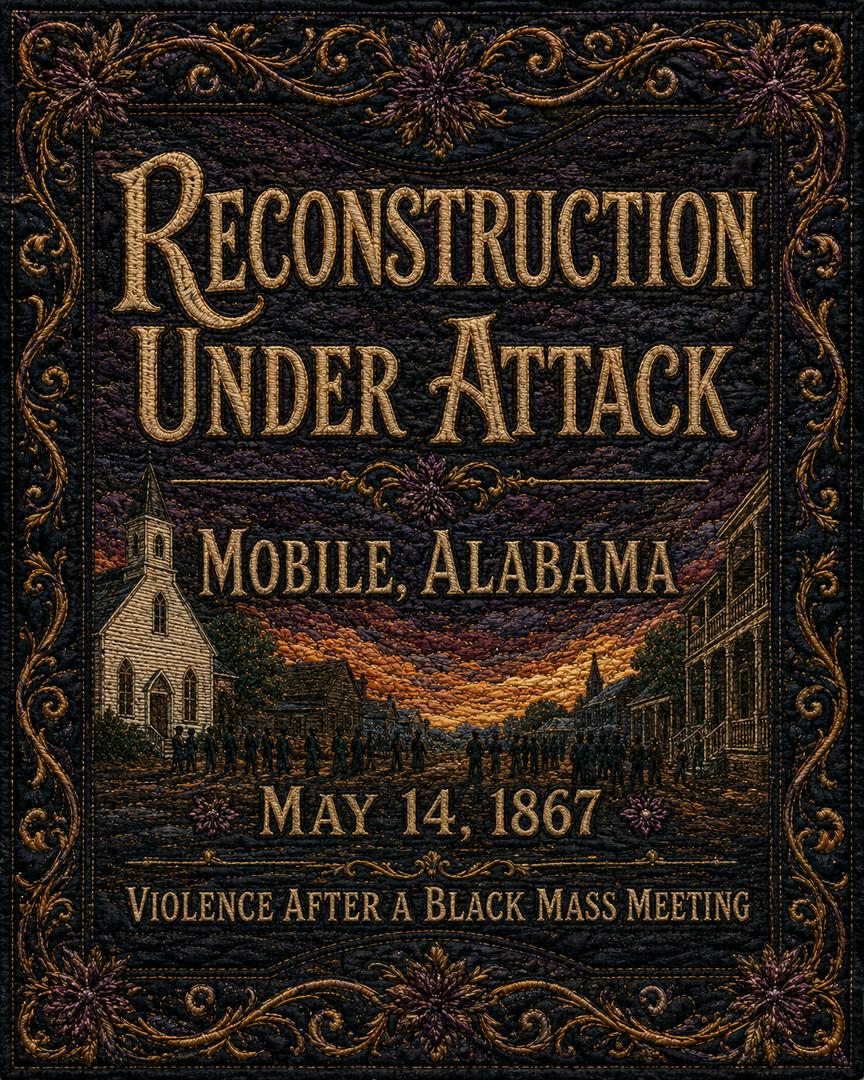
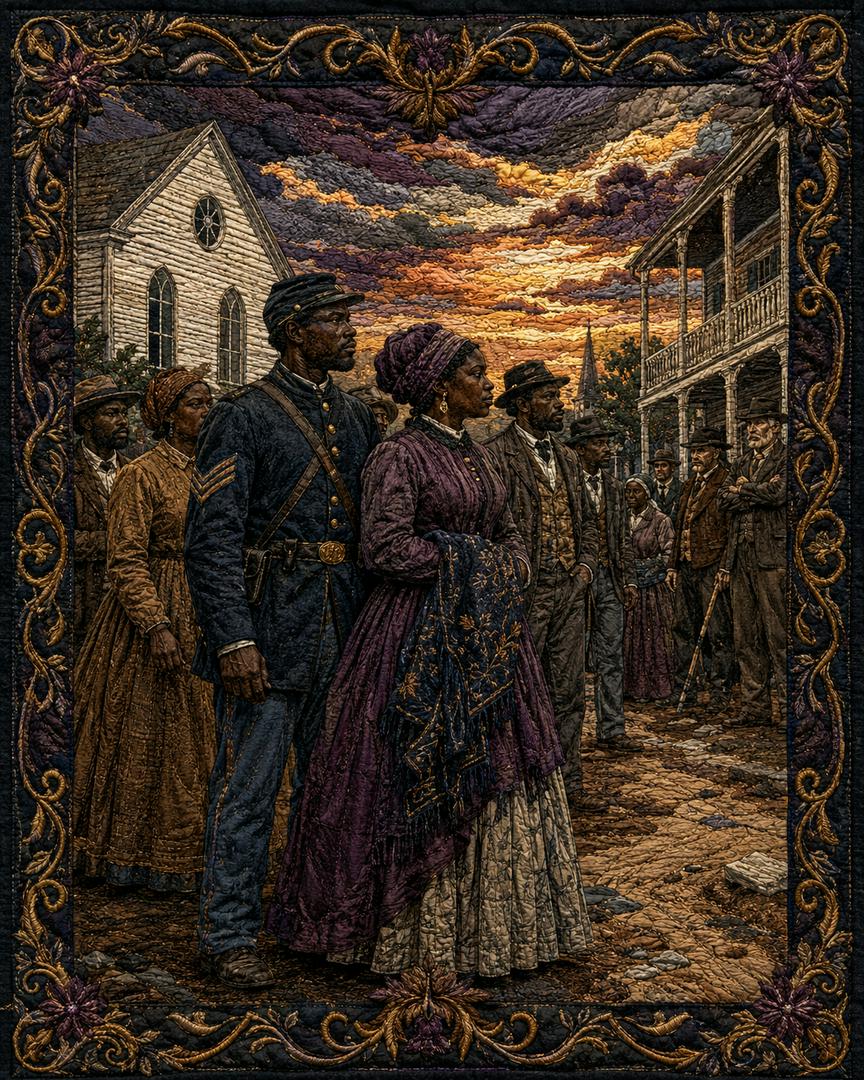
On May 14, 1867, Mobile, Alabama became another Reconstruction-era reminder that freedom on paper did not mean safety in the streets. That day, deadly violence broke out during a Republican public meeting where Congressman William D. Kelley of Pennsylvania was speaking. Kelley was a Radical Republican, and his visit came during a tense period when formerly enslaved people, Black Union veterans, and Republican organizers were pushing for real political power after the Civil War. According to House Divided, shots were fired near the edge of the crowd. Two people were killed and several others were wounded. Mobile was already tense, with former Confederates, Black Union veterans, and newly active Black citizens all living through the collision between the old order and the promise of Reconstruction. This was not just random violence. Across the South, Black citizens were gathering, organizing, voting, speaking, and demanding a place in public life. In response, white resistance often followed. The goal was not only to disrupt one meeting. The message was bigger: stay away from politics, stay away from the ballot box, and stay in the place the old order had assigned you. That is why Mobile matters. The violence of May 14, 1867 shows how Reconstruction was fought not only in Congress or state houses, but in public meetings, city streets, churches, and gathering places where Black people dared to act like free citizens. They had served in war. They had built communities. They had survived slavery. Now they were demanding a voice. And the backlash came hard. History should remember this clearly: the violence was not proof that Black political power was dangerous. It was proof that some people were terrified of Black political power becoming real. #ReconstructionHistory #BlackHistory #MobileAlabama #VotingRightsHistory #AmericanHistory

LataraSpeaksTruth

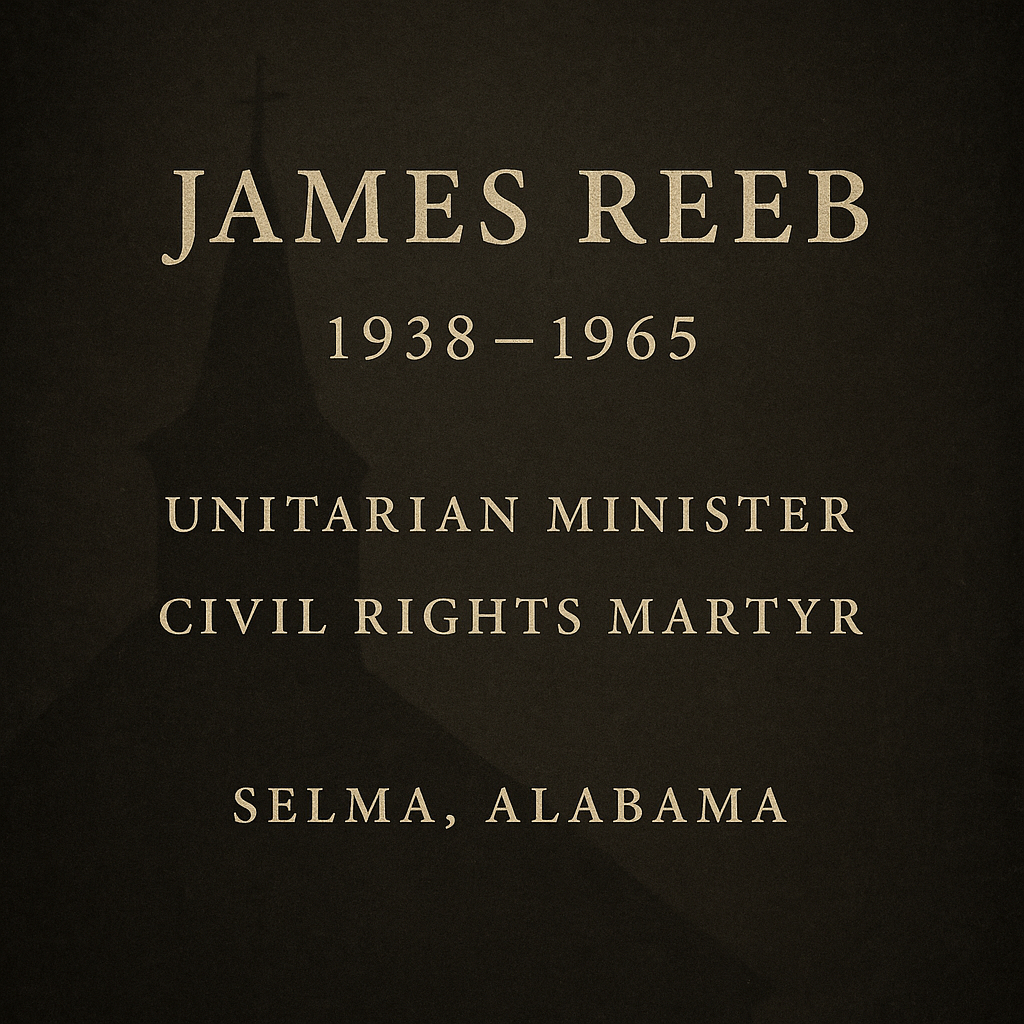
James Reeb was a white Unitarian Universalist minister from Boston who answered Dr. King’s call after Bloody Sunday in Selma in March 1965. He didn’t have to go. Nobody forced him. He chose to show up anyway, knowing exactly how violent Alabama was toward civil rights workers at that moment. On March 9, 1965, after leaving a restaurant with two other ministers, Reeb was attacked by white segregationists armed with clubs. He was struck in the head, collapsed, and died two days later on March 11. He was 38 years old. Here’s the part people like to gloss over. His murder wasn’t accidental. It wasn’t random. It was targeted racial terror meant to send a message. And the response to his death tells you everything. Hospitals initially refused to treat him properly. The men charged with his murder were acquitted by an all-white jury. No justice. Just like that. Reeb’s death shocked the nation precisely because he was white. That’s uncomfortable, but it’s true. His killing helped push public pressure that led directly to the passage of the Voting Rights Act of 1965. Not because his life mattered more, but because America suddenly paid attention when the violence crossed a line it had been ignoring for centuries. So when people try to argue that white allies didn’t sacrifice anything, James Reeb stands right there in the historical record saying otherwise. Sacrifice doesn’t require shared oppression to be real. It requires choice, risk, and consequence. He chose to stand where hatred was loud, and it cost him his life. #JamesReeb #Selma1965 #VotingRightsHistory #CivilRightsMovement #FreedomStruggle #HistoryMatters #UntoldHistory #RememberSelma

You've reached the end!