Tag Page USNews

#USNews
1776 Patriot

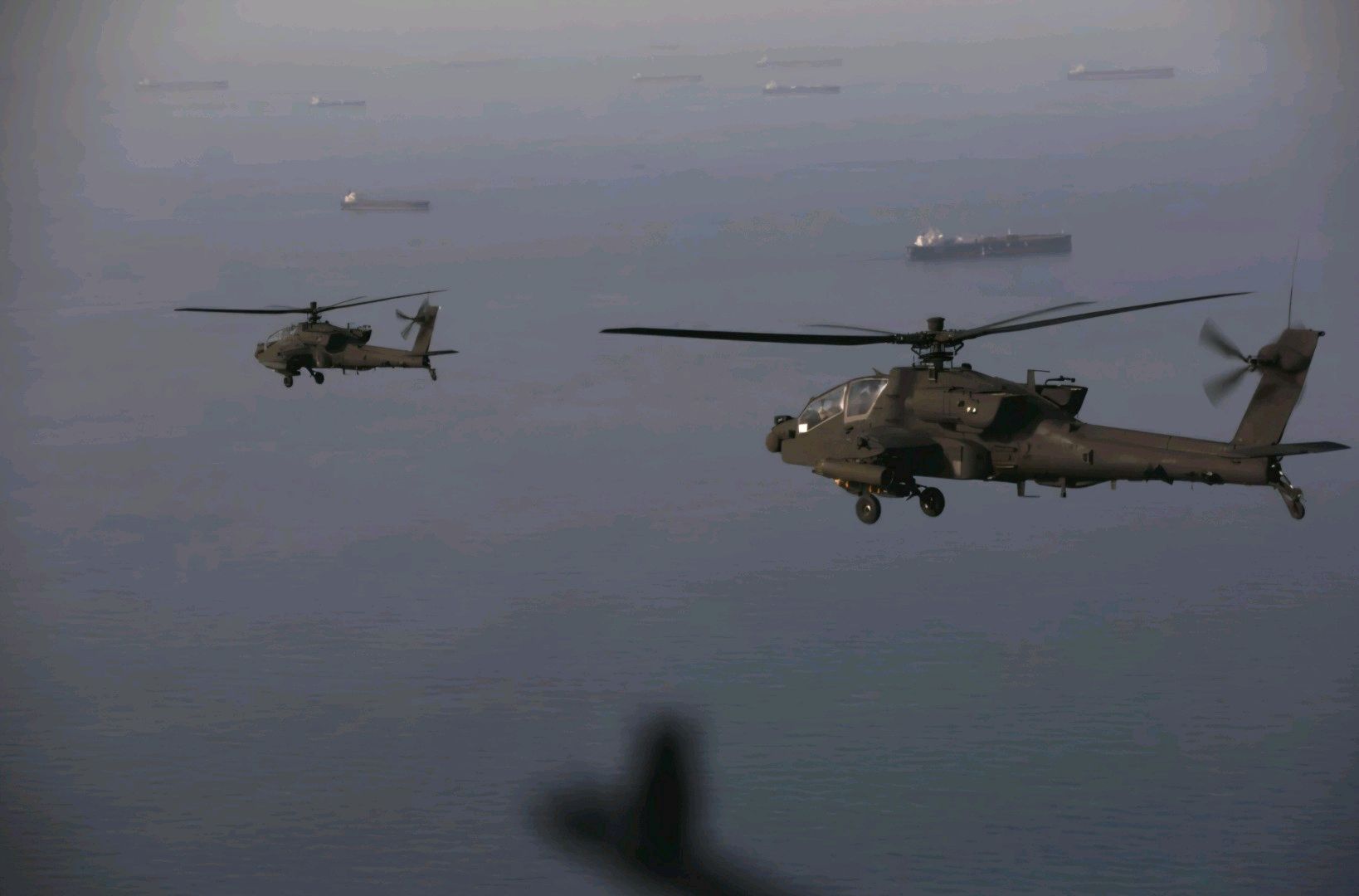
US Launches Project Freedom to Restore Navigation in Strait of Hormuz The United States began “Project Freedom” on May 4, 2026, a United States Central Command directed operation to restore navigation for commercial shipping through the Strait of Hormuz. Donald Trump announced the mission as a response to hundreds of neutral merchant vessels stranded during the 2026 Iran conflict. The strait, handling roughly a quarter of global seaborne oil trade along with fuel and fertilizer shipments, has been a flashpoint since February. Project Freedom uses a layered defense approach rather than simple escorts. Assets include guided missile destroyers, more than 100 aircraft, multi domain unmanned systems, and about 15,000 personnel. A U.S. led Joint Maritime Information Center established an enhanced security area near Oman, coordinating with regional authorities and providing real time routing guidance through a combined diplomatic and military framework. On its first day, two U.S. flagged merchant ships successfully transited under Navy protection. CENTCOM reported destroying several Iranian small boats and intercepting missiles and drones targeting shipping. Iran denied the claims, warned U.S. naval presence risks violating a fragile ceasefire, and asserted strikes on American warships, claims the Pentagon rejected, confirming no vessels were hit. The operation aims to ease pressure on global markets and assist stranded crews while maintaining the blockade on Iranian ports. Analysts note Iran retains fast attack boats and missile capabilities despite earlier losses. As of May 5, Project Freedom remains in early stages, with full reopening of the strait likely to take weeks or months depending on mine clearance and Iranian response. #BreakingNews #News #USNews #USA #America #Military #Defense

Curiosity Corner

Eternal Life: The Jellyfish That Reverses Its Own Life Cycle The tiny jellyfish Turritopsis dohrnii is one of the few organisms known to effectively escape permanent death, not by living forever in one form, but by repeatedly resetting its life cycle. Barely a few millimeters wide, it inhabits warm oceans worldwide, yet carries a biological capability that challenges the standard model of aging. Most animals move in a single direction: birth, growth, reproduction, decline, and death. This species can interrupt that process entirely. When stressed by injury, starvation, or environmental change, the adult jellyfish initiates a transformation driven by transdifferentiation. Its specialized cells revert and reorganize into different types, collapsing the organism into a cyst-like state before reforming as a polyp, the earlier juvenile stage of its life. From that polyp, new jellyfish bud off, genetically identical to the original. This process can begin within days under lab conditions, showing how rapidly the reset can occur. In controlled settings, this reversal has been observed multiple times in the same organism, meaning there is no fixed biological limit forcing death through aging. It can still die from predators or disease, but not from internal deterioration. In effect, it bypasses the gradual cellular damage that defines aging in most species. During the reversal phase, gene activity linked to stem-cell renewal and tissue regeneration sharply increases, effectively reprogramming mature cells into more primitive states. This makes Turritopsis dohrnii a rare case in which life does not strictly move forward. Instead, it loops, demonstrating that under certain genetic conditions, aging is not an unavoidable endpoint but a process that can, at least in one species, be reversed. #Biology #Science #ScienceNews #OceanLife #News #USNews

1776 Patriot

DARPA’s Nano Air Vehicle Program In February 2011, AeroVironment unveiled the world’s first fully operational, life-size, hummingbird-like flying machine for the Defense Advanced Research Projects Agency. Built under DARPA’s Nano Air Vehicle program, the tiny craft marked a milestone never before achieved. The handmade prototype weighs just 19 grams, or two-thirds of an ounce, including batteries, motors, communications gear, and a video camera. That is lighter than a common AA battery. Its wingspan stretches 16 centimeters, or 6.5 inches, tip to tip. Engineers could slip on a removable body fairing shaped exactly like a real hummingbird. The result looked so convincing that it was larger than an average hummingbird, yet smaller than the largest species found in nature. It flew using two flapping wings for both power and steering, with no tail or extra control surfaces. Under remote control, it climbed and descended vertically, slid left or right, raced forward and backward, and rotated clockwise or counterclockwise. It hovered precisely inside an imaginary two-meter-wide sphere for a full minute. It held steady in five-mile-per-hour side gusts, drifting less than one meter. It stayed aloft for eight straight minutes on its own batteries. Pilots pushed it to 11 miles per hour in forward flight, then eased it back into a perfect hover. They even flew it indoors while watching only the live video feed. The goal was simple yet bold: to give American forces eyes that could enter the tightest urban spaces without warning. It could outmaneuver wind, slip through doors, and relay crystal-clear video from places too dangerous for soldiers. The Hummingbird fulfilled its role as a technology demonstrator. It never entered mass production, but its breakthroughs in nanoscale power, control, and miniaturization lived on. AeroVironment drew directly from those advances to create the Snipe, a palm-launched nano quadrotor system. #Military #Spytek #News #USNews #USA #America

Brandon_Lee

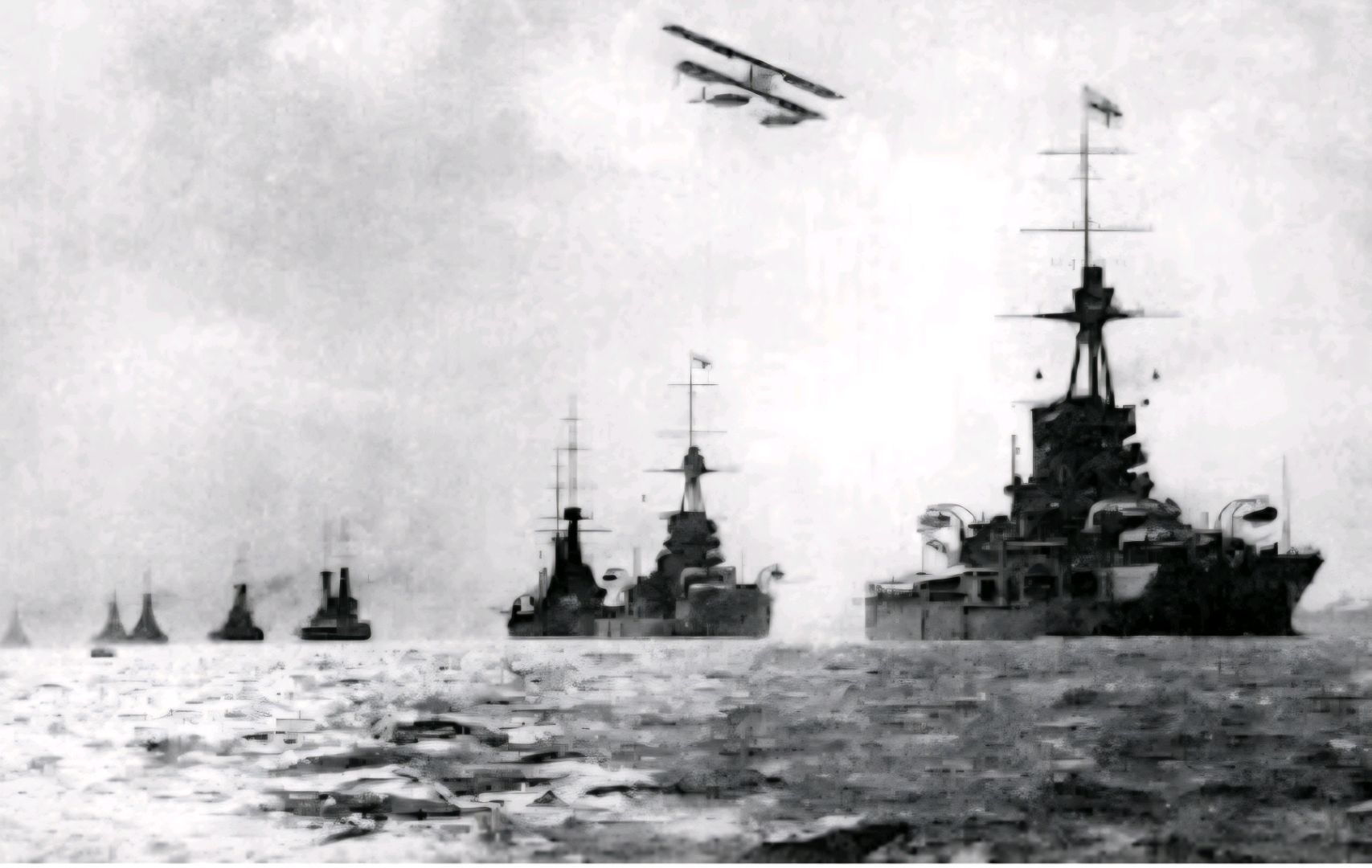
The Vanishing Fleet: Britain's Fading Sea Power For centuries, the sun never set on the British Empire because the Roval Navy ruled the waves. At its 1 9th-century zenith, Britain enforced a "Two-Power Standard," ensurind its fleet outmatched the next 2 largest navies. Today, that global colossus has shrunk to a "boutique" navy: advanced vet perilously thin on hulls and readiness The decline is stark. In 1914, the Royal Navy fielded over 600 ships, including 71 battleships. By the 1982 Falklands War, it mustered 2 carriers and 24 escorts. As of early 2026, the fleet has roughly 63 commissioned vessels. Yet core fighting power is far lower: just 13 to 15 major surface combatants, including 2-Queen Elizabeth-class carriers, 6-Type 45 destroyers, and 7-Type 23 frigates.Operational availability is grimmer. Doctrine calls for a "Rule of Three' (1 deployed, 1 training, 1 in maintenance) but reality is worse. Of 6-Type 45 destrovers, often only 2 or 3 are sea-ready amid engine upgrades. Of 6-Astute-class submarines, frequently only 1 is operational Usually just 1 carrier (such as HMS Prince of Wales on 5 davs' notice) is available Compare this to the U.S. Navy's 300 deplovable ships and 11-nuclear supercarriers. America's groups operate independently worldwide. Britain's 2-conventionally powered carriers often need U.S. or allied escorts. A single sustained deployment can exhaust the Roval Navy's reserves This hollowing stems from aging hulls recruitment shortfalls. and the nuclear deterrent's high cost. Sustaining 4-Vanquard-class submarines devours amassive budget share. New Type 26 and Type 31 frigates remain years away significant numbers not arriving until the 2030s). The Navy is a "construction-site' force in transition Unless urgent action reverses the hollowing. the once-unrivaled Ruler of the Waves risks slipping beneath history's surface as a noble but diminished ghost fleet #BreakingNews #News #USNews #USA #Military #America #USA #Veterans

1776 Patriot

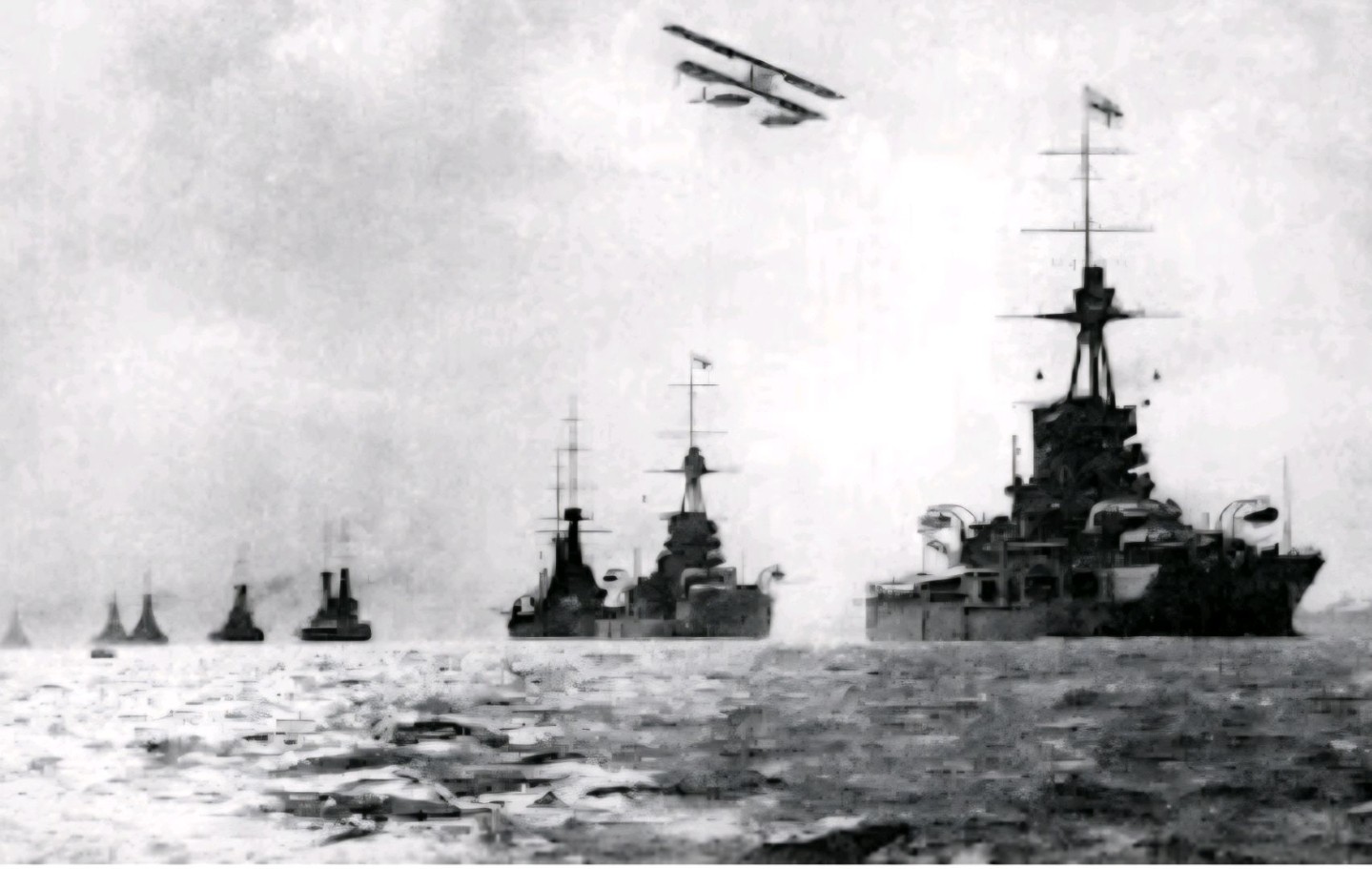
The Vanishing Fleet: Britain's Fading Sea Power For centuries, the sun never set on the British Empire because the Royal Navy ruled the waves. At its 19th-century zenith, Britain enforced a "Two-Power Standard," ensuring its fleet outmatched the next 2 largest navies. Today, that global colossus has shrunk to a "boutique" navy: advanced yet perilously thin on hulls and readiness. The decline is stark. In 1914, the Royal Navy fielded over 600 ships, including 71 battleships. By the 1982 Falklands War, it mustered 2 carriers and 24 escorts. As of early 2026, the fleet has roughly 63 commissioned vessels. Yet core fighting power is far lower: just 13 to 15 major surface combatants, including 2-Queen Elizabeth-class carriers, 6-Type 45 destroyers, and 7-Type 23 frigates. Operational availability is grimmer. Doctrine calls for a "Rule of Three" (1 deployed, 1 training, 1 in maintenance), but reality is worse. Of 6-Type 45 destroyers, often only 2 or 3 are sea-ready amid engine upgrades. Of 6-Astute-class submarines, frequently only 1 is operational. Usually just 1 carrier (such as HMS Prince of Wales on 5 days' notice) is available. Compare this to the U.S. Navy's 300 deployable ships and 11-nuclear supercarriers. America's groups operate independently worldwide. Britain's 2-conventionally powered carriers often need U.S. or allied escorts. A single sustained deployment can exhaust the Royal Navy's reserves. This hollowing stems from aging hulls, recruitment shortfalls, and the nuclear deterrent's high cost. Sustaining 4-Vanguard-class submarines devours a massive budget share. New Type 26 and Type 31 frigates remain years away (significant numbers not arriving until the 2030s). The Navy is a "construction-site" force in transition. Unless urgent action reverses the hollowing, the once-unrivaled Ruler of the Waves risks slipping beneath history’s surface as a noble but diminished ghost fleet. #BreakingNews #News #USNews #USA #Military #America #USA #Veterans

Alexander News Show

Experts issue warning over how Iran could launch attacks on US soil. A wave of new intelligence assessments has experts warning that Iran now has multiple pathways to strike inside the United States, from covert operatives to long‑range technology. Federal authorities say Tehran could rely on sleeper cells, lone‑wolf sympathizers, or even drone operations to retaliate against Washington as the U.S.–Iran conflict intensifies. --- Growing concern among security officials Counterterrorism analysts describe the moment as “all‑hands‑on‑deck”, noting Iran’s long history of using proxy networks and unconventional tactics. Former U.S. officials point to Iran’s expanding drone capabilities—already used more than 1,600 times against U.S. allies in the Middle East—as a warning sign of what could be attempted farther from the battlefield. At home, the FBI has quietly increased surveillance of suspected sleeper cells and Iran‑linked sympathizers, worried that the fallout from recent U.S.–Israel strikes could trigger retaliatory action on American soil. --- What’s driving the alarm - Retaliation risk is rising as U.S. military operations against Iran escalate. - Domestic vulnerabilities—from soft targets to cyber infrastructure—remain exposed. - Law enforcement warnings have already reached local agencies, including alerts about potential drone threats on the West Coast. --- The bottom line Experts say the threat is no longer theoretical. Iran has motive, capability, and networks that could be activated, and U.S. agencies are treating the possibility of an attack on American soil as a real and evolving danger. #Iran #Iranwar #Usnews #Alexandernewsshow.

1776 Patriot

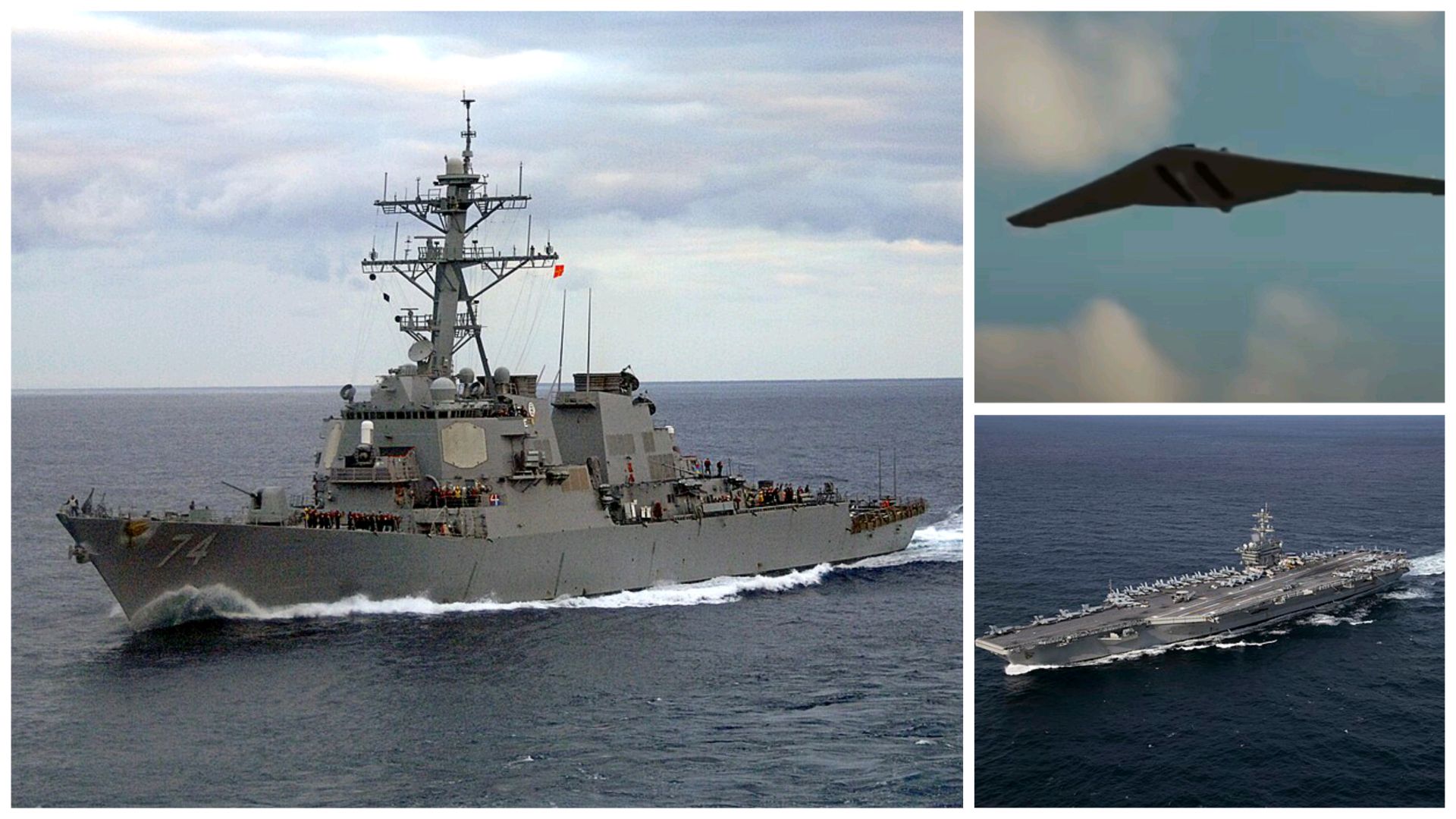
USS McFaul (Destroyer) and USS Lincoln (Aircraft Carrier) Down Iranian Drone, Repel Fast Boats, Protect Gulf Shipping According to the nonpartisan Institute for the Study of War, Iran entered 2026 on high alert, deploying hundreds of short- and medium-range ballistic missiles and dozens of Shahed-type UAVs across Iraq, Syria, and the Persian Gulf. Tehran claims it does not seek war with the U.S. or Israel, but these deployments signal its regional strike capability and willingness to escalate. On Feb. 3, 2026, the USS McFaul, a U.S. Navy Arleigh Burke-class guided-missile destroyer, intercepted a Shahed-191 UAV entering contested airspace using RIM-162 ESSM surface-to-air missiles, one of several drones Iran deployed near northern Persian Gulf shipping lanes. Later, two IRGC fast boats, each capable of speeds over 50 knots (58 mph) and armed with machine guns and small missiles, approached the U.S.-flagged tanker Stena Imperative in the Strait of Hormuz, a chokepoint 21 nautical miles wide at its narrowest point. The USS McFaul, coordinating with F‑35C fighter jets from the USS Lincoln, which arrived earlier this week to reinforce U.S. naval presence, escorted the tanker safely through the Strait, which carries roughly 20% of global oil shipments. ISW analysts note that these incidents show Iran’s continued use of UAVs and fast-attack craft to gather intelligence, test defenses, and signal resolve while avoiding large-scale escalation. Diplomatic efforts on regional de-escalation, maritime security, and proxy limits remain stalled. U.S. Secretary of State Marco Rubio said, “If the Iranians want to meet, we’re ready, but talks must include ballistic missiles, proxy support, and treatment of the Iranian people.” Iranian Foreign Minister Abbas Araghchi said, “We are prepared for negotiations respecting our sovereignty, but will not discuss our missile program.” Nuclear talks are scheduled for the end of the week. #BreakingNews #News #USNews #USA #Military #Defense

1776 Patriot

Massive Federal Fraud Revealed: $233–$521 Billion Lost Annually, Treasury Secretary Confirms, GAO Report On 4/16/2024, the non partisan Government Accountability Office released the first government wide fraud estimate covering all federal programs, including emergency relief. The report estimates $233–$521B lost annually, or 3%–7% of federal spending. The low end totals $1.1T over 5 years, while the high end exceeds the combined 5-year budgets of Education, Labor, Transportation, Homeland Security, Agriculture, and Interior, which total $1.815T. Losses come from identity theft, fake credentials, shell companies, phantom employees, and networks exploiting verification gaps. Treasury Secretary Scott Bessent said in 4/2024 federal fraud totals “about $600B a year.” The report was available on the GAO website. Agencies cannot verify income, jobs, or eligibility in real time, letting payments go through. Medicare and Medicaid, on GAO’s High Risk List, account for much of the fraud. Pandemic programs, including $1.9T stimulus and $600B economic support, were vulnerable as speed outpaced checks, allowing billions in improper payments. Only 10% of confirmed losses are recovered. Indirect costs like audits and enforcement add tens of billions annually. Better detection could save tens of billions yearly, roughly equal to NASA, EPA, and NSF combined ($46B). Public awareness remained low; GAO released the report online without a press conference. On 4/15–16/2024, pro Palestinian "Tax Day" protests blocked roads, bridges, and airports. Millions filed taxes; media focused elsewhere. On 4/17/2024, the Biden Administration issued a brief comment disputing aspects of the estimate. At the time, President Biden was the leading Democratic candidate; the report’s scale affected his campaign. On 1/10/2026, Secretary Bessent announced a plan to strengthen fraud detection and improve real time verification across federal programs. #Fraud #BreakingNews #News #USNews #USA #Economics

Alexander News Show

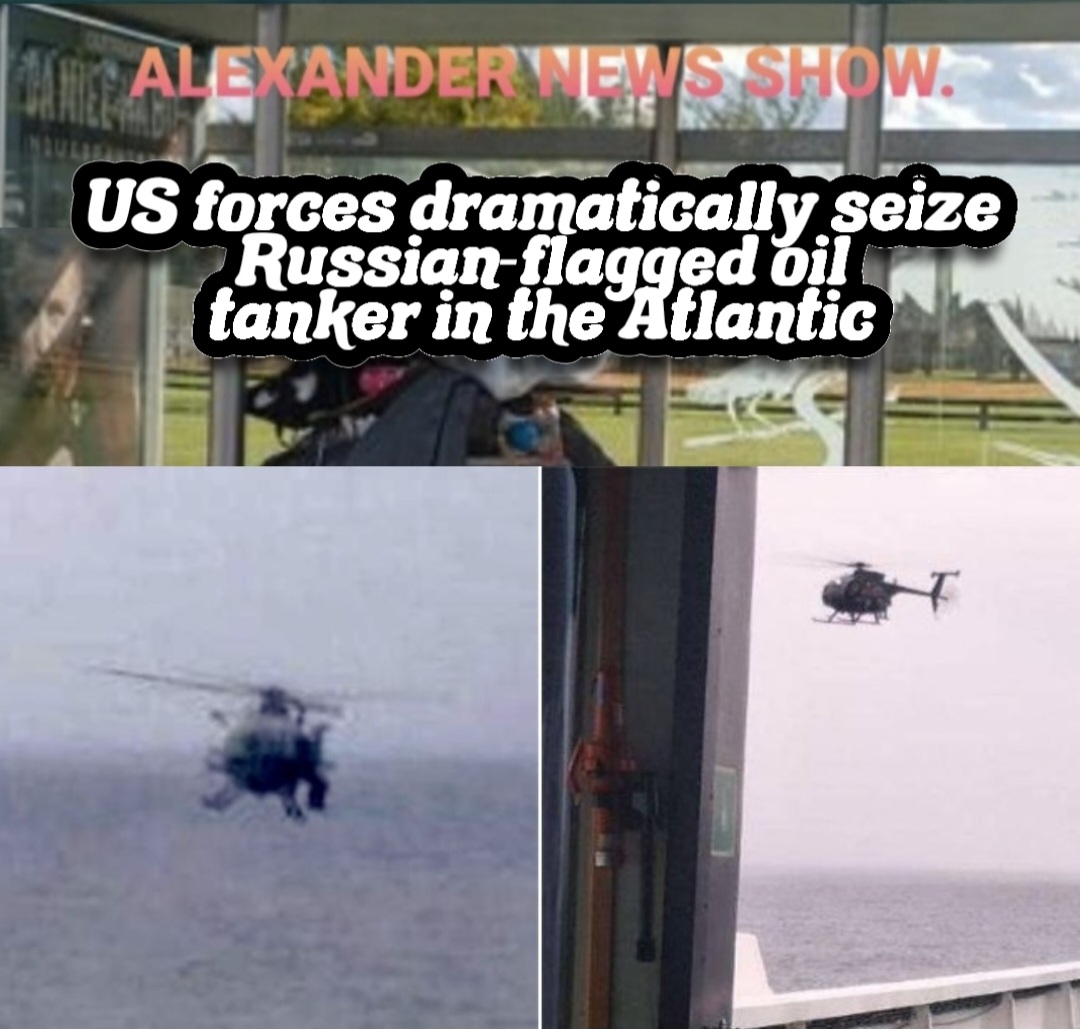
US forces dramatically seize Russian-flagged oil tanker in the Atlantic. US forces have seized a Russian‑flagged oil tanker, the Marinera, in a high‑stakes Atlantic operation after tracking it for more than two weeks, escalating tensions with both Moscow and Caracas. The tanker, formerly known as the Bella‑1, had been sanctioned for moving illicit Venezuelan oil and was reportedly shadowed by a Russian submarine during the pursuit. US Intercepts Sanctioned Tanker After Trans‑Atlantic Chase In a dramatic mid‑Atlantic operation, U.S. Coast Guard teams—supported by military assets—boarded and seized the Marinera between Iceland and the UK after the vessel attempted to evade a global blockade on sanctioned Venezuelan oil shipments. #Worldnews #Usnews #Maduro #Alexandernewsshow.

Daily News

Nicki Minaj Breaks Her Silence on Deportation Petition: “This Is My Home: Nicki Minaj has reportedly spoken out after a viral petition called for her deportation, leaving the global superstar heartbroken. Sources close to the rapper say she feels like her world is “crumbling,” after reading thousands of comments questioning her citizenship and place in America.“I’ve been a citizen for almost 10 years,” Nicki reportedly told those close to her. “I pay my taxes, raise my son here — how do you explain to a child that over 100,000 people want you gone?”Insiders describe her current state as one of deep sadness rather than anger. They say America has been her home since childhood, and that the backlash feels like a betrayal to someone who’s given so much to her fans and the culture. Story By Donnell Ballard #NickiMinaj #BreakingNews #CelebrityUpdate #NachoBlog9ja #USNews #Entertainment

Tag: USNews | LocalAll