Tag Page USHIstory

#USHIstory
THE LATE NIGHT_PODCAST

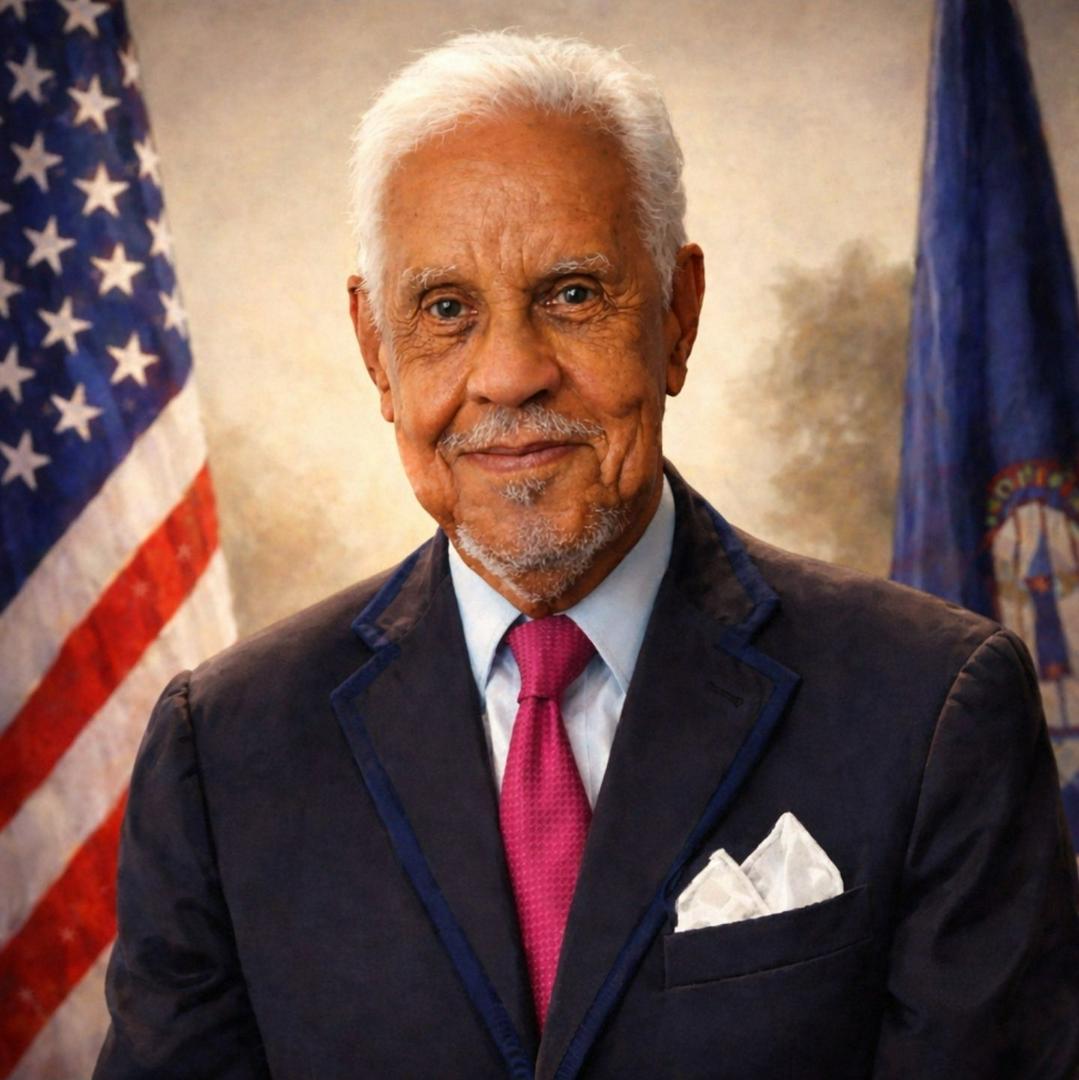
On January 13, 1990, L. Douglas Wilder was sworn in as governor of Virginia, becoming the first African American ever elected governor of anv U.S. state. That moment did not arrive wrapped in celebration alone. It arrived heavy with history, expectation, and the quiet understanding that something permanent had iust shifted Virginia was not a neutral stage. It was a former capital of the Confederacy, a state shaped by laws and customs desianed to keep power narrowly held. Wilder did not inherit that history. He confronted it directly by winning. No appointment. No workaround. Just votes, counted ano certified, placing him in an office that had never before been occupied by someone who looked like him The significance of that day stretched far bevond Richmond. Wilder's inauguration challenged a long-standing assumptionabout who could govern at the highest evels of state power. It forced institutions to reconcile with the fact that progress was no longer theoretical. It was sworn in standing at the podium, ready to lead, Being first came with scrutiny. Every decision carried svmbolic weight. Every misstep risked being treated as confirmation rather than context. Yet Wilder governed with precision and restraint focusing on fiscal responsibility, education, and public safety, refusing to perform nistory instead of making it January 13, 1990 stands as a reminder that progress does not always arrive loudly Sometimes it arrives formally constitutionally, and undeniably. A door once closed did not creak open. It swung, and it staved that way #OnThisDay #January13 #USHistory #PoliticalHistorv #VirainiaHistorv

Abraham Lincoln

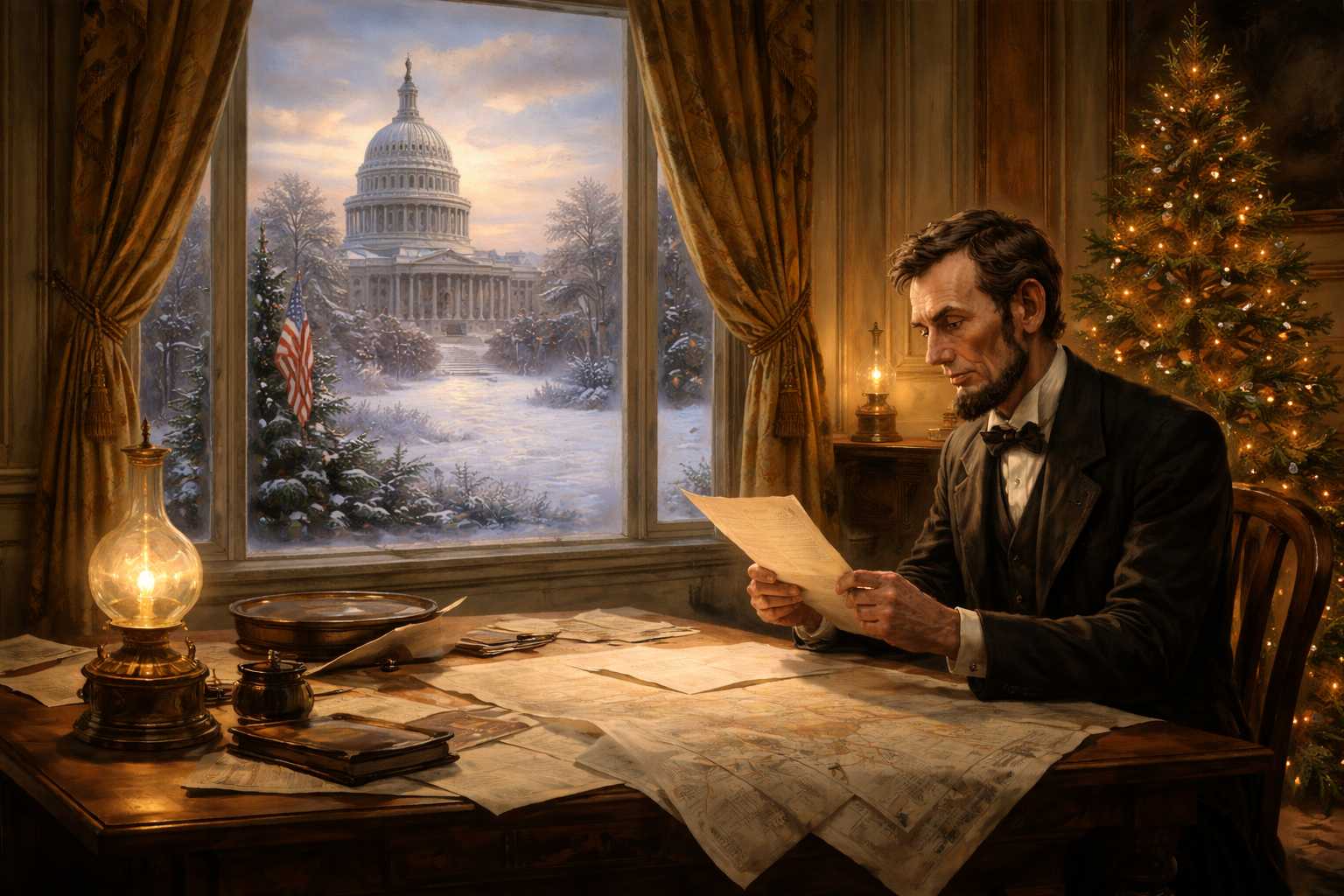
I Have Received Sherman’s Christmas Gift of Savannah, Georgia In December of 1864, I have witnessed our nation wearied by four years of civil strife, our cities scarred, our families divided, and more than 620,000 of our brave soldiers killed or wounded. Amid this hardship, I received a telegram from General William Tecumseh Sherman, reporting the capture of Savannah, Georgia, following his arduous March to the Sea. He writes: “I beg to present you, as a Christmas gift, the city of Savannah, with 150 heavy guns and plenty of ammunition, and also about 25,000 bales of cotton.” It is a gift wrought not in festivity but in labor, strategy, and courage, a symbol of progress toward preserving the Union. I responded on December 26, expressing both gratitude and recognition: “Many, many thanks for your Christmas gift — the capture of Savannah… the honor is all yours. Please make my grateful acknowledgments to your whole army, officers and men.” In these words, I sought to honor the shared sacrifice and steadfast devotion of soldiers who endured hardships beyond measure to bring the war closer to its conclusion. By this time, I have seen Sherman's campaign cut a path through Georgia nearly three hundred miles long, severing Confederate supply lines and weakening the morale of their forces. The capture of Savannah provides me with the knowledge that the Union now holds a crucial port and immense stores of material that will support further operations. I recognize that this demonstrates the effectiveness of total war as a strategy and signals to our nation and to the world that our cause, though costly, advances steadily toward restoration. At a time when I have felt the nation teeter between despair and renewal, Sherman's Christmas gift is not merely a military triumph but a symbol of perseverance, a testament to the resilience of our people, and a reflection that even in the darkest hours, the work of preserving our Union endures. #Savannah #CivilWar #Lincoln #USHistory

1776 Patriot

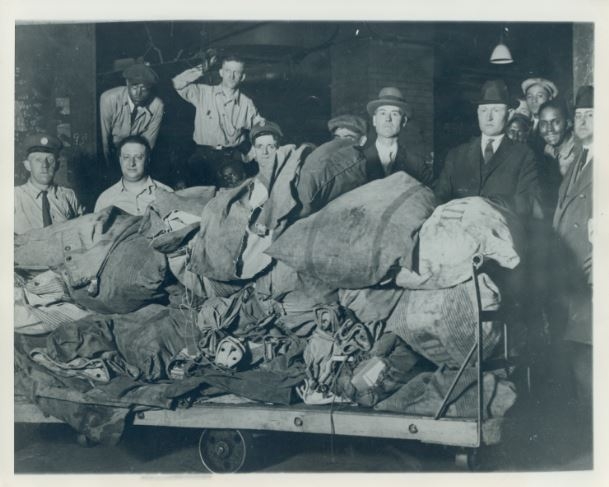
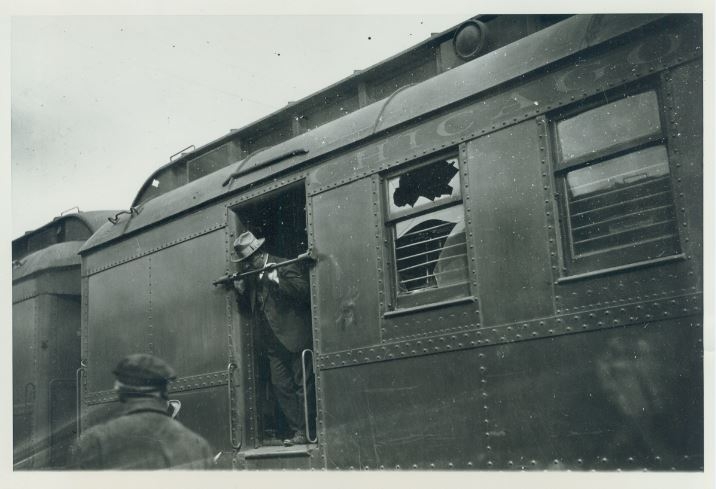
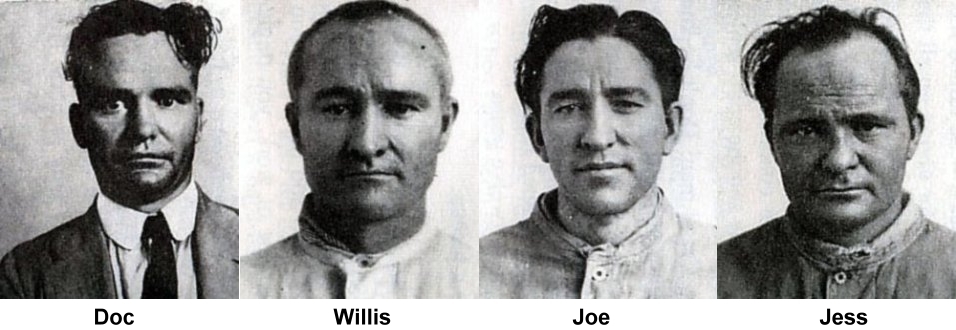
The 1924 Rondout Train Robbery: Largest Train Heist in American History The 1924 Rondout train robbery is the largest and most lucrative train heist in United States history. On June 12, 1924, a mail train operated by the Chicago Milwaukee St Paul and Pacific Railroad, called the Fast Mail, was stopped near Rondout Illinois, 30 miles north of Chicago. Six criminals carried out the robbery using inside knowledge from corrupt United States Postal Inspector William J Fahy, later convicted. Fahy knew train schedules, mail car layouts, and security procedures, enabling the robbery. The gang was led by brothers Willis, Jess, and Doc Newton of the Newton Gang. Willis and Doc boarded the northbound train leaving Chicago, forcing the engineer and fireman at gunpoint to stop near Rondout where four accomplices waited in automobiles. The robbers confronted crew and mail clerks using weapons and 12 tear gas smoke bombs to force compliance. They removed 45 mail sacks containing $2,137,000 in cash, money orders, securities, and valuables, equivalent to roughly $38,000,000 today. Each sack contained thousands of items including registered letters, small gold shipments, business payrolls, and government bonds. The gang had maps of train routes and schedules, allowing them to know exactly where to stop the train for the ambush. A critical error occurred when the engineer stopped 400 feet past the planned ambush point, causing confusion. During the chaos, Doc Newton was shot 5 times by a fellow conspirator and critically wounded. Doc fled to a Chicago residence, drawing suspicion. Authorities quickly identified three gang members and Fahy, revealing the inside job. Fahy received a 25-year federal prison sentence, the only Postal Inspector convicted of mail theft. Authorities recovered most stolen funds, but some items, including rare securities and cash, were never found. A simple bronze marker now marks the exact spot of America’s greatest train heist. #USHistory #History #USA

You've reached the end!
Tag: USHIstory - Page 8 | LocalAll