30 Lives Saved, 9 Lost: Remembering The Charleston 9
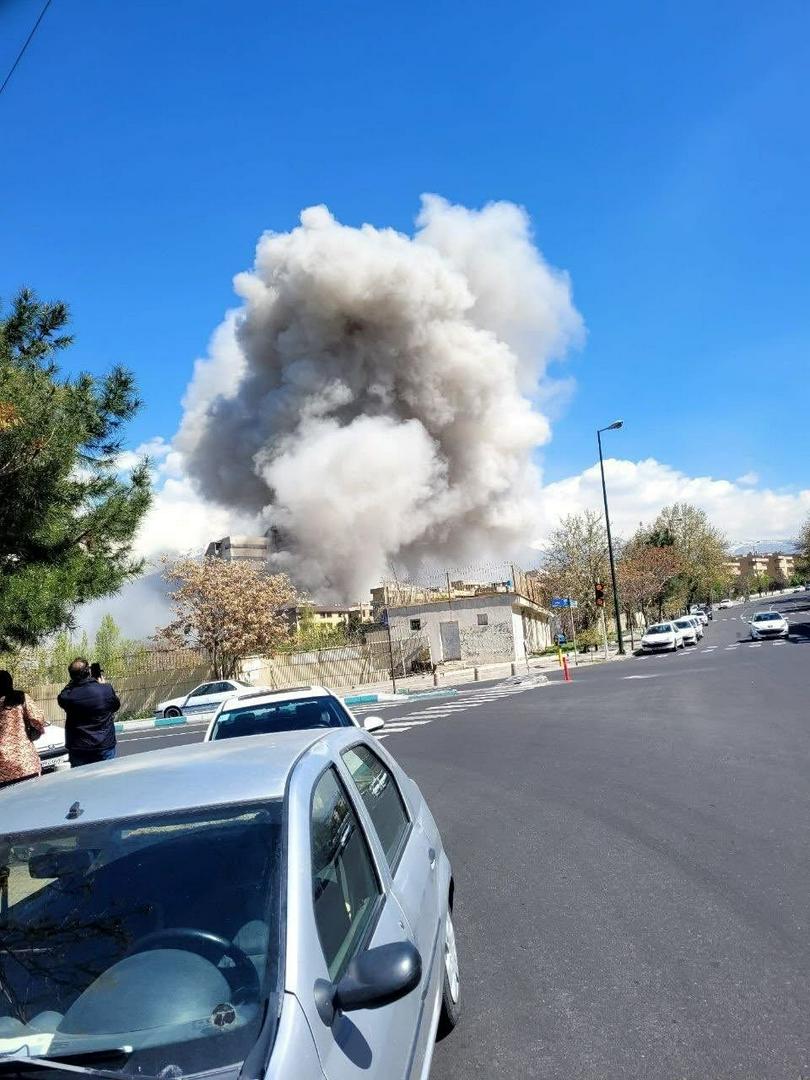
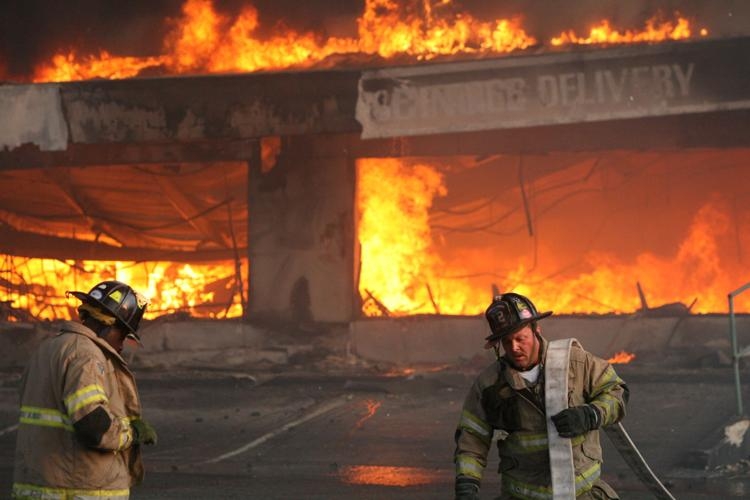
On the evening of June 18, 2007, a massive blaze erupted at the Sofa Super Store on North Rhett Avenue in Charleston, South Carolina. Within minutes, the fire engulfed more than 100,000 square feet of showroom and warehouse space. Thick black smoke and flames spread rapidly through stacks of furniture, creating one of the deadliest structural fires in U.S. history.
Charleston Fire Department crews responded immediately. Among them was Captain Louis Mulkey, a 35-year veteran known for his calm leadership. As temperatures near the roof climbed above 1300°F, Mulkey and his team entered the building to search for civilians believed trapped inside. Despite rapidly deteriorating conditions and weakening structural integrity, they pushed deeper into the showroom.
More than 80 firefighters entered the structure that night. Around 10:15 p.m., a sudden ceiling collapse trapped several firefighters. Mulkey was among those killed when a large section of the roof gave way. In total, nine Charleston firefighters lost their lives and 55 were injured.
Before the collapse, crews helped evacuate an estimated 30 civilians. One survivor later said, “They were the last ones in and the last ones looking for people. They never quit on us.”
Investigators later found that fire growth was underestimated and visibility had dropped to near zero. Data from the National Institute of Standards and Technology showed survival time in such conditions can drop by up to 80% in under 3 minutes without fresh air. The tragedy led to nationwide safety reforms, including improved air monitoring and structural risk assessment. Departments adopting these improvements saw a 30% reduction in injury rates in similar fires.
Today, the fallen are honored at the "Charleston 9" Memorial Park, where their sacrifice continues to guide future generations of first responders.
#HeroStories #America #USA #History #USA #Firefighters