Tag Page SportsHistory

#SportsHistory
LataraSpeaksTruth

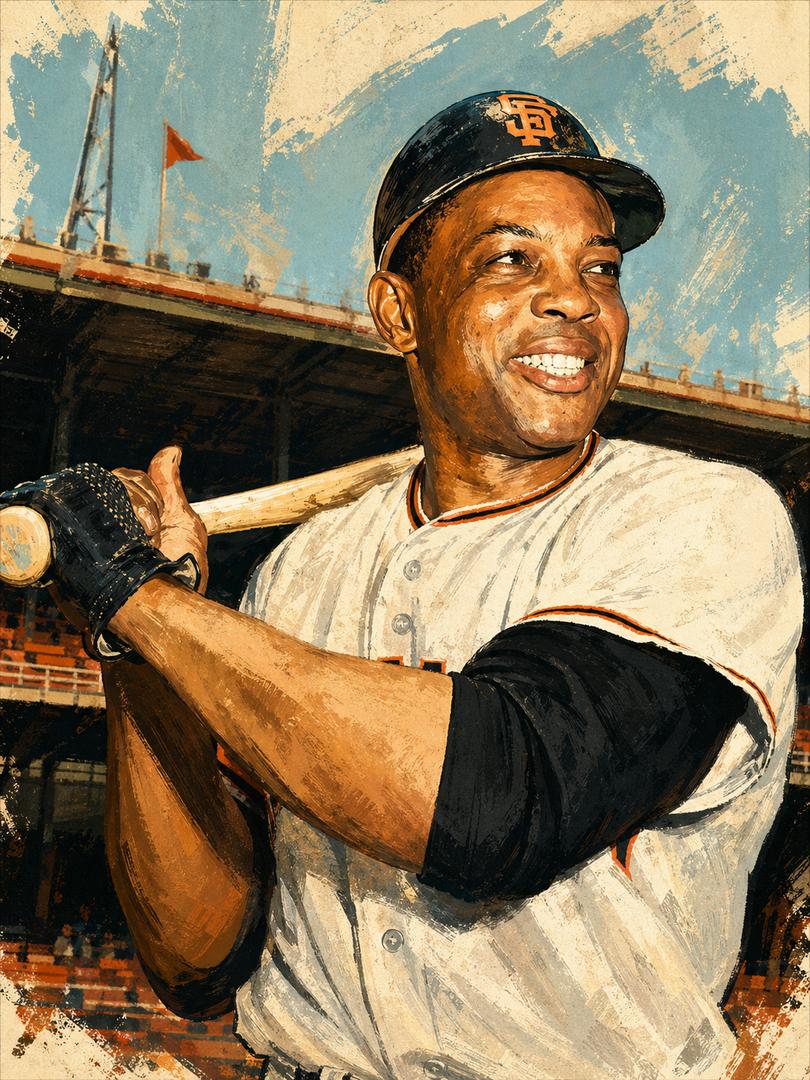
On May 4, 1966, Willie Mays added another historic line to one of baseball’s greatest careers. At Candlestick Park in San Francisco, Mays hit the 512th home run of his career against the Los Angeles Dodgers, breaking Mel Ott’s long-standing National League home run record. Ott, another Giants legend, had held the mark with 511 career home runs. Mays did not just tie history. He moved past it. The home run came in the fifth inning off Dodgers pitcher Claude Osteen during a 6-1 Giants victory. It was a fitting moment in franchise history. Ott had built his Hall of Fame career with the New York Giants, and Mays began his own career with that same franchise before it moved west to San Francisco. By 1966, Mays had already shown he could do almost everything on a baseball field. He could hit for power, run with speed, defend center field with brilliance, and change a game with one swing or one catch. His famous over-the-shoulder catch in the 1954 World Series had already become one of the sport’s most iconic images. But this moment showed something different. It showed endurance. It showed consistency. It showed how long Mays had remained dangerous at the plate. Records like this are not built in one season. They come from years of production, pressure, and excellence. Mays would go on to finish his career with 660 home runs, placing him among the greatest power hitters in Major League Baseball history. But on May 4, 1966, the focus was clear. He had passed Mel Ott and became the National League’s all-time home run leader. Willie Mays was not just remembered because he was exciting to watch. He was remembered because the record book had to make room for him. And when history placed a number beside his name, he kept swinging. #WillieMays #BaseballHistory #SportsHistory #SanFranciscoGiants #BlackHistory

LataraSpeaksTruth

Today marks the birthday of Hakeem Olajuwon, born January 21, 1963, in Lagos, Nigeria, a man whose greatness was never rushed, never noisy, and never accidental. His journey to basketball legend status did not begin with hype or privilege. He did not even start playing organized basketball until his teenage years. What he brought instead was discipline, patience, and a relentless commitment to mastering his craft. Standing seven feet tall with the footwork of a trained dancer, Olajuwon redefined what it meant to be a center in the NBA. At a time when size often meant stiffness, he moved with grace, balance, and intelligence. His signature Dream Shake became one of the most unguardable moves in basketball history and remains studied decades later. It was not flash for attention. It was precision built through repetition. During the 1990s, Olajuwon led the Houston Rockets to two NBA championships, earning league MVP, Finals MVP, and Defensive Player of the Year honors along the way. He remains the only player in NBA history to win MVP, Defensive Player of the Year, and Finals MVP in the same season. Yet what truly set him apart was not the trophies. It was his restraint, his humility, and his refusal to chase the spotlight. Olajuwon represents something deeper than accolades. An immigrant story rooted in faith, discipline, and quiet excellence. Younger stars later sought him out to learn, not because he demanded reverence, but because mastery recognizes mastery. His legacy is not loud, but it is permanent. On his birthday, Hakeem Olajuwon stands as proof that greatness does not need marketing. It needs work. #HakeemOlajuwon #NBAHistory #BasketballLegends #OnThisDay #SportsHistory #HoustonRockets #HallOfFame #January21
LataraSpeaksTruth

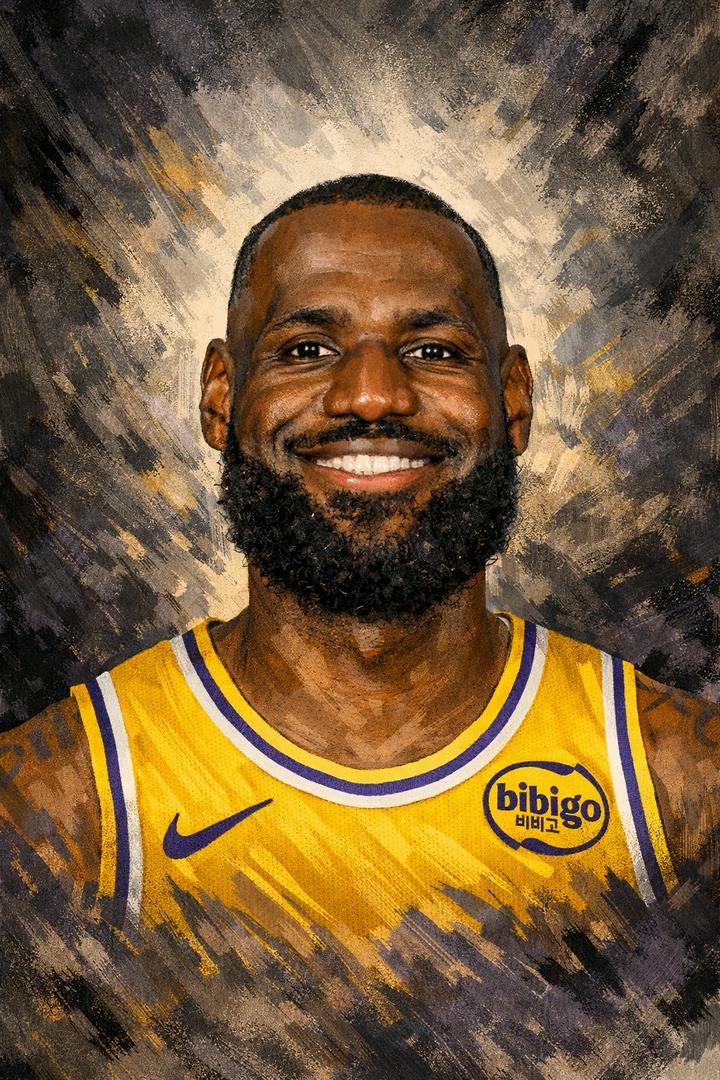
On December 30, 1984, LeBron James was born in Akron, Ohio. From the start, his life unfolded under circumstances that rarely produce global icons. Raised by a single mother and shaped by instability, his path was never guaranteed. What followed was not luck, but discipline, visibility, and relentless consistency. By the time he entered the NBA in 2003, LeBron carried expectations rarely placed on a teenage athlete. He was not simply projected to be great. He was expected to alter the trajectory of a league. Over two decades later, he has done exactly that. Four NBA championships. Four MVP awards. The NBA’s all-time leading scorer. Sustained excellence across eras, teams, and styles of play. LeBron’s impact extends well beyond the court. He has used his platform to invest in education, community development, and athlete empowerment. The I PROMISE School, his advocacy for player agency, and his business ventures reflect a career built on longevity and intention, not momentary dominance. December 30 marks more than a birthday. It marks the arrival of an athlete who redefined what endurance looks like in professional sports. In a league designed to cycle stars in and out, LeBron James remains present, productive, and relevant. That is not coincidence. That is legacy, still being built. #LeBronJames #NBAHistory #OnThisDay #BornToday #BasketballHistory #SportsHistory #AthleteLegacy #ProfessionalSports #NBA #Cleveland #AkronOhio

LataraSpeaksTruth

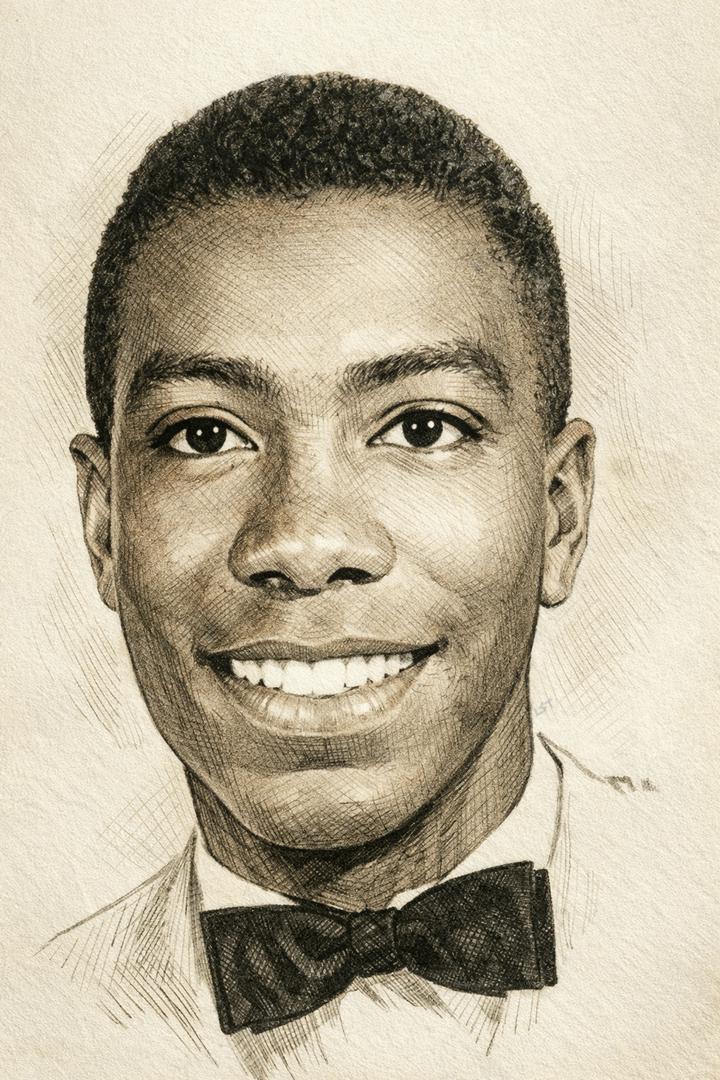
Some names get remembered because they were loud. Coach Carlyle Whitelow should be remembered because he stayed steady. Born Sept. 6, 1932, Whitelow grew up around Bridgewater College. His parents worked in campus dining, and as a kid he spent time on those grounds while they worked. In 1955, he enrolled at Bridgewater and became the first Black student to complete four years of study there. He was also the first Black student-athlete to compete in intercollegiate athletics at the college, and is recognized as the first Black athlete in Virginia to compete at a predominantly white college. That took more than talent. That took nerve, dignity, and a backbone that did not bend. After earning his physical education degree in 1959, he taught in public schools, including in Staunton, then returned to Bridgewater in 1969 as the college’s first Black faculty member. For 28 years, he coached and taught, including football, basketball, and tennis. In 1979, he was named ODAC men’s tennis coach of the year. He coached Bridgewater’s first ODAC men’s tennis player of the year and helped guide the program’s first NCAA men’s tennis tournament participant. Bridgewater inducted him into its Athletics Hall of Fame in 2001. People who knew him did not just talk about wins. They talked about character. The kind of coach who showed up, stayed consistent, and made you better without needing credit for it. Whitelow passed away Oct. 15, 2021. In 2025, he was inducted into the inaugural ODAC Hall of Fame, a fitting honor for a man who opened doors others could walk through. Thank you to my follower and friend I.R. Bama for putting his name on my radar. This legacy deserves more light. #BridgewaterCollege #ODAC #CollegeSports #Tennis #Coaching #SportsHistory #VirginiaHistory #BlackHistory #HiddenFigures #Legacy #HallOfFame

You've reached the end!