Tag Page SportsHistory

#SportsHistory
LataraSpeaksTruth

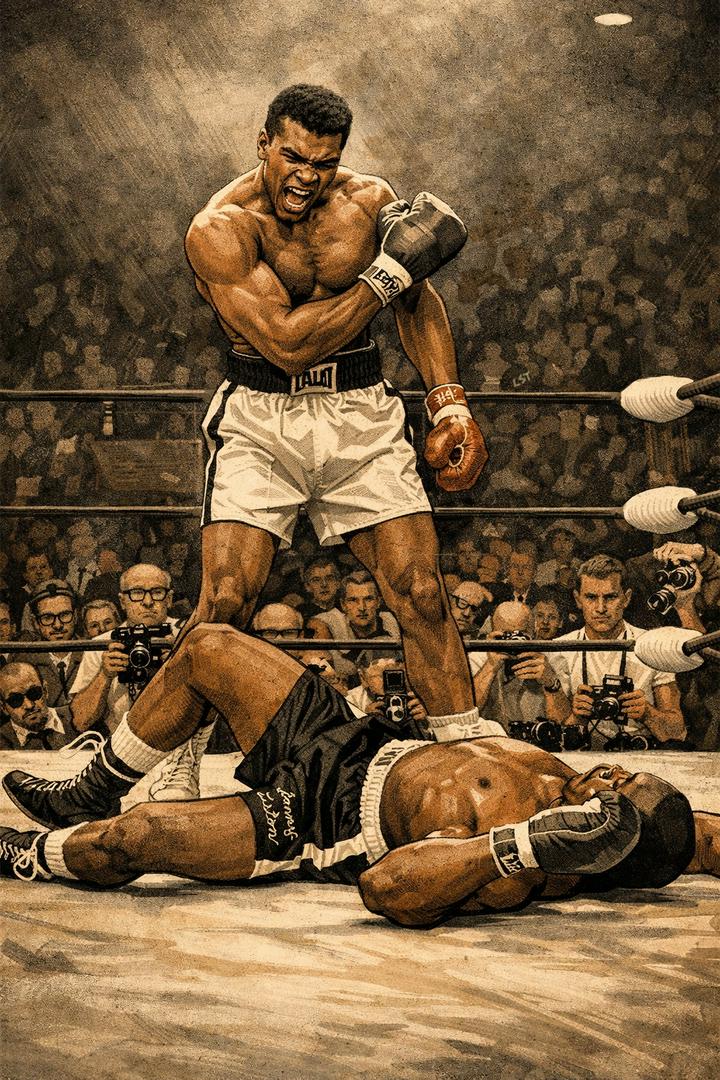
Happy Heavenly Birthday to Muhammad Ali. Born January 17, 1942, in Louisville, Kentucky, Muhammad Ali entered the world as Cassius Marcellus Clay Jr., but he would leave it as something much larger than a champion. He was a man who understood that greatness meant more than titles, belts, or applause. It meant conviction. Inside the ring, Ali redefined what a heavyweight could be. He moved with speed that defied expectation, spoke with confidence that rattled opponents, and fought with a style that changed boxing forever. Three time heavyweight champion. Olympic gold medalist. The numbers alone secure his legacy, but they were never the point. Outside the ring, Ali carried a heavier fight. He spoke openly against racism. He refused to be silent when silence was safer. When he declined military induction during the Vietnam War, he lost his title, his income, and years of his prime. He did not lose his principles. History eventually caught up and understood what he was really saying. Ali showed the world that faith, identity, and self respect were not weaknesses. He showed Black America that confidence was not arrogance when it was rooted in truth. He showed young people that your voice matters even when it costs you something. In later years, Parkinson’s disease slowed his body but never touched his spirit. His quiet strength, humility, and grace became just as powerful as his punches once were. He stood as a symbol of resilience, dignity, and courage until the end. Today, on his birthday, we honor not just the fighter, but the man. The thinker. The believer. The disruptor. The legend. #MuhammadAli #HappyHeavenlyBirthday #TheGreatest #BlackHistory #SportsHistory #CulturalIcon #FaithAndConviction #LouisvilleLegend
LataraSpeaksTruth

On December 30, 1984, LeBron James was born in Akron, Ohio. From the start, his life unfolded under circumstances that rarely produce global icons. Raised by a single mother and shaped by instability, his path was never guaranteed. What followed was not luck, but discipline, visibility, and relentless consistency. By the time he entered the NBA in 2003, LeBron carried expectations rarely placed on a teenage athlete. He was not simply projected to be great. He was expected to alter the trajectory of a league. Over two decades later, he has done exactly that. Four NBA championships. Four MVP awards. The NBA’s all-time leading scorer. Sustained excellence across eras, teams, and styles of play. LeBron’s impact extends well beyond the court. He has used his platform to invest in education, community development, and athlete empowerment. The I PROMISE School, his advocacy for player agency, and his business ventures reflect a career built on longevity and intention, not momentary dominance. December 30 marks more than a birthday. It marks the arrival of an athlete who redefined what endurance looks like in professional sports. In a league designed to cycle stars in and out, LeBron James remains present, productive, and relevant. That is not coincidence. That is legacy, still being built. #LeBronJames #NBAHistory #OnThisDay #BornToday #BasketballHistory #SportsHistory #AthleteLegacy #ProfessionalSports #NBA #Cleveland #AkronOhio

LataraSpeaksTruth

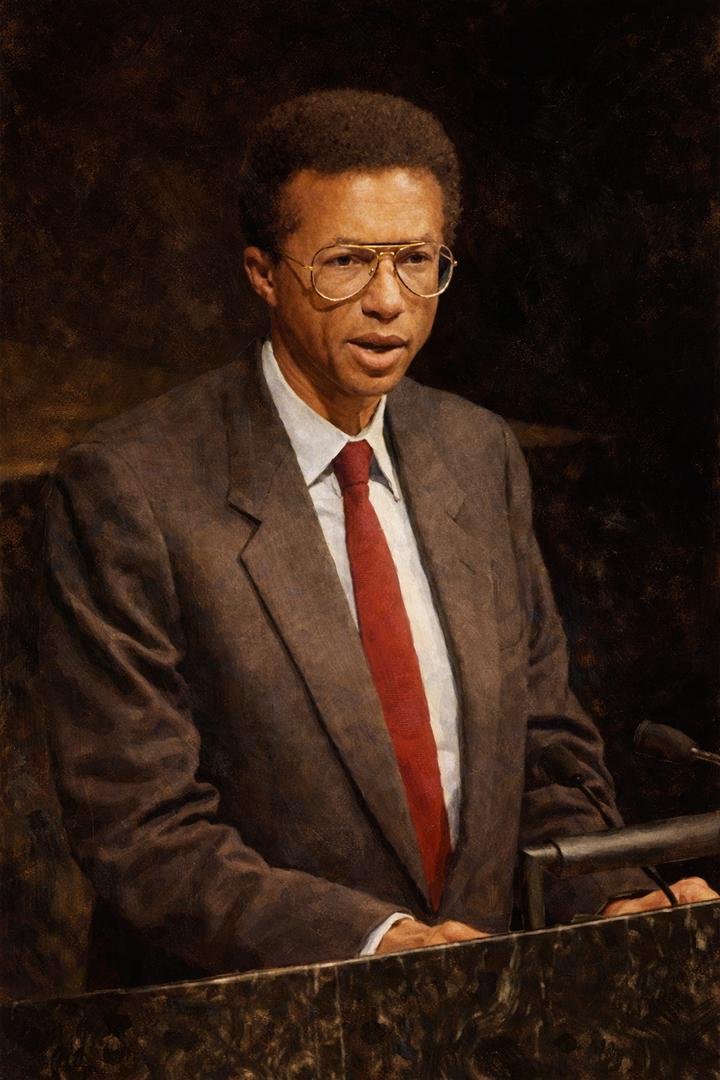
On January 28, 1970, tennis star Arthur Ashe was denied entry to compete in the South African Open after being selected for the U.S. team. The denial was not about his talent. It was about his voice. Ashe had been outspoken in his opposition to South Africa’s apartheid system, openly criticizing racial segregation and inequality. South African officials refused to grant him a visa, making it clear that his stance, not his skill, was the issue. This moment exposed how deeply politics and discrimination were woven into international sports. At the time, Ashe had not yet become the first Black man to win Wimbledon, a milestone he would achieve in 1975. But this denial marked him as more than an athlete. It positioned him as a global figure willing to sacrifice opportunity for principle. Ashe continued to advocate for human rights throughout his life, using his platform to address injustice both on and off the court. His exclusion in 1970 stands as evidence that progress often comes with a cost, especially for those who refuse to stay silent. Arthur Ashe’s legacy is not only measured in trophies, but in courage. #January28 #ArthurAshe #SportsHistory #AthleteActivism #GlobalHistory #PrincipleOverComfort #Legacy

LataraSpeaksTruth

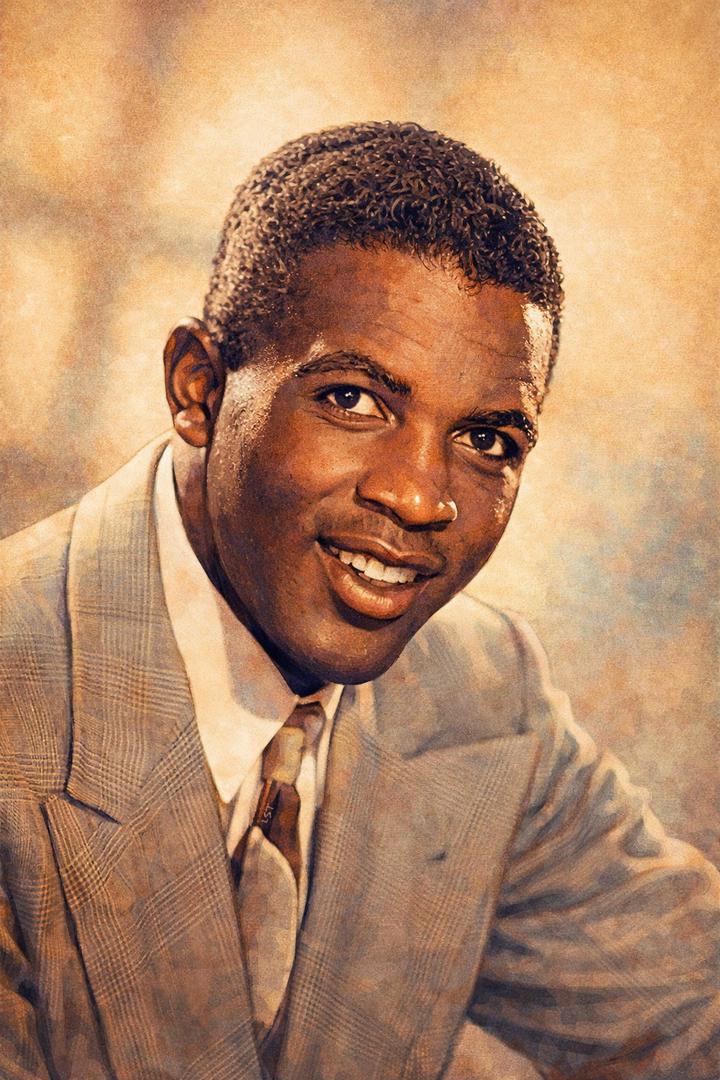
On January 23, 1962, Jackie Robinson was elected to the National Baseball Hall of Fame, becoming the first Black player ever inducted. The announcement marked more than a personal achievement…it was institutional acknowledgment of a man who changed the structure of American sports and forced the nation to confront itself. Robinson’s career with the Brooklyn Dodgers lasted just ten seasons, but its impact was permanent. When he broke Major League Baseball’s color barrier in 1947, he entered a league that was not prepared to accept him and often hostile toward his presence. He endured abuse from fans, opposing players, and even teammates, while being expected to respond with restraint, discipline, and excellence. He did all three. On the field, Robinson was relentless. Rookie of the Year. Six-time All-Star. National League MVP. World Series champion. But statistics alone cannot explain why his election mattered. Robinson represented a shift in who was allowed to belong, who could lead, and who could be honored by America’s most guarded institutions. His Hall of Fame election came while he was still alive, still outspoken, and still pushing for civil and economic equality beyond baseball. It was not a sentimental gesture…it was a recognition that the game itself had been transformed by his courage. Cooperstown could no longer tell its story honestly without him. Jackie Robinson did not just open a door. He stood in the doorway long enough for others to walk through, even when the cost was high. History remembers January 23, 1962 as the moment baseball formally admitted what the world already knew…the game would never be the same. #JackieRobinson #OnThisDate #BaseballHistory #HallOfFame #SportsHistory #AmericanHistory #Legacy #HistoryMatters

LataraSpeaksTruth

Today marks the birthday of Hakeem Olajuwon, born January 21, 1963, in Lagos, Nigeria, a man whose greatness was never rushed, never noisy, and never accidental. His journey to basketball legend status did not begin with hype or privilege. He did not even start playing organized basketball until his teenage years. What he brought instead was discipline, patience, and a relentless commitment to mastering his craft. Standing seven feet tall with the footwork of a trained dancer, Olajuwon redefined what it meant to be a center in the NBA. At a time when size often meant stiffness, he moved with grace, balance, and intelligence. His signature Dream Shake became one of the most unguardable moves in basketball history and remains studied decades later. It was not flash for attention. It was precision built through repetition. During the 1990s, Olajuwon led the Houston Rockets to two NBA championships, earning league MVP, Finals MVP, and Defensive Player of the Year honors along the way. He remains the only player in NBA history to win MVP, Defensive Player of the Year, and Finals MVP in the same season. Yet what truly set him apart was not the trophies. It was his restraint, his humility, and his refusal to chase the spotlight. Olajuwon represents something deeper than accolades. An immigrant story rooted in faith, discipline, and quiet excellence. Younger stars later sought him out to learn, not because he demanded reverence, but because mastery recognizes mastery. His legacy is not loud, but it is permanent. On his birthday, Hakeem Olajuwon stands as proof that greatness does not need marketing. It needs work. #HakeemOlajuwon #NBAHistory #BasketballLegends #OnThisDay #SportsHistory #HoustonRockets #HallOfFame #January21

LataraSpeaksTruth

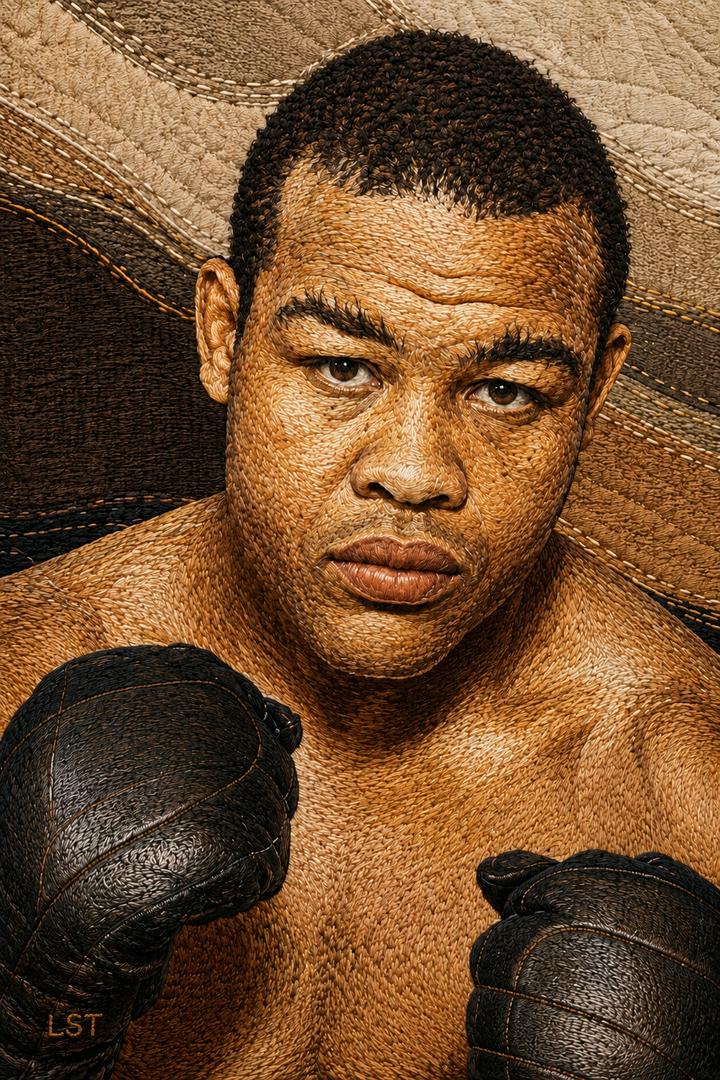
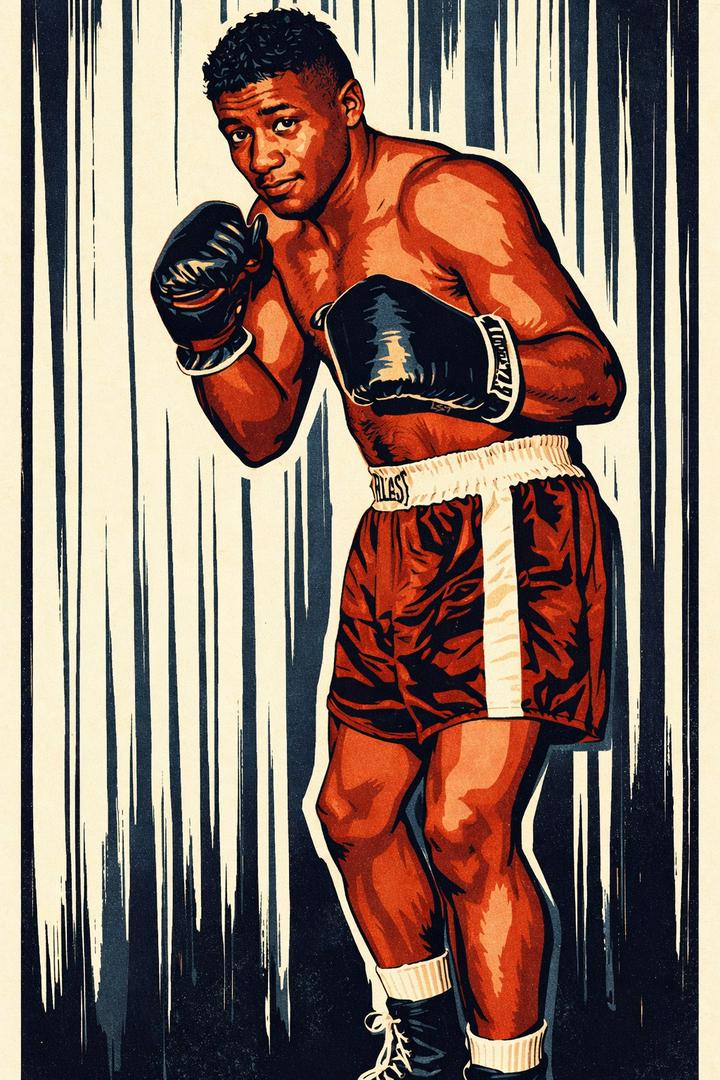
January 4 marks the birth of Floyd Patterson, born January 4, 1935, a champion whose legacy is often quieter than it deserves to be. Patterson rose from a troubled childhood to become the youngest heavyweight champion in boxing history at just 21 years old, a record that stood for decades. He wasn’t loud, cruel, or theatrical. He fought with precision, speed, and discipline, representing an older tradition of boxing rooted in craft rather than spectacle. In a sport that rewarded intimidation, Patterson carried himself with humility, which made him both admired and misunderstood. His career is often framed around his losses to Sonny Liston, but that framing misses the larger truth. Patterson became the first heavyweight champion in history to lose the title and later reclaim it, a feat that required resilience most champions never have to test. Outside the ring, he was thoughtful and deeply affected by criticism, yet he continued to fight, train, and show up anyway. Floyd Patterson proved that strength does not always announce itself and that greatness does not require cruelty to be real. January 4 is not empty history. It belongs to a man who showed that dignity could survive even in the most unforgiving arena. #January4 #OnThisDay #FloydPatterson #BoxingHistory #HeavyweightChampion #SportsHistory #AmericanHistory #BlackHistory #Legacy #Resilience

LataraSpeaksTruth

Happy Birthday to Cheryl Miller, born January 3, 1964…one of the most dominant basketball players to ever touch the floor, period. Before the WNBA even existed, Cheryl Miller was already redefining what excellence looked like in women’s sports. She didn’t ask for space in the game. She took it. At USC, she led the Trojans to two NCAA championships and three straight national title games, earning National Player of the Year honors three times. Her scoring, rebounding, defense, and court vision weren’t just elite for women’s basketball…they were elite, full stop. The records she set didn’t age poorly. They still stand because dominance like that isn’t common. On the international stage, she helped lead Team USA to Olympic gold medals in 1984 and 1988, representing the country with the same intensity and control she showed at every level of the game. And when injuries cut her playing career short, she didn’t disappear. She transitioned into coaching, broadcasting, and advocacy, continuing to shape the sport from the sidelines and the mic. Cheryl Miller’s influence shows up every time women’s basketball is taken seriously. In every player who plays with confidence instead of apology. In every conversation about why women athletes deserve equal respect, coverage, and investment. She didn’t benefit from the system. She helped build it. Flowers are overdue. Respect is permanent. Happy Birthday, legend. #CherylMiller #WomensBasketball #BasketballHistory #SportsLegends #USCBasketball #OlympicGold #Trailblazer #WomenInSports #HallOfFame #OnThisDay #SportsHistory #LataraSpeaksTruth

LataraSpeaksTruth

December 10 marks a moment that shook the sports world in 1965. Sugar Ray Robinson, the man many still consider the greatest boxer to ever lace a pair of gloves, officially stepped away from the ring and closed a career that feels almost mythical in hindsight. He retired with world titles in the welterweight and middleweight divisions and more than 100 knockouts across eras where every fight was a battle for legacy. Sugar Ray wasn’t just skilled, he was the blueprint. Footwork light as conversation, timing sharp as intuition, movement that looked like it should have been captured in poetry instead of film. He shifted how fighters trained, strategized, dreamed. Whole generations studied him. Whole styles were born from his rhythm. His retirement on this day was bigger than a personal decision. It marked the end of a chapter in American sports history, a moment where fans knew they were watching the closing of something rare, something unmatched. A career that rewrote expectations. A fighter who redefined excellence. A legend who stood alone. There are champions. There are icons. And then there is Sugar Ray Robinson, a name that still commands respect every single time it’s spoken. His legacy didn’t end with retirement. It expanded, echoing through every fighter who studied the art of footwork, precision, and heart. #BlackHistory #BlackExcellence #OnThisDay #SportsHistory #BoxingHistory #SugarRayRobinson #LataraSpeaksTruth

LataraSpeaksTruth

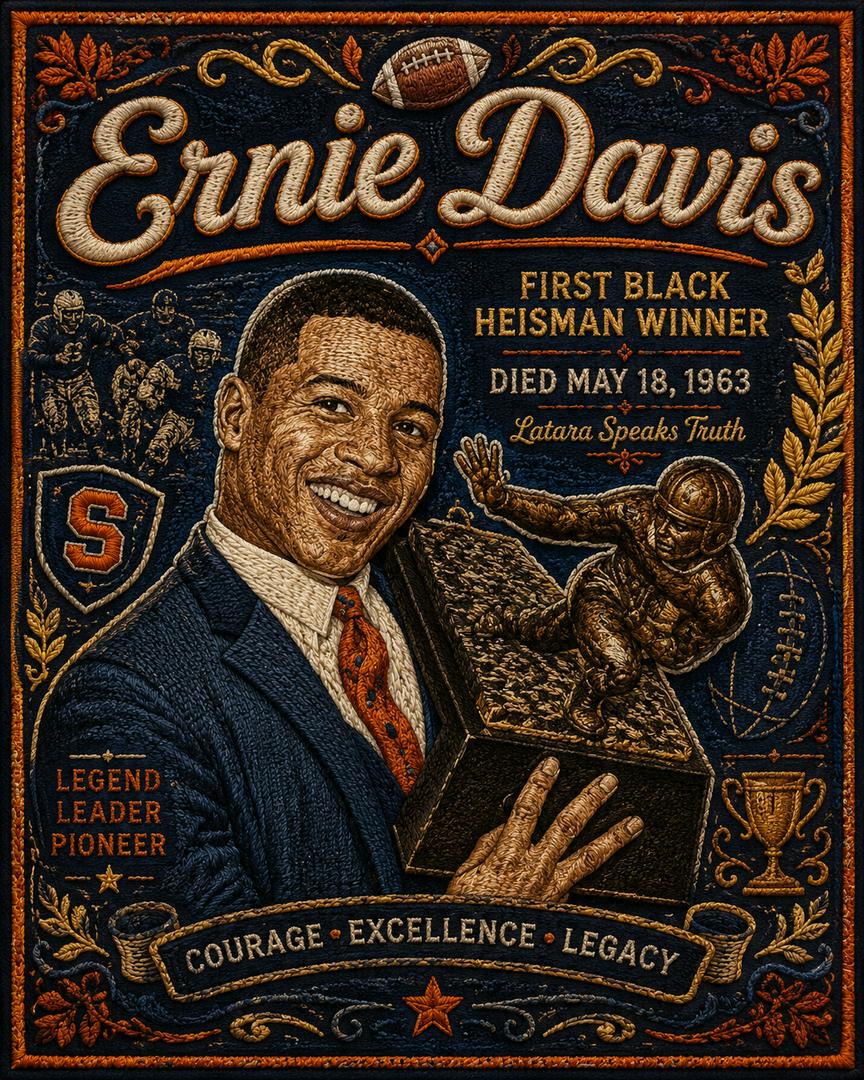
The First Black Heisman Winner… Ernie Davis Makes History (1961)

In 1961, Ernie Davis changed the entire landscape of college sports without raising his voice or asking for permission. Syracuse University’s star running back became the first Black athlete to win the Heisman Trophy… and that moment hit a lot harder than a highlight reel. Davis was one of those players who made the game look easy. Smooth balance, impossible strength, and the kind of vision that made defenses question their life choices. But behind all that talent was a young man pushing through barriers that had been in place for generations. College football was still wrestling with segregation and resistance, and a lot of doors were never meant to open for athletes who looked like him. Yet he walked right through them. His Heisman win wasn’t just about statistics or a shiny award. It was a shift… a crack in a wall. Davis stood on that stage in New York City representing every player who had been told “not yet” or “not here.” He was drafted first overall into the NFL, but leukemia took his life before he could ever take the field. He was only 23. Even so, his story didn’t fade. Syracuse retired his number, and generations of players still see him as proof that purpose shows up even when the world tries to look away. Today, his legacy still stands tall: talent, dignity, and impact that reaches far past the field. #ErnieDavis #Heisman #SportsHistory #BlackAthletes #OnThisDay #LataraSpeaksTruth

The First Black Heisman Winner… Ernie Davis Makes History (1961)