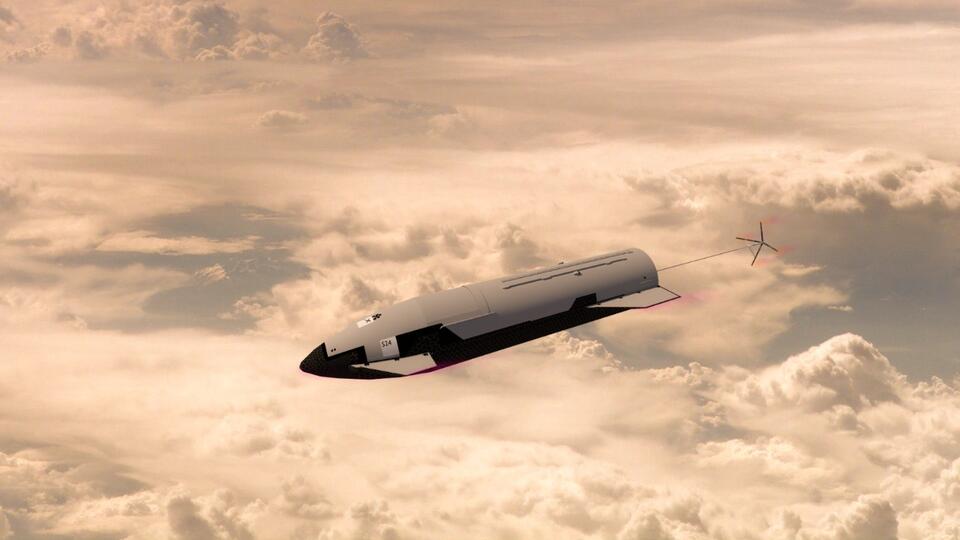
justme +Follow🚨 NASA is set to officially reveal the Artemis III crew on June 9 at 11:00 a.m. EDT during a live announcement from Johnson Space Center in Houston. This marks a major milestone for the future of human space exploration. The astronauts introduced during the event will be assigned to Artemis III — a mission once planned to land humans on the Moon for the first time since Apollo 17 in 1972. But NASA has now significantly reshaped the mission. Instead of being the first Artemis lunar landing, Artemis III is now expected to focus on vital orbital testing between the Orion spacecraft and commercial lunar landers being developed by SpaceX and Blue Origin. According to NASA, the mission will demonstrate key rendezvous and docking operations in Earth orbit — systems considered essential before astronauts attempt future landings near the Moon’s south pole. The mission is currently aiming for launch in 2027. As a result of the updated plan, Artemis IV is now expected to become the mission that finally places humans back on the lunar surface. At the same time, NASA is aggressively expanding its long-term Moon Base ambitions: • robotic cargo deliveries beginning in 2026 • privately developed lunar rovers • scouting drones exploring the lunar south pole • infrastructure designed for a sustained human presence on the Moon NASA says all of this is laying the foundation not just for returning to the Moon — but eventually for sending humans to Mars. More than half a century after Apollo, humanity’s next giant leap is no longer a distant dream. It’s already underway. 🌕🚀 #NASA #Artemis #ArtemisIII #MoonMission #MoonLanding #SpaceExploration #Astronomy #SpaceX #BlueOrigin #Mars #MoonBase #Orion #RocketLaunch #SpaceNews #FutureOfSpace60Share
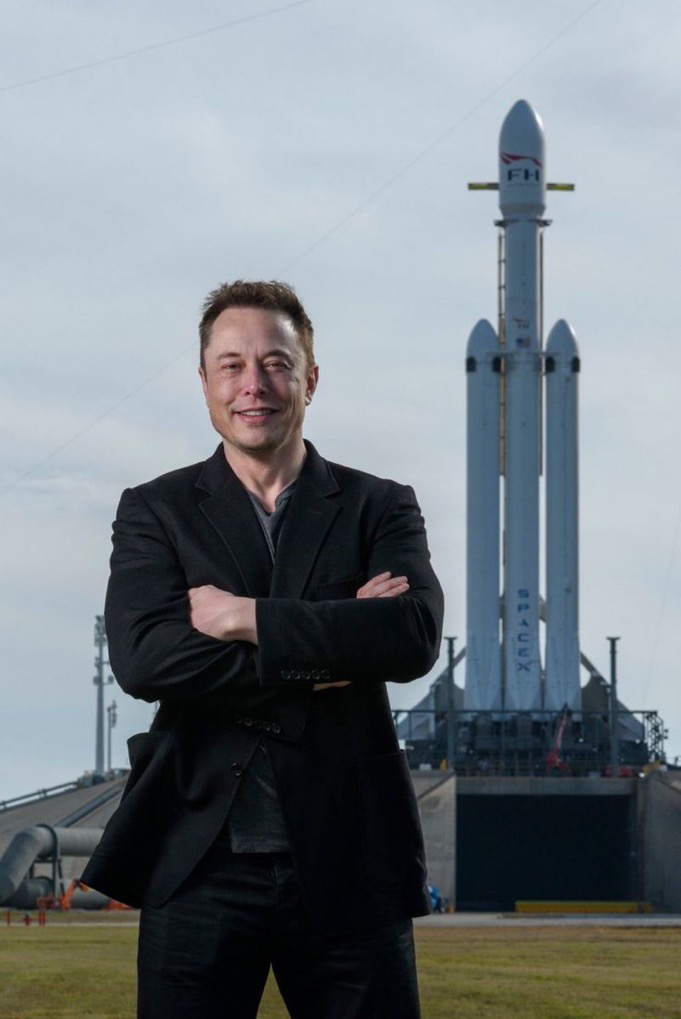
SpaceX ELON (AOC)+FollowDriving the future on Earth with Tesla ⚡ and reaching beyond it with SpaceX 🚀 Innovation. Sustainability. Exploration. From electric roads to interplanetary dreams this is the next era of humanity. #Tesla #SpaceX #FutureDriven #Innovation02Share
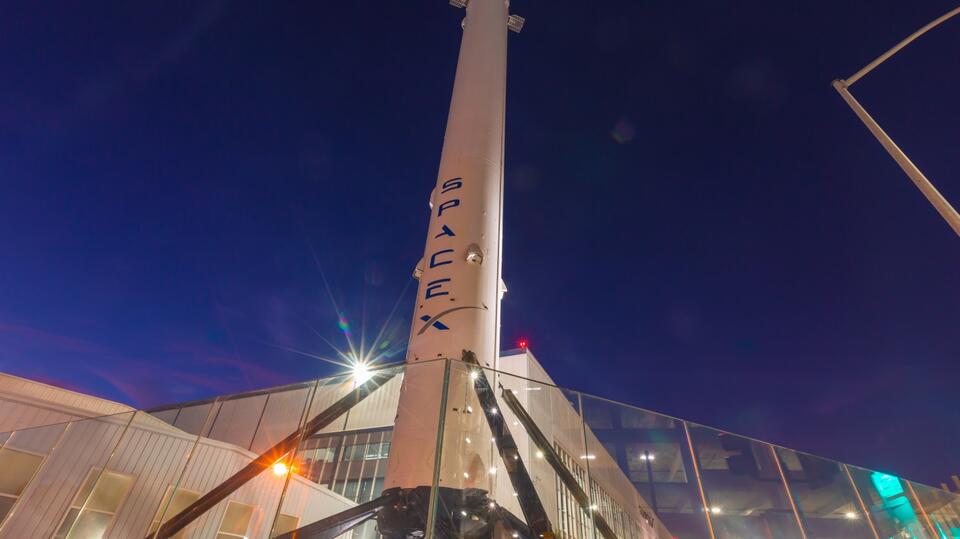
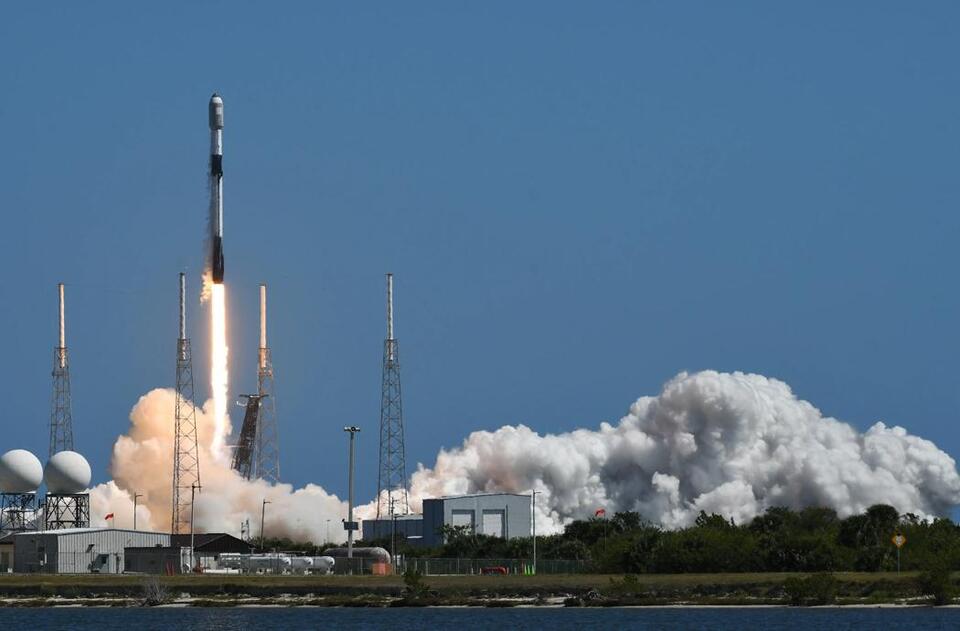
SpaceX ELON (AOC)+Follow🚀 The future isn’t coming it’s already here with SpaceX. From launching reusable rockets that land themselves, to delivering astronauts safely to the International Space Station, SpaceX is rewriting what’s possible in space travel. Their Starlink network is connecting the world with high-speed internet, even in the most remote places, while Starship is being built to carry humans to the Moon, Mars, and beyond. This isn’t just innovation it’s a mission to make life multi-planetary and expand humanity’s reach into the universe. 🌍➡️🚀➡️🪐 Follow the journey. Witness history. Be inspired by what’s next. #SpaceX #Innovation #SpaceExploration #FutureIsNow #MarsMissio10Share
justme +FollowThe last time humans ventured beyond Earth orbit was December 1972. Apollo 17. Gene Cernan and Harrison Schmitt walked on the lunar surface. Then they climbed back into their spacecraft, lifted off, and left. And for 54 years — no human being went back. That changes in six days. Artemis II will carry four astronauts on a 10-day journey around the Moon and back to Earth. Not a landing. Not yet. But a free-return trajectory that will carry them farther from Earth than any human being has traveled since the final Apollo mission — swinging them around the far side of the Moon before gravity pulls them back home. The crew: Reid Wiseman — Commander. A Navy test pilot and veteran astronaut who has already spent 167 days aboard the International Space Station. Victor Glover — Pilot. A Navy aviator and NASA astronaut who will become the first person of color to travel beyond Earth orbit. Christina Koch — Mission Specialist. A NASA astronaut who holds the record for the longest single spaceflight by a woman, spending 328 consecutive days in space. Jeremy Hansen — Mission Specialist. A Canadian Space Agency astronaut and former Royal Canadian Air Force fighter pilot. This will be his first spaceflight — and he will become the first Canadian to leave Earth orbit. Four people. Four firsts. One mission. They won't land on the Moon. But they will do something that hasn't happened in over half a century: they will see it up close, with their own eyes, through a window, from a spacecraft they are flying themselves. They will watch it fill the entire frame as they swing around its far side — a view so rare that only 24 human beings in history have ever experienced it. All of them in the 1960s and 70s. The entire mission will be streamed live by NASA. Every burn. Every maneuver. Every moment the crew looks out that window at a Moon that suddenly isn't a dot in the sky anymore — it's a world, and they're next to it. The launch window opens April 1 at 4:20 UTC. Six days from now. We are31Share
User+FollowIf SpaceX lands on Mars, would you celebrate Elon's achievement? A. ABSOLUTELY B. NOT INTERESTED #ElonMusk #SpaceX 114Share
awaters+FollowHow to Invest in SpaceX (Before It’s Public)SpaceX is aiming for a massive IPO in 2026, and space-themed ETFs like UFO, ARKX, and ROKT could be the next big thing for your portfolio. Think of these as baskets of space and exploration stocks—so you can get in on the action before SpaceX even hits the stock market. With launches skyrocketing and the space industry heating up, these ETFs could be your ticket to some serious upside. Ready for liftoff? #Business #Industry #SpaceX00Share
Jerry Clark+FollowSpaceX’s Moon Rocket: Will It Deliver?Grab your coffee—SpaceX is stacking its biggest rocket ever, aiming to send astronauts back to the Moon and, maybe one day, to Mars. The catch? NASA’s lunar plans are now tied to how fast SpaceX can turn test flights into reliable launches. If you’re dreaming of moon vacations or Mars condos, keep an eye on 2026: it’s the year SpaceX needs to prove it can deliver, or risk letting rivals like Blue Origin steal the spotlight. #Business #Industry #SpaceX10Share
Kristin Shaw+FollowSpaceX Satellites Are Dodging Traffic Up ThereSpaceX is basically giving its Starlink satellites a new home—moving over 4,000 of them to a lower orbit. Why? Turns out, space is getting crowded, and nobody wants a cosmic fender bender. After a close call with some Chinese satellites, SpaceX is playing it safe. The bonus: faster burn-up for old satellites and maybe even better internet for us earthlings. Space traffic control, but make it high-tech! #Business #Industry #SpaceX10Share
Larissa wilson+FollowSpaceX Set Its Sights on Mars from Day One’ — Call for More Companies with Civilization-Scale Visions 🚀 SpaceX made its mission to reach Mars clear even before the first Falcon 9 rocket ever launched — a bold reminder of what visionary goals can achieve. Many believe the world needs more companies driven by big, civilization-scale ambitions that push humanity forward. 🌍🚀 #SpaceX #ElonMusk #MarsMission #Innovation #FutureTech #Aerospace #VisionaryLeadership”41Share
MonsterK9Fla+FollowGreat Job Simon Pollock - née Tesla Light Shows 🎄 Merry Christmas my friend from afar 🎄🎄🎄 #elonmusk #monsterk9fla #tesla #SpaceX #Starlink #x https://youtu.be/zYLYZzp6KVQ?si=CmJ1RNRHZrGTVx4700Share