Tag Page SocialSafetyNet

#SocialSafetyNet
Kimberly Parker

I Got Off Food Stamps Many Years Ago. Why I Still Fight Like Hell For That Program.

Years ago, I ended up pregnant and pretty much ghosted by the guy. This was back when just looking pregnant could get you fired, so I ended up spending most of my pregnancy sleeping on strangers' couches. Once my daughter was born, I moved back in with my mom and the stepfather who had abused me. It was awful, but I got food stamps and a tiny bit of cash, and I used that help to immediately enroll in school for the quickest degree possible. I put up with terrifying worry, a beat-up car constantly threatening to die, wearing old Goodwill uniforms, and the alcoholic rages at home—all to finish school and get us out. After two and a half years, I graduated, immediately got a great job, and stopped taking any kind of help. Because I went back to school, I spent the next 40 years in a career that paid way more than I ever expected, which meant I paid significantly more taxes back into the system that helped me. I pulled myself and my daughter out of poverty because of that temporary assistance. Now, someone please tell me why I would ever not want someone else to get that same hand up to improve their life and contribute more. #FoodStamps #Poverty #SocialSafetyNet #PersonalStory #Taxes #WhyWeNeedHelp #GiveBack #SNAP

I Got Off Food Stamps Many Years Ago. Why I Still Fight Like Hell For That Program.
TrueNorthMedia

SNAP Benefits Pause May Hit Grocery Industry Harder Than Expected!

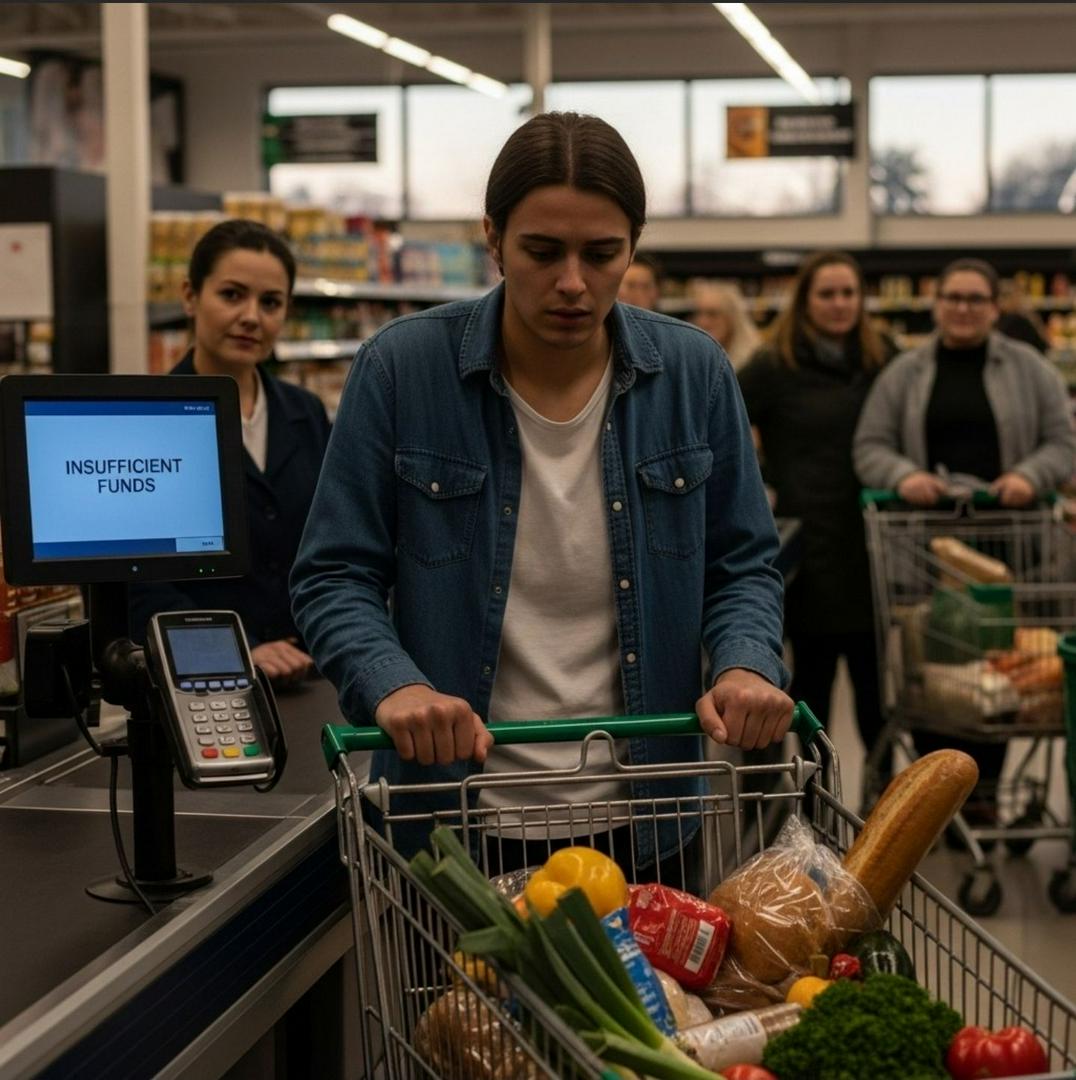
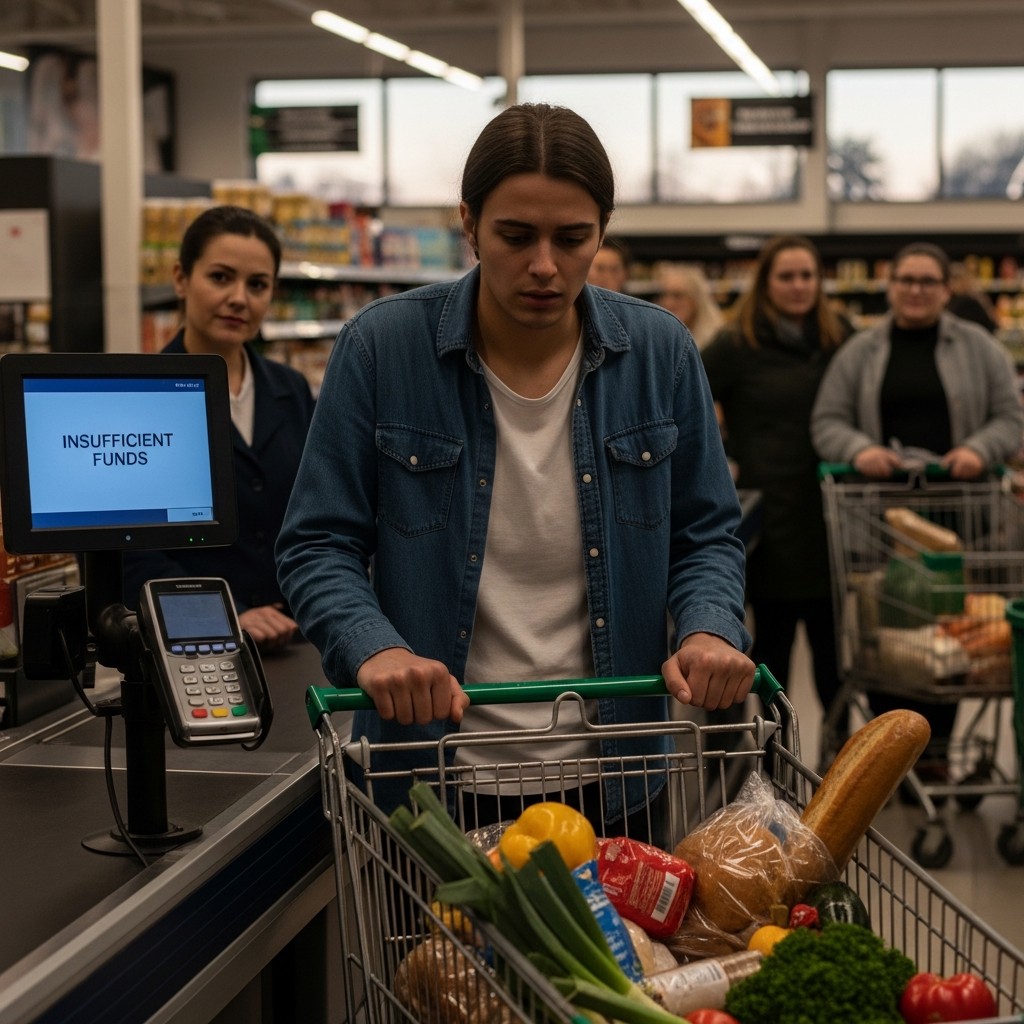
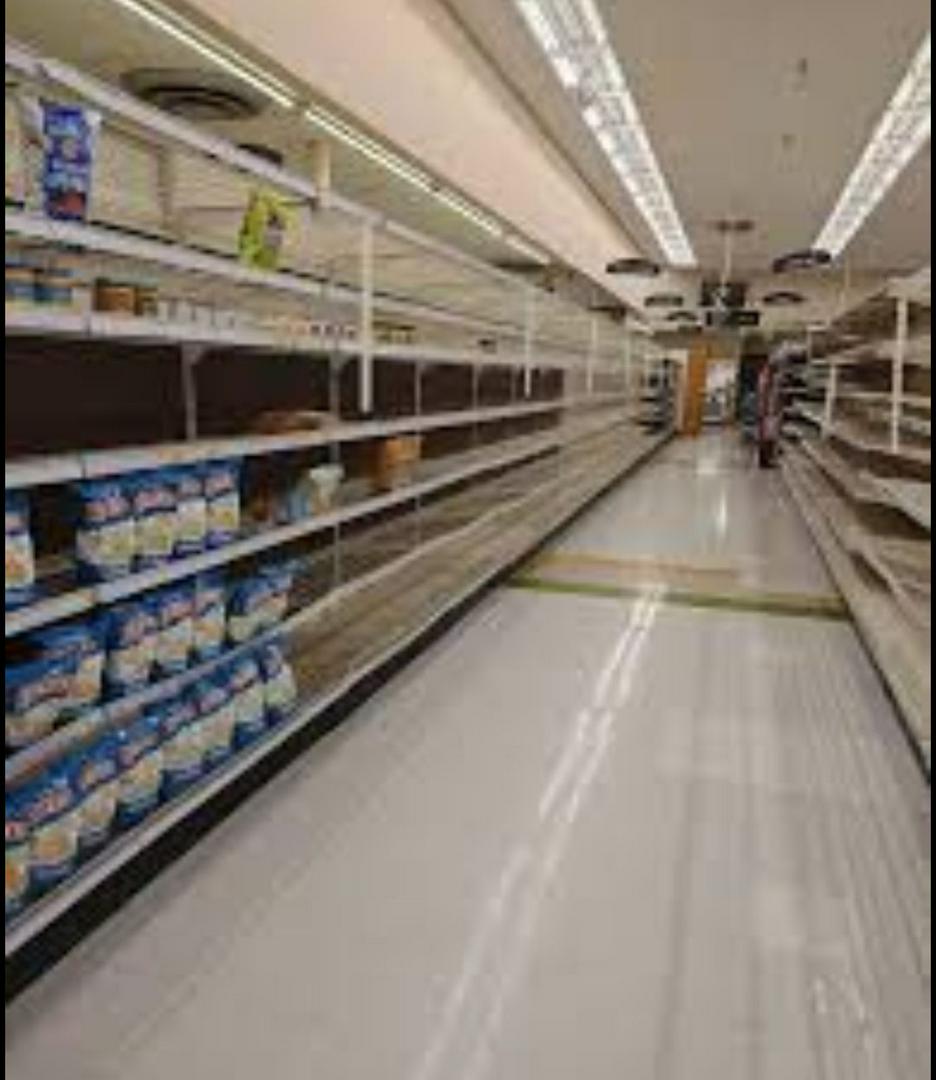
Government Shutdown Threatens Ripple Effect on Grocery Industry if SNAP Payments Halt With a possible government shutdown expected to halt SNAP (Supplemental Nutrition Assistance Program) payments on November 1, much of the national focus has been on the millions of families who rely on the program to buy food. However, economists warn that the impact could extend far beyond households — potentially affecting grocery stores, food producers, and retail workers across the country. Major retailers such as Walmart and grocery chains nationwide receive billions of dollars each year through SNAP purchases. According to the U.S. Department of Agriculture, every $1 in SNAP spending generates an estimated $1.50 to $1.80 in economic activity. That means a disruption in benefits could lead to lower sales, reduced store hours, and potential layoffs, especially in lower-income communities. Industry analysts note that smaller grocery stores and local markets could be hit hardest, as many rely on SNAP customers for a significant portion of their revenue. If benefits stop, stores may face overstocked shelves, increased food waste, and financial losses. At the same time, workers in the grocery and retail sectors — many of whom earn low wages and depend on public assistance themselves — could also be directly affected. Experts say the situation highlights the interconnected nature of the U.S. food economy: when SNAP spending stops, it doesn’t just impact families in need — it can disrupt the entire supply chain from farms to checkout lines. #GovernmentShutdown #workingpoor #AffordableCareAct #ACA #GovernmentShutdown #SNAPBenefits #FoodAssistance #EconomicImpact #PublicAssistance #WorkingPoor #LowWageWorkers #CostOfLiving #FoodSecurity #PovertyInAmerica #SocialSafetyNet #SNAPBenefits #SNAPLife #SNAPTalk

SNAP Benefits Pause May Hit Grocery Industry Harder Than Expected!
You've reached the end!