Tag Page ScienceHistory

#ScienceHistory
LataraSpeaksTruth

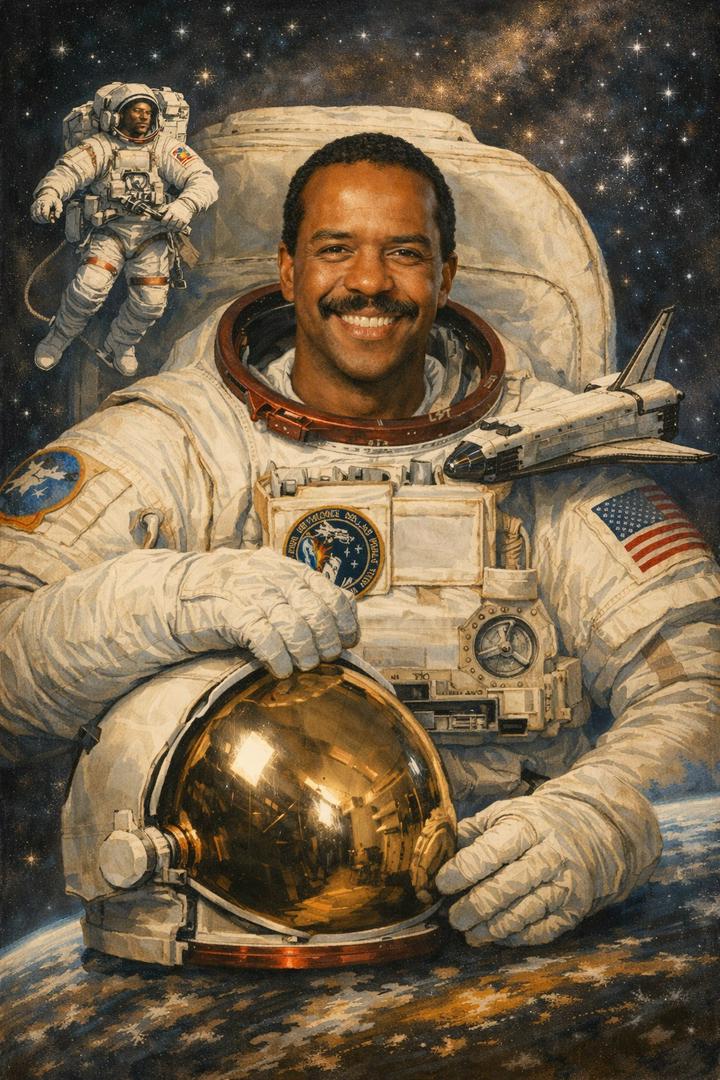
On February 9, 1995, Bernard Harris became the first Black astronaut to walk in space during NASA’s STS-63 mission aboard Space Shuttle Discovery. This achievement wasn’t symbolic theater or a feel-good moment engineered for headlines. It was the result of decades of education, discipline, and persistence in a field that historically excluded Black Americans from meaningful participation. Harris, a trained physician and engineer, conducted a spacewalk that required precision, stamina, and technical mastery. Spacewalking is one of the most dangerous tasks astronauts perform, involving extreme temperatures, zero gravity, and the constant risk of fatal error. That context matters, because this wasn’t about “firsts” for bragging rights…it was about trust. NASA trusted Harris with a mission where failure was not an option. His walk came at a time when conversations about diversity in STEM were minimal and often dismissed. Harris didn’t arrive because doors were flung open…he arrived because he forced entry through excellence. Even now, Black representation in aerospace and astronaut programs remains limited, making his 1995 milestone less of a historical footnote and more of a benchmark still waiting to be matched. This moment wasn’t just about leaving Earth. It was about proving that Black intellect, preparation, and capability belong in humanity’s most advanced frontiers…without qualification. #BlackHistory #February9 #BernardHarris #STEMHistory #SpaceExploration #HiddenFigures #ScienceHistory #NASA
LataraSpeaksTruth

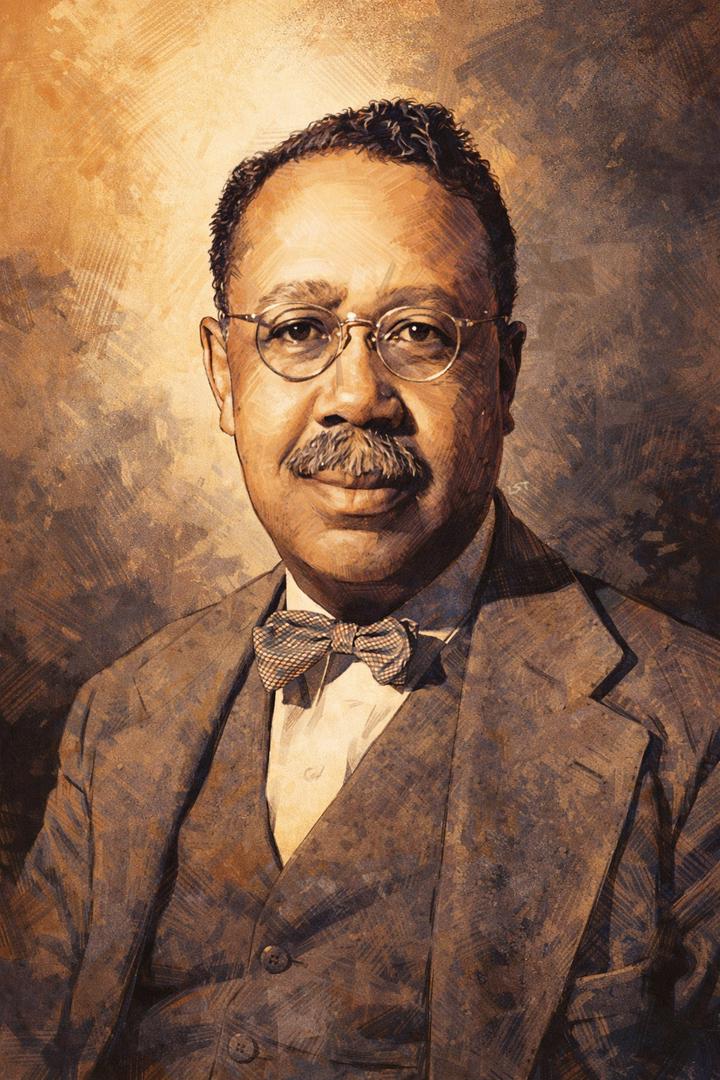
William Augustus Hinton 1883 to 1959 was a pioneering bacteriologist, pathologist, and educator whose work helped shape modern public health in the United States. Born on December 15, 1883, Hinton came of age during a time when medical education and scientific research were largely inaccessible to Black Americans. Despite those barriers, he earned his degrees at Harvard University and went on to make contributions that would save countless lives. Hinton is best known for developing what became known as the Hinton test, a blood test used to detect syphilis. At a time when existing tests were often unreliable, his method stood out for its accuracy and consistency. The test was adopted widely by public health departments and hospitals across the country, becoming a standard tool in disease detection and prevention. Beyond the laboratory, Hinton was a dedicated educator. He taught at Harvard Medical School for decades, training generations of physicians in bacteriology and pathology. In 1949, after years of teaching and research, he became the first Black professor in Harvard’s history, a milestone that reflected not a sudden breakthrough but a lifetime of quiet excellence. Hinton also authored a major medical textbook that further shaped laboratory medicine and public health practice. His legacy lives not only in scientific innovation but in the doors he opened through persistence, rigor, and commitment to saving lives. #WilliamAugustusHinton #MedicalHistory #PublicHealth #HarvardHistory #BlackExcellence #HiddenFigures #ScienceHistory #OnThisDay #HealthInnovation #LaboratoryMedicine

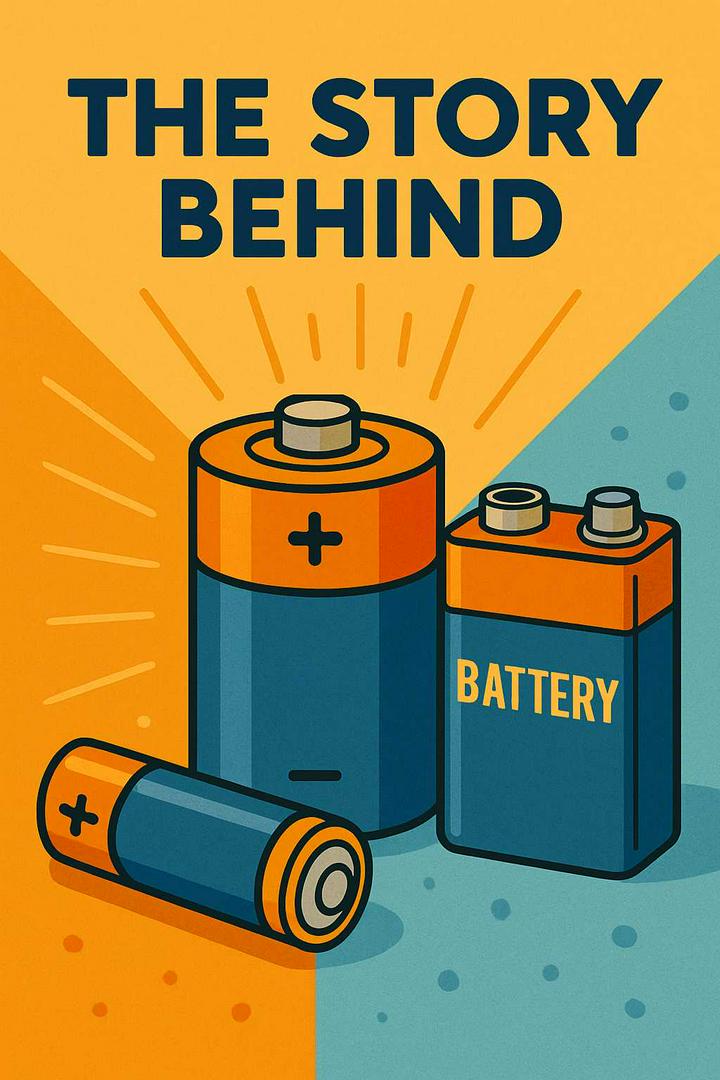
The Story Behind...

Before batteries became the tiny bricks that keep our whole lives running, they were an idea that honestly felt like magic. Electricity was still this mysterious force, more rumor than reality, and people were arguing about what it even was. Yet in 1800, Alessandro Volta stacked a bunch of metal discs, soaked some cloth in saltwater, and created the first steady flow of electric energy. It looked simple. It became legendary. Volta called his invention the voltaic pile, but it was really the first time humans held lightning in their hands. The world changed quietly in that moment. No fireworks. No TikTok announcement. Just a stack of coins that decided to power the future. From there batteries became the heartbeat of progress. Telegraphs. Early medical devices. Experiments that pushed the line between science and wild imagination. For every invention we celebrate today, there is some early battery humming beneath it, doing its job without applause. And now these little cylinders sit in junk drawers, remotes, toys, and phones like they run nothing important. But they’ve been running everything the whole time. They are small lessons in stored power. Quiet strength. Energy waiting on a mission. They remind us that not everything powerful has to be loud. Not everything that lights up the world announces itself. #TheStoryBehind #ScienceHistory #Innovation #EverydayObjects

You've reached the end!
Tag: ScienceHistory | LocalAll