Tag Page RevolutionaryWar

#RevolutionaryWar
1776 Patriot

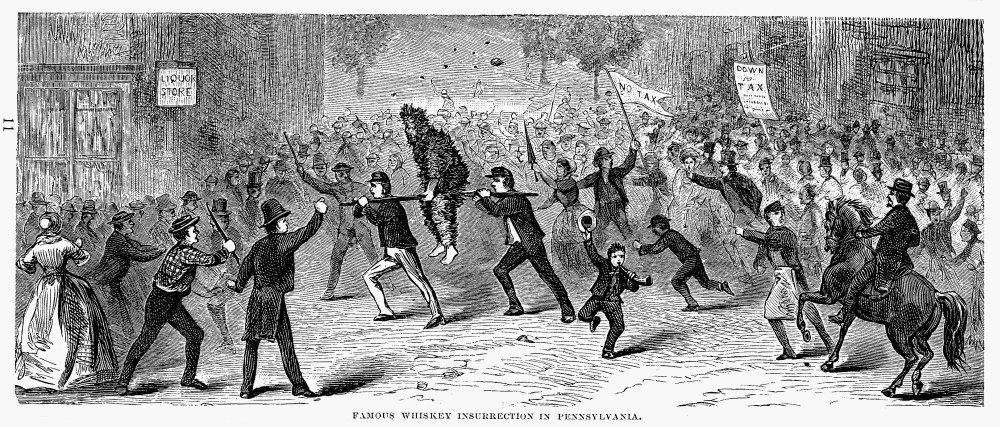
Tar and Feathering in Early America: Mob Justice, Political Violence, and Public Humiliation Tar and feathering was a form of collective punishment in early American history used to humiliate, intimidate, and enforce informal social control. It was not a legal sentence but a mob-driven practice rooted in earlier European traditions dating to the 12th century, where heated pitch was used in communities with weak formal enforcement. In colonial America, the substance was pine tar, produced from resin-rich forests for shipbuilding and sealing materials. When heated, it became highly adhesive and dangerous, trapping heat against the skin and causing burns. Feathers, taken from bedding or poultry, worsened injury by embedding into wounds and making removal difficult, often increasing infection risk. The practice peaked between 1765 and 1835, especially during the American Revolution, when it was used against British customs officers, tax collectors, and Loyalists. A well-documented case occurred in 1774 in Boston involving John Malcolm, who was seized, beaten, coated in hot tar, and covered in feathers. Victims were often paraded through streets, turning punishment into public spectacle. Though associated with Patriot mobs, it crossed political lines and later appeared during events like the Whiskey Rebellion and in 19th-century conflicts involving abolitionists and labor organizers. Only dozens of cases are firmly documented, though more likely went unrecorded. By the early 19th century, courts began treating it as criminal assault, accelerating its decline. While rarely fatal, it caused burns, infection, and lasting trauma, leaving a legacy defined less by victim counts than by its visible brutality. #America #history #Pennsylvania #Boston #RevolutionaryWar Blog 65+ Articles 👇 http://1776patriot1776.blogspot.com
1776 Patriot

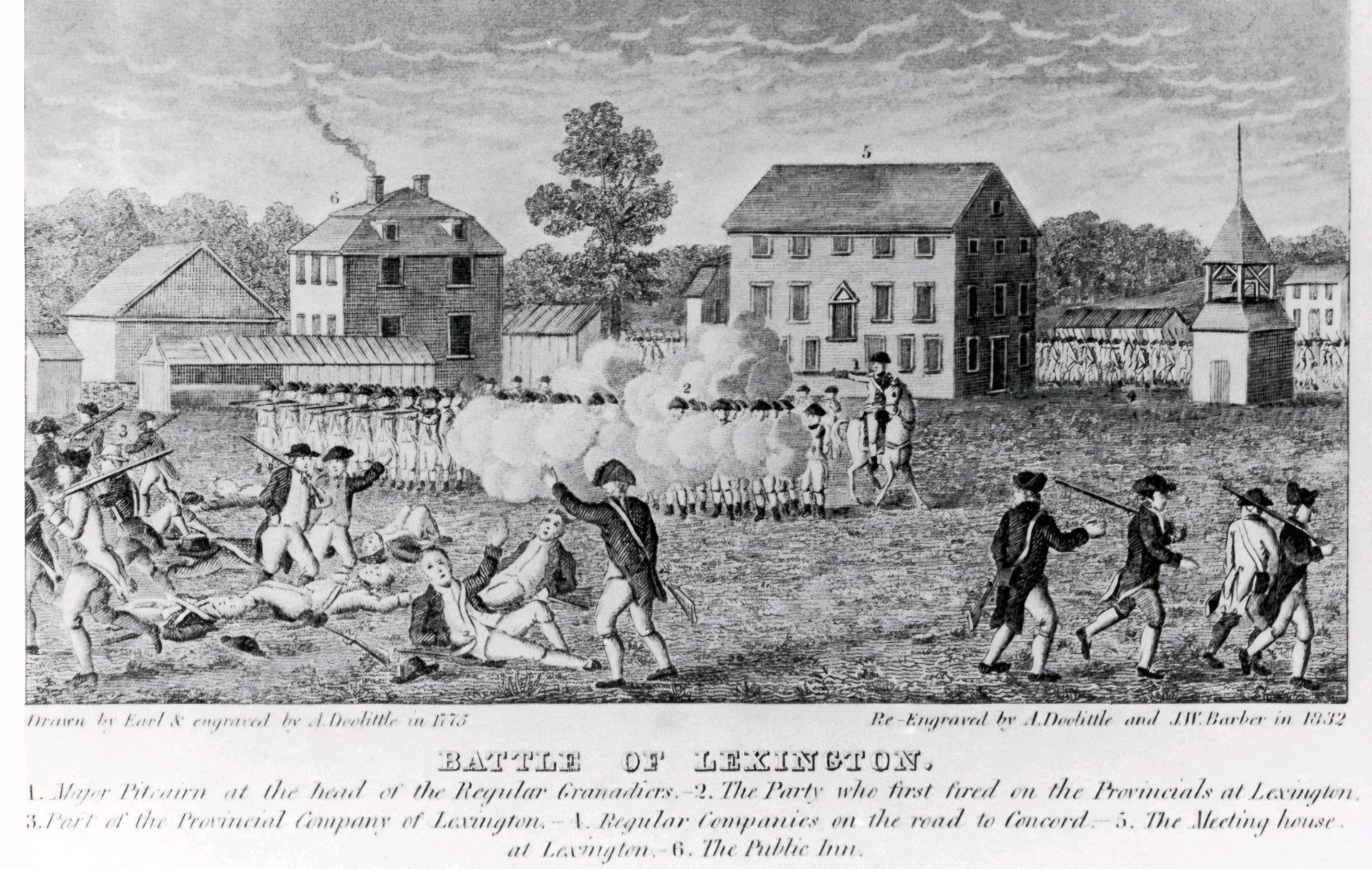
Today in History: News of Lexington and Concord Reaches Virginia, A Nation Begins to Rise Today marks 251 years since April 29, 1775, when news of the first shots of the American Revolution reached Virginia, accelerating a chain reaction already underway. Just ten days earlier, on April 19, British troops clashed with colonial militias at Lexington and Concord in Massachusetts, marking the beginning of armed resistance. Word traveled quickly through riders and newspapers. By April 29, the Virginia Gazette, published in Williamsburg, carried early reports describing the fighting, confirming that blood had been shed and that colonial forces had surrounded British troops in Boston. Although some details were exaggerated, the core message was clear: open conflict had begun. The timing intensified tensions in Virginia. Only days before, Royal Governor Lord Dunmore had ordered the removal of gunpowder from Williamsburg’s public magazine, fearing it could fall into colonial hands. The move alarmed residents, who viewed it as a direct threat to their rights and security. As news from Massachusetts arrived, anger grew. Militia units mobilized, and leaders such as Patrick Henry used the moment to rally resistance. Couriers and printed broadsides ensured the reports spread rapidly beyond Williamsburg into surrounding counties, reaching plantation communities and frontier settlements within days. The Powder Incident, combined with confirmed fighting in the North, shifted public opinion toward open defiance. These events helped unify the colonies. What began as isolated clashes quickly became a shared cause, pushing Virginia and others closer to revolution and, ultimately, independence. Committees of safety began coordinating local responses, strengthening communication networks and preparing communities for sustained resistance. #History #USHistory #America #USA #RevolutionaryWar #Independence

You've reached the end!