Tag Page OurHistory

#OurHistory
LataraSpeaksTruth

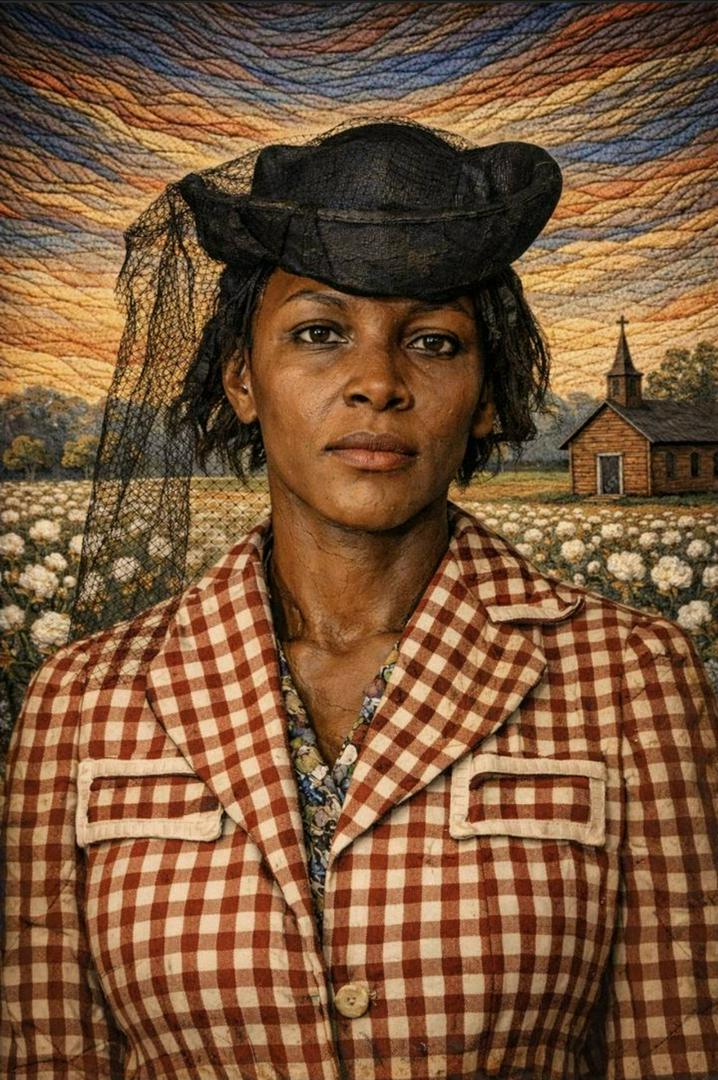
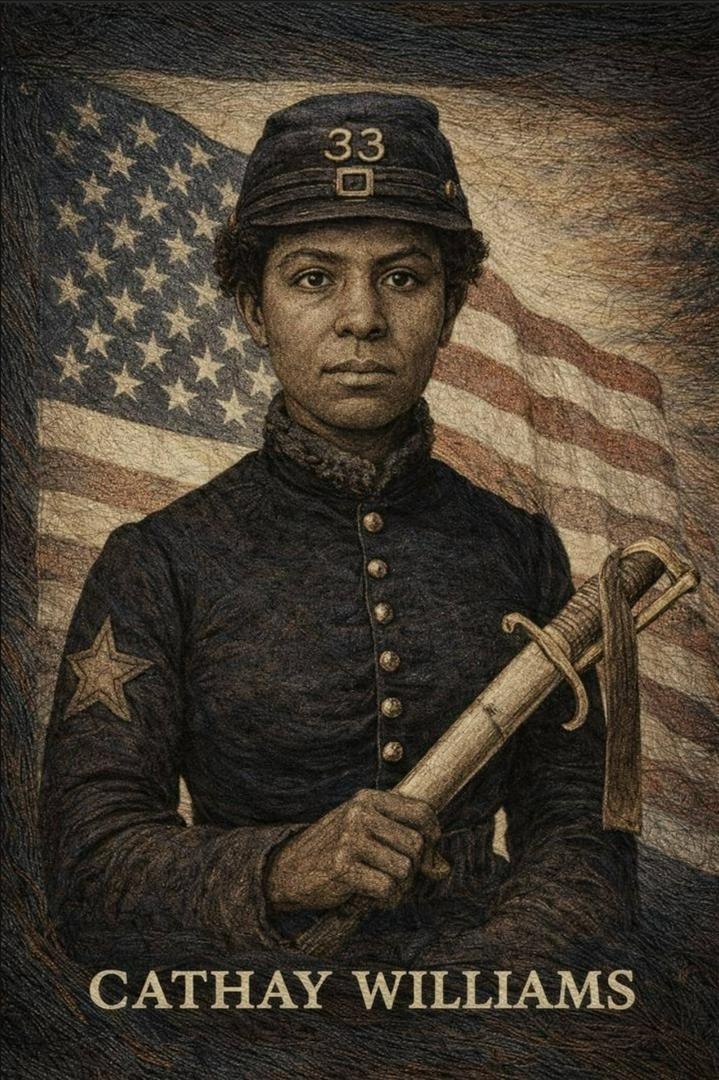
Cathay Williams was born in September 1844 in Independence, Missouri, to an enslaved mother and a free father. Because her mother was enslaved, Cathay was also born into slavery. As a young woman, she was forced into labor for Union troops during the Civil War, working as a cook and washerwoman and traveling with the army through parts of the South. That experience brought her close to military life long before she officially entered it. After the war, Williams chose a path few women of her time could even imagine. On November 15, 1866, she enlisted in the United States Army in St. Louis under the name William Cathay. Since women were barred from military service, disguising herself as a man was the only way she could join. She served in Company A of the 38th U.S. Infantry, one of the African American regiments created after the Civil War and later tied to the legacy of the Buffalo Soldiers. For nearly two years, she performed the duties expected of any soldier. Her secret remained hidden until repeated illness and hospital visits led army doctors to discover she was a woman. She was discharged on October 14, 1868. Years later, Williams applied for a military disability pension, describing her service and failing health, but her claim was denied. Much of her later life remains unclear, but her place in history does not. Today, Cathay Williams is remembered as the only documented woman known to have served as a Buffalo Soldier and one of the most remarkable women in American military history. #OurHistory #CathayWilliams #BuffaloSoldiers #MilitaryHistory #BlackHistory #WomensHistory #AfricanAmericanHistory #HiddenFigures #AmericanHistory #LataraSpeaksTruth

LataraSpeaksTruth

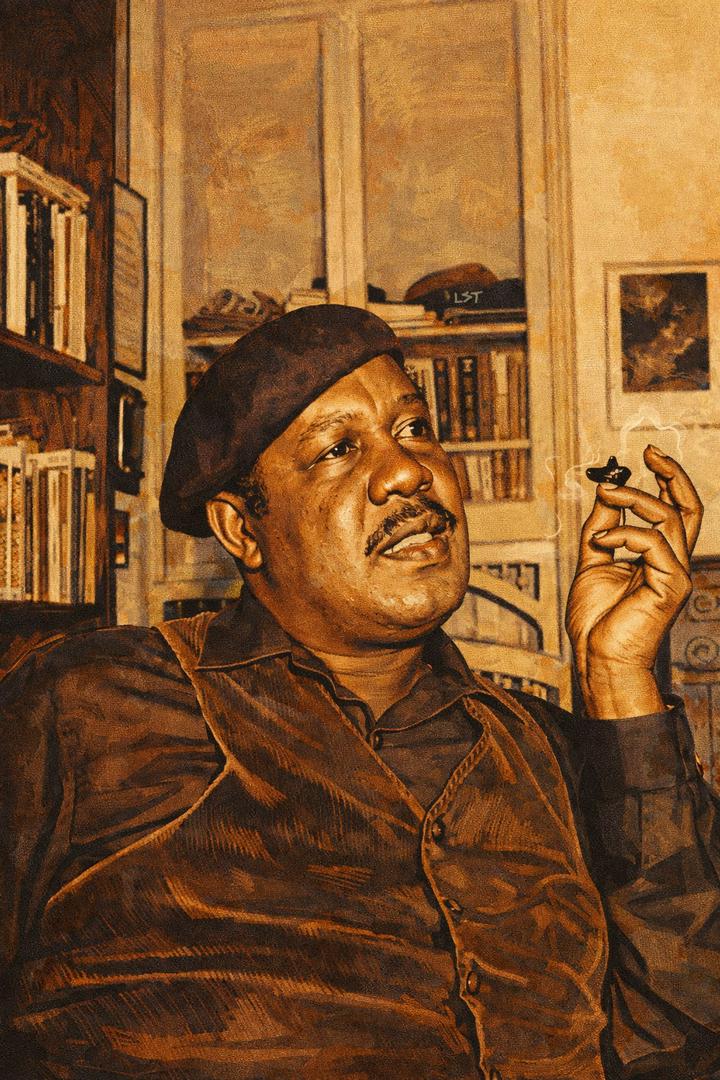
Ernest J. Gaines wrote with the patience of someone who understood that stories do not rush to prove themselves. His work captured rural Louisiana life with restraint, moral clarity, and deep respect for ordinary people carrying extraordinary weight. He did not write spectacle. He wrote consequence. Family, justice, responsibility, memory, and community sat at the center of his work, shaped by oral tradition and lived experience rather than literary trend. Gaines spent his earliest years in a plantation community in Oscar, Louisiana, absorbing the rhythms of storytelling passed down through elders who spoke plainly and with purpose. That foundation never left him, even after he moved to California as a teenager. The South remained present in his voice, not as nostalgia, but as truth. His characters were farmers, teachers, elders, and young men navigating dignity under pressure, each written with care rather than judgment. Born January 15, 1933, Gaines would go on to become one of the most respected American novelists of the twentieth century. His best known works include The Autobiography of Miss Jane Pittman and A Lesson Before Dying, stories that reached wide audiences through film and television adaptations. A Lesson Before Dying earned major literary recognition and became a staple in classrooms for its quiet examination of humanity and moral choice. Ernest J. Gaines passed away in 2019, but his voice remains steady. He proved that rural stories matter, that oral tradition belongs on the page, and that power does not need volume to endure. #ErnestJGaines #AmericanLiterature #LiteraryHistory #SouthernStories #BlackAuthors #GiveHimHisFlowers #OurHistory

Kimmie_Anderson

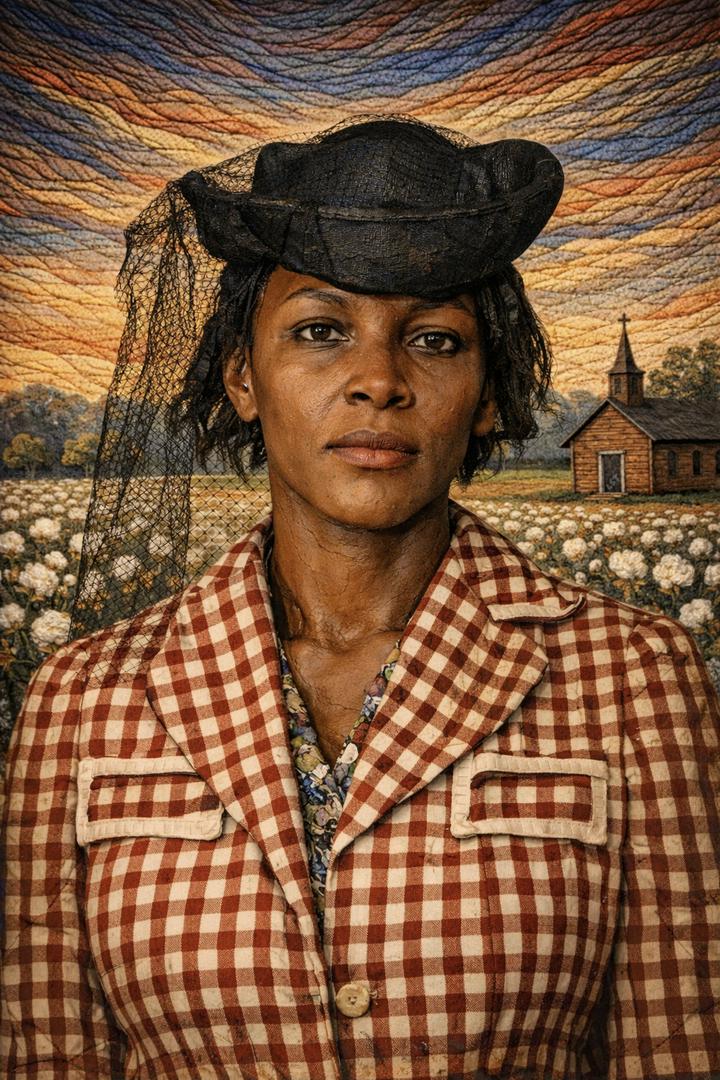
Recy Tavlor's storv is not only about what was done to her. It is also about what the legal system refused to do afterward. In 1944, Recy Taylor was a 24 year old Black wife and mother living in Abbeville Alabama. On her way home from church she was abducted at gunpoint by a group of white men and assaulted. She reported the crime immediately. One of the men later admitted his role and identified the others involved That should have been enough It was not Instead of iustice, Tavlor faced the full weight of a svstem that did not treat her pain, her dignity, or her safety as worth protecting. Two all white arand iuries refused to indict her attackers. No one was held accountable. But this story does not end in silence. Her case drew national attention. Rosa Parks investigated it for the NAACP Supporters organized through the Committee for Equal Justice for Mrs. Recy Taylor. Black newspapers covered the case. People spoke her name, demanded action. and forced the country to confront a truth it often tried to hide. Long before the civil rights movement became a chapter in textbooks, Black women like Recy Taylor were already standing at the center of that fight. Her story exposed more than one crime. It exposed a system that could hear a confession, see a victim come forward and still choose not to act. That is why Recy Taylor matters. Not iust because she survived somethina horrific, but because her case revealed how deeply the law could fail Black women while claiming to stand for justice. History often celebrates the marches the speeches, and the victories But before many of those moments came the women whose suffering was ignored, whose courage was tested, and whose truth refused to disappear Recy Taylor was one of them #OurHistory #RecyTaylor #CivilRightsHistory #WomensHistor

LataraSpeaksTruth

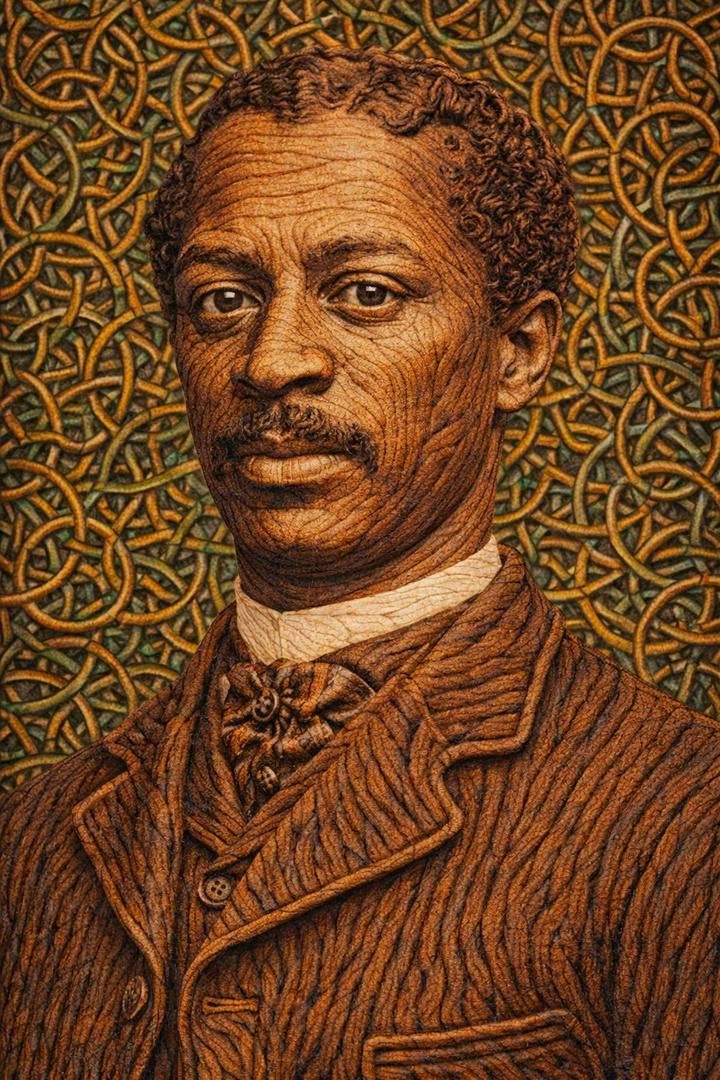
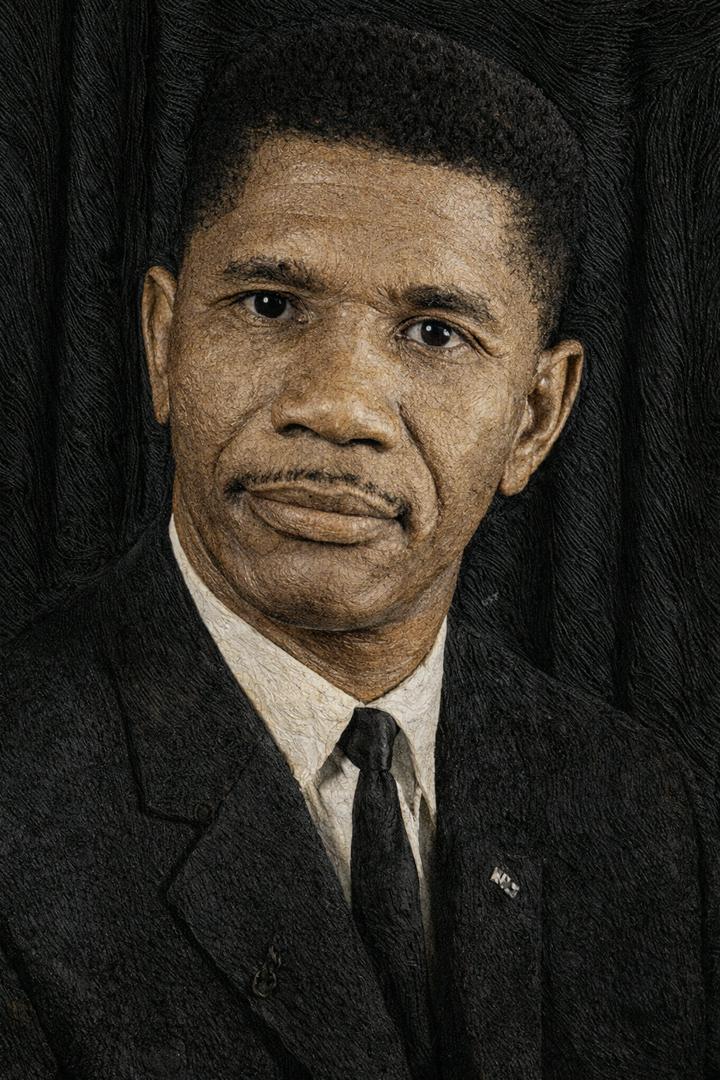
Born on July 2, 1925, in Decatur, Mississippi, Evers grew up in a state where segregation shaped nearly every part of daily life. After serving in the United States Army during World War II, he returned home determined to build a better future. He later attended Alcorn Agricultural and Mechanical College, where he studied business administration and became active in student leadership. In 1954, Evers became the NAACP’s first field secretary in Mississippi. In that role, he traveled across the state organizing local branches, encouraging voter registration, investigating racial violence, and helping challenge segregation in schools and public spaces. His work placed him on the front lines of one of the most dangerous battles in the South. Evers also helped investigate the 1955 murder of Emmett Till and worked to expose the brutal realities Black families faced in Mississippi. He pushed for equal access to education, fought discriminatory laws, and worked to expand basic rights that had long been denied. Because of his work, Evers lived under constant threat. His home was attacked, his family lived with fear, and he knew that speaking openly against injustice could cost him his life. Still, he refused to step away from the work. On June 12, 1963, Medgar Evers was assassinated outside his home in Jackson, Mississippi. His murder shocked the nation and became one of the defining tragedies of the civil rights era. Though his life was cut short, his courage left a lasting mark on American history. Medgar Evers is remembered not only as a leader, but as a man who kept showing up for the work even when the danger was clear. His legacy lives on in the continued fight for justice, dignity, and equal protection under the law. #OurHistory #MedgarEvers #AmericanHistory #CivilRightsHistory #LataraSpeaksTruth
LataraSpeaksTruth

February 22, 1911…In Philadelphia, Frances Ellen Watkins Harper’s earthly voice went quiet, but her words stayed loud. She was an abolitionist, poet, public speaker, and reformer who used language like a torch in a windstorm…steady, bright, and impossible to ignore. Born free in Baltimore in 1825, she still lived under a country that tried to limit what a Black woman could learn, say, and become. She refused that script. She taught, wrote, and stepped onto stages where people expected silence from her and got truth instead. Harper understood freedom was not just a moment, it was a life. If people could not read, could not learn, could not protect their families, then “freedom” was just a fancy word with no weight behind it. So she pushed education, dignity, and real change, even when it was unpopular, unsafe, or both. Her writing carried the same spine. She wrote poems that mourned slavery without softening it, and stories that insisted Black people were fully human, fully worthy, fully meant to rise. Later, she published work that challenged the nation to face what it had done and what it still refused to fix. She also helped build community power, especially among women, when the culture tried to keep them in the background. She believed faith and conscience had to show up in public life, not just in private feelings. Moral courage, to her, was action…not vibes. So today is not just a date. It is a reminder that some people told the truth before it was trendy, and they kept telling it when it cost them. Frances Ellen Watkins Harper did not wait for permission to matter. #FrancesEllenWatkinsHarper #OnThisDay #BlackHistory #WomensHistory #Abolitionist #Poet #Author #HistoryMatters #OurHistory #PhiladelphiaHistory #AmericanHistory #Education #WomensRights #Legacy

You've reached the end!
Tag: OurHistory - Page 2 | LocalAll