Tag Page OurHistory

#OurHistory
LataraSpeaksTruth

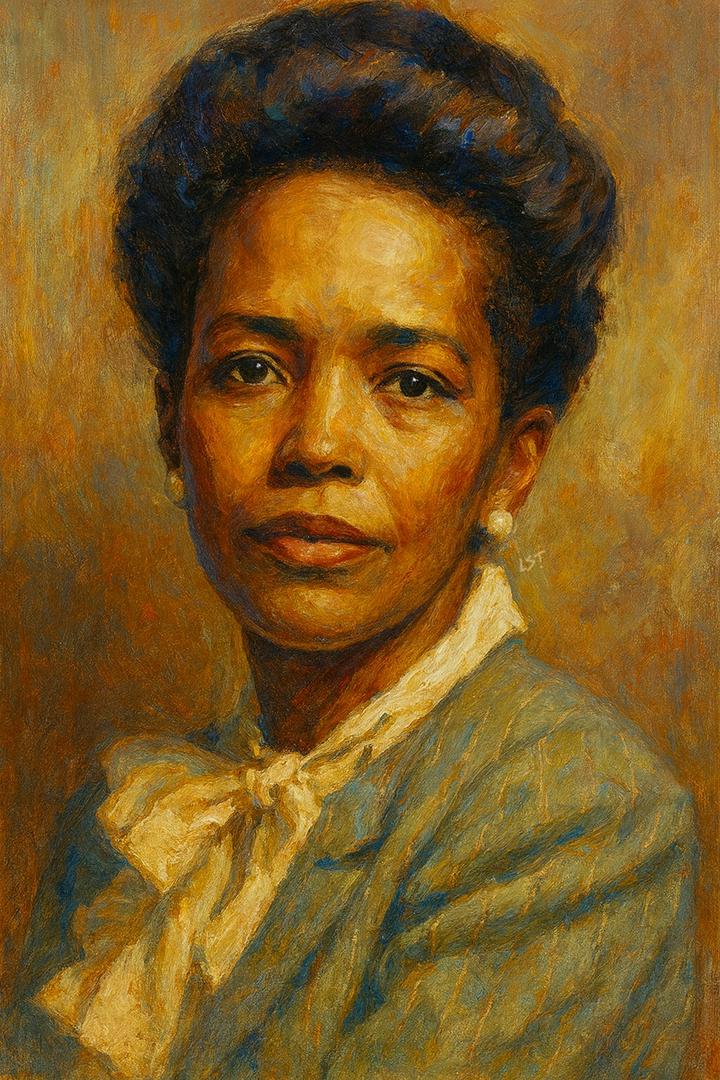
Ella Baker was born on December 13, 1903, and she died on December 13, 1986. Eighty three years, same date. That alone tells you this is someone worth pausing for. But her real legacy is not about dates. It is about how movements are built, and who actually holds them up. Ella Baker was a strategist, organizer, and political thinker who believed real change comes from ordinary people, not charismatic figureheads. She worked with the NAACP, helped launch the Southern Christian Leadership Conference, and later played a critical role in the formation of the Student Nonviolent Coordinating Committee. While others gave speeches, she built systems. While others stood at podiums, she stood in community meetings, kitchens, and church basements. She openly challenged the idea that movements need a single leader. Her philosophy was simple but radical. Strong people do not need strong leaders. They need tools, knowledge, and space to organize themselves. That belief shaped student activism across the South and helped fuel voter registration drives, grassroots education, and long term organizing that rarely made headlines but changed lives. Ella Baker was not interested in fame. She was interested in results. She pushed back when voices were ignored. She insisted women be taken seriously in organizing spaces. She believed young people were not the future of movements but the present. Many of the freedoms later generations benefited from were protected and expanded by work she helped guide, often without credit. Her story reminds us that history is not only made by the loudest voice in the room. Sometimes it is made by the one making sure everyone else is heard. December 13 is her day. And remembering her means remembering how change actually happens. #EllaBaker #OnThisDay #December13 #HiddenFigures #HistoryMatters #GrassrootsOrganizing #SNCC #NAACP #CivilRightsHistory #Leadership #WomenInHistory #OurHistory

LataraSpeaksTruth

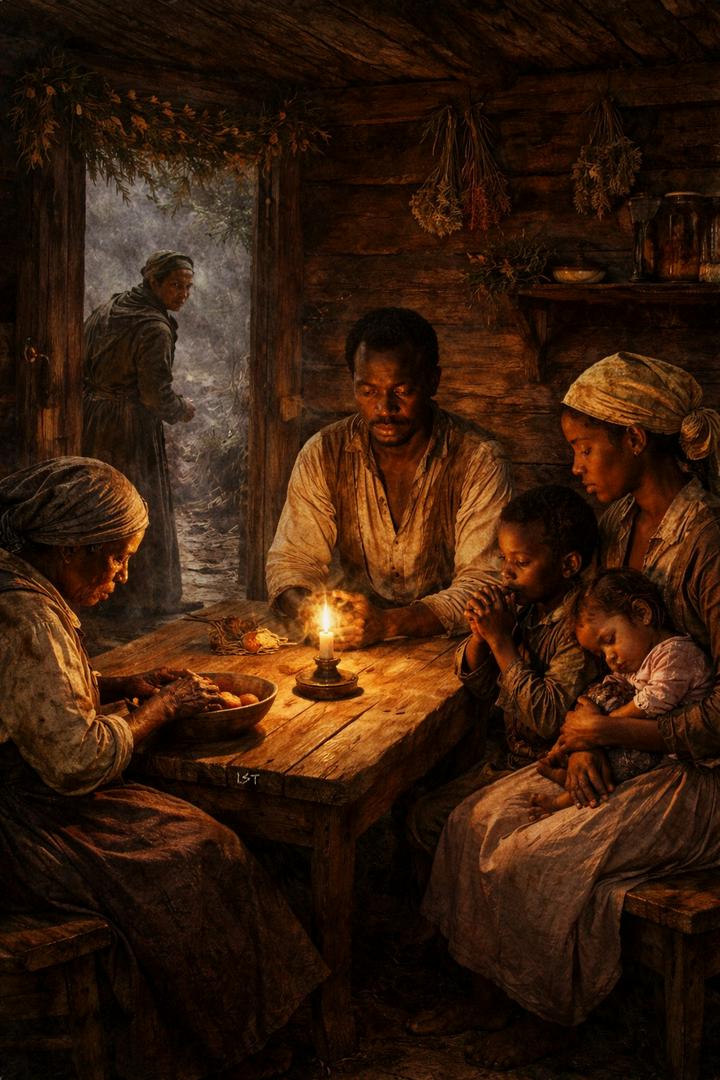
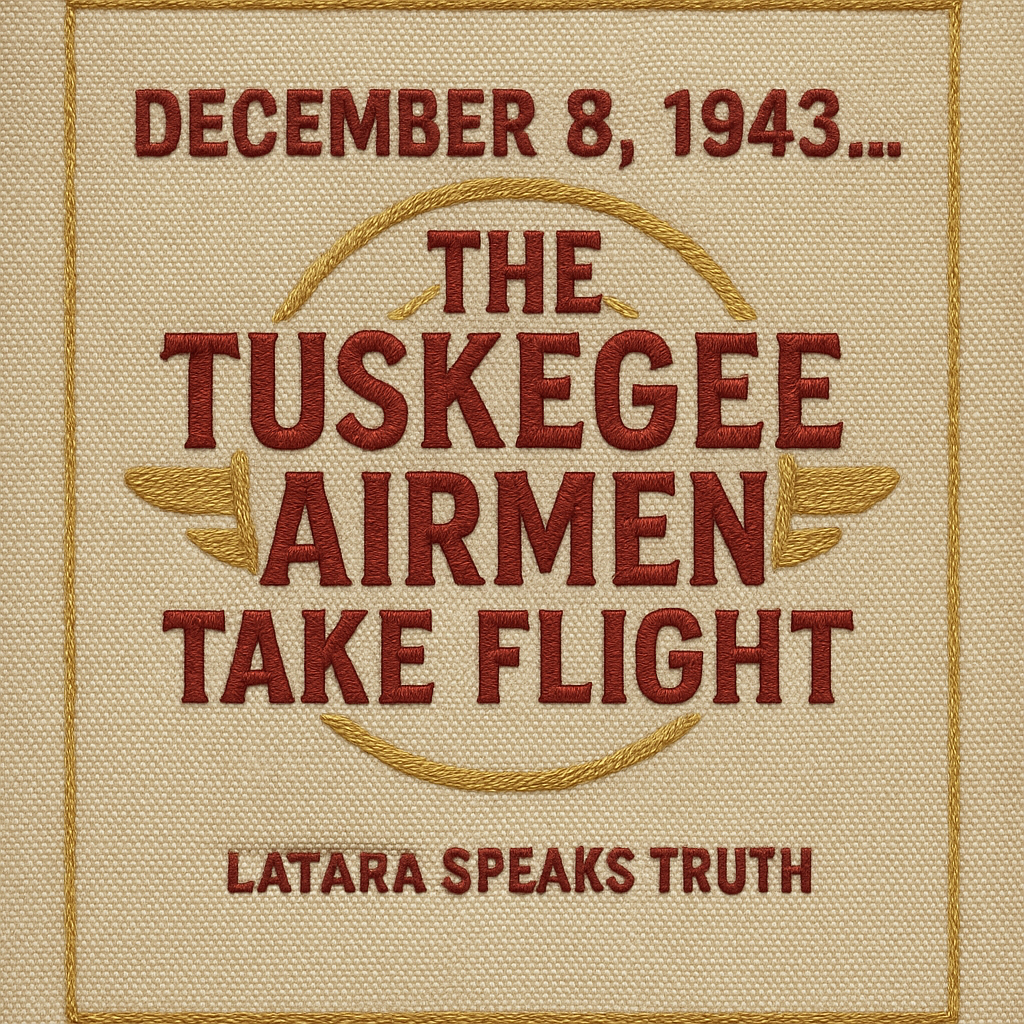
On this day, the 332nd Fighter Group crossed a quiet but powerful milestone. December 8, 1943 marked the moment they completed a major combat transition, officially stepping into the role that would reshape military history. These young Black pilots had already pushed through every barrier on the ground… the doubt, the stereotypes, the low expectations. Now they were preparing to carry all of that into the skies over Europe. By the end of 1943, the Tuskegee Airmen were fully trained, fully activated, and preparing for large-scale missions they knew would either expose the lie or expose the truth. And they chose the truth. Their discipline, precision, and near-legendary escort record forced the country to confront something uncomfortable… skill has no color. Courage has no filter. Excellence don’t ask for permission. Their service didn’t magically fix anything overnight, but it cracked open the door that led to the desegregation of the military, the shifting of public opinion, and the dismantling of one of the most stubborn myths in American culture. And here’s the part we don’t say enough… these men carried the weight of their entire community on every mission. Every landing. Every loss. They weren’t just flying planes… they were flying proof. And on December 8, 1943, that proof took its place in history. #LataraSpeaksTruth #OurHistory #AviationHistory #TuskegeeAirmen #MilitaryHistory #UntoldStories

LataraSpeaksTruth

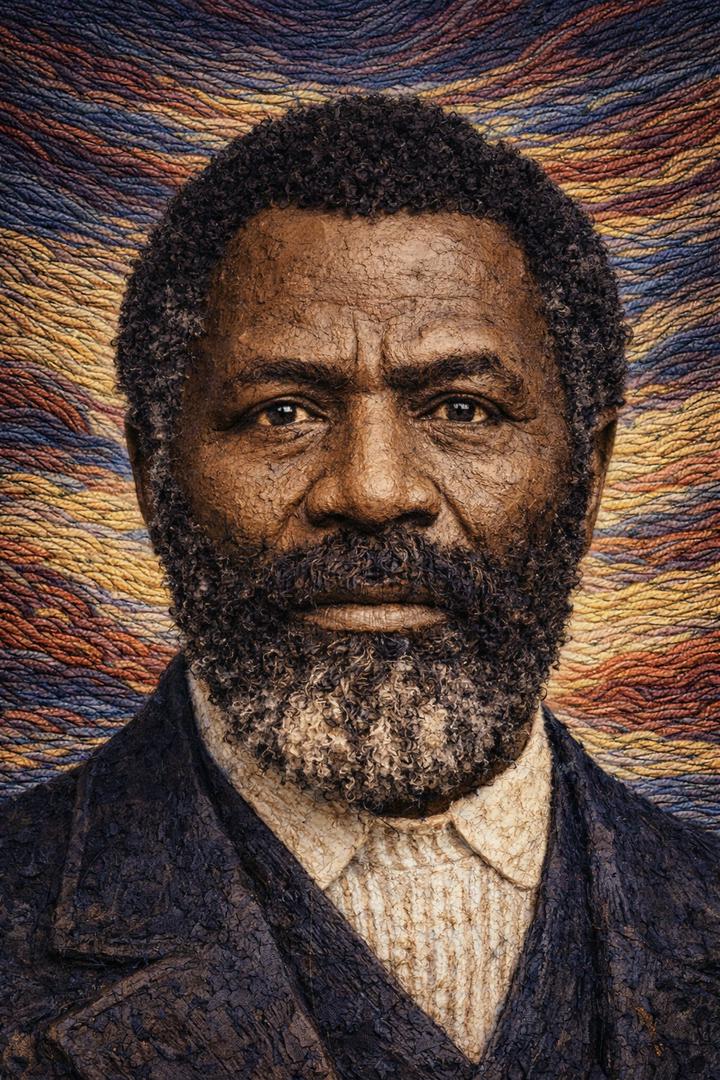
Ernest J. Gaines wrote with the patience of someone who understood that stories do not rush to prove themselves. His work captured rural Louisiana life with restraint, moral clarity, and deep respect for ordinary people carrying extraordinary weight. He did not write spectacle. He wrote consequence. Family, justice, responsibility, memory, and community sat at the center of his work, shaped by oral tradition and lived experience rather than literary trend. Gaines spent his earliest years in a plantation community in Oscar, Louisiana, absorbing the rhythms of storytelling passed down through elders who spoke plainly and with purpose. That foundation never left him, even after he moved to California as a teenager. The South remained present in his voice, not as nostalgia, but as truth. His characters were farmers, teachers, elders, and young men navigating dignity under pressure, each written with care rather than judgment. Born January 15, 1933, Gaines would go on to become one of the most respected American novelists of the twentieth century. His best known works include The Autobiography of Miss Jane Pittman and A Lesson Before Dying, stories that reached wide audiences through film and television adaptations. A Lesson Before Dying earned major literary recognition and became a staple in classrooms for its quiet examination of humanity and moral choice. Ernest J. Gaines passed away in 2019, but his voice remains steady. He proved that rural stories matter, that oral tradition belongs on the page, and that power does not need volume to endure. #ErnestJGaines #AmericanLiterature #LiteraryHistory #SouthernStories #BlackAuthors #GiveHimHisFlowers #OurHistory

You've reached the end!
Tag: OurHistory | LocalAll