Tag Page OregonCoast

#OregonCoast
Jennifer Layna

The Hinge "Mic Drop": Is First Date Respect Officially Dead? A viral Reddit post has ignited a massive debate over dating etiquette in 2026 after a Hinge date ended in a dramatic "phone-snubbing" showdown. The Three-Strike Rule The night started strong at a local lounge, but the mood shifted when a Hinge match’s phone became the third wheel. It wasn't just a quick glance—she was actively scrolling her feed while the OP (Original Poster) was mid-sentence. After the third time he was ignored, he stopped talking and waited. When she finally looked up, he dropped the hammer: "I really value my time, and I think it’s disrespectful to be on your phone the whole time we’re trying to get to know each other." The Silent Exit The reaction? No apology. She looked at him like he’d "insulted her entire family," slapped cash on the table for her drink, and walked out without a word. The Internet’s Verdict Reddit has largely crowned the man a legend, calling his move "King Behavior." The community highlighted a few cold truths: * The "Best Behavior" Red Flag: First dates are meant to be your highlight reel. If this is her "best," the future looks bleak. * Adult Accountability: Commenters argued that adults shouldn’t need a "warning" to know that scrolling during a conversation is rude. * The High Road: Many praised his directness over storming out, noting that "nothing gets under people's skin like being called out with integrity." The Bottom Line In an era of digital addiction, undivided attention is the new luxury. While his friends suggested he should have "made a joke of it," the internet agrees: he didn't just lose a date—he dodged a bullet. Would you have the guts to call her out, or would you have just pulled out your own phone? #RedditDebate #OregonCoast #Dating

Jennifer Layna

“From Frustration to Action: Learning from Ashland’s Public Utility” I remember the day my electric bill arrived last month. I held it, stomach tightening. One number at the bottom, but it carried weight. It wasn’t just a bill — it was a reminder that in small towns like Myrtle Point, Coquille, Powers, and nearby coastal communities, rising energy costs touch everything: groceries, gas, heating, even little comforts that make life feel normal. I see it on social media, neighbors posting the same frustration. “Another increase,” someone writes. “Seems like they can charge whatever they want.” And they can — because, for most of us, there’s only one company supplying power. One monopoly, one set of rules. No alternatives. Then I think about Ashland. They didn’t sit back. They formed their own electric utility. Rates, upgrades, and priorities are decided locally. Any extra revenue stays in the community, funding projects that matter to the people who live there. They took control — and it shows that local power, literally and figuratively, makes a difference. It’s not simple. Setting up a city-owned utility takes planning, money, expertise, and patience. But when bills climb so high that families feel squeezed every month, “possible” is worth considering. This isn’t just about dollars. It’s about having a voice. Ask the questions: Who decides rates? Where does the money go? What would work best for our community? Imagine a town meeting. Residents gathered, talking about the lights in their homes, the heat in their schools, and the dollars leaving their pockets. That conversation — that curiosity — is where change begins. #OregonCoast #NewsBreaks #coosbay

Jennifer Layna

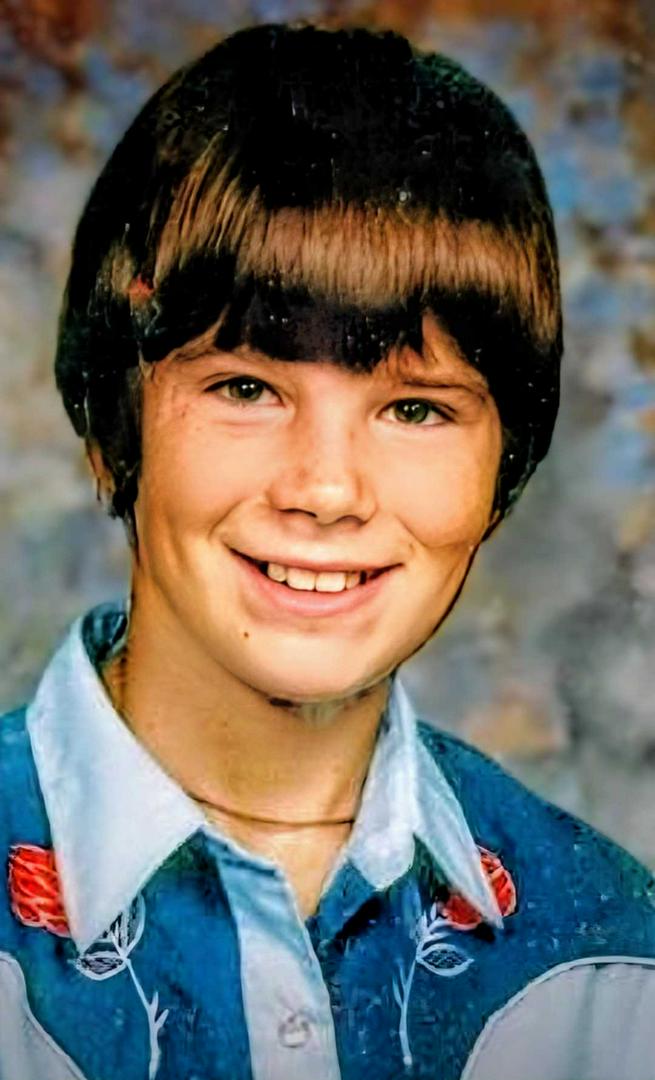
“Jeremy Bright Disappeared in 1986—Genetic Genealogy Could Bring Answers” In Myrtle Point, the Coos County Fair is simple, familiar—kids wandering, friends meeting up, laughter carrying across the grounds. It’s a safe place. Until it isn’t. In August 1986, 14-year-old Jeremy Bright went to the fair like any other kid. And then he disappeared. Witnesses saw him near a light-colored pickup truck. Some said he didn’t go willingly. Others remembered only fragments—moments that seemed ordinary at the time. No suspect was ever found. No answers. Just absence. If this happened today, investigators wouldn’t be limited to memory and paper files. DNA testing and genetic genealogy could trace evidence once thought unusable—even tiny strands of hair from Jeremy or his immediate relatives could help build family trees, potentially pointing to leads that were invisible decades ago. Digital mapping, behavioral analysis, and cross-referencing other cases could reveal patterns missed in 1986. One small overlooked clue could suddenly matter. Jeremy’s story isn’t history. The fairgrounds are still there. The streets of Coos County are still there. And somewhere, someone might remember something that finally brings answers. If you were there. If you ever saw something small, something odd, something you didn’t realize mattered—speak up. One memory, one tip, could break decades of silence. Some disappearances don’t vanish. They wait. Jeremy Bright is still waiting. #Oregon #OregonCoast #OregonNews

You've reached the end!