Tag Page NewsBreakHistory

#NewsBreakHistory
LataraSpeaksTruth

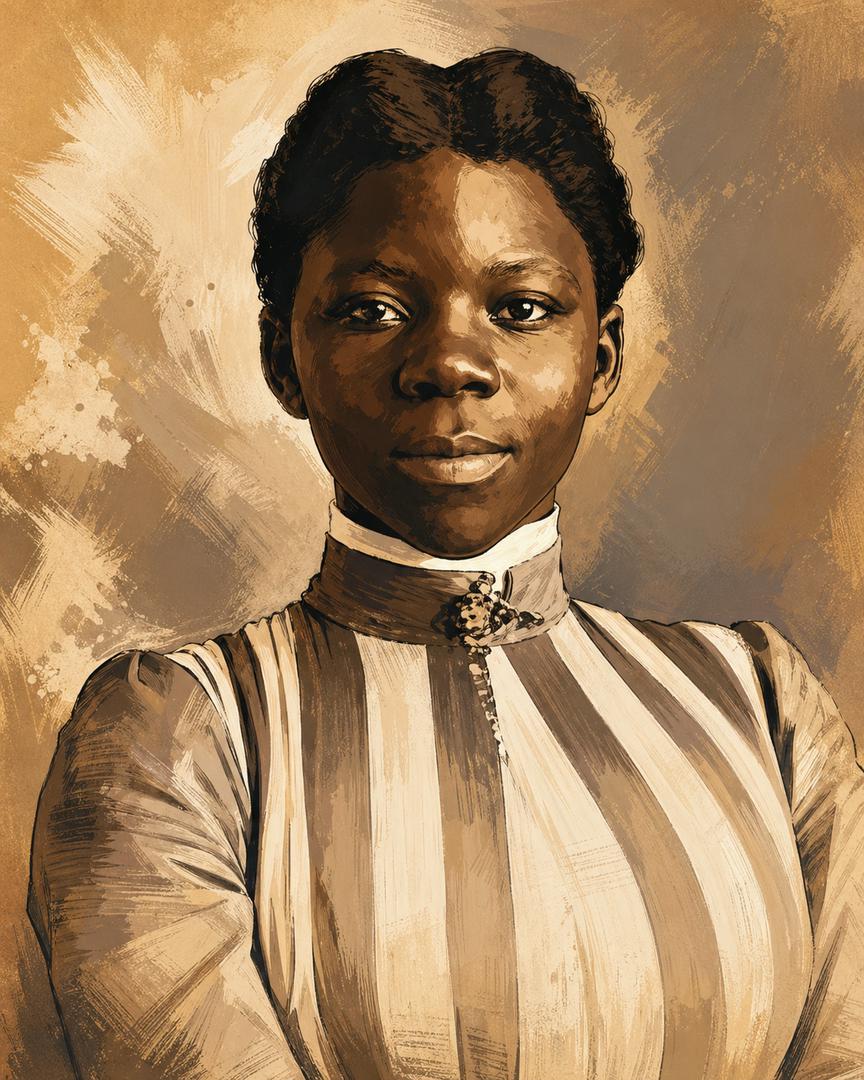
Judy W. Reed’s name does not appear in most school lessons, but it belongs in the conversation about American invention. In 1884, Reed received U.S. Patent No. 305,474 for a device called the “Dough Kneader and Roller.” The patent was granted on September 23, 1884, and listed her as Judy W. Reed of Washington, D.C. Her invention was designed to make kneading and rolling dough more efficient. The machine used rollers to work the dough evenly while keeping it covered during the process. That may sound simple today, but in the 1800s, food preparation was hard physical labor. Much of that work was done by hand. A machine that improved dough preparation mattered because it turned everyday kitchen labor into mechanical innovation. What makes Reed’s story even more powerful is how little of her life was preserved. She is identified in historical accounts as Judy Woodford Reed, a woman from Virginia who later lived in Washington, D.C. Census records suggest she worked as a seamstress and was born around 1826. Reed is often recognized as the first Black woman to receive a U.S. patent. Some sources use more cautious wording, calling her the first known or recorded Black woman patent holder because race was not consistently listed in patent records. That detail matters. History is not always missing because people did nothing. Sometimes it is missing because recordkeepers did not value their names enough to preserve the full story. Judy W. Reed did not become a household name, but her patent still stands as proof of her skill, intelligence, and place in invention history. Her story is not just about a dough kneader. It is about a woman creating, improving, and leaving her mark in a country that rarely made space for women like her to be remembered. #JudyWReed #BlackInventors #HiddenHistory #WomenInHistory #NewsBreakHistory

LataraSpeaksTruth

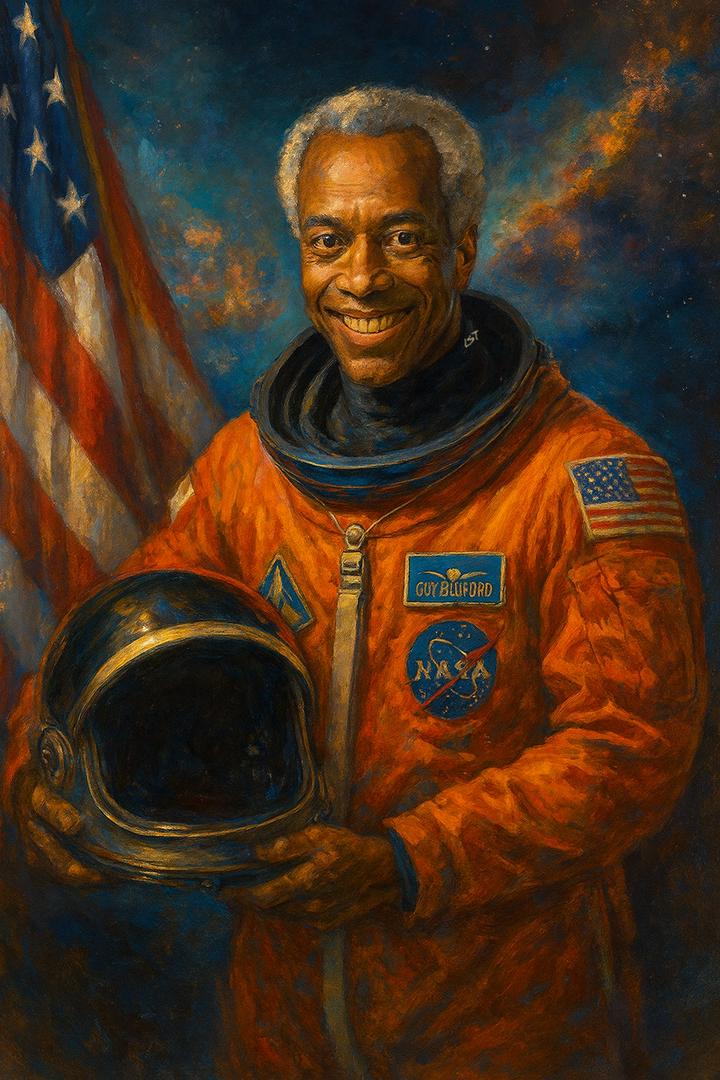
Guion S. Bluford Jr. The First African American To Reach Space

Guion Stewart Bluford Jr. was born on November 22, 1942, in Philadelphia. His birthday sits inside a chapter of history that America rarely slows down long enough to honor. He grew up in a home that valued discipline, education, and excellence. That foundation shaped everything that came next. He served as an officer in the United States Air Force and became a skilled fighter pilot with more than one hundred forty missions during the Vietnam War. He later earned multiple advanced degrees in aerospace engineering and moved through a field where many rooms did not expect to see him. He stayed anyway. He studied harder. He pushed forward. On August 30, 1983, the Space Shuttle Challenger lifted off from Cape Canaveral. Bluford stepped into a role that had never been open to anyone before him. Millions watched a Black man take a seat that represented possibility for families who had been told to keep their dreams “realistic.” His presence in that shuttle changed the imagination of a generation. Bluford continued flying missions for NASA and contributed to research on fluid dynamics, microgravity, and space systems. His work helped expand what we understand about living and operating beyond Earth. His career became a long record of discipline, focus, and quiet excellence. Today his legacy shows up in STEM programs, scholarships, and young students who see him as proof that their gifts belong in every room. His birthday is a reminder that representation in science is not symbolic. It is real. It is necessary. And it still matters. #GuionBluford #BlackHistory #AmericanHistory #STEMHistory #SpaceAchievement #Trailblazer #NewsBreakHistory

Guion S. Bluford Jr.
The First African American To Reach Space
Guess_str

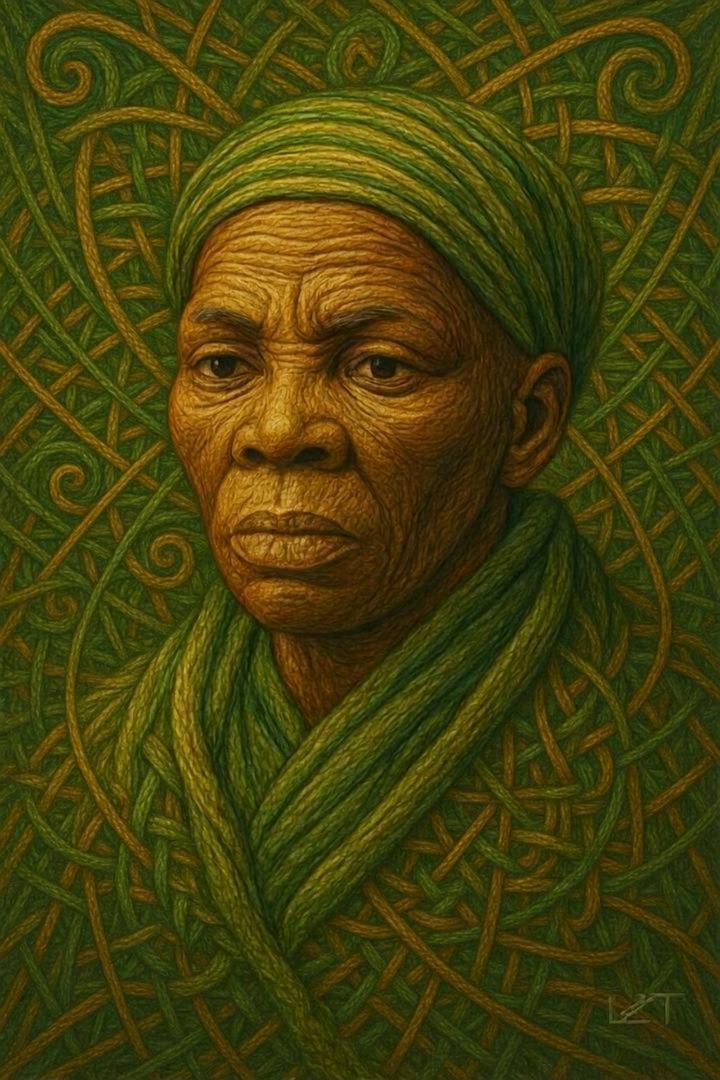
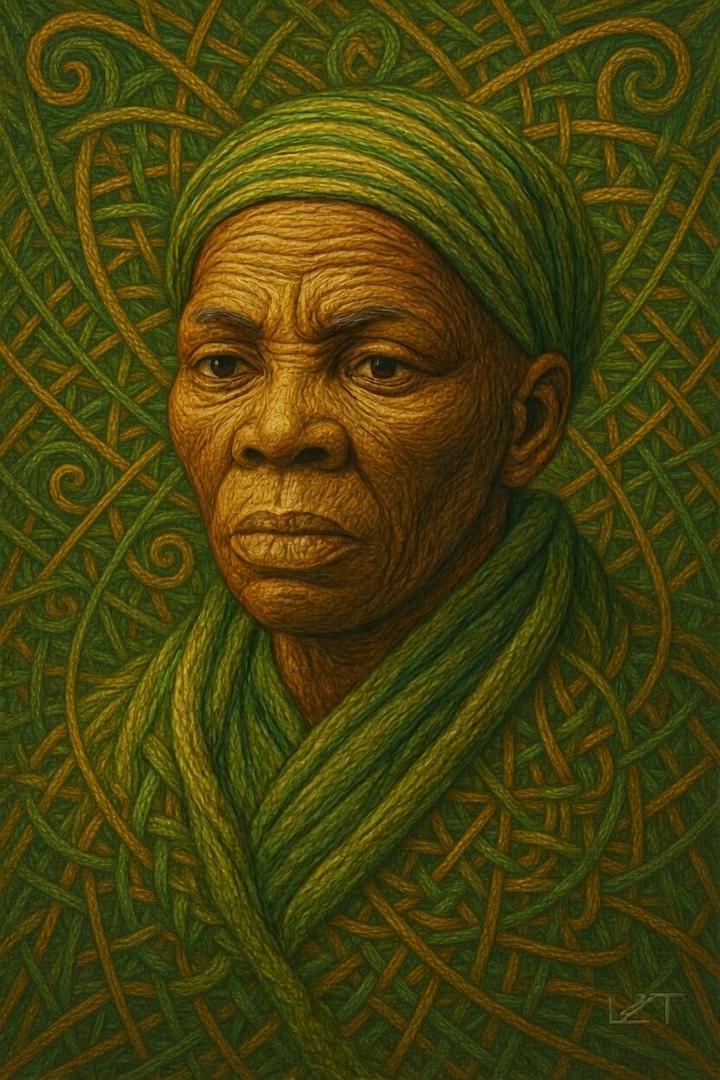
On March 10. 1913. Harriet Tubman died in Auburn, New York, closing the life of one of the boldest freedom fighters this country has ever known. Born into slavery in Maryland around 1822, Tubman escaped bondage, then risked her life again and again by returning south to help others flee to freedom in the North and Canada. She became the most famous conductor of the Underground Railroad, quiding enslaved people toward freedom when capture could have meant torture or death. Her courage was not symbolic. It was lived. It was tested. And it never backed down. Tubman's work did not stop with escape During the Civil War, she served the Union cause as a nurse, scout, and spy, proving again that Black women were doing essential work for a nation that still denied them full recognition. In her later years, she continued serving her community in Auburn where she helped establish a home forelderly and poor Black people in need. Even near the end of her life. Harriet Tubman was still doing what she had always done, showing up for her people March 10 is not iust the date of her passing It is a date to remember what real sacrifice ooks like. Harriet Tubman did not wait for permission to do what was riqht. She moved with faith, with nerve, and with a kind of strength history still struggles ta measure. #HarrietTubman #BlackHistory #OnThisDay #WomensHistory #UnderaroundRailroad #CivilWarHistory #AmericanHistory #BlackWomenInHistory #FreedomFighter #NewsBreakHistory
LataraSpeaksTruth

On March 10, 1913, Harriet Tubman died in Auburn, New York, closing the life of one of the boldest freedom fighters this country has ever known. Born into slavery in Maryland around 1822, Tubman escaped bondage, then risked her life again and again by returning south to help others flee to freedom in the North and Canada. She became the most famous conductor of the Underground Railroad, guiding enslaved people toward freedom when capture could have meant torture or death. Her courage was not symbolic. It was lived. It was tested. And it never backed down. Tubman’s work did not stop with escape. During the Civil War, she served the Union cause as a nurse, scout, and spy, proving again that Black women were doing essential work for a nation that still denied them full recognition. In her later years, she continued serving her community in Auburn, where she helped establish a home for elderly and poor Black people in need. Even near the end of her life, Harriet Tubman was still doing what she had always done, showing up for her people. March 10 is not just the date of her passing. It is a date to remember what real sacrifice looks like. Harriet Tubman did not wait for permission to do what was right. She moved with faith, with nerve, and with a kind of strength history still struggles to measure. #HarrietTubman #BlackHistory #OnThisDay #WomensHistory #UndergroundRailroad #CivilWarHistory #AmericanHistory #BlackWomenInHistory #FreedomFighter #NewsBreakHistory
You've reached the end!