Tag Page Military

#Military
Curiosity Corner

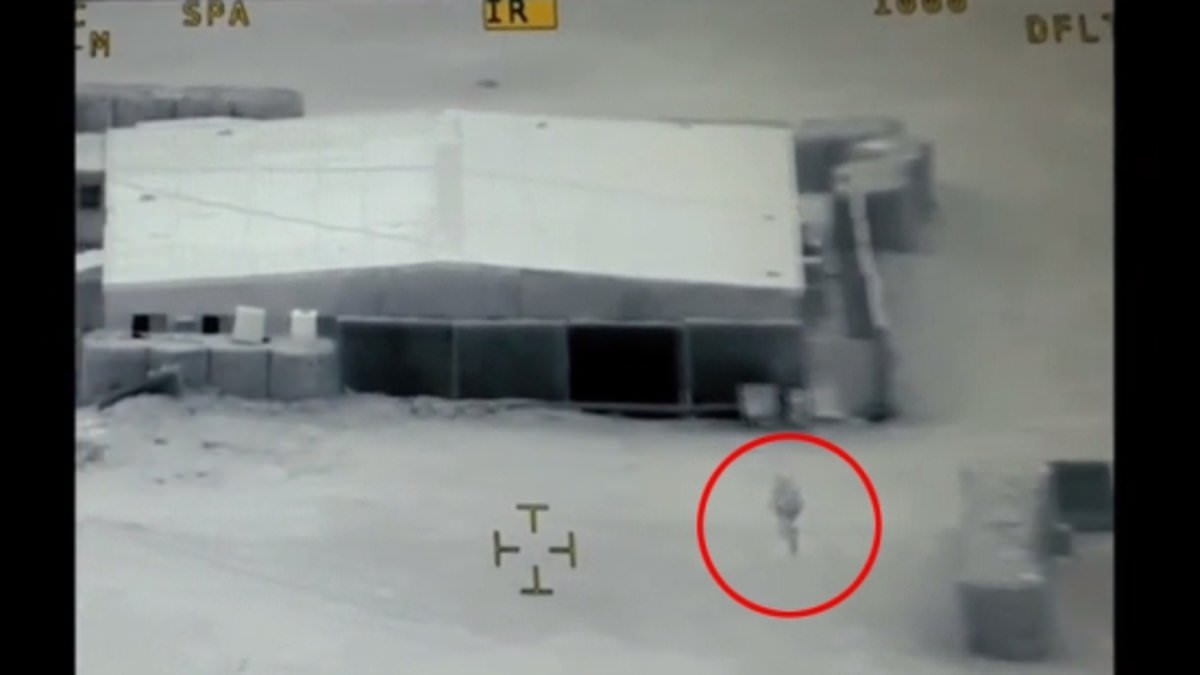
The Iraq Jellyfish UAP: Scientific Analysis – What Is This Object? A widely circulated infrared video recorded near Al Taqaddum Air Base in Iraq shows a dark, rounded aerial object with multiple trailing appendages hovering above a U.S. installation. The footage was captured by a forward looking infrared FLIR sensor, which detects thermal contrast rather than visible light, mounted on a tethered aerostat, a balloon based surveillance platform operating at about 1,000 feet. The roughly 17 minute video shows no visible propulsion, and the object appears to maintain altitude despite variable wind conditions. U.S. Marines reported visual contact. One described it as “hovering there, completely silent,” unlike known aircraft. Another said the appendages “didn’t move like a helicopter or drone” and appeared “almost alive,” increasing uncertainty because the object did not match familiar profiles. Analysis centered on sensor physics and atmospheric effects. FLIR systems display temperature differences rather than physical structure, so uneven heating can create apparent appendages or motion. Image stabilization can exaggerate minor drift, making thin or flexible materials appear animated. Wind shear, turbulence, and thermal inversion layers further distort shape and movement. Temperature differences under one degree Celsius can produce pronounced infrared artifacts. The All-Domain Anomaly Resolution Office (AARO), reviewed similar Middle East footage and concluded with about 95 percent confidence that the objects were balloon clusters, based on full motion video analysis, pixel tracking, sensor calibration, and wind modeling. As a government entity, AARO’s conclusions also carry inherent plausible deniability regarding an actual UAP government program. With that in mind, do you believe AARO’s conclusion that these were balloons? #UFO #UnexplainedPhenomena #Science #Mystery #Physics #Military #Defense

1776 Patriot

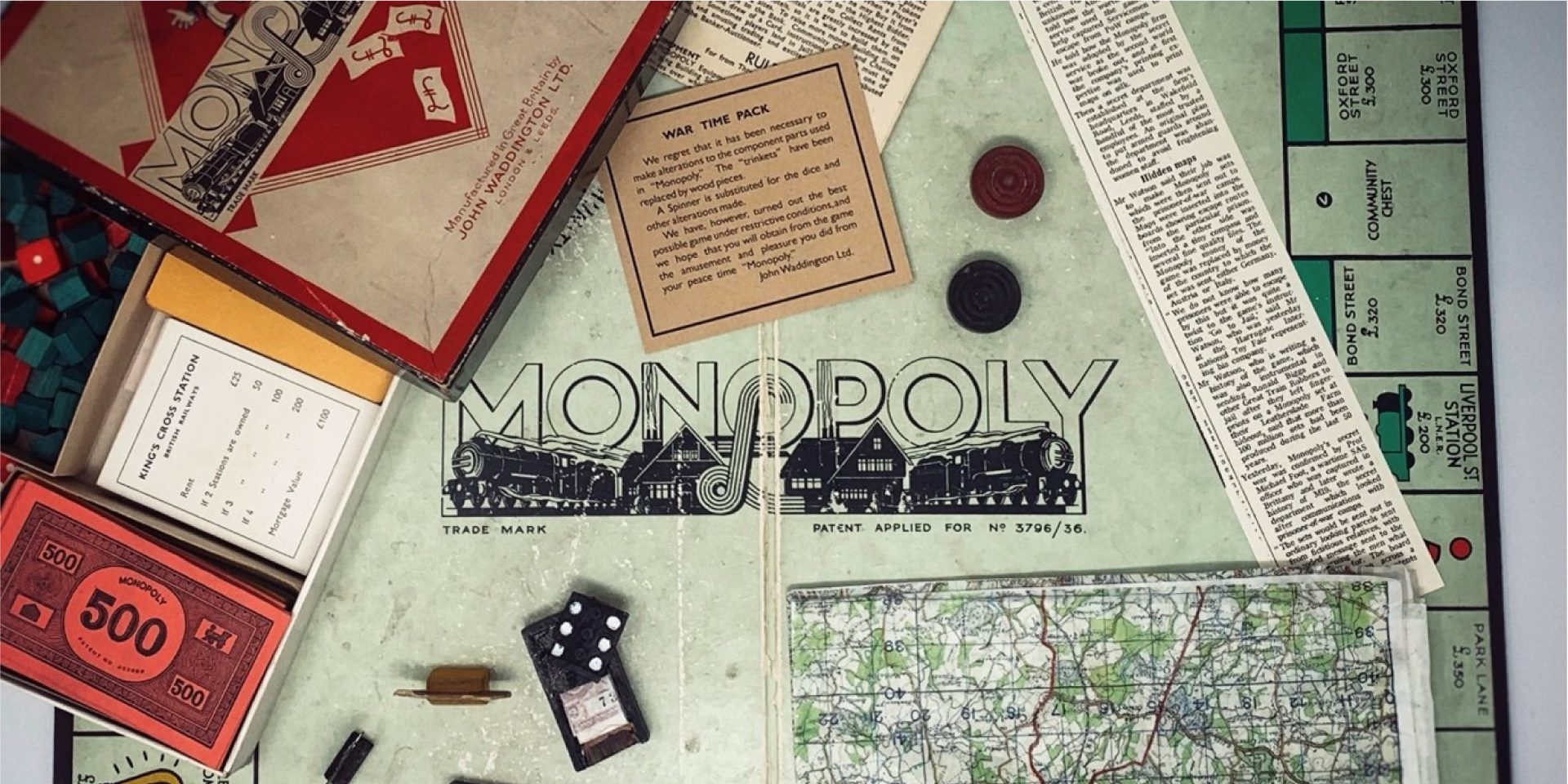
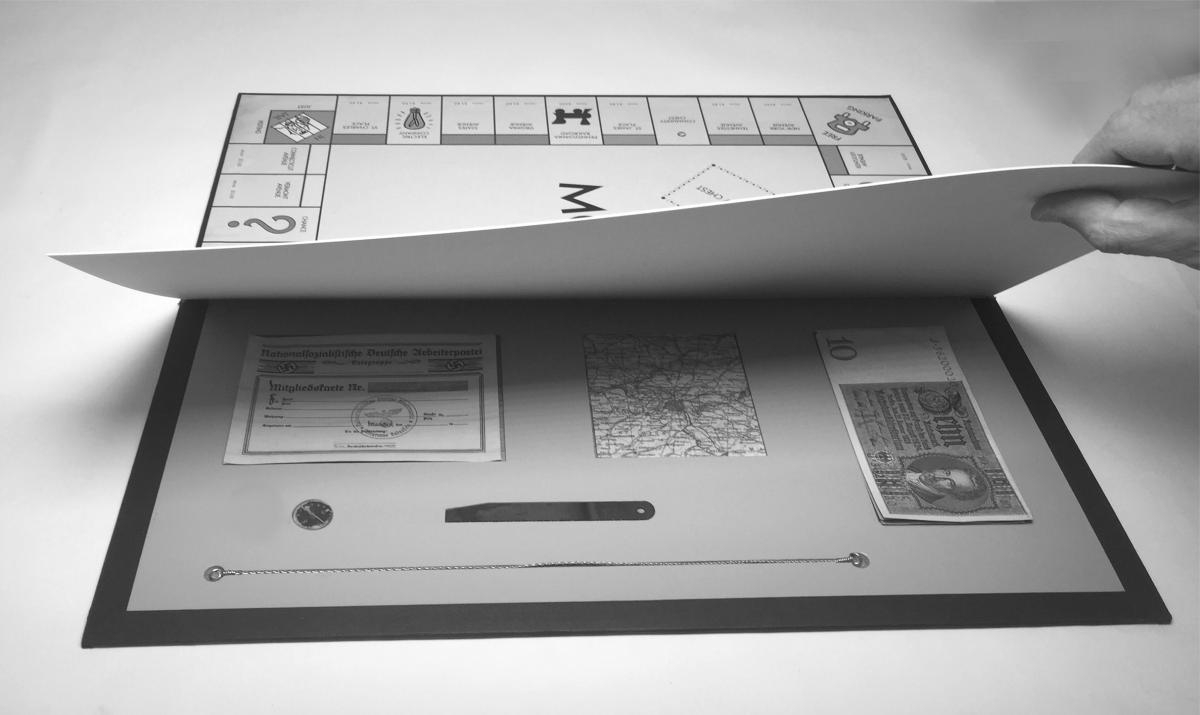
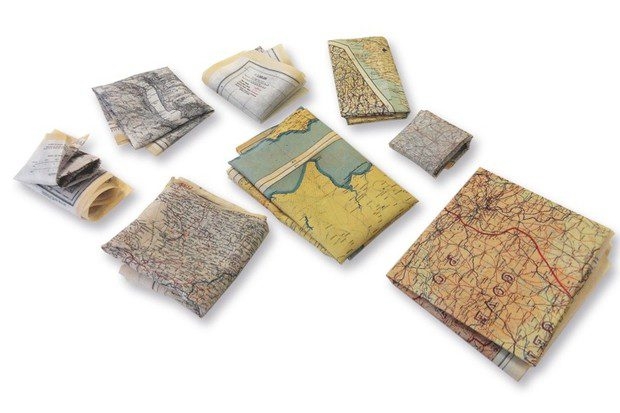
Monopoly: The Secret Weapon to Free American POWs During World War II, the familiar board game Monopoly became an unlikely instrument of rescue for American prisoners of war held in German camps. British intelligence and the Red Cross sought creative ways to support Allied POWs, as traditional supply lines were risky and sending contraband was nearly impossible. Monopoly provided the perfect cover. Special editions of the game were produced with hidden compartments containing maps, compasses, real money, and tools for escape. Each game was carefully packed into a wooden box that appeared normal to German inspectors, ensuring the deception remained effective and convincing. More than 3,000 Monopoly sets were shipped to POW camps across Europe, many specifically for American soldiers. At the time, there were roughly 130,000 American POWs in German camps. The dice were hollowed to hold tiny maps, the money stacks concealed real cash, and playing pieces hid small compasses or files. Some sets even contained silk maps that could be folded into pocket-size sheets. In one case, an American officer used a Monopoly board to escape from a high-security camp, traveling more than 30 miles using the concealed tools, evading German patrols along the way and navigating treacherous terrain under cover of darkness. German guards reportedly never noticed anything unusual. Of the 3,000 sets sent, at least 30 escapes were directly aided by the hidden items, and dozens more prisoners used the tools to aid others or evade capture. By 1944, Allied intelligence refined production to include updated maps reflecting shifting battlefronts. Today, some wartime Monopoly sets are preserved in museums, including the Imperial War Museum in London. A simple family game became crucial in saving lives, transforming clever ingenuity into a daring tactical advantage that outwitted captors and inspired hope in desperate circumstances. #Monopoly #BoardGames #USHistory #Military #America #WWII

GlacialGlimpse

Drone Swarms: Power in Numbers or Control Nightmare?

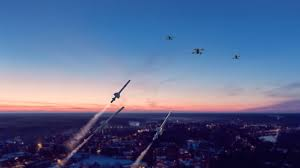
Unmanned systems aren’t new, but the idea of drone swarms—hundreds or thousands of small, cheap drones acting together—is transformative. U.S. R&D labs are testing swarms that can overwhelm air defenses, conduct surveillance, or even do kinetic strikes. There are stories from testing where simple drones dodged anti-air guns by dispersion. But controlling a large swarm brings huge command, control, and communication (C3) problems. If one jammer or cyber-attack disrupts coordination, the whole swarm could fail or, worse, act unpredictably. Compare this to human pilots: expensive, scarce, but resilient and adaptable. Drone swarms offer volume and risk displacement of personnel, but also new vulnerabilities. The battlefield of the future may not be dominated by a few big platforms, but by many small ones. The question: can the U.S. build the doctrine, secure communications, and ethical frameworks to deploy swarms without chaos? #Military #UnmannedSystems

Drone Swarms: Power in Numbers or Control Nightmare?
WaveFable

America’s Quiet Footprint in Israel Could Redefine the Middle East

The deployment of 200 U.S. troops to Israel isn’t just about “monitoring” a ceasefire — it’s a calculated signal in a region where every move is read like a chess piece. Officially, these troops are part of a humanitarian coordination mission. In reality, their presence shifts the balance of power and blurs the line between diplomacy and military projection. From a strategic perspective, the U.S. isn’t only supporting an ally; it’s embedding itself in the post-war architecture of the Middle East. With Iran expanding its proxy network and Russia deepening its presence in Syria, Washington is quietly ensuring it still has a “seat at the table” — through boots on the ground, not just words. But there’s a risk baked into this strategy. Small deployments can create large vulnerabilities. History shows that once troops are stationed — even temporarily — missions expand, objectives shift, and withdrawals become politically costly. The same playbook unfolded in Iraq and Syria, both beginning as “limited engagements.” This isn’t just about 200 soldiers. It’s about how far the U.S. is willing to go to maintain influence in a region that no longer wants outside arbiters. #Military #MiddleEast

America’s Quiet Footprint in Israel Could Redefine the Middle East
WaveFable

Pentagon vs. The Press — National Security or Silencing Dissent? 📰

The Pentagon’s new media policy has ignited a storm. Reporters are now required to sign strict agreements before speaking to Defense Department officials — and access to military bases or personnel can be revoked without explanation. Officials say it’s to “protect national security.” Critics say it’s a blatant attempt to control the narrative. For decades, America has prided itself on being a nation where the press can question power, especially when it comes to war. From Vietnam to Iraq, journalists exposed lies that saved lives. Now, that very tradition is under siege — not by enemies abroad, but by our own institutions. Supporters of the policy argue the media too often sensationalizes sensitive information, endangering troops and operations. But when journalists are gagged, oversight dies. Whistleblowers stay silent. The public sees only what officials want them to see. In a democracy built on accountability, who decides where “national security” ends and “censorship” begins? If we trade transparency for control, we may win a battle for secrecy — and lose the war for truth. #Military #FreedomOfPress

Pentagon vs. The Press — National Security or Silencing Dissent? 📰
WaveFable

Trump’s Caribbean Strikes — Legal Action or Executive Overreach? 🇺🇸

The U.S. Navy has intercepted suspected Venezuelan drug vessels in the Caribbean, and the White House calls it an “armed conflict.” Yet Congress has not explicitly authorized such strikes, raising urgent questions about presidential power. Supporters argue swift action is essential to stop drug trafficking, protect American lives, and maintain regional security. Critics warn this sets a dangerous precedent: one president can launch military operations anywhere, anytime, under a broad definition of “threat.” It’s not just about drugs. It’s about the balance of power. When military action bypasses legislative oversight, it erodes the constitutional framework. Local authorities, neighboring nations, and the American public have limited say — but bear the consequences. History shows that unchecked executive action, even with good intentions, can spiral. From covert operations in Latin America to sudden strikes in the Middle East, the pattern repeats: legality is debated after the fact, while soldiers risk their lives and taxpayers foot the bill. The question Americans face today is stark: do we trust a single office to decide war, or does the Constitution still matter? #Military #ExecutivePower

Trump’s Caribbean Strikes — Legal Action or Executive Overreach? 🇺🇸
1776 Patriot

Built to Last: The USS Constitution’s Secret Construction That Defied Cannonballs

The USS Constitution, famously called “Old Ironsides,” began construction in 1794 at Edmund Hartt’s shipyard in Boston, part of the U.S. effort under the Naval Act of 1794 to build a strong fleet to protect American trade. Designed by Joshua Humphreys, the Constitution was bigger, faster, and more heavily armed than most frigates of the time. Its hull was built from live oak, a very dense and strong wood, while white oak and pine were used for framing, decks, and internal supports. Shipwrights used hand tools like saws, chisels, mallets, and augers to shape each plank and beam, carefully fitting them together. Humphreys added diagonal braces, heavy angled supports, and double planking to make the hull strong and flexible enough to absorb cannon hits. Wooden pegs, iron bolts, and fasteners held everything together, while tar and rope fibers sealed the seams to keep the ship watertight. Deck beams were notched and bolted, and the masts were set into reinforced posts. Pulleys and ropes helped lift heavy timbers into place. Workers measured and adjusted everything with simple tools like plumb lines, squares, and marking gauges to ensure the hull was straight and strong. The bottom of the ship was covered with copper to prevent marine growth, keeping her fast and seaworthy. By the time she was launched on October 21, 1797, the Constitution was 204 feet long, with a 43-foot-wide beam, and carried 44 guns, making her one of the most powerful frigates of her era. Her combination of speed, firepower, and advanced construction allowed her to survive battles that would have destroyed lesser ships. The Constitution’s construction shows the skill, ingenuity, and hard work of early American shipbuilders. Today, she is a floating museum in Boston, a lasting symbol of U.S. naval strength and craftsmanship. #USA #USHistory #Shipbuilding #USMilitary #Military

Built to Last: The USS Constitution’s Secret Construction That Defied Cannonballs
vasqueztravis

america’s sons go to war, politicians’ sons go to college

Every time this country sends troops abroad, it’s not the sons of senators or congressmen boarding those planes. It’s the boys from Ohio steel towns, the kids from Texas farms, the young men who grew up fixing cars in their dad’s garage. They wear the uniform, they fight, and too often, they don’t come home. Meanwhile, the sons of Washington elites sit in classrooms at Yale or Harvard. They’ll graduate into think tanks, hedge funds, or government jobs their last names already secured. We call it “patriotism.” But let’s be real—patriotism has always been a bill handed to the working class, paid in blood, while the rich cash in the dividends of “freedom.” So here’s the question no one in power dares to ask out loud: if every senator’s son had to fight on the frontlines, how many wars would america actually fight? #Politics #MiddleClass #Military

america’s sons go to war, politicians’ sons go to college
WaveFable

America’s Forgotten Soldiers

Politicians love to praise “our troops” when the cameras are on. They stand in front of flags, salute the uniform, and talk about sacrifice. But once the war is over, once the headlines fade, what happens to the men and women who actually carried the weight? Look at the numbers: nearly 40,000 veterans are homeless on any given night in America. Suicide rates among veterans remain alarmingly high — more have died by their own hand after Iraq and Afghanistan than in combat itself. Promises of proper healthcare at the VA? Delayed, denied, or buried in red tape. Meanwhile, defense contractors rake in billions. Washington finds endless money for new weapons, but the people who fought with the old ones are left fighting for disability benefits, jobs, or even a bed to sleep in. That’s not patriotism. That’s betrayal. If America truly values its freedom, then taking care of those who defended it should come before signing another foreign aid check or greenlighting another war. Because a country that forgets its soldiers is a country that doesn’t deserve them. #Politics #Military #Veterans

America’s Forgotten Soldiers