Tag Page MedalofHonor

#MedalofHonor
LataraSpeaksTruth

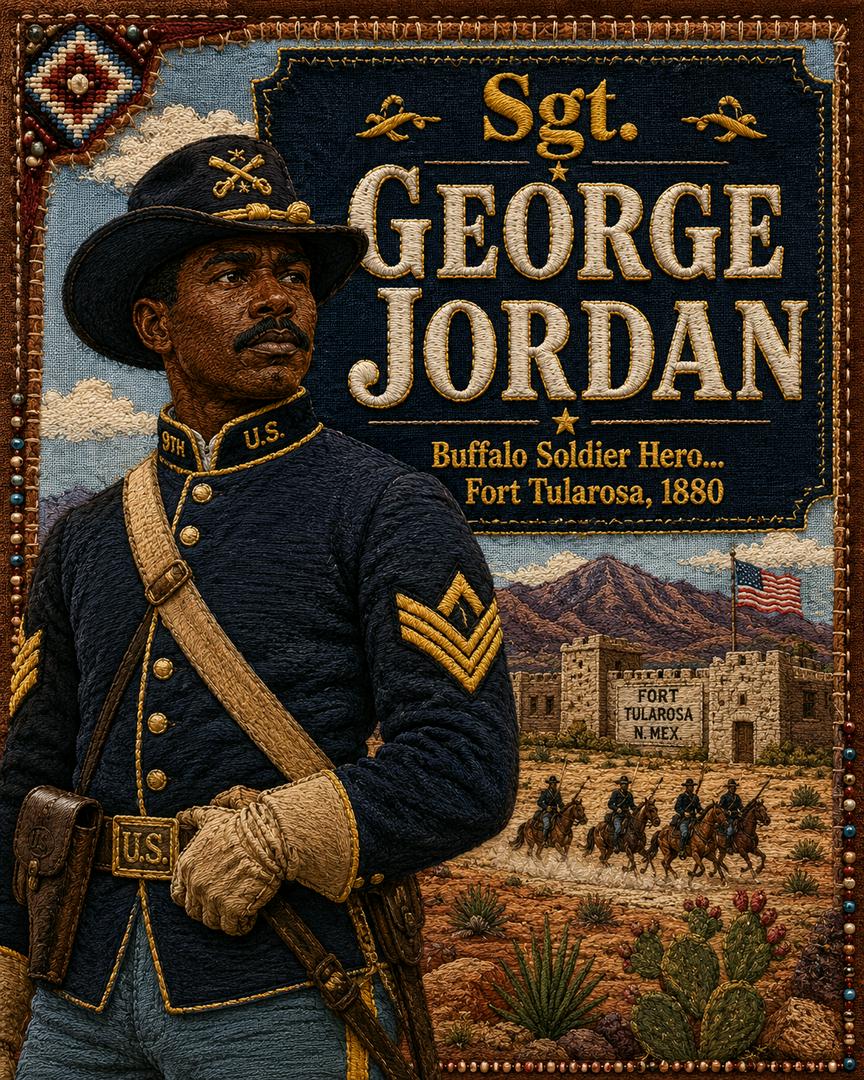
On May 14, 1880, Sgt. George Jordan of Company K, 9th U.S. Cavalry, stood at Fort Tularosa, New Mexico, facing the kind of moment history should never forget. Jordan was one of the Buffalo Soldiers, Black troops who served the United States after the Civil War while still living under the weight of racism, segregation, and unequal treatment. They wore the uniform, defended the country, and carried themselves with discipline, even when the country did not fully honor their humanity. At Fort Tularosa, Jordan led a small detachment of only 25 men. In the action later recognized as part of his Medal of Honor service, his unit repulsed a force of more than 100 Apaches. That was not a small stand. That was leadership under pressure. That was courage with no room for panic. Jordan’s story did not end there. His Medal of Honor also recognized his actions at Carrizo Canyon, New Mexico, on August 12, 1881. There, he held an exposed position under dangerous conditions and helped prevent his command from being surrounded. Nearly a decade later, on May 7, 1890, Sgt. George Jordan was awarded the Medal of Honor for his service. What makes this story powerful is not just the battle itself. It is the contradiction behind it. Men like George Jordan served with bravery in a nation that still questioned their worth. They defended forts, protected settlements, and followed orders, even while facing discrimination from the same country they served. The Buffalo Soldiers were not background figures in American military history. They were builders of legacy. They were disciplined fighters, frontier soldiers, and men whose service deserves to be remembered with the same seriousness given to any other decorated unit. Sgt. George Jordan’s stand at Fort Tularosa is a reminder that courage does not always come with fair treatment. Sometimes courage shows up anyway. #GeorgeJordan #BuffaloSoldiers #MilitaryHistory #BlackHistory #MedalOfHonor #OnThisDay

Andrew_Brown

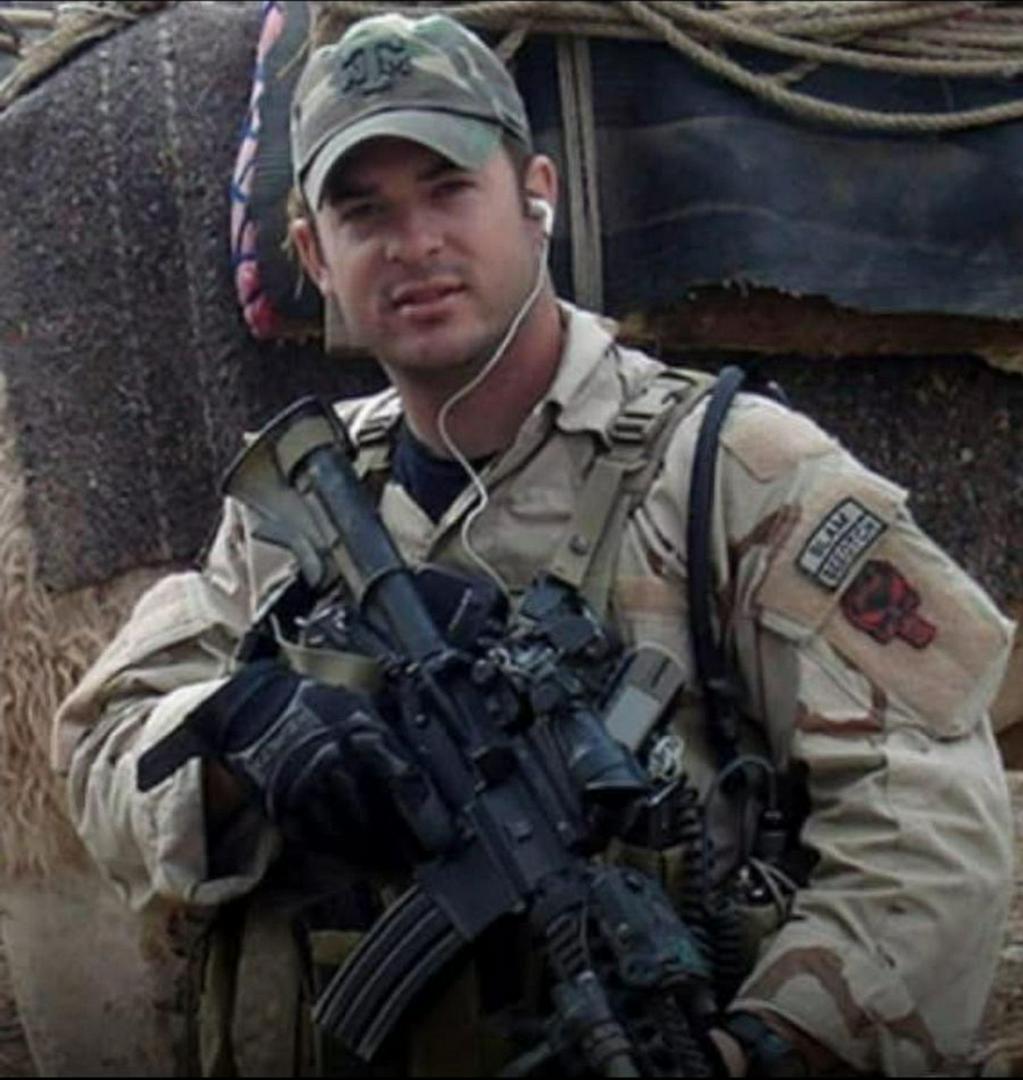
t was April 6, 2008 in Shock Valley, Afghanistan. Matthew Williams was 33 years old on a mountain when everything went wrong His Special Forces team and their Afqhan partners walked into an ambush that would become one of the most intense battles of the war. Enemy fighters held the high ground. Fire rained down from three sides. Within minutes, half the team was wounded. There was no cover, no easy way out. As a weapons sergeant, his job was to lay down suppressive fire. But when teammates fell, his ob became something else entirely. He moved through open ground again and again dragging wounded soldiers to cover while bullets tore through the air around him He was hit. Then hit again.Each time, he got back up. Not because he was invincible. but because men were bleeding out and someone had to reach them. He fired his weapon with one arm while pulling casualties with the other. When his rifle was shot out of his hands, he picked up another and kept fighting. Williams absorbed 11 gunshot wounds that day. He survived during the battle, which asted six hours. The physical wounds eventually healed, though some in memory never fully closed In October 2019. President Trump placed the Medal of Honor around his neck. By then, Williams had already spent more than a decade living with what he gave. The recognition didn't erase the cost. It just finally acknowledged it Story based on verified Medal of Honor citations and historical records #ThelranWar #MedalofHonor

LataraSpeaksTruth

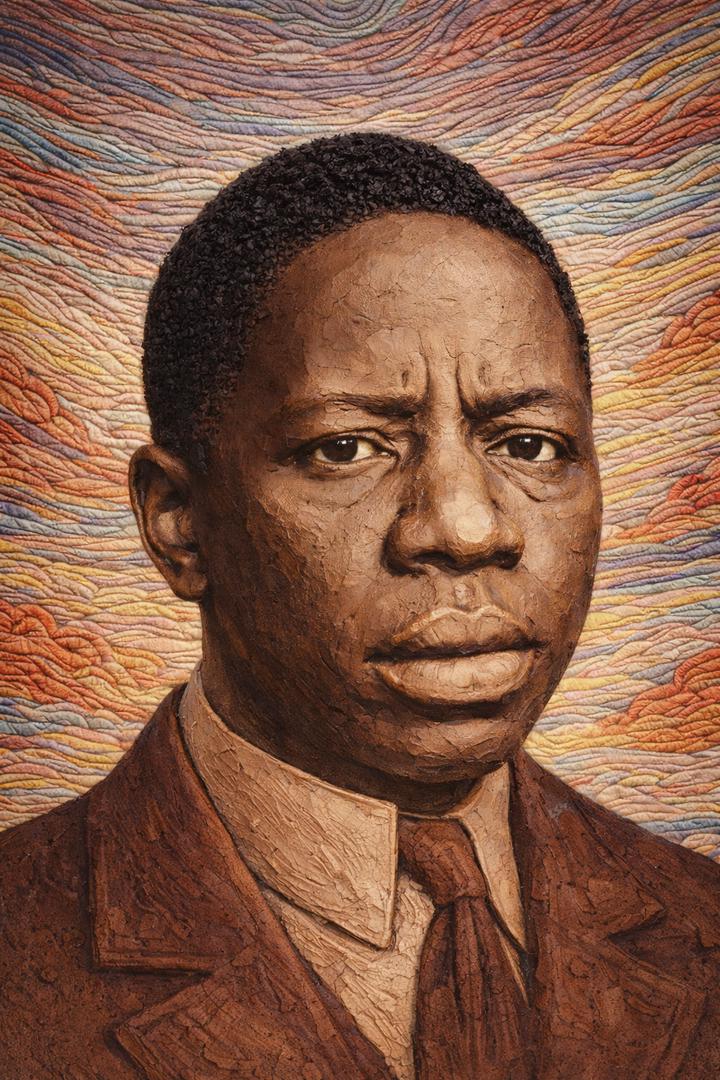
On March 8, 1943, Private George Watson of the U.S. Army’s 29th Quartermaster Regiment was aboard the U.S. Army Transport Jacob near Porlock Harbor, New Guinea, when enemy aircraft attacked during World War II. Bombs struck the ship and forced the men aboard into open water. What followed was confusion, fear, and a fight to survive. Some of the soldiers could not swim. Others were wounded, exhausted, or too panicked to make it to safety on their own. Private Watson had a chance to focus on himself. He did not. Instead, he stayed in the water and helped other soldiers reach a life raft. Witnesses later remembered that he repeatedly assisted men who were struggling, putting their lives ahead of his own. In the middle of disaster, he kept choosing service over self preservation. That choice cost him his life. As the ship sank, Watson was pulled beneath the surface and drowned after helping save several of his fellow soldiers. The men who survived did not forget what they saw. They remembered the soldier who stayed behind in the water so others could live. For years, his bravery was honored, but not with the nation’s highest military recognition. That finally changed in 1997, when Private George Watson was posthumously awarded the Medal of Honor. His story is not just about war. It is about character. It is about what a person does when fear is real, death is close, and there is still a chance to choose courage. George Watson made that choice again and again. He did not leave the water that day. But the men he helped did. And because they lived to tell it, his name still rises from the pages of history. #RepostWorthy #GeorgeWatson #MedalOfHonor #WWIIHistory #AmericanHistory #GoneButNotForgotten

You've reached the end!
Tag: MedalofHonor | LocalAll