Tag Page MLK

#MLK
LataraSpeaksTruth

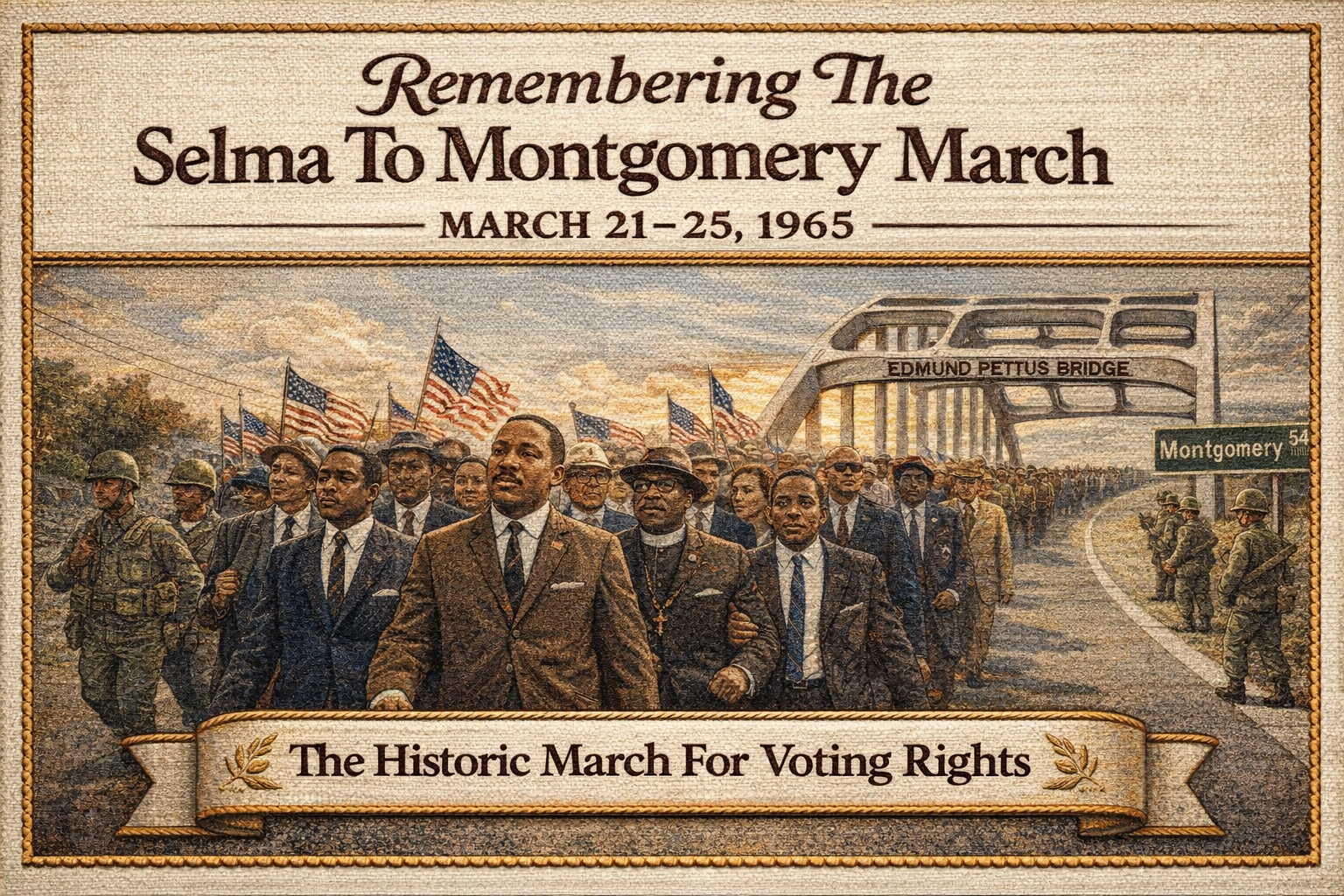
On March 21, 1965, Dr. Martin Luther King Jr. and thousands of voting rights demonstrators began the third Selma to Montgomery march in Alabama. Unlike the first two attempts, this march moved forward under federal protection after national attention had turned to Selma and the growing demand for change. The march followed two earlier efforts that drew widespread attention to the barriers many Black citizens faced when trying to vote in the South. On March 7, in the event remembered as Bloody Sunday, peaceful demonstrators were stopped by law enforcement as they crossed the Edmund Pettus Bridge. A second attempt on March 9 was also cut short. Beginning on March 21, marchers traveled roughly 50 miles over five days, arriving in Montgomery on March 25. As they moved forward, support grew and the march became one of the most important public demonstrations of the civil rights era. The Selma to Montgomery march helped build momentum for the Voting Rights Act of 1965, which targeted unfair voting barriers such as literacy tests. What began in Selma became a turning point in the national fight for equal access to the ballot. Sources…National Archives…National Park Service…Stanford King Institute…Britannica #OnThisDay #SelmaToMontgomery #VotingRights #CivilRightsMovement #MLK #BlackHistory #AmericanHistory #HistoryMatters

LataraSpeaksTruth

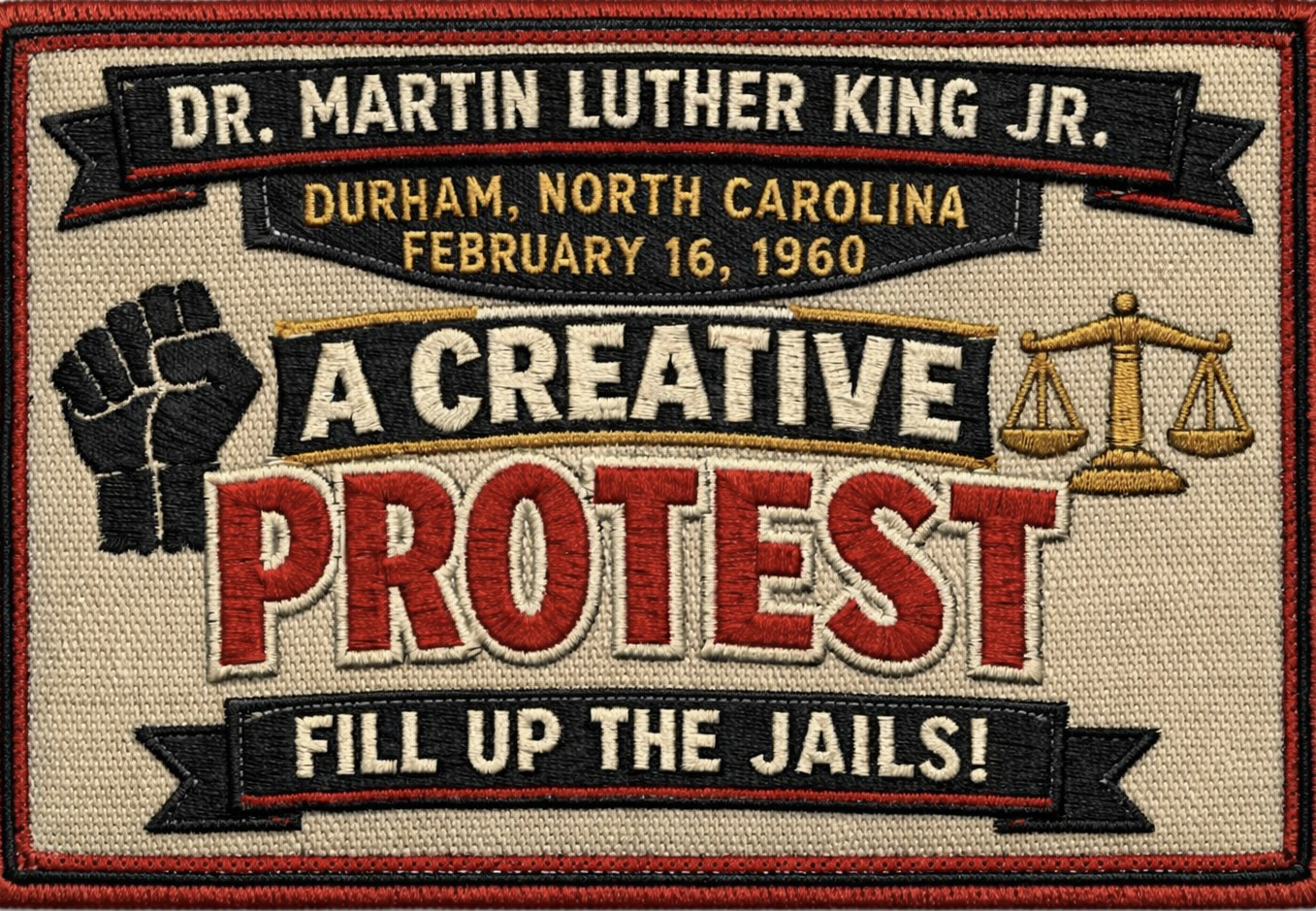
February 16, 1960…Durham, North Carolina. While student led sit ins were spreading across the South, Dr. Martin Luther King Jr. came to Durham to stand beside the young people putting their bodies on the line. Earlier that day, he visited the downtown targets of the protests, seeing firsthand how a simple lunch counter could expose an entire system. That night, inside White Rock Baptist Church, the sanctuary became more than a meeting place…it became a command center for courage. King’s message was clear and it was not soft. Protest had to be organized, disciplined, and nonviolent on purpose, not just in words. He urged students to keep their dignity, refuse retaliation, and stay steady when the pressure came. The goal was not chaos…it was moral force that could not be ignored. He pushed the movement beyond polite requests and into direct action that created consequences for injustice. Then came the hard part he wanted them ready for. If arrests came, they were not to panic or fold. He challenged them to accept jail if necessary, not as defeat, but as testimony. When people are willing to suffer without striking back, the world has to look. The sit in movement was already shaking the South, and King’s Durham speech poured gasoline on the fire of commitment, turning fear into strategy and bravery into a shared discipline. #OnThisDay #CivilRightsMovement #DurhamNC #SitInMovement #MLK #NonviolentResistance #BlackHistory

LataraSpeaksTruth

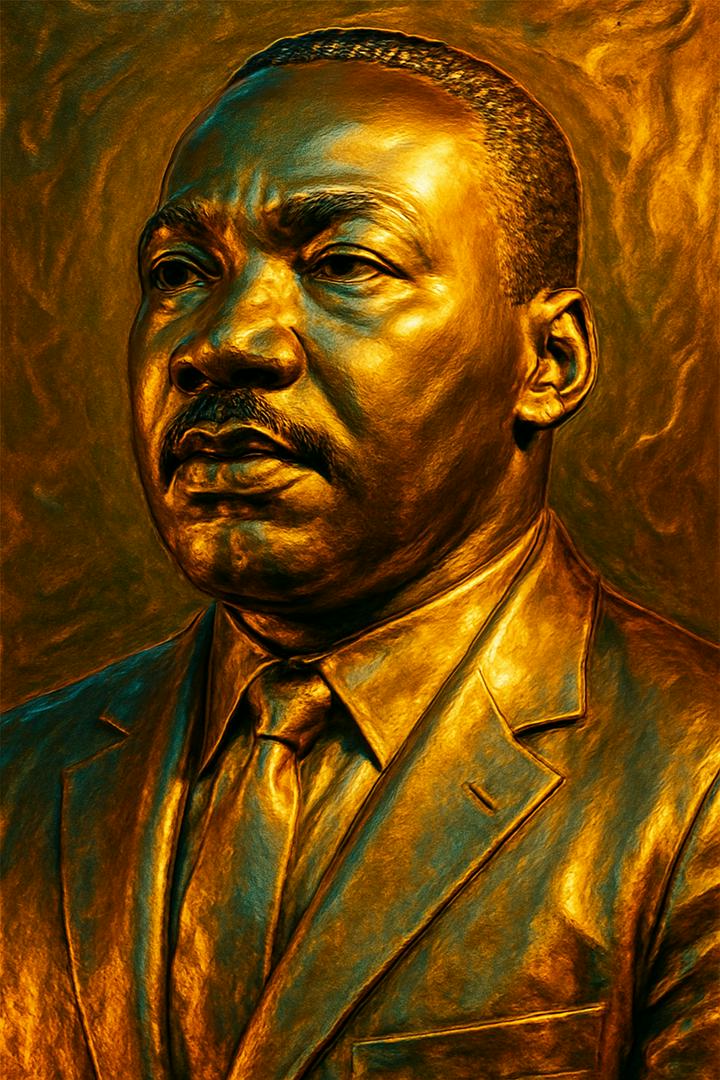
On December 10, 1964 Dr. Martin Luther King Jr. stood in Oslo, Norway to formally receive the Nobel Peace Prize. At just 35 years old he became the youngest person ever to earn that honor at the time. The committee recognized him for leading a nonviolent movement that confronted segregation, discrimination, and the long shadow of inequality across the United States. His award was not a celebration of victory, but a recognition of how much courage it takes to stand in the storm without raising a fist. King accepted the prize with a steady voice and an even steadier conviction that change was possible. He spoke of the struggles happening back home… the bombings, the arrests, the backlash, the constant risk that trailed every step. Yet he still called for peace, not because the times were peaceful, but because he believed humanity could rise above the cycles that had shaped the nation for centuries. This moment in Oslo is often remembered as a milestone, but it was also a mirror. It showed the world what was happening in America and forced people to see the gap between its ideals and its reality. King stood alone at that podium, but he carried a movement on his shoulders. A movement built by ordinary people who marched, sat in, spoke up, pushed forward, and refused to let injustice remain untouched. Sixty years later the speech still echoes. The questions he raised still challenge us. And the hope he carried still feels necessary. History marks the day he received the Nobel Peace Prize, but that award did not define him. His work did. His legacy did. The change he sparked still does. #History #AmericanHistory #OnThisDay #MLK #Nonviolence #LataraSpeaksTruth #LearnOurHistory #NewsBreakCommunity #TodayInHistory #LegacyLivesOn

You've reached the end!